Why You Can’t Book a Guided Moose Hunt Without a Tag
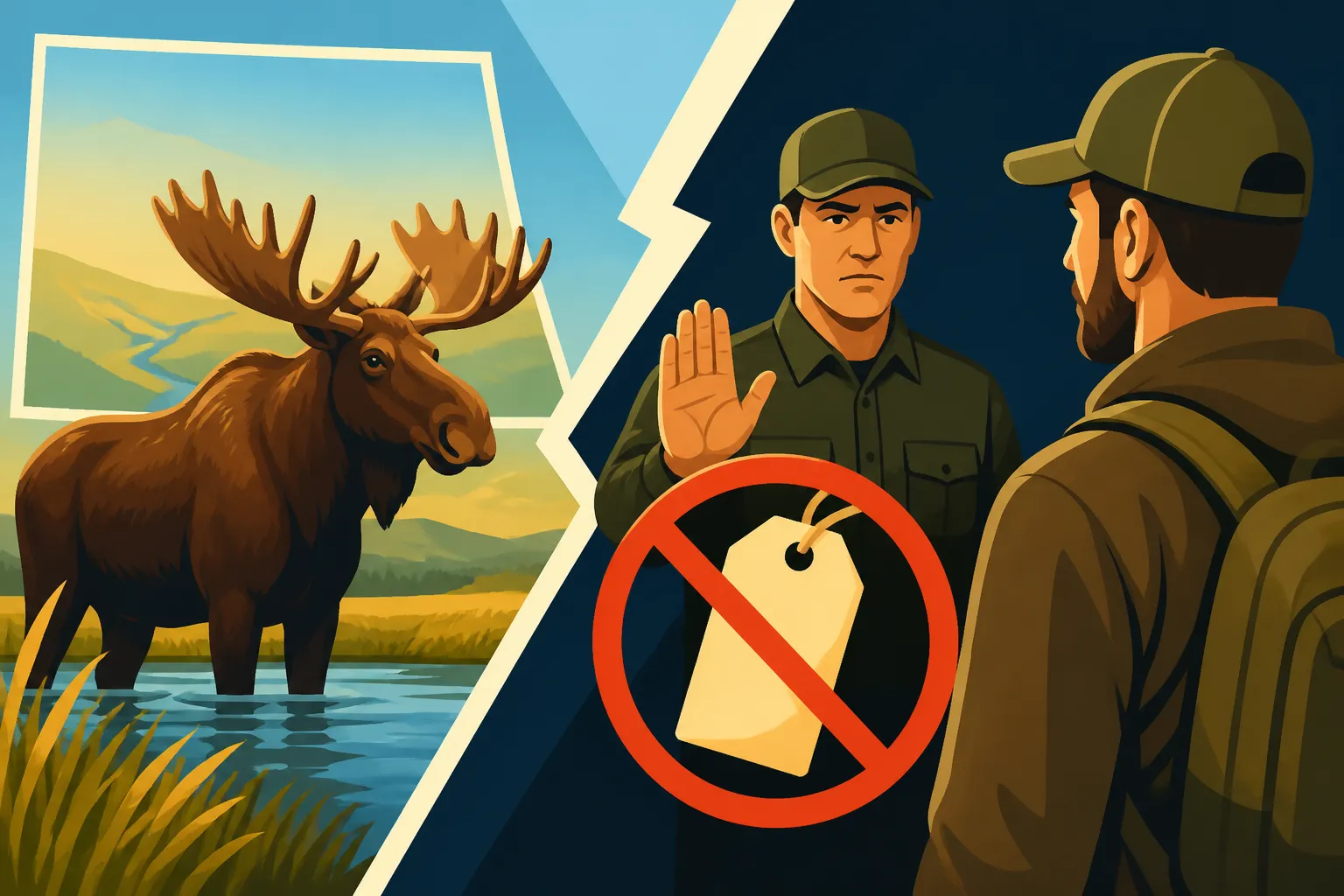
It's a common dream for many hunters, especially those new to the intricacies of North Dakota's unique big game system: you picture yourself on an epic moose hunt, so you start looking for a guide to book your adventure. But then, you hit a wall. You quickly realize that unlike a pheasant hunt or a fishing trip, you simply can't pick up the phone or hop online and book a guided North Dakota moose hunt without first holding that coveted tag in your hand. This guide will walk you through exactly why this is the case and what steps you need to take to maximize your chances for this incredible, once-in-a-lifetime experience.
The North Dakota Moose Lottery System Explained
The reason you can't just book a North Dakota moose hunt boils down entirely to how the state manages its moose population and allocates tags. It's a system built on exclusivity and careful conservation, making every tag drawn a truly special event.
The "Once-in-a-Lifetime" Reality
North Dakota's moose hunting program operates under a "once-in-a-lifetime" rule for residents. This isn't just a catchy phrase; it's a fundamental aspect of the hunt. If you're fortunate enough to draw a moose tag in North Dakota, that's your one shot at pursuing this magnificent animal within the state's borders for the rest of your life. This policy is in place to give as many resident hunters as possible a chance at this rare opportunity, given the state's smaller, carefully managed moose herd.
Because of this incredibly limited and exclusive nature, the entire approach to a North Dakota moose hunt is different from almost any other big game pursuit. It’s not about finding the best outfitter and then planning your trip; it’s about winning the lottery first, and then planning the trip of a lifetime. The sheer rarity of the opportunity means that outfitters simply cannot operate in the same way they might for, say, a waterfowl hunt where tags are readily available. It’s a privilege reserved for residents, and even then, only a handful each year. For more information on the resident-only nature of these hunts, check out Why Elk, Moose and Pronghorn Stay Resident-Only.
Application Process and Odds
To even have a chance at a North Dakota moose tag, you must be a resident of the state and apply through the North Dakota Game and Fish Department's annual lottery. This isn't a complex draw where you can gain preference points over years of applying, which is common in some other states for other species. For North Dakota moose, it's a pure lottery system, meaning every eligible applicant has the same chance each year they apply. The application period usually occurs in the spring, with results typically announced later in the summer.
The number of tags issued each year is extremely low, directly reflecting the size and health of the state's moose population. Consequently, the odds of drawing a tag are, understandably, quite slim. Thousands of hopeful resident hunters apply each year for a mere handful of tags. This scarcity is precisely why an outfitter cannot — and would not — book a hunt for you unless you've successfully navigated this lottery. It's simply too uncertain a proposition for both parties. Understanding the process starts with knowing North Dakota Moose Lottery Application Process.
Waiting for the Draw Results
The period between applying for a moose tag and the announcement of the draw results can be agonizing. Hunters check their mailboxes or online portals with bated breath, knowing that this one envelope or notification could change their hunting future forever. For most, the news is a polite refusal, a "better luck next year" message that sends them back to the drawing board for another year of waiting and hoping.
It's this inherent uncertainty that precludes outfitters from taking bookings. Imagine an outfitter filling their calendar with moose hunts, only for 99% of those clients to not draw a tag. It would be a logistical and financial nightmare. Furthermore, outfitters pride themselves on delivering a service, and they can't deliver a moose hunt if the client doesn't legally possess the right to pursue a moose. Their business model depends on working with hunters who have secured the necessary permits.
Why Outfitters Can't Guarantee a Moose Hunt Without a Tag
The structure of the moose lottery in North Dakota directly dictates how outfitters operate. It’s not a matter of choice or preference; it’s a necessary adaptation to the state's conservation and allocation policies.
Legal and Ethical Constraints
First and foremost, it's legally and ethically improper for an outfitter to accept payment or book a hunt for a moose tag that a hunter does not yet possess. North Dakota's hunting regulations are clear: you must have a valid tag to hunt moose. Selling a service for something that might not materialize is misleading at best, and potentially illegal at worst. Outfitters are licensed professionals, and their reputation, as well as their ability to maintain their license, depends on adhering strictly to game laws and ethical business practices.
A reputable outfitter will always prioritize the legality and integrity of the hunt. They will never promise a moose hunt before you've drawn your tag, because they literally cannot deliver on that promise. Their entire operation is built around facilitating a lawful hunt, and a missing tag makes that impossible. This is a stark contrast to other hunts, like a pheasant or waterfowl trip, where you can book well in advance because licenses are generally accessible over the counter or online.
Limited Tags, High Demand
The critical factor, as we've discussed, is the extreme limitation on moose tags. North Dakota's moose population, while healthy and managed, is relatively small compared to some other big game species. This means only a very select number of tags are issued each year to maintain sustainable herds. When you're dealing with only a couple dozen tags statewide, perhaps even fewer in some years, there's no way an outfitter can realistically "reserve" a hunt for someone who hasn't secured one of those precious permits.
Consider the economics: if an outfitter took a deposit from fifty hopeful hunters, knowing only one or two might actually draw a tag, the administrative burden of refunds and managing expectations would be immense. It simply isn't a viable business model. This scarcity is also why securing your tag becomes the single most important step in the entire process, overshadowing all other planning until it's accomplished. Learn more about the general population trends in North Dakota's Once-in-a-Lifetime Moose Herd.
Protecting the Hunter and the Outfitter
This system, while perhaps frustrating for those eager to plan, ultimately protects both the hunter and the outfitter. For the hunter, it prevents them from investing significant money into a hunt that may never happen. It ensures that when they do book, it's for a guaranteed, legal pursuit. You wouldn't want to spend hundreds or thousands on a deposit only to find out you didn't draw a tag and then have to chase a refund.
For the outfitter, it prevents logistical chaos and financial instability. They aren't tied up managing an endless stream of conditional bookings and refunds. Instead, they can focus their limited resources on serving the few, truly lucky hunters who do draw tags. This focused approach allows them to provide a higher quality, more dedicated experience for those hunters who have beaten the odds. While not directly about moose, the principles of booking are similar to What Happens If You Don't Draw Your Deer Tag for gun deer.
What to Do Before You Have a Moose Tag
Even though you can't book a guided hunt, there's plenty you can do to prepare yourself for the day you do draw that coveted tag. Being proactive in your research and planning can make all the difference when your name finally gets called.
Researching Potential Outfitters
Just because you can't book doesn't mean you can't research! This pre-draw phase is the perfect time to investigate potential outfitters who do offer guided moose hunts for successful lottery applicants. Look into their reputation, experience, and the services they provide. While you won't find North Dakota moose hunt packages widely advertised on general booking platforms due to the "once-in-a-lifetime" nature, some specialized platforms like GoHunt might offer insights into draw odds and unit data, which can indirectly help you identify areas where outfitters might operate if you're researching potential hunt units.
You'll want to find guides who specialize in the North Dakota terrain where moose are found, particularly in the state's river bottoms and timber pockets. Look for testimonials from past clients (if applicable for moose, which is rare) or at least their general big game guiding philosophy. Compile a shortlist of outfitters you'd contact immediately if you drew a tag. This initial research will save you precious time when the pressure is on.
Understanding Moose Habitat and Behavior
The more you know about moose, the better equipped you'll be to make informed decisions when you do draw your tag. Dive deep into learning about Moose and Bighorn Sheep Hunting in North Dakota, specifically focusing on moose. Understand their preferred habitat, such as dense willow thickets along river systems, marshy areas, and specific timbered regions. Learn about their seasonal movements, diet, and vocalizations. This knowledge won't just make you a better hunter; it will also help you communicate more effectively with your guide once you book, as you'll already have a foundational understanding of the challenges and strategies involved.
Consider studying maps of prime moose areas, such as the Turtle Mountains, the Pembina Hills, and river corridors like the Souris River. Understanding Where North Dakota Moose Concentrate will give you a leg up, allowing you to ask more pointed questions of potential guides and understand their proposed hunting strategies. This self-education is a powerful tool in your preparation arsenal.
Financial Planning and Realistic Expectations
A guided moose hunt is a significant investment, even after you've secured the tag. Before you even apply for the lottery, it's wise to start thinking about the potential costs involved beyond just the license fee. This includes the guide fee, travel expenses, gear upgrades, meat processing, and taxidermy. Having a realistic financial picture in mind will prevent sticker shock if you are one of the lucky few.
Use this pre-draw period to budget. Understand that a quality guided hunt provides immense value through local expertise, equipment, and logistical support. Don't go into it expecting a cheap adventure. Also, manage your expectations regarding drawing a tag. It's a true lottery, and while it's fantastic to dream, recognize that the odds are long. This makes the eventual success even sweeter, but prevents prolonged disappointment if it doesn't happen this year.
Booking Your Hunt After Drawing a Tag
Congratulations! You've drawn the golden ticket. Now, the real planning for your North Dakota moose hunt begins, and it's time to put all that pre-draw research to good use.
The Race to Book
Once you receive confirmation that you've drawn a North Dakota moose tag, the clock starts ticking. While it's not a frantic rush for every single guide, the best and most sought-after moose hunting guides will fill their limited slots quickly. Remember, these guides might only take a couple of moose hunters per season due to the rarity of tags and the intensity of the hunt.
Immediately contact the outfitters on your shortlist. Be ready to discuss your specific tag details, preferred hunting style, and any dates that work for you within the season. Some outfitters might have a waiting list for drawn hunters, so it pays to have established contact with a few beforehand. You'll find resources that discuss Booking a Guide for a Moose Tag You Drew to help you navigate this critical phase. Don't delay; securing a quality guide is almost as important as drawing the tag itself for maximizing your experience.
Tailoring Your Hunt Experience
When you finally connect with an outfitter, it’s your chance to tailor the hunt to your preferences. Discuss the type of hunt they offer. Is it a fully guided experience where they handle everything from scouting to tracking? Or perhaps a semi-guided option where you have more independence but still benefit from their knowledge and equipment? For an animal like a moose, especially in North Dakota's dense cover, a fully guided hunt is often the most productive and safest option.
Ask detailed questions: What's included in their package? Lodging, meals, transportation in the field, field dressing, caping? What is their typical success rate for moose hunters (though remember, success rates for rare, lottery tags can fluctuate widely year to year)? What terrain do they typically hunt? What kind of physical shape do you need to be in? This is also when you'd discuss specific logistics like Picking Out a Bedded Moose in Willow Cover and how they plan to approach various scenarios.
Preparing for Your Once-in-a-Lifetime Adventure
With your guide booked, the focus shifts to personal preparation. A North Dakota moose hunt, while potentially less physically demanding than some mountain hunts, still requires a reasonable level of fitness. You'll likely be navigating heavy cover, wet terrain, and potentially cold weather. Start a fitness regimen that includes walking with a pack, climbing, and general endurance training.
Beyond physical preparation, ensure your gear is in top condition. This includes appropriate clothing layers, durable waterproof boots, and reliable optics. Work with your guide on weapon choice and ammunition – they often have insights into what performs best in their specific hunting areas. This is truly a What a Once-in-a-Lifetime Moose Tag Means hunt, so approach it with the seriousness and preparation it deserves. The more prepared you are, the more you’ll enjoy the experience, regardless of the outcome.
Alternative Strategies and Long-Term Approach
The journey to a North Dakota moose hunt is often a multi-year endeavor. While drawing a tag is the ultimate goal, it's worth considering your long-term strategy and other avenues within North Dakota's diverse hunting landscape.
The Power of Persistence
For North Dakota residents, the primary strategy for a moose hunt is persistence. You apply every year, hoping that this will be the year. There's no secret formula, no way to game the system; it's a pure lottery. Many hunters apply for decades before finally drawing a tag. So, if you're a resident, ensure you mark the application deadlines on your calendar each spring and consistently submit your application. It’s a marathon, not a sprint, and every application is a step closer to that potential life-changing email or letter.
Beyond simply applying, staying informed about the health of North Dakota's moose population and any changes to management practices can be beneficial. For instance, understanding issues like North Dakota Moose Winter Tick Impact can provide context for tag numbers and herd health, though these generally don't change the application process itself. The key is consistent, hopeful participation in the lottery.
Self-Guided Moose Hunting Considerations
If you're one of the fortunate few to draw a North Dakota moose tag and prefer a more independent experience, a self-guided hunt is certainly an option. However, it comes with its own set of significant challenges. Moose often inhabit incredibly dense, unforgiving terrain – river bottoms choked with willows, thick timber, and marshy areas. Navigating these environments, let alone locating and recovering a moose, requires extensive local knowledge, specialized gear, and a high level of preparedness.
For a self-guided approach, scouting becomes paramount. You'd need to dedicate significant time before the season to locate potential moose sign, understand travel corridors, and identify recovery routes. Equipment like GPS, robust game carts, and possibly even a boat for river access would be crucial. Many successful self-guided moose hunters spend years learning specific areas, building their knowledge base, and understanding game movements intimately. For those considering this, resources on techniques like Glassing for Moose in River Bottom Willows can be helpful.
Exploring Other Guided Opportunities in North Dakota
While the moose hunt remains an elusive dream for most, North Dakota offers a plethora of other incredible guided hunting opportunities that are far more accessible. If you're a nonresident or just looking for a more immediate hunting adventure, consider diversifying your pursuits.
For instance, North Dakota is legendary for its upland bird hunting. You can readily book a Booking a Guided North Dakota Pheasant Hunt without the lottery hurdle. The state's waterfowl hunting is world-class, and finding a Booking a North Dakota Waterfowl Guide for ducks or geese on the prairie potholes or major lakes is straightforward. Even for deer, while gun tags are also lottery-based for residents, nonresident archery deer tags are generally available, allowing you to book a Booking a North Dakota Deer Hunt with a guide on private land without needing to draw a lottery tag (though nonresidents have specific public land access restrictions early in the archery season). These readily available guided hunts provide fantastic experiences while you patiently await that once-in-a-lifetime moose tag.
| Hunt Type | Tag Requirement (ND) | Guides Typically Book | Pre-Draw Research/Booking |
|---|---|---|---|
| Pheasant | General license, readily available | Yes | Yes |
| Waterfowl | General license, readily available | Yes | Yes |
| Whitetail Deer | Archery (nonresident public land restrictions apply), gun (resident lottery) | Yes (once tags are secured) | Yes (outfitter research) |
| Moose | Resident-only lottery, once-in-a-lifetime tag | Yes (once drawn) | Research outfitters, but no booking |
| Elk | Resident-only lottery, once-in-a-lifetime tag | Yes (once drawn) | Research outfitters, but no booking |
| Pronghorn | Resident-only lottery, once-in-a-lifetime tag | Yes (once drawn) | Research outfitters, but no booking |
Disclaimer
This article is for general informational purposes only and does not constitute professional advice. Laws, prices and regulations vary by location and change over time. Consult a qualified professional for guidance on your specific situation.