Booking a Nonresident Archery Hunt on Private Land
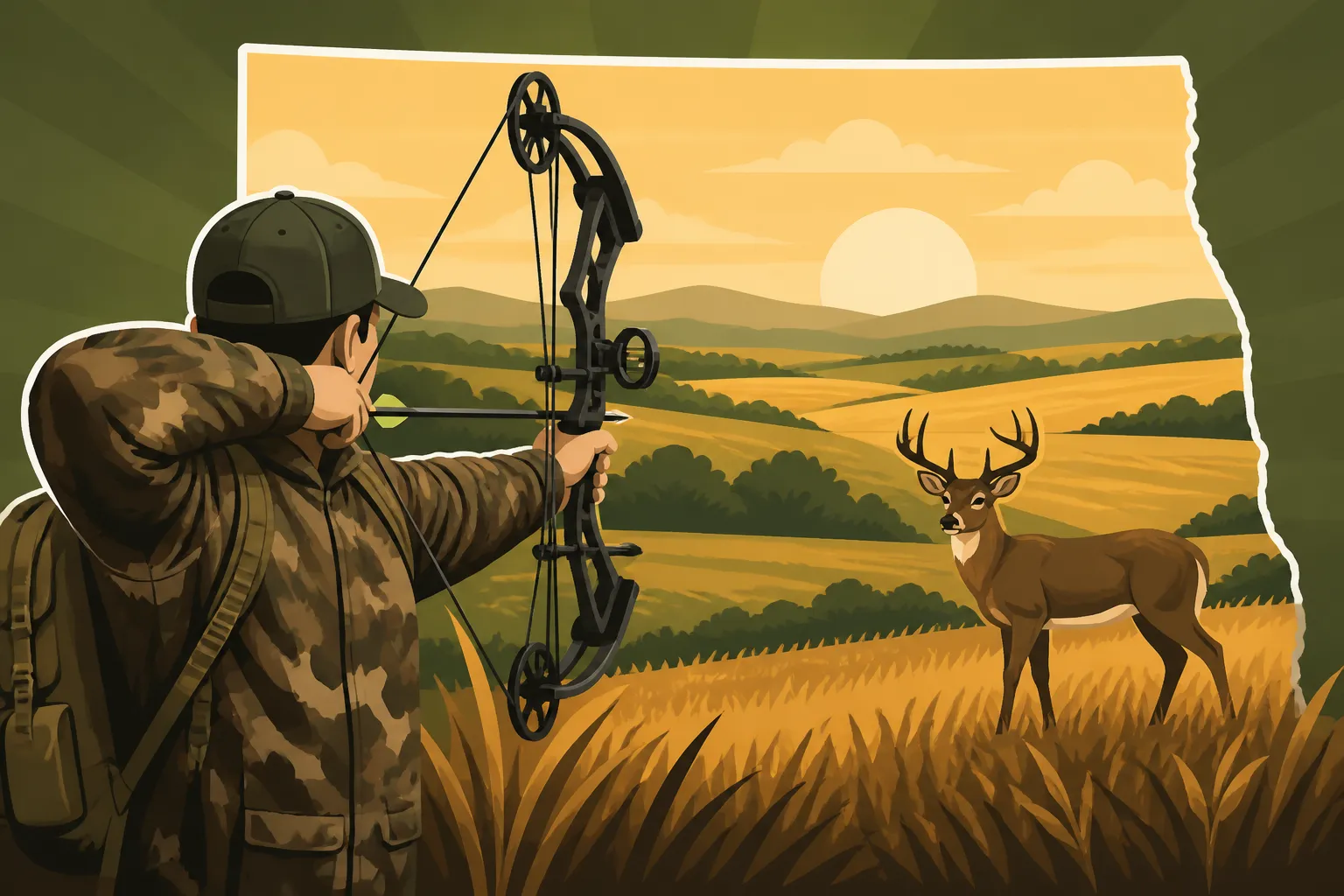
Trying to plan a nonresident archery hunt in North Dakota can often feel like you're trying to solve a complex puzzle, especially when you start digging into public land access rules. Many out-of-state bowhunters quickly realize that securing private ground might just be the smoothest path to a successful and enjoyable experience. This comprehensive guide is designed to clarify the nuances and provide actionable strategies for every nonresident archer looking to book a fantastic hunt on private land across North Dakota.
Understanding North Dakota's Nonresident Archery Landscape
North Dakota holds a special allure for bowhunters, with its diverse landscapes ranging from the rugged Badlands to the vast prairie potholes. However, for nonresidents, simply showing up with a bow and a dream often runs into some specific access limitations, particularly concerning public land. Understanding these foundational rules is critical before you even begin your search for private ground.
The Private Land Advantage for Nonresidents
For many nonresident archers, private land isn't just an option; it's often the most practical and rewarding avenue for hunting in North Dakota. The primary reason for this preference stems from regulations that impact public land access for non-residents. During the initial nine days of the archery season, nonresidents are restricted to hunting only on private land. This immediately channels a significant portion of the nonresident hunting effort towards properties where permission has been secured. Beyond this initial period, while public land becomes accessible, private land still offers distinct advantages. These often include reduced hunting pressure, better quality game, and more flexibility in setting up stands or blinds without competing for prime spots. On private ground, you're often dealing with deer that haven't been pushed and prodded by dozens of other hunters, leading to more natural movement patterns and better opportunities for a mature buck. It also allows for a much more controlled and personalized hunting experience, which can be invaluable for a successful archery hunt.
Public Land Restrictions for Nonresidents
The aforementioned public land restriction for nonresidents during the early archery season is a significant hurdle that often catches hunters off guard. Specifically, during the first nine-and-a-half days of the archery deer season, nonresidents are only permitted to hunt deer on private land for which they have written permission. This rule is designed to prioritize resident hunter access during a crucial early season period, including the opening weekend. Even after this initial period, when nonresidents can access public lands like PLOTS (Private Land Open To Sportsmen) areas or National Grasslands, these areas can face considerable hunting pressure, especially for species like deer.
Imagine flying in for opening weekend, only to realize your public land plans are completely dashed, or finding your carefully scouted public honey hole is already occupied by several other hunters. This scenario is unfortunately common for those unaware of or unprepared for the nonresident public land restrictions. These restrictions make securing private land access not just beneficial, but almost a necessity for nonresidents hoping to make the most of their early season opportunities. It's a stark contrast to many other states where public access is broadly available from day one. You can read more about How Many Days Nonresidents Wait for Public Land Bow Access to fully grasp this limitation.
Navigating License Requirements
Before you even think about knocking on a farmer's door or scouting a piece of private ground, you absolutely must understand North Dakota's hunting license requirements for nonresidents. It's not as simple as buying one license and being done. As a nonresident, you'll need a general game and habitat license, often referred to as a "base license," in addition to your archery deer license. This base license is foundational and supports wildlife conservation efforts across the state. Without it, your deer license is invalid.
The process typically involves applying online through the North Dakota Game and Fish Department's portal. It's crucial to be aware of application deadlines, especially if there's any lottery component or limited tag allocation, although archery deer licenses are generally available over the counter or online without a lottery system for nonresidents. However, understanding the overall fee structure is important, so looking into topics like North Dakota Nonresident Base License Cost can help you budget appropriately. Always double-check the current regulations for any changes or additional stamps, like migratory bird stamps, if you plan to hunt other species while you're there. Carrying proof of your license, whether a physical copy or on your phone via the official app, is mandatory in the field.
Finding Private Land Access: Strategies for Nonresident Archers
The quest for private land access can feel daunting from out of state, but with the right approach and a mix of traditional and modern strategies, it's entirely achievable. Success often hinges on persistence, respect, and effective communication.
Direct Outreach to Landowners
The most time-honored and, arguably, most effective method for securing private land access is direct outreach to landowners. This often starts with identifying potential properties. Plat books, which are typically available through county offices or online, can help you pinpoint land ownership. Once you have a name and a potential property, the real work begins. Many hunters prefer a face-to-face approach, if feasible. Driving through an area you're interested in, observing properties, and stopping to talk to farmers in person can build instant rapport. Always be polite, introduce yourself clearly, state your intention (to bowhunt for deer), and ask if they allow hunting.
If an in-person visit isn't practical, a well-crafted letter or a polite phone call can also work. In your communication, clearly convey your respect for their property, your commitment to safety, and your understanding of any rules they might have. Offer to help with chores or provide a small gift in exchange for access, though this is not always necessary, nor should it be the primary driver. Emphasize your quiet, low-impact archery method, which often appeals to landowners who might be wary of gun hunters or large groups. Remember, you're asking for a privilege, not asserting a right. Building a positive relationship is paramount, as a good experience this year can lead to future access. Understanding North Dakota Trespass and Permission Law is also crucial, as it dictates what constitutes legal access and what is considered posted land.
Utilizing Online Platforms and Scouting Tools
In today's digital age, hunters have a wealth of online resources at their fingertips to aid in finding private land access. Websites dedicated to connecting hunters with landowners and outfitters have emerged, acting as valuable intermediaries. Platforms like BookYourHunt.com provide listings for various guided and unguided hunts, often including private land opportunities specifically for archery. You can filter by species, location, and hunt type, potentially finding a landowner or outfitter who has already established a system for managing hunting access on their property. This can be a streamlined way to find legitimate opportunities without the extensive legwork of direct outreach.
Beyond booking sites, advanced mapping and scouting tools are indispensable. Services like GoHunt.com (with their detailed mapping and data layers) can help you identify land ownership boundaries, analyze habitat features, and even research potential game densities in an area. By layering information like aerial photography, topographical maps, and public/private land designations, you can scout potential hunting areas from your home. This allows you to identify key deer habitat on private parcels, visualize potential entry and exit routes, and then approach landowners with a more informed plan. While these tools won't grant you permission, they significantly enhance your ability to target the right landowners with compelling properties and present a well-thought-out request. Leveraging these modern resources can save countless hours of driving and knocking on doors, making your search more efficient and targeted. You might also consider using the onX Layers for North Dakota Land Status to get precise property boundary information.
Networking and Referrals
Sometimes, the best access comes not from a cold call, but from a warm introduction. Networking within the hunting community can open doors you didn't even know existed. Attend hunting expos, join online forums dedicated to North Dakota hunting, or connect with other hunters who have experience in the state. They might share insights, lead you to an outfitter they've used, or even know a landowner willing to grant permission. North Dakota has a strong hunting culture, and friendly relationships can be invaluable.
Don't underestimate the power of word-of-mouth. If you've hunted in North Dakota before and been a respectful guest, a landowner might refer you to a neighbor who also allows hunting. Similarly, if you utilize a service like BookYourHunt for one trip and have a great experience with a particular outfitter, they might offer other opportunities or connections for future hunts. Building a positive reputation as a responsible hunter can pay dividends over the years, turning a one-time hunt into a recurring tradition. These personal connections often lead to the most consistent and highest-quality hunting experiences, as trust is already established.
Securing Permission and Building Relationships
Once you've identified a promising piece of private land and made contact with the landowner, the next steps are crucial. It's not just about getting a "yes"; it's about establishing a relationship built on trust and mutual respect. This foundation ensures a pleasant hunting experience for you and peace of mind for the landowner.
What to Discuss When Asking for Access
When you get the opportunity to speak with a landowner, be prepared to discuss more than just whether you can hunt. Approach the conversation with professionalism and clarity. Start by introducing yourself and explaining your interest in bowhunting deer on their property. Clearly state your specific intentions: how many people will be hunting, what dates you're interested in (e.g., North Dakota Archery Season Opening Day), and what your general hunting style involves (e.g., quiet, single-hunter setups, tree stands).
It's vital to inquire about any specific rules or concerns they might have. Do they have livestock you need to be mindful of? Are there areas off-limits due to their farming operations or personal use? What are their expectations regarding gates, fences, and respect for crops? Discuss vehicle access—where can you park, and can you drive on specific trails? Offer to share your contact information and provide references if requested. Be open to their suggestions and demonstrate flexibility. By showing you are responsible and considerate, you significantly increase your chances of securing permission. Remember, a landowner is entrusting you with their private property, and demonstrating a thoughtful, organized approach goes a long way.
Crafting a Written Agreement
While a verbal agreement might suffice for some, a written agreement is always a wise decision for both the hunter and the landowner. This doesn't need to be a complex legal document; a simple, clear, and signed letter of permission can prevent misunderstandings down the road. This document should explicitly state who has permission to hunt, the specific dates for which permission is granted, and the exact boundaries of the hunting area. It should also specify the species being hunted (e.g., deer) and the allowed methods (e.g., archery only).
Additionally, the agreement can outline any specific conditions or expectations set by the landowner, such as no trespassing in certain fields, proper gate closing procedures, or limitations on vehicle use. It's also a good idea to include contact information for both parties. A written agreement provides clarity and a tangible record, which is especially beneficial for nonresidents traveling a long distance. In the rare event of a dispute or misunderstanding, having a signed document provides a clear reference point. This professionalism reassures the landowner that you take their property and their trust seriously.
Ethical Considerations and Respectful Hunting
Securing private land permission comes with a significant responsibility to act as an ethical and respectful hunter. This goes beyond simply following the law; it's about upholding the unwritten code of conduct that fosters positive landowner-hunter relationships. Always treat the landowner's property as if it were your own, or even better. Close all gates, avoid driving off established tracks unless specifically permitted, and never litter. Take out everything you bring in, including your trash, spent broadheads, and any flagging tape.
Respect livestock and crops. If you see an issue, such as a downed fence or cattle escaping, immediately notify the landowner. Be mindful of quiet hours and avoid disturbing their home or operations. If you're successful, offer to share some of your venison as a gesture of gratitude. Follow all North Dakota hunting regulations to the letter, including proper tagging and reporting of your harvest. A good relationship means communicating any issues promptly and leaving the property in as good, if not better, condition than you found it. Your actions reflect not only on you but on all hunters, so setting a positive example is crucial for maintaining and expanding private land access for everyone.
Planning Your Private Land Archery Hunt
Once you've secured that coveted private land permission, the real planning for your archery hunt begins. This phase involves meticulous preparation, from understanding the terrain to ensuring your personal comfort and safety throughout your trip.
Pre-Season Scouting and Trail Camera Placement
Effective pre-season scouting is paramount for an archery hunt, especially on new private ground. If geographically possible, a dedicated scouting trip a few weeks or months before the season can provide invaluable insights. During this trip, you'll be looking for deer sign such as rubs, scrapes, and bedding areas. Identify natural funnels, pinch points, and food sources that deer are likely to use during your hunting period. Pay close attention to prevailing wind directions and how thermals might behave in different areas, particularly in varied terrain like the Badlands. Tools like the GoHunt mapping system can be invaluable for identifying these features from afar, but boots on the ground confirm their validity.
Trail cameras are your eyes in the woods when you're not there. Place them strategically on travel corridors, near food plots, or on scrape lines to get an inventory of the deer using the property and to understand their movement patterns. This intelligence will help you determine optimal stand locations and the best times to hunt. Always discuss trail camera placement with the landowner beforehand to ensure you're not interfering with their operations or causing any inconvenience. Respect their wishes regarding camera placement and retrieval. If an in-person scouting trip isn't possible, detailed aerial photos and topo maps, combined with game camera intelligence from the landowner, become even more critical.
Accommodation and Logistics
Hunting in North Dakota as a nonresident means planning for more than just the hunt itself; it means planning your entire stay. Consider your accommodation options. Will you camp on the landowner's property (with explicit permission), stay in a local motel, or rent a cabin? Weigh the pros and cons of each in terms of cost, convenience, and comfort. If you're staying in a town, research its distance to your hunting ground, as driving significant miles each day can cut into hunting time and add to fatigue.
Think through all your logistical needs. How will you get your gear to North Dakota? If flying, remember regulations for transporting archery equipment and broadheads. Will you need a rental vehicle, and if so, does it have enough clearance for potential rough farm roads? Plan for food, water, and any other supplies you'll need. Consider how you'll handle a successful harvest: Do you have a plan for field dressing, transport, and processing your deer? Local locker plants often get busy during deer season, so research options in advance. Having a clear plan for these practicalities will reduce stress and allow you to focus more on the hunt itself. Looking into North Dakota Deer Camp Traditions can give you an idea of the community and practicalities involved.
Preparing for North Dakota's Archery Season
North Dakota's archery season can span a wide range of weather conditions, from warm, early-fall days to bitter late-season cold. Your gear and preparation need to reflect this variability. Ensure your archery equipment is tuned, and you've practiced extensively at varying distances and from different positions (e.g., tree stand height). Pack layers of clothing appropriate for warm mornings, cool afternoons, and potential cold fronts. Even early in the season, North Dakota weather can turn quickly. Waterproof outer layers are a must.
Beyond your hunting gear, consider safety equipment. A first-aid kit, communication devices (and knowledge of areas with limited cell service), and a quality headlamp are essential. Familiarize yourself with local game laws, including specific unit restrictions, tagging requirements, and how to report your harvest. Knowing when North Dakota Archery Season Opens and the general timeline of the rut (like Hunting the Rut in Early-to-Mid November) will help you strategize your hunt dates. Being physically prepared for walking across fields, climbing into stands, and potentially dragging a deer out of a coulee is also key. A well-prepared hunter is a safe and successful hunter.
| Feature | Nonresident Private Land Archery Hunt | Nonresident Public Land Archery Hunt (Post-Restriction) |
|---|---|---|
| Initial Access (First 9 Days) | Permitted with written permission | Restricted (Not allowed for deer) |
| Hunting Pressure | Generally lower, more controlled | Can be high, especially on popular areas |
| Game Quality/Opportunity | Often higher due to less pressure | Variable, can be good but competitive |
| Flexibility/Control | High, specific rules with landowner | Limited by public land regulations and other hunters |
| Scouting | Direct access with permission | Remote scouting, then on-site competition |
| Relationship Building | Direct with landowner, ongoing | None, anonymous experience |
| Cost | Potentially higher (lease/guide fees) | Generally lower (license fees only) |
| Written Permission | Essential and often required | Not applicable, general public access rules apply |
Disclaimer
This article is for general informational purposes only and does not constitute professional advice. Laws, prices and regulations vary by location and change over time. Consult a qualified professional for guidance on your specific situation.