Multi-Day North Dakota Pheasant Lodge Packages
Planning a multi-day pheasant hunting trip to North Dakota can feel like orchestrating a symphony, especially when you're trying to coordinate travel, lodging, guides, and all the logistics for a group. It's a fantastic dream, full of wide-open prairies and cackling roosters, but the practicalities can quickly become overwhelming. This guide is here to simplify that process, walking you through everything you need to know about booking and enjoying multi-day North Dakota pheasant lodge packages, ensuring your focus stays on the hunt, not the headaches.
Understanding North Dakota Pheasant Lodge Packages
For many hunters, the idea of a lodge package conjures images of rustic luxury, delicious food, and prime hunting access without all the grunt work. In North Dakota, these packages often deliver just that, providing a comprehensive solution for those looking to maximize their time in the field and minimize the stress of planning. They're designed to wrap up most of your hunting trip's necessities into one convenient booking, ideal for groups, families, or even solo hunters looking for a community experience.
What's Typically Included in a Lodge Package?
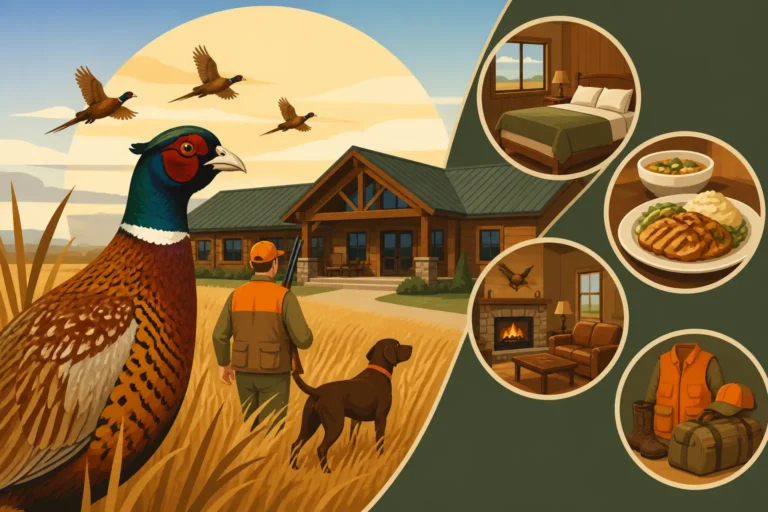
When you’re looking at different lodges, the "package" part can vary quite a bit, which is why it’s so important to dig into the details. Generally, a multi-day pheasant lodge package in North Dakota aims to cover the main components of your trip beyond your license and personal gear. You can typically expect lodging for a set number of nights, which might be in a dedicated lodge, a cabin, or even a converted farmhouse. The meals are usually a huge draw – think hearty breakfasts before the hunt, sack lunches in the field, and delicious, often home-cooked, dinners after a long day. Many lodges pride themselves on their culinary offerings, sometimes even featuring wild game.
Guided hunting is almost always central to these packages. This means experienced guides who know the local terrain, understand pheasant behavior, and have access to prime hunting ground, whether it's through private land agreements or extensive knowledge of public lands like those enrolled in the PLOTS Program Explained. They'll often provide well-trained hunting dogs, which can be a game-changer for pheasant retrieval. Transportation to and from hunting fields is also a common inclusion, relieving you of the need to navigate unknown gravel roads in your own vehicle. Don't forget the bird processing and packaging, too; many lodges offer to clean and freeze your birds, making the journey home much easier.
The Different Styles of Lodge Experiences
Just like there are different types of hunters, there are different types of pheasant lodges in North Dakota. You might find a high-end, resort-style lodge offering luxurious accommodations, gourmet meals, and a suite of amenities like hot tubs, game rooms, or even professional masseuses. These often cater to corporate groups or those seeking a more pampered experience after a day in the field. On the other end of the spectrum, you'll find more rustic, family-run operations where the focus is squarely on the hunting and the camaraderie. These places often feel like home away from home, with communal dining and stories shared around a crackling fire.
There are also lodges that specialize in certain types of hunting or habitats. Some might focus on vast expanses of native prairie and CRP fields, offering challenging hunts over big country. Others might have access to more timbered river bottoms or shelterbelts, providing a different style of pheasant hunting. Some lodges even offer multi-species packages, combining pheasant hunting with opportunities for Duck and Goose Hunting North Dakota's Potholes or even Fall Turkey Hunting in North Dakota depending on the season and available tags. Understanding these differences helps you match your expectations and preferred hunting style with the right lodge.
Who Benefits Most from a Lodge Package?
Pheasant lodge packages are a fantastic option for a variety of hunters, but they especially shine for certain groups. Nonresident hunters, in particular, often find them invaluable. Navigating a new state's regulations, finding reliable hunting ground, and securing accommodations can be a huge undertaking, and a lodge package streamlines all of that. It takes the guesswork out of where to go and how to hunt effectively, especially when considering How Many Days Nonresidents Wait for Public Land Bow Access or understanding access rules.
Groups of friends or family also benefit immensely. Instead of each person trying to book their own lodging and coordinate meals, a package ensures everyone is together, fed, and ready to hunt. It fosters a great sense of camaraderie without the planning burden falling on one individual. Newer hunters or those less familiar with pheasant hunting also gain a lot from the guided experience. The guides not only lead them to birds but also teach them valuable techniques for Walking a Pheasant Field at Midday or working with dogs, greatly enhancing their learning curve and success. Even experienced hunters who just want to relax and enjoy the hunt without any of the logistical hassles find these packages highly appealing.
Navigating Package Costs and What to Expect
Let's be real, investing in a multi-day pheasant lodge package is a significant decision, and the cost is a major factor for most people. It’s a bit like buying a car; there are base models and luxury trims, and everything in between. The key is understanding what drives those costs and how to ensure you're getting good value for your hard-earned money. Don't go into this expecting a cheap getaway; you're paying for expertise, access, convenience, and a high-quality experience.
Factors Influencing Lodge Package Pricing
The price of a multi-day North Dakota pheasant lodge package can fluctuate wildly based on several elements. First, the duration of your stay and the number of hunting days are obvious factors. A three-day hunt with four nights of lodging will naturally cost less than a five-day hunt. Second, the amenities offered play a huge role. A lodge with luxury suites, a full-service bar, and a dedicated chef will command a higher price than a more modest setup with basic cabins and home-style cooking. The guide-to-hunter ratio also matters; a smaller, more personalized group with a dedicated guide often means a higher per-person cost.
Another significant factor is the exclusivity of the hunting ground. Lodges that have secured long-term leases on prime private land, especially those with exceptional habitat or consistent bird numbers, often factor that access into their pricing. This is particularly relevant given concerns about Hunting Pressure on North Dakota Public Land. The time of year can also influence cost; opening weekend and prime dates in the middle of the season might be priced at a premium due to high demand. Finally, extra services like bird processing, taxidermy preparation, or airport transportation will either be included in a higher package price or offered as add-ons.
What "All-Inclusive" Really Means (and Doesn't)
When you see "all-inclusive" plastered across a lodge's website, it sounds fantastic, right? But in the hunting world, "all-inclusive" can be a bit of a movable target. Generally, it means your lodging, meals, guided hunts, dogs, field transportation, and basic bird processing are covered. This is the core value proposition of most lodge packages. However, it rarely includes absolutely everything.
What's typically not included? Your hunting license and any necessary stamps (like a federal duck stamp or state migratory bird certification) are almost always separate, and you'll need to purchase those yourself. Ammunition, personal hunting gear (like your shotgun, boots, and blaze orange apparel), and alcoholic beverages are also usually extra. Many lodges have a policy about providing alcoholic drinks, but it's best to confirm beforehand. Gratuities for your guides and lodge staff are definitely not included in the package price, and we'll discuss that more later. So, while "all-inclusive" takes care of most major expenditures, always assume there will be some out-of-pocket costs on top of the package price.
Understanding Deposits, Balances, and Cancellation Policies
Booking a multi-day lodge package isn't like booking a hotel room; there's a more involved financial commitment upfront. Most lodges require a significant non-refundable deposit to secure your dates, often 50% of the total package price. This deposit helps them manage their schedule and operational costs. The remaining balance is typically due a certain number of days or weeks before your arrival, sometimes 30, 60, or even 90 days out. Make sure you understand these deadlines to avoid losing your booking.
Cancellation policies are crucial to review carefully. Life happens, and sometimes plans change. Lodges usually have strict rules regarding cancellations due to the limited number of prime hunting dates. Many will offer to rebook you for a future date if you cancel far enough in advance, but full refunds are rare, especially for non-refundable deposits. Consider travel insurance, particularly for nonresident hunters making a substantial investment, to protect yourself against unforeseen circumstances like illness, travel delays, or other emergencies that might force a cancellation. Always get these policies in writing and read the fine print before putting down your deposit.
Choosing the Right Lodge for Your Group
With so many excellent outfitters and lodges throughout North Dakota's pheasant country, picking the perfect one for your multi-day trip can feel like finding a needle in a haystack. It's a decision that will shape your entire experience, so taking the time to research and ask the right questions is paramount. This isn't just about finding a place with birds; it's about finding a place that aligns with your group's style, expectations, and budget.
Group Size and Lodge Accommodations
The size of your hunting party is one of the first things to consider. Are you planning a solo trip, a father-son outing, or a large corporate retreat? Lodges vary greatly in their capacity and the types of accommodations they offer. Some smaller, more intimate lodges might only host one group at a time, providing a highly personalized experience. Others are set up to handle multiple groups simultaneously, which can be fun for meeting other hunters but might mean less individualized attention.
Think about the sleeping arrangements: do you prefer private rooms, or are you comfortable with shared bunkhouse-style lodging? Some lodges cater specifically to groups by offering private cabins or suites within a larger lodge building. Always confirm how many hunters can comfortably be accommodated in your chosen package and what the sleeping arrangements entail. Don't be shy about asking for photos of the rooms or common areas, and inquire about any shared amenities to ensure they meet your group's comfort level. For larger groups, booking well in advance, sometimes a year or more, is absolutely critical to secure the dates and accommodations you need.
Balancing Location, Habitat, and Hunt Style
North Dakota is a vast state, and while pheasants are widespread, some areas are known for higher bird densities and specific types of habitat. You'll find prime pheasant country across the prairie pothole region, especially near agricultural fields and dense cover. When researching, think about what kind of hunt your group desires. Do you want to walk miles of CRP and native grass, or prefer hunting smaller shelterbelts and slough edges? Consider what areas historically have North Dakota Pheasant Harvest Numbers that align with your expectations.
| Factor | Preference Example 1 (Big Country) | Preference Example 2 (Farm Edges) |
|---|---|---|
| Terrain | Vast native prairie, large CRP fields, rolling hills | Shelterbelts, creek bottoms, cattail sloughs, standing crop fields |
| Pace | Long walks, covering lots of ground, physical challenge | Shorter, more strategic pushes, working tight cover |
| Dog Work | Dogs covering large areas, pointing distant birds | Dogs working close, flushing tight pockets of birds |
| Bird Density | Might be more spread out, but pockets of high density | Often concentrated in specific cover, predictable patterns |
| Region Focus | Western/Central North Dakota, larger tracts of public land | Eastern/Southeastern North Dakota, more intense agriculture |
| Challenge | Physically demanding, requiring endurance | Strategic planning, understanding bird escape routes |
The type of habitat often dictates the hunting style, so a lodge with access to diverse cover might offer a more varied experience. Some lodges even have heated dog kennels, cleaning stations, and skeet ranges for tuning up before the hunt or enjoying downtime. For those interested in Running Pointing Dogs on North Dakota Pheasant, ensure the lodge's hunting areas are suitable for that style. A good outfitter will be transparent about their hunting ground and average bird numbers.
Vetting Lodges: Questions to Ask and Red Flags
This is where your detective hat comes on. Don't just book the first lodge you find online. Start by checking out their websites, social media, and any online reviews on platforms like BookYourHunt or GoHunt. These platforms can offer valuable insights from past clients. Beyond that, pick up the phone and talk to the outfitter directly. Ask specific questions:
- What's the typical guide-to-hunter ratio?
- What kind of terrain will we be hunting? Is it primarily private land, PLOTS Program Explained land, or a mix?
- Are dogs provided, or can we bring our own? If bringing your own, are there kennel facilities?
- What are the exact inclusions and exclusions in the package price? Get a detailed breakdown.
- Can you provide references from past clients? This is crucial. A reputable outfitter will happily provide contact information for recent hunters.
- What's your policy if weather conditions are unfavorable? (e.g., heavy snow, extreme cold, or unexpected thaws that make hunting difficult). What Happens If Weather Cancels Your Hunt is a real concern.
- Do you operate under the appropriate North Dakota Outfitter License Requirements? Always confirm they are legally licensed.
Red flags to watch out for:
- Vague answers to specific questions: If they can't give you clear answers about inclusions, pricing, or hunting areas.
- Over-the-top promises: Be wary of guarantees of high bag limits or monster birds every day. Hunting is hunting, and success varies.
- Lack of references or poor online reviews: No references or a consistent pattern of negative feedback is a serious warning sign.
- Demanding full payment far in advance: While deposits are standard, asking for 100% payment six months out without clear cancellation terms is suspicious.
- Reluctance to discuss their North Dakota Outfitter License Requirements.
Thorough vetting ensures you're booking with a legitimate and reputable operation.
Beyond the Hunt: The Full Lodge Experience
While the primary goal of any pheasant hunting trip to North Dakota is, naturally, the hunting, a multi-day lodge package offers so much more than just time in the field. The experience extends far beyond the moment a rooster flushes, encompassing the camaraderie, comfort, and culture that these lodges cultivate. It's about the full immersion, from morning coffee to evening stories, that makes these trips truly memorable.
Meals, Amenities, and Downtime
After a full day of trekking through cover, nothing beats returning to a warm, welcoming lodge. The meals are often a highlight, ranging from hearty, home-cooked prairie fare to gourmet dishes. Expect substantial breakfasts to fuel your morning hunt, convenient field lunches to maximize your time, and delicious dinners where you can unwind and relive the day's adventures. Many lodges take pride in using local ingredients, sometimes even incorporating pheasant or other game into their menus. Dietary restrictions? Always communicate these well in advance to see if the lodge can accommodate them.
Beyond food, look at the amenities available. Comfortable common areas with fireplaces, satellite TV, and Wi-Fi are standard in many lodges, providing a place to relax, read, or catch up on work if needed. Some upscale lodges might offer extras like hot tubs, pool tables, or even a well-stocked bar. This downtime is crucial for recharging, swapping stories with your hunting partners, and simply enjoying the atmosphere. It’s during these moments that the bonds of friendship are often strengthened, and the spirit of the hunt truly comes alive. It's not just about the birds; it's about the entire experience, from the North Dakota Deer Camp Traditions vibe to the shared laughter.
Bird Cleaning and Processing Services
One of the less glamorous but incredibly important aspects of a successful pheasant hunt is what happens after the bird is in hand. Cleaning and processing birds can be a messy and time-consuming chore, especially after a great day in the field. This is where lodge packages truly shine. Most reputable lodges include basic bird cleaning and packaging as part of their service. This usually means your birds are plucked or breasted, washed, and then vacuum-sealed or packaged for freezing.
This service is a huge convenience, saving you hours of work and ensuring your hard-earned pheasants are properly cared for to maintain their quality for the journey home. Before you book, clarify the specifics:
- Is cleaning included, or is there an extra fee?
- How are the birds packaged? (e.g., whole, breasted, vacuum-sealed).
- Do they have adequate freezing facilities? You want to ensure your birds stay frozen solid until you depart.
- Can they accommodate large numbers of birds if your group hits its limits consistently?
Knowing these details upfront will prevent any surprises and ensure your harvest is handled professionally.
Getting Your Trophy and Meat Home
After a fantastic hunt and delicious meals, the final piece of the puzzle is getting your pheasant meat and any potential trophies safely back home. For the meat, good lodges will have proper freezer space, often large chest freezers, to keep your birds solid until your departure. If you're flying, be aware of TSA regulations for transporting frozen meat; it needs to be frozen solid and well-packed in a cooler (often a hard-sided cooler is best). Dry ice might be an option, but check airline rules. For driving, a good quality cooler with ice or dry ice will suffice for most distances.
If you happen to bag a truly magnificent rooster, you might consider having it mounted as a trophy. Many lodges have relationships with local taxidermists and can assist with preparing the bird for transport or even shipping it directly to a taxidermist of your choice. This might involve caping, salting, and freezing the specimen. Again, discuss these options with your lodge in advance, especially if you have a specific taxidermist in mind. Ensuring your birds are handled correctly for both consumption and potential mounting is the cherry on top of a successful North Dakota pheasant adventure.
Maximizing Your Multi-Day Pheasant Adventure
You've done the research, booked the lodge, and now the anticipation is building. To ensure your multi-day pheasant hunt in North Dakota is everything you've dreamed of and more, a little pre-trip preparation and understanding of local customs goes a long way. This isn't just about showing up; it's about being ready to fully embrace the experience, respect the traditions, and make the most of every moment in the prairie.
Preparing for a North Dakota Pheasant Hunt
Preparation is key to a smooth and enjoyable hunting trip. First, licenses and permits: Ensure every hunter in your group has purchased the necessary North Dakota hunting licenses, including a small game license, habitat stamp, and federal migratory bird stamp (if applicable, though pheasants are upland). It's easy to buy them online through the North Dakota Game and Fish Department portal. Don't wait until the last minute!
Next, gear:
- Shotgun: A 12- or 20-gauge shotgun is standard. Make sure it's cleaned and patterned before you arrive.
- Ammunition: Bring plenty of high-quality pheasant loads. Number 4, 5, or 6 shot are common choices.
- Clothing: Dress in layers! North Dakota weather can be unpredictable. Think moisture-wicking base layers, insulating mid-layers, and a durable, waterproof/windproof outer shell. Blaze orange is legally required, so ensure you have sufficient blaze orange clothing (vest, hat, or both) to meet the North Dakota Blaze Orange Requirements.
- Footwear: Comfortable, broken-in, waterproof hunting boots are non-negotiable. You'll be walking miles.
- Other Essentials: A good bird vest, gloves, hat, shooting glasses, hearing protection, a water bottle, and a small backpack for snacks. Don't forget any personal medications.
Consider a physical fitness regimen before your trip. Walking through dense cover all day, especially in variable terrain or deep snow, is demanding. Being in good shape will make the hunt far more enjoyable. Understanding how to navigate Walking a Pheasant Field at Midday or working against the wind will also enhance your experience.
Tipping Etiquette for Guides and Staff
Tipping is an important part of the hunting lodge culture and a way to show appreciation for the hard work of your guides and the lodge staff. It's generally expected and should be factored into your overall budget. While there's no hard-and-fast rule, common practice for a hunting guide is to tip around 15-20% of the daily hunt cost per hunter, per day. For example, if a day of guided hunting is valued at $500 per person, a $75-$100 tip would be appropriate. This can be given directly to your guide at the end of each hunting day or at the conclusion of your trip.
Don't forget the other lodge staff who make your stay comfortable – the cooks, housekeepers, and bird processors. A general tip of $50-$100 per hunter for the entire trip, given to the lodge manager to be distributed among the staff, is a good guideline. Some lodges might have a communal tip jar. Always clarify the lodge's preferred method for tipping when you book or upon arrival. Tipping in cash is usually preferred, as it allows the staff to receive their gratuity immediately. Remember, these individuals work incredibly hard to ensure you have a seamless and memorable experience.
Booking Timelines and Availability
North Dakota pheasant hunting is incredibly popular, and the best lodges with prime hunting dates book up quickly. If you have specific dates in mind, especially during the opening weekend or peak season (October-November), you'll need to book well in advance – often 6 to 18 months out. Popular lodges can be completely booked a year or more in advance, particularly for larger groups.
If your dates are flexible, you might find more availability during the later parts of the season, into December, which can offer excellent hunting, often with snow on the ground, making birds stand out more. However, late season can also bring much colder temperatures. Don't be afraid to ask about last-minute cancellations, but relying on them for a multi-day trip for a group is risky. The early bird truly gets the worm when it comes to securing a top-tier North Dakota pheasant lodge package. Check out resources like BookYourHunt or GoHunt early in your planning process to compare options and see availability. Remember, a well-planned trip is a successful trip, and that planning starts long before you pack your bags.
Disclaimer
This article is for general informational purposes only and does not constitute professional advice. Laws, prices and regulations vary by location and change over time. Consult a qualified professional for guidance on your specific situation.