Combining a Pheasant and Waterfowl Package Hunt
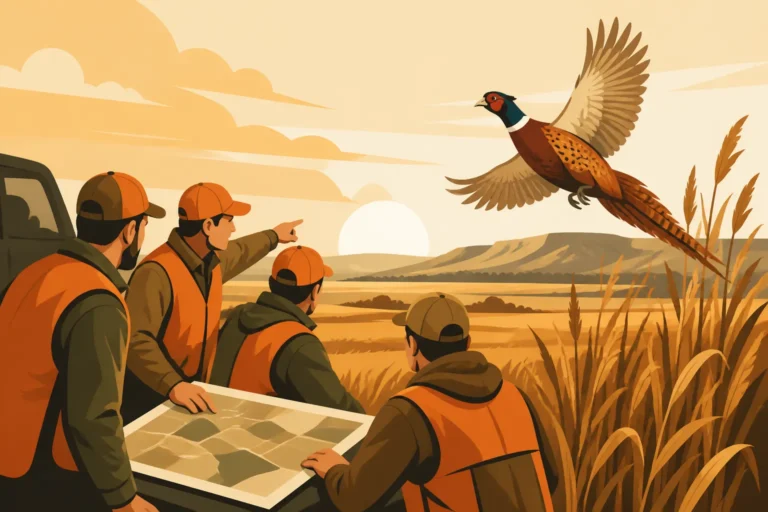
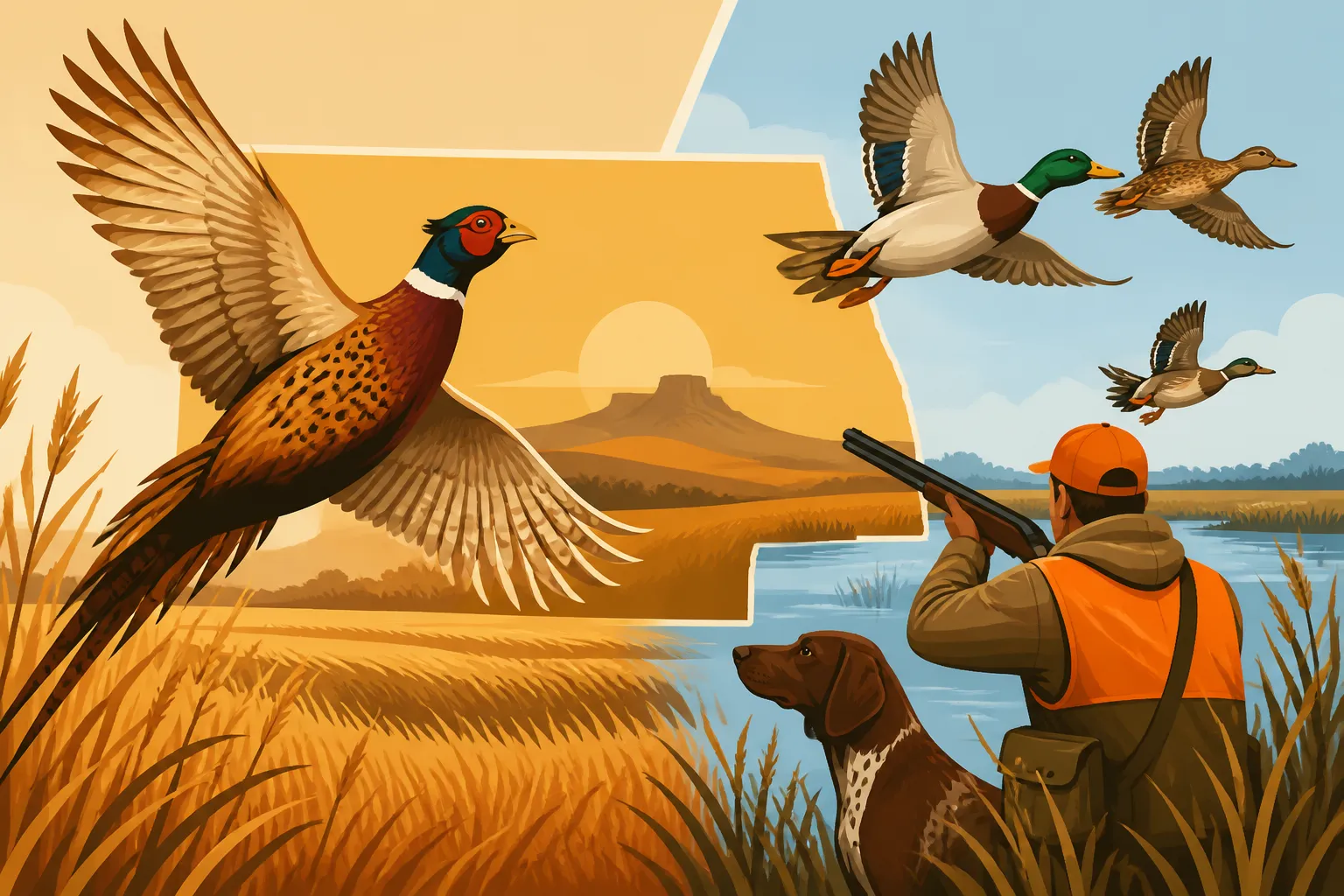
The open prairies and vast skies of North Dakota beckon hunters with dreams of both high-flying waterfowl and explosive pheasants. But for many, the thought of trying to fit both into one trip feels like an impossible logistical puzzle, forcing a choice between two equally exciting adventures. This guide aims to unravel that complexity, showing you how to combine a pheasant and waterfowl package hunt into a single, unforgettable North Dakota experience, helping you maximize your time and diverse hunting aspirations.
The Allure of a Combo Hunt in North Dakota
Let's be honest, we all wish we had more time in the field. North Dakota offers such a rich tapestry of hunting opportunities that choosing just one species can feel like leaving part of the experience on the table. A combined hunt isn't just about bagging more game; it's about immersing yourself more deeply in the state's diverse ecosystems and truly getting your money's worth out of a nonresident trip.
Maximizing Your Prairie Adventure
Think about it: waking up before dawn, the crisp air biting at your nose, as you set a decoy spread over a sheet of ice or a flooded field, waiting for the first whistle of wings overhead. The adrenaline of calling in a flock of mallards or watching giant Canada geese lock up and commit to your spread is an unparalleled rush. But then, as the morning flight tapers off, instead of heading back to camp for a midday nap, you're transitioning to upland gear, grabbing your bird dog, and heading for a sun-drenched patch of CRP or a brushy coulee.
This kind of dual-sport approach allows you to exploit different peak hunting times. Waterfowl often have incredible morning and late-afternoon flights, while pheasants become more active as the morning warms up and are often found working edges throughout the day. By planning intelligently, you can fill your hunting day from sunrise to sunset, experiencing the best of both worlds without feeling rushed or sacrificing quality. It’s an efficient use of your precious hunting days and a way to truly embrace the bounty North Dakota offers.
Experiencing Diverse Hunting Landscapes
North Dakota's geography is incredibly varied, and a combo hunt truly showcases this. One moment you might be camouflaged in a layout blind, surrounded by corn stubble in the North Dakota's Prairie Pothole Region Explained, listening to the honking of geese circling high above. Later that same day, you could be following a flushing dog through a dense shelterbelt, the rustle of dry leaves announcing an erupting rooster pheasant. The terrain for waterfowl—flooded fields, shallow sloughs, large lakes like Devils Lake or Lake Sakakawea, and river bottoms—is vastly different from the dense cattails, tall prairie grasses, and agricultural edges where pheasants thrive.
This diversity adds another layer to your hunting experience. You get to witness more of North Dakota's stunning natural beauty and gain a deeper appreciation for the habitats that support such abundant wildlife. It’s a challenge and a joy to adapt your hunting style, your gear, and your mindset to these different environments, ultimately making you a more versatile and well-rounded hunter. You’re not just targeting birds; you’re exploring an entire ecosystem.
Key Considerations for a Successful Combo Hunt
Embarking on a combined pheasant and waterfowl hunt isn't simply a matter of packing extra ammo. There are several crucial elements to consider, from the calendar to the licenses in your wallet, that will make or break the success of your multi-species adventure.
Timing Your Trip for Peak Action
Perhaps the single most important factor for a successful combo hunt is timing. You need to find that sweet spot when both pheasant and waterfowl seasons are in full swing and offering prime opportunities. Generally, this means aiming for mid-to-late October through mid-November. Early season might offer more local waterfowl, but the big migrations often haven't fully pushed through yet. Pheasants, while abundant early, can also be easier to hunt after some colder weather has pushed them into more concentrated cover.
If you go too late in the season, you might catch incredible goose migrations, especially if snow pushes birds south, but deep snow can also make upland bird hunting much tougher, pushing pheasants into even denser, harder-to-access cover. Early November often provides excellent overlap, as pheasant numbers are stable, and the main push of ducks and geese is usually well underway. This timing can also coincide with fantastic fall weather, though North Dakota can always surprise you with an early blizzard. Understanding North Dakota Pheasant and Upland Season Rules and North Dakota Duck and Goose Bag Limits will be critical in planning.
Navigating Licensing and Regulations
This is where many hunters get overwhelmed, especially nonresidents. You don't just need one license; you need several. For a combo hunt, you'll typically need a basic hunting license, a small game license (which covers pheasants and other upland birds), and a waterfowl license. On top of that, you'll need a federal duck stamp and federal Harvest Information Program (HIP) certification. For nonresidents, North Dakota has specific rules, including a North Dakota's Zone-Restricted Waterfowl License that dictates where and when you can hunt waterfowl during certain periods.
It's a lot to keep track of, and the regulations can change. Always check the current North Dakota Game and Fish Department proclamations before your trip. Getting your licenses well in advance, usually through the online portal, is a must. Don't wait until the day before you leave. Some nonresidents might even consider a North Dakota Nonresident Combination License Options if available, but regardless, ensure you've ticked every box. Remember, you might also need North Dakota Hunter Education Requirements if you haven't completed a course in your home state or a recognized equivalent.
Here's a simplified breakdown of typical license components needed for a nonresident combo hunt:
| License/Stamp | Required For | Notes |
|---|---|---|
| Nonresident Hunting License | General Hunting | Your base license, often required before purchasing other tags. |
| Nonresident Small Game | Pheasant & Upland | Allows hunting of pheasants, sharptails, Huns, etc. |
| Nonresident Waterfowl | Ducks & Geese | Separate license specifically for migratory waterfowl. |
| Federal Duck Stamp | Waterfowl (16+ Yrs) | Required for all waterfowl hunters age 16 and older. |
| HIP Certification | Migratory Birds | Free, but mandatory federal survey certification for all migratory bird hunters. |
| Zone-Restricted Waterfowl | Nonresident Waterfowl | Specific to North Dakota nonresidents, dictates zones and often dates for waterfowl hunting. Check current rules carefully. |
Essential Gear for Both Worlds
A successful combo hunt requires a carefully thought-out gear list. You can't just pack for upland hunting and expect to be ready for a flooded field, nor vice-versa. Your shotgun might be versatile enough for both (a 12-gauge is a popular choice for its flexibility), but your ammunition will need to be different. You'll want steel shot for waterfowl and lead shot (where legal and appropriate) for pheasants.
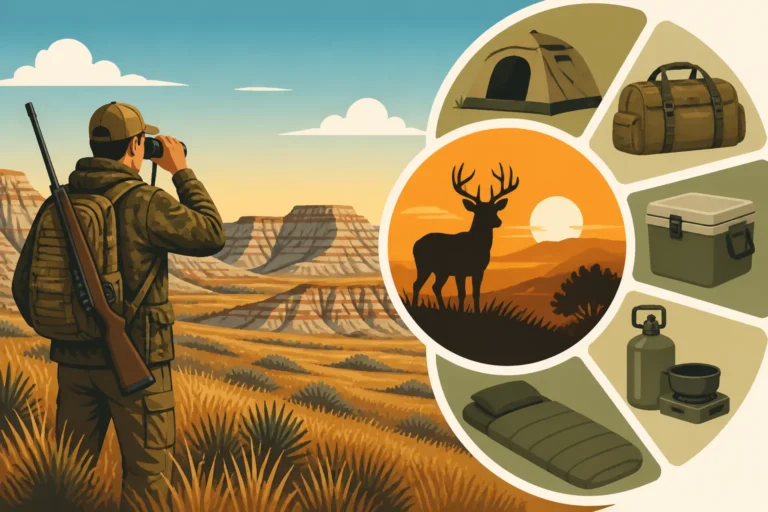
Beyond the firearm and ammo, think about clothing. Warm, waterproof layers are paramount for chilly, potentially wet waterfowl mornings. Waders are non-negotiable for marshy environments. Then, for upland, you'll need sturdy, briar-resistant pants or chaps, a comfortable upland vest with plenty of game bag space, and most importantly, blaze orange for visibility and safety. You might also want separate calls for ducks and geese, and different training gear if you're bringing a versatile bird dog along. Trying to make do with minimal gear will only lead to frustration in one type of hunt or the other.
Finding the Right Outfitter for Your Combo Hunt
Once you've decided a combo hunt is for you and you understand the foundational logistics, the next step is often finding the right outfitter. This isn't always as simple as picking a name from a list, especially for a specialized dual-species experience.
What to Look for in a Dual-Species Outfitter
Not every North Dakota outfitter offers both pheasant and waterfowl hunts, or at least not with equal proficiency. You’ll want to look for an outfitter who genuinely specializes in both, or at the very least, has strong, established programs for each species. This usually means they have separate guides or teams dedicated to waterfowl and upland, ensuring expertise in calling ducks or working a pheasant field with dogs. A good sign is an outfitter with access to diverse land – both prime waterfowl wetlands/fields and quality upland cover.
Research is key here. Look for testimonials and references that specifically mention successful combo hunts. Don't just assume because an outfitter lists both, they excel at both. Websites like BookYourHunt can be a great starting point for finding outfitters that offer multi-species packages, allowing you to filter by location and desired game. Similarly, resources from GoHunt often include comprehensive lists and reviews that can guide your initial search. Remember, a reputable outfitter will be happy to discuss their specific approach to combo hunts, their land access for each species, and the experience of their guides. You’re looking for someone who can seamlessly transition your group from one type of hunting to the next.
Package Options and Inclusions
Combined hunt packages vary widely. Some might offer a "pick two" option where you get to spend full days on each species, perhaps three days of pheasants and two days of waterfowl, or vice versa. Others might integrate them daily, with morning waterfowl and afternoon upland. It's crucial to understand the structure of the package. Does it include lodging, meals, guides, dogs, and bird cleaning? Many excellent lodges offer What Meals a North Dakota Lodge Package Includes and handle all the logistics once you arrive.
Some outfitters will offer a fully guided experience, meaning guides will be with you in the field every step of the way, providing decoys, blinds, and calling expertise for waterfowl, and dog handling for upland. Other "semi-guided" options might provide lodging and access but leave more of the field work to you. Carefully review what is and isn't included in the package price. A great place to compare these options is on platforms like BookYourHunt, where many North Dakota outfitters list their specific Booking a Multi-Species North Dakota Trip details. Be sure to check what happens with licensing; typically, you're responsible for purchasing your own, but an outfitter can advise on what's needed. For specific bird types, you might consider tailored experiences like Booking a Guided North Dakota Pheasant Hunt or Booking a North Dakota Devils Lake Goose Hunt which some outfitters can integrate into a larger package.
Asking the Right Questions Before You Book
Before putting down a deposit, have a detailed conversation with any potential outfitter. Ask about their land access for both waterfowl and pheasants – are they hunting public land, private land, or a mix? How much pressure do these areas typically receive? Inquire about the number of guides and dogs available for a combo hunt; will you have a dedicated waterfowl guide and then a separate upland guide, or will one person try to do both? Understanding Vetting a North Dakota Hunting Outfitter is crucial here.
Clarify the daily schedule: will it be morning ducks, afternoon pheasants, or full days dedicated to each? What are the bag limits for each species within their operation (which should always adhere to state regulations, but some outfitters might have more conservative internal limits)? What happens if bad weather cancels one type of hunt? Are there contingency plans? Ask about their cancellation policy, deposit requirements, and any hidden fees. A transparent outfitter will answer these questions thoroughly, helping you manage expectations and ensure a smooth, enjoyable trip.
On-the-Ground Logistics and Enjoying Your Hunt
Once the planning is done and you've arrived in North Dakota, the focus shifts to executing a smooth hunt and soaking in every moment of your diverse adventure. Even with an outfitter handling the heavy lifting, understanding the rhythm of a combo hunt will enhance your experience.
Seamless Transitions Between Hunting Styles
One of the biggest advantages of a well-planned combo hunt is the ability to seamlessly transition from one hunting style to another. You might find yourself shedding bulky waders and duck calls after a successful morning waterfowl shoot, changing into upland boots and a blaze orange vest, then meeting your upland guide and dogs to hit the fields. This transition requires a bit of adaptability on your part, both physically and mentally. The fast-paced, often stationary action of waterfowl hunting gives way to the more active, walking-intensive style of pheasant hunting.
Good communication with your guides is paramount. They'll be orchestrating the movements, but being ready to adapt, whether it's quickly changing gear or being flexible with lunch breaks, will ensure you maximize your time. Remember, the goal is to enjoy both experiences fully, so embrace the change of pace and scenery. Your guides, especially those familiar with Booking a Multi-Species North Dakota Trip, will have a routine down for these transitions, making it as efficient as possible.
Managing Your Harvest and Memories
Bringing home a mixed bag of waterfowl and pheasants is incredibly rewarding. Most outfitters will offer bird cleaning services, which can be a huge time-saver at the end of a long day. If you're doing some cleaning yourself, be prepared for both types of birds – ducks and geese often require a different approach than pheasants. Ensure you have proper cooler space and ice to keep your birds fresh, especially if you have a long drive home. Vacuum sealing is a great way to preserve your harvest.
Beyond the meat, a combo hunt generates incredible memories. Take plenty of photos to document the diverse challenges and successes. From the stunning sunrises over a decoy spread to the triumphant retrieves of a flushing pheasant, these are the moments you'll recount for years. A combo hunt isn't just about filling limits; it's about the unique story of experiencing the breadth of North Dakota's hunting heritage in one epic trip.
Disclaimer
This article is for general informational purposes only and does not constitute professional advice. Laws, prices and regulations vary by location and change over time. Consult a qualified professional for guidance on your specific situation.