Hunting the Youth Pheasant Weekend
The excitement of North Dakota's Youth Pheasant Weekend is truly something special, but for many mentors, figuring out all the rules, the best approach, and how to make it a memorable experience for a young hunter can feel like a daunting task. You want to give them the best possible start, yet the nuances of early season hunting and specific regulations can be a bit overwhelming. This comprehensive guide is designed to help you navigate every aspect of the Youth Pheasant Weekend, ensuring a safe, fun, and truly unforgettable hunt for the next generation.
Understanding the Youth Pheasant Weekend in North Dakota
The Youth Pheasant Weekend in North Dakota isn't just another hunting opportunity; it's a carefully designed event aimed at fostering a love for the outdoors and conservation in young people. It's a fantastic chance to introduce kids to the thrill of upland bird hunting without the immediate pressure of crowded fields or competition from the regular season opener.
What Makes This Weekend Special
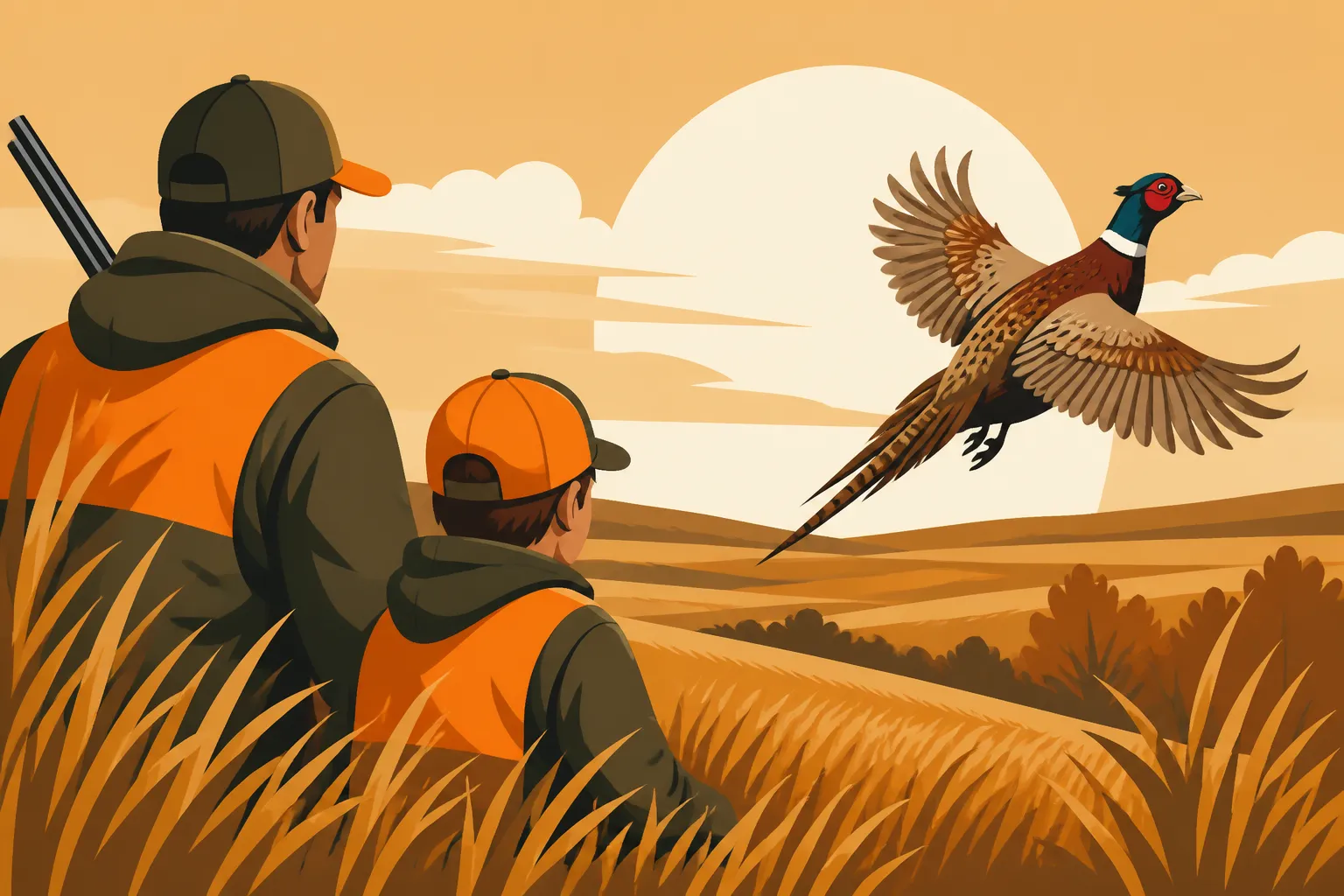
This dedicated weekend, typically held a week before the general pheasant season opens, provides a unique advantage: access to pheasants that haven't yet been pressured by adult hunters. This can mean more birds in easily accessible cover and often, more relaxed birds that are less skittish, offering better opportunities for young hunters to see flushes and get shots. It's an exclusive window for those under a certain age to experience the prairie in a way that truly prioritizes their learning and enjoyment. The focus isn't solely on the bird count, but on the entire experience—the camaraderie, the dog work, the crisp autumn air, and the sheer joy of being out there. It's a weekend dedicated to making positive, lasting memories that will hopefully spark a lifelong passion for hunting.
Eligibility and Legal Requirements for Youth and Mentors
To participate in the Youth Pheasant Weekend, the youth hunter typically needs to be between 12 and 15 years old, though exact age ranges can vary slightly year to year based on North Dakota Game and Fish Department (NDGFD) regulations. They must possess a valid small game license and often a Harvest Information Program (HIP) certification. Crucially, they must be accompanied by an adult mentor who is at least 18 years old. This mentor cannot carry a firearm and is there solely to supervise, guide, and ensure safety. This rule emphasizes the educational aspect of the weekend, placing all the hunting responsibility squarely on the young participant, with the mentor acting as a coach and safety officer.
It’s vital for mentors to be intimately familiar with North Dakota Hunter Education Requirements as these are fundamental to any young hunter's participation, often needing to be completed before licenses can be obtained. Additionally, understanding the broader North Dakota Mentored Youth Hunting Rules is paramount, as they cover everything from proximity to the youth to the legal definitions of mentoring. These rules are in place not to complicate things, but to guarantee a safe and educational environment, protecting both the young hunter and the integrity of the hunt. Always check the current year's hunting proclamation for the most up-to-date specific dates, age requirements, and license details before heading out.
Preparing for a Successful Youth Pheasant Hunt
Preparation is key to any successful hunt, but it's even more critical when introducing a young hunter to the field. Thoughtful planning can make the difference between a frustrating day and an empowering, fun experience.
Essential Gear and Safety Considerations
Equipping your young hunter properly is paramount for comfort, safety, and success. Start with clothing: layers are your friend in North Dakota's unpredictable fall weather. Think moisture-wicking base layers, insulating mid-layers, and a durable, blaze orange outer layer. Remember, How Much Blaze Orange North Dakota Requires isn't just a suggestion; it's a critical safety measure, especially in open fields. Good, broken-in hunting boots are non-negotiable to prevent blisters and provide support over varied terrain.
For firearms, a properly fitted shotgun is crucial. A 20-gauge or even a .410 can be a good choice for smaller frames and lighter recoil, but ensure it's a shotgun they can comfortably and safely handle. Bring plenty of appropriate ammunition, and don't forget hearing protection—essential for every shot. Eye protection, too, is often overlooked but provides critical defense against errant shot or flying debris.
Beyond personal gear, a first-aid kit, plenty of water, snacks, and a way to communicate (like a fully charged cell phone) are necessities. Having a mapping application, such as GoHunt, can be incredibly helpful for identifying public lands, tracking your route, and marking spots where birds were flushed, ensuring you don't accidentally wander onto private property.
Pre-Hunt Scouting and Planning
Just like any hunt, a little pre-season legwork goes a long way. Identifying potential hunting areas is a great place to start. North Dakota offers excellent public access through its PLOTS (Private Land Open To Sportsmen) program, Waterfowl Production Areas (WPAs), and State Wildlife Management Areas (WMAs). Using resources like the NDGFD PLOTS guide or a robust hunting app like GoHunt can help you pinpoint promising tracts well before opening day. Look for areas with diverse cover—cattail sloughs, standing sunflowers, dense grass, and shelterbelts. These are prime locations where pheasants will hold, especially early in the season before heavy hunting pressure scatters them.
Consider Scouting PLOTS Land Before Season to understand the terrain, identify entry points, and get a feel for potential bird activity. Drive past during different times of the day, looking for birds on field edges or near roads. Don't be afraid to walk a few promising areas without a gun to see if you flush any birds or find fresh sign. This also helps you establish a safe and efficient hunting plan for the youth weekend, considering wind direction, sun position, and escape routes for birds.
Working with Hunting Dogs
If you have a well-trained hunting dog, the Youth Pheasant Weekend is an ideal time to introduce a young hunter to the magic of a bird dog. The dog's ability to find, flush, and retrieve birds can significantly increase a youth's success and add an incredible dimension to the experience. Before the hunt, make sure your dog is in good physical condition and well-rehearsed on commands. Reviewing resources like Running Pointing Dogs on North Dakota Pheasant can offer valuable insights.
For the youth, teach them how to safely interact with the dog, how to read its body language when it's on point or trailing, and the importance of being ready when a bird flushes. Emphasize that the dog is a partner, not just a tool. This collaboration between hunter, dog, and mentor creates a truly special bond and enhances the learning experience. Remember to bring plenty of water for your canine companion, especially on warmer days, and keep an eye on their pads for any abrasions.
Tactics and Safety for Youth Pheasant Hunting
Once you're in the field, a structured yet flexible approach, coupled with an unwavering commitment to safety, will define the success of your Youth Pheasant Weekend hunt.
Effective Field Tactics for Young Hunters
Pheasants are masters of holding tight, especially early in the season. When hunting open fields or tall grass, walking in a straight, deliberate line with the young hunter positioned to cover the most likely escape routes is often effective. If you have a dog, let it work slightly ahead, but always within sight, allowing the youth to anticipate flushes. For denser cover, such as thick cattail sloughs or shelterbelts, consider walking the edges initially, then pushing through. Working a Shelterbelt for Roosters can be particularly productive as pheasants often use these strips of trees for cover and travel.
Maintain a slow, steady pace. Rushing often means birds flush wild or behind you. Encourage the youth to keep their shotgun ready, pointed in a safe direction, and to be prepared for sudden flushes. It’s important to teach them to pause and wait for the bird to gain some distance before attempting a shot, giving them a better chance at a clean kill and reducing the risk of a ground swat. Focus on consistent movement and covering ground thoroughly. Mapping tools in GoHunt can help you visualize the field and ensure you're systematically covering all potential bird-holding areas, rather than haphazardly walking.
Communication and the Mentor's Role
The mentor's role is absolutely crucial. You are the safety officer, the coach, and the cheerleader, all rolled into one. Constant, clear communication is essential. Before entering the field, establish a clear plan: who walks where, where are the safe zones of fire, and what are the hand signals for "stop," "bird," or "danger." Talk about potential scenarios: "If a bird flushes here, your shot should be in this direction."
During the hunt, offer calm, concise instructions. "Slow down," "gun up," "wait for it." Avoid yelling or becoming frustrated, as this can quickly dampen a young hunter's spirits. Celebrate every small success, whether it's identifying fresh sign, making a good shot presentation (even if they miss), or safely crossing a fence. Your positive reinforcement will build their confidence. Remember, the goal is to create a positive learning environment, not just to fill the bag.
Prioritizing Safety Above All Else
Safety is the non-negotiable foundation of every hunting trip, especially with youth. Before the hunt, review the fundamental rules of firearm safety:
- Always keep the muzzle pointed in a safe direction.
- Always treat every firearm as if it were loaded.
- Always keep your finger off the trigger until ready to shoot.
- Always be sure of your target and what is beyond it.
Implement these rules rigidly. Emphasize that the mentor is the primary safety observer. No loaded guns in vehicles. Ensure the young hunter carries their shotgun safely, muzzle pointed up or down, never at another person or dog. When crossing fences or difficult terrain, ensure the gun is unloaded and handed across first, or the action is open.
During the hunt, stress the importance of knowing your hunting partners' locations at all times. Use orange hats and vests for maximum visibility. Discuss obstacles like holes, wire fences, or uneven ground. Reiterate that if they are unsure of a shot, they do not shoot. A missed bird is far better than a dangerous situation. These are foundational lessons that will serve them well in all future hunting endeavors, from North Dakota's November Gun Deer Season to any other pursuit.
Making Memories: Beyond the Harvest
While harvesting a bird is exciting, the true success of the Youth Pheasant Weekend lies in the comprehensive experience and the lessons learned. It’s about more than just pulling a trigger; it’s about connection, respect, and growth.
Focusing on the Overall Experience
The Youth Pheasant Weekend is a precious opportunity to build a bond with your young hunter and instill a deep appreciation for nature. Don't let the pressure of "getting a bird" overshadow the joy of the outing. Take breaks, share stories, and point out other wildlife you see. Discuss the habitat, the challenges pheasants face, and the importance of conservation.
If the birds aren't cooperating, shift gears. Perhaps spend some time tracking signs, identifying different types of cover, or practicing calling techniques (even if pheasants don't respond to calls, it's good practice for other species, like Calling a Fall Gobbler Flock). The goal is to make them feel competent and engaged, regardless of the bag count. Remember that simply spending quality time together in the field, observing, learning, and laughing, is often more valuable than any pheasant in the vest. Even a day without a harvest can be a profoundly positive experience if approached with the right mindset.
Proper Field Care and Post-Hunt Traditions
Once a bird is harvested, teach the young hunter about respectful field care. This includes quickly and humanely dispatching any wounded birds, tagging the bird correctly, and properly cleaning it. Demonstrating how to quickly field dress a pheasant helps preserve the meat and reinforces the responsibility that comes with harvesting an animal. Talk about the value of the meat and the effort it takes to bring it to the table.
Back at camp or home, encourage them to participate in cleaning the birds. This is another hands-on lesson that connects the hunt to the plate. Consider establishing a post-hunt tradition: maybe it's cooking the birds together, sharing stories around a fire, or even starting a "hunting journal" where they can record their experiences, observations, and successes (and misses!). This ritual helps cement the memories and reinforces the value of their efforts. Taking good care of the harvested game is a crucial part of the hunting ethic, something they'll carry into other hunts, like Fall Turkey Hunting in North Dakota.
Instilling Conservation Ethics
The Youth Pheasant Weekend is a perfect platform to talk about ethical hunting and wildlife conservation. Explain that hunting fees and license sales directly support wildlife management and habitat restoration efforts in North Dakota, benefiting not only pheasants but all species. Discuss the concept of fair chase, respecting bag limits, and the importance of leaving no trace. Talk about the role of hunters as conservationists, actively contributing to healthy wildlife populations and abundant public lands.
Encourage them to respect the land and landowners, especially when utilizing resources like the PLOTS program. Teach them why it's important to ask for permission on private property and to abide by all rules. Showing them how tools like GoHunt can help identify public versus private land reinforces responsible hunting practices. By emphasizing these values, you're not just teaching them to hunt; you're teaching them to be responsible stewards of the land and its wildlife, ensuring that future generations will also have the opportunity to experience the magic of hunting in North Dakota.
| Youth Pheasant Weekend Checklist | Essential Item | Notes for Mentors |
|---|---|---|
| Licenses & ID | Small Game License | Valid for the youth hunter. |
| HIP Certification | Required for migratory birds, including pheasants. | |
| Youth's ID | Proof of age if requested. | |
| Mentor's ID & License | Mentor's driver's license; they do not carry a hunting license or firearm for this hunt. | |
| Firearms & Ammo | Youth's Shotgun | Appropriate gauge (20 ga or .410 recommended) and fit. |
| Shotgun Case | For safe transport to and from the field. | |
| Ammunition | Enough for practice and hunting; suitable shot size for pheasants (e.g., #4, #5, #6 lead or steel equivalent). | |
| Safety Gear | Blaze Orange | Vest and hat for youth and mentor; mandatory in ND. |
| Eye Protection | Shooting glasses for both. | |
| Hearing Protection | Earplugs or earmuffs for both. | |
| First Aid Kit | Well-stocked for minor injuries. | |
| Clothing & Comfort | Layered Clothing | Moisture-wicking base, insulating mid, durable outer. |
| Sturdy Hunting Boots | Broken-in, waterproof, good ankle support. | |
| Gloves/Hat | Weather-appropriate. | |
| Water & Snacks | Hydration and energy for a full day. | |
| Hunting Accessories | Game Vest/Pouch | For carrying harvested birds and shells. |
| Bird Tagging Supplies | Zip ties, pen, or permanent marker. | |
| Knife/Multi-tool | For field dressing. | |
| GPS/Mapping App (GoHunt) | For navigation, marking flushes, identifying land boundaries. | |
| Whistle | For communication with youth or dog in dense cover. | |
| Optional (but Recommended) | Hunting Dog & Supplies | Leash, water bowl, dog food, first-aid for dogs. |
| Binoculars | For scouting and identifying distant birds. | |
| Camera | To capture those unforgettable moments. |
Disclaimer
Please remember that hunting regulations can change frequently. While this guide provides comprehensive and up-to-date information based on general North Dakota hunting laws and best practices, it is crucial to always consult the current year's official North Dakota Game and Fish Department hunting proclamation before heading into the field. This ensures you are fully compliant with all local, state, and federal regulations.