Hunting Small Woodlots Near Fargo
Hunting opportunities can feel miles away when you live near a bustling area like Fargo. It’s easy to get discouraged, thinking you need to travel hours to find any decent game. But the truth is, many of us overlook the incredible potential hiding in plain sight: those small, unassuming woodlots scattered around the city's edges. This guide is here to show you how to identify, access, and successfully hunt these often-ignored pockets, bringing the thrill of the chase closer to home.
Understanding the Allure of Small Woodlots Near Fargo
It’s a common misconception that prime hunting ground must be vast, remote wilderness. While those large tracts certainly hold their appeal, the smaller, fragmented woodlots found in and around the Fargo area offer a unique set of advantages that are often completely overlooked by the majority of hunters. These tiny timber islands, shelterbelts, and riparian corridors might seem insignificant at first glance, but they can be absolute magnets for local wildlife, particularly when the pressure is on elsewhere.
Why These Pockets of Timber are Overlooked
Most hunters, especially those from out of state or new to the area, tend to focus their energy on the larger, more obvious public land tracts or expansive private farms advertised for leasing. They often assume that anything close to a city, or too small to show up prominently on a large-scale map, simply won't hold enough game to be worth their time. This perception creates a fantastic opportunity for those willing to put in a little extra groundwork. Deer, in particular, are incredibly adaptable and quickly learn to seek refuge in these tight, overlooked patches of cover where they feel safe from the constant intrusion of human activity. They know that most hunters will pass them by, heading for greener, or rather, larger, pastures.
Furthermore, these small woodlots often serve as critical travel corridors, connecting larger areas of feed and bedding. Imagine a deer needing to move from an alfalfa field on one side of a road to a standing cornfield on the other. A narrow strip of timber along a creek or a neglected shelterbelt can provide the perfect, low-profile route. During the rut, these corridors become even more active as bucks travel extensively in search of does. Understanding this movement is key to unlocking the potential of these small spaces.
Game Species You'll Find in Fargo-Area Woodlots
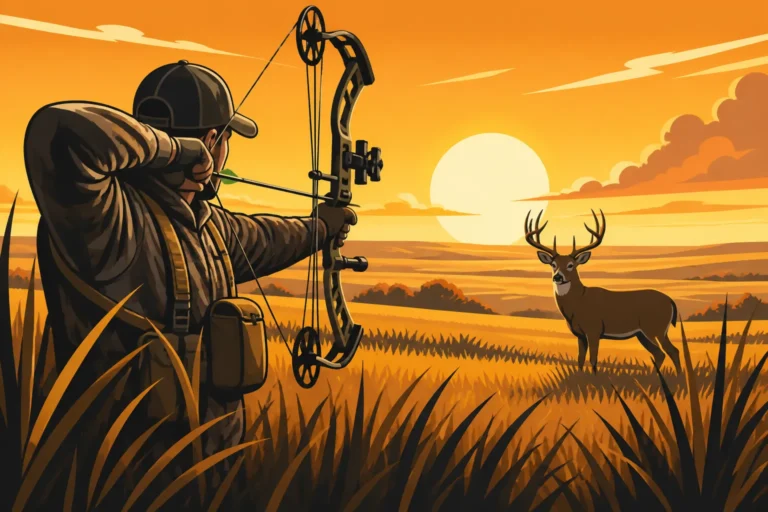
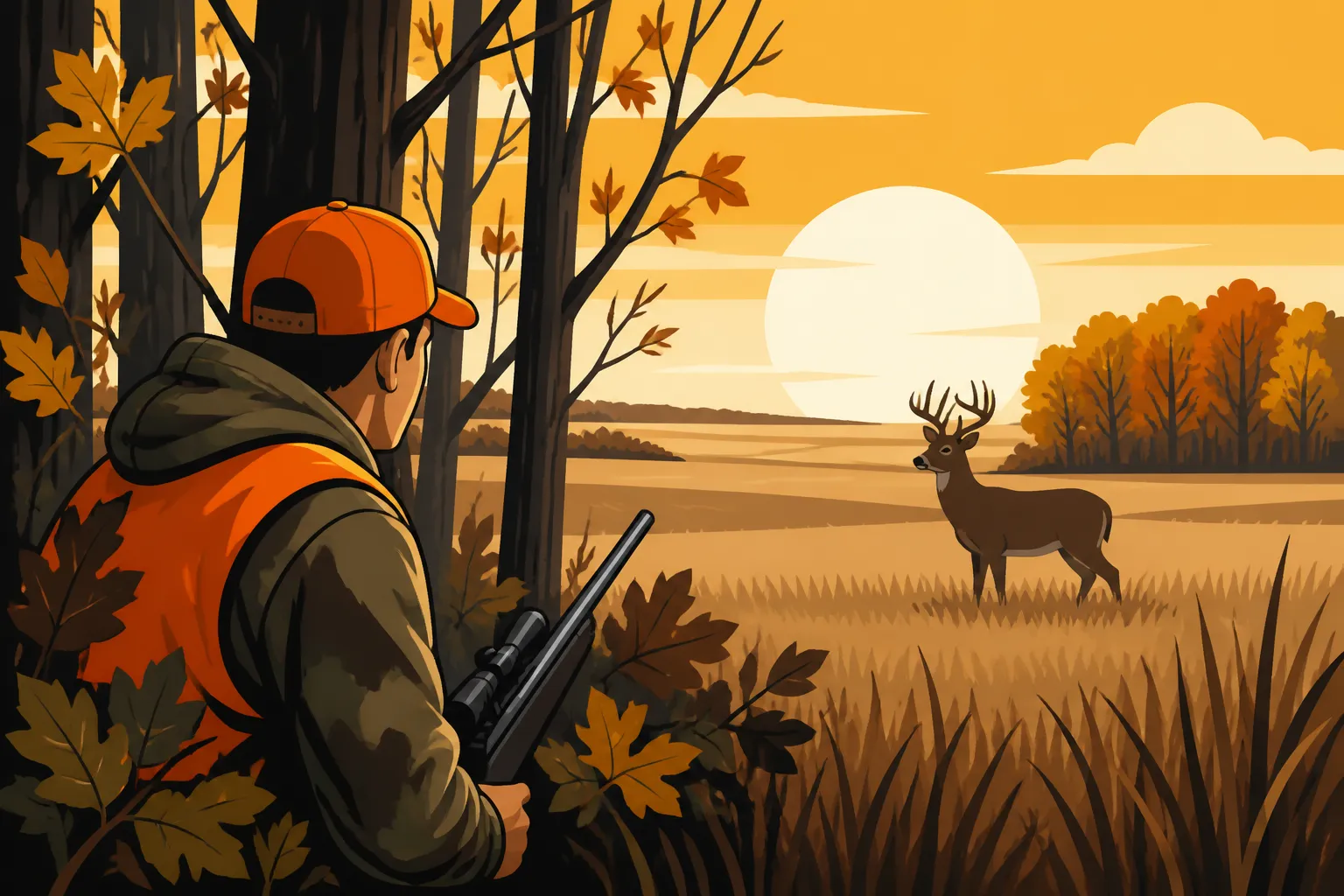
While the sprawling Badlands might promise a chance at Mule Deer in North Dakota's Badlands, the woodlots near Fargo are primarily a whitetail deer haven. These intelligent animals thrive in fragmented habitats, adapting their movements and patterns to utilize even the smallest patches of cover. You'll often find them bedding down in these thickets during the day, only to emerge at dusk to feed in adjacent agricultural fields. The key is to understand their daily patterns and the specific resources these small woodlots offer.
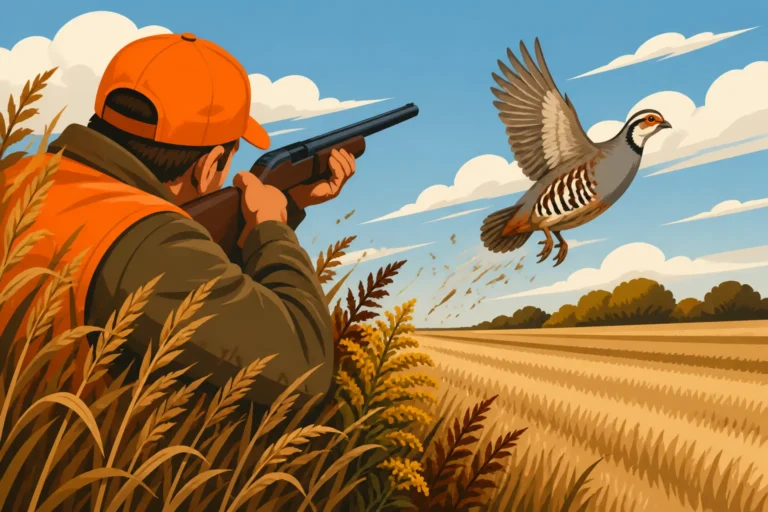
Beyond deer, these timber pockets can also be surprisingly productive for various small game. Squirrels and rabbits are almost guaranteed residents, providing excellent opportunities for a relaxed hunt or to introduce a new hunter to the sport. Depending on the surrounding habitat, you might even stumble upon a small covey of Hungarian Partridge Hunting North Dakota Farmland or a lone pheasant seeking refuge in the denser undergrowth of a shelterbelt. And let's not forget about predators; coyotes are often drawn to these areas, preying on the resident small game and occasionally a deer fawn. Calling coyotes here can be a thrilling experience, especially in late fall and winter when their fur is prime.
Scouting and Gaining Access to Fargo Woodlots
The most crucial steps to successfully hunting small woodlots near Fargo involve thorough scouting and, perhaps most importantly, securing permission. These aren't typically walk-on public access areas, so your approach needs to be strategic and respectful. The good news is that with a bit of effort and the right tools, these challenges are entirely surmountable.
Leveraging Technology for Initial Reconnaissance
Before you even step foot outside, modern hunting apps have revolutionized how we scout. Tools like GoHunt or OnX Hunt are invaluable for identifying potential woodlots. You can zoom in on satellite imagery to spot those promising strips of timber, dense brush, and riparian zones that often go unnoticed on traditional maps. Look for natural pinch points where deer movement might be funneled, such as narrow sections of timber between two large fields, or where a creek bottom meets a fenceline.
Using these apps, you can identify property boundaries, which is absolutely critical for understanding who to approach for permission. Pay close attention to any small creeks, drainages, or even old farmsteads with overgrown tree lines—these are the kinds of features that whitetails love for cover and travel. You might also notice where fields transition from one crop to another, or where standing cover remains after a harvest. These technological aids allow you to do significant pre-scouting from your couch, saving you precious time and fuel. Remember to check out resources like Scouting PLOTS Land With the ND Hunt App for additional digital scouting tips, even if your target isn't explicitly PLOTS.
The Art of Securing Private Land Permission
This is where the rubber meets the road. Most small woodlots around Fargo are on private land, which means you’ll need to secure permission to hunt. Don't be intimidated; many landowners are receptive to respectful hunters. Start by identifying the landowner using your mapping app. Then, take the time to visit in person. Dress neatly, be polite, and introduce yourself. Explain exactly what you want to hunt (e.g., "I'd love to try for a whitetail deer in that woodlot along your creek"). Offer to share some of your harvest, help with a chore, or simply promise to be a good steward of their land.
Building a relationship is key. Landowners appreciate knowing who is on their property and that their land will be respected. Don't show up the day before the season opens; start asking for permission well in advance. If they say no, thank them for their time and move on. If they say yes, clarify the boundaries, parking spots, and any specific rules they might have. It's always a good idea to get Do You Need Written Permission in North Dakota? and to carry a copy with you. For more insights on approaching landowners, check out Knocking on Doors in North Dakota Farm Country.
Identifying Public Access Opportunities
While the immediate vicinity of Fargo isn't teeming with large public hunting areas like the Little Missouri National Grassland, it's worth exploring the possibilities. The North Dakota Game and Fish Department (NDGFD) manages various Wildlife Management Areas (WMAs) throughout the state, and occasionally, smaller tracts might exist closer to urban centers. These WMAs are typically open to public hunting, but you'll need to consult the NDGFD website or the GoHunt app for specific locations and regulations.
Another excellent resource is the Private Land Open To Sportsmen (PLOTS) program. While PLOTS lands are private, landowners enroll them to allow public hunting access. You might be surprised to find smaller PLOTS tracts, sometimes even just a few acres, that include a woodlot or a slough edge. These are often overlooked by hunters looking for bigger numbers, making them prime spots for those willing to hunt smarter. Always refer to the current PLOTS guide or the ND Hunt app for the most up-to-date maps and landowner information. While the density of significant timber on PLOTS near Fargo might be less than in other regions, every little patch counts. For a broader understanding of statewide public land, consult Public Hunting Land in North Dakota.
Effective Hunting Strategies for Confined Spaces
Hunting small woodlots requires a different mindset than hunting vast wilderness. Every move you make, every piece of gear you carry, and every strategy you employ needs to be carefully considered due to the confined nature of these spots. The good news is that with a thoughtful approach, these smaller areas can be incredibly productive, often yielding surprising results for those willing to adapt.
Stand Placement and Wind Considerations
In a small woodlot, your stand placement is paramount. Unlike large forests where you might have dozens of options, these limited spaces demand precision. Look for the tightest funnels, natural barriers that force deer into predictable travel paths, or the thickest bedding cover. A small creek crossing, a low spot in a fence line, or the corner of a shelterbelt that connects to a larger field are all potential hotspots. Because the area is small, deer will often be moving quickly through it, so you need to be positioned for a quick, ethical shot. Don't forget about Hanging a Stand on a Shelterbelt Edge for practical tips.
Wind is your biggest enemy and your best friend in a small woodlot. With limited space, your scent cone can quickly cover the entire area. Always, and I mean always, play the wind. If the wind isn't right for your chosen stand, don't hunt it. Deer will bust you every time. It might mean waiting for another day or relocating to a different woodlot with a more favorable wind direction. Consider using a compact treestand like a climber if the trees allow, or a well-brushed-in ground blind. If you opt for a ground blind, learn how to blend it into the surroundings effectively, perhaps by Brushing In a Blind on a Field Edge, even if that field edge is right next to a small woodlot.
Still-Hunting and Drives in Small Woodlots
Still-hunting can be incredibly effective in small woodlots, especially when deer are pressured. It involves moving slowly, taking a few steps, then pausing to observe and listen for several minutes before moving again. This method allows you to cover ground quietly and detect deer before they detect you. Focus on areas of dense cover, scanning for horizontal lines (a deer's back) or flicking ears against the vertical lines of trees and brush. Move into the wind or with a crosswind, always being mindful of your scent. The goal isn't to walk briskly, but to stalk like a predator, merging with the environment.
For those hunting with a small group, a carefully executed miniature drive can also be very productive. With just two or three hunters, you can effectively move deer out of a small woodlot or shelterbelt. One or two hunters act as "pushers," moving slowly and deliberately through the cover, while another hunter or two positions themselves on the downwind side, covering escape routes. Safety is absolutely critical here. Everyone must know exactly where the others are at all times, wear blaze orange, and have a clear understanding of shooting lanes and backstops. Think of it as a scaled-down version of Deer Drives With Three or Four Hunters. The small size of these woodlots actually makes coordinating such a drive much simpler and safer than in larger, more complex terrain.
Utilizing Calls and Decoys Judiciously
When hunting small woodlots, less is often more when it comes to calls and decoys. You're operating in a confined space where sound travels easily and visual elements are often quickly spotted. Aggressive calling can sometimes spook deer that are already on edge. Instead, opt for subtle, realistic vocalizations. Soft grunts, doe bleats, or fawn distress calls can be incredibly effective, especially during the rut. A quick series of soft grunts might just be enough to stop a cruising buck or pique the curiosity of a deer moving through. Consider how Grunt Calls in River Bottom Timber might be adapted for these smaller, tighter spaces.
As for decoys, a single doe decoy can work wonders if positioned correctly. It needs to be visible enough to attract attention but not so exposed that it looks out of place. Ensure your decoy is scent-free and positioned to give you an ethical shot opportunity on an approaching deer. Because distances are often short in woodlots, deer might approach quickly, so be ready. Avoid large, bulky decoys that are hard to transport or set up quietly. The goal is to create a believable, low-impact scenario that draws deer into range without raising suspicion.
| Strategy Type | Pros | Cons | Best Use Case |
|---|---|---|---|
| Still-Hunting | Highly mobile, quiet, adaptable. Great for scouting. | Requires patience, keen observation, slow movement. | Pressured deer, scouting new areas, solo hunting. |
| Stand Hunting | Allows for silent waiting, covers key travel routes. | Less mobile, dependent on wind, can become boring. | Targeting specific pinch points, rut activity, cold weather. |
| Small Group Drives | Effective for pushing deer out of thick cover. | Requires coordination and strict safety protocols. | Moving deer from known bedding areas, late season. |
| Calling/Decoying | Can draw deer into range, adds excitement. | Can spook wary deer, requires realistic execution. | During the rut, curious deer, attracting bucks. |
Essential Gear and Safety for Woodlot Hunting
Hunting these smaller, often close-to-town woodlots near Fargo brings its own set of gear and safety considerations. You're not packing for an eight-day backcountry elk hunt, but you still need to be prepared for the realities of the hunt and the environment. Being smart about what you carry and how you conduct yourself is key to a successful and safe outing.
Packing Light and Smart
When you’re hunting a small woodlot, the likelihood is you won't be far from your vehicle, or at least a public access point. This means you can often pack lighter than you would for a more remote adventure. Focus on essentials: your weapon, ammunition, a sharp knife for field dressing, a small first-aid kit, and a reliable headlamp (even for daytime hunts, you never know when you might need it). A good pair of binoculars, even compact ones, can be invaluable for picking apart dense cover. Mobility is a huge asset in these areas, so a lightweight daypack that allows you to move quietly through brush is ideal.
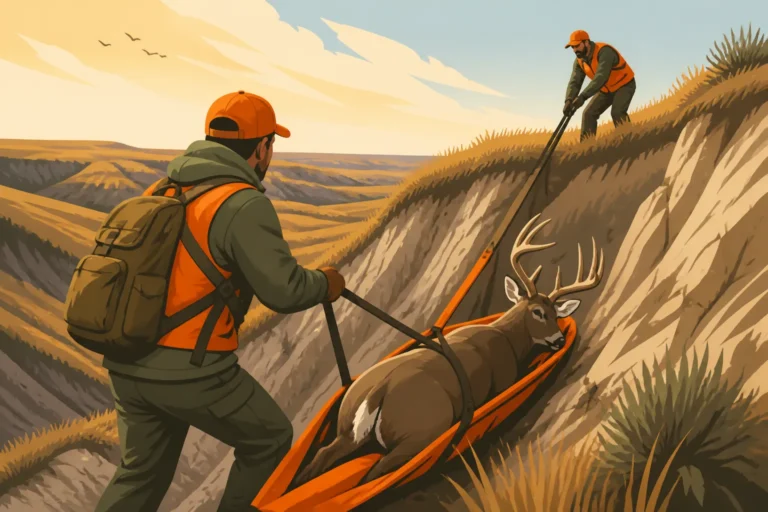
Clothing should be practical and layered, suitable for North Dakota's notoriously variable weather. Even if it starts mild, a sudden cold front can blow in quickly. Prioritize quiet fabrics that won't rustle loudly as you stalk through brush. And, of course, blaze orange is a non-negotiable for gun seasons, ensuring you're visible to other hunters and passing landowners. Always refer to North Dakota Blaze Orange Requirements to ensure you meet legal standards. Thinking about how you’ll extract your game is also smart—a small deer cart or drag rope could make a big difference, especially if you get lucky!
Prioritizing Safety in Densely Settled Areas
Safety is absolutely paramount when hunting anywhere, but it takes on an even greater importance when you're in proximity to homes, roads, and other human activity, as is often the case with small woodlots near Fargo. Your number one concern must be knowing your backstop. Every shot you take needs to have a clear, safe background, ensuring that your bullet or arrow won't travel beyond your intended target into an unknown area. This means being acutely aware of your surroundings—houses, barns, roads, and even other people could be nearby.
Beyond shot placement, always adhere to North Dakota's regulations regarding firearm discharge setbacks. There are specific distances you must maintain from occupied dwellings and certain public areas. Knowing North Dakota Firearms Discharge Setback Distance is not just good practice, it's the law, and violating it can have serious consequences. If you're hunting private land with permission, communicate clearly with the landowner about your hunting plans and where you'll be. It's also wise to wear sufficient blaze orange, even outside of specific legal requirements, to enhance your visibility to anyone else who might be in the area. Common sense, caution, and clear communication are your best tools for a safe and enjoyable hunt in these unique, urban-edge environments.
Disclaimer
Please note that hunting regulations, seasons, and land access rules can change frequently. Always consult the official North Dakota Game and Fish Department (NDGFD) website or current regulations booklet before planning any hunting trip. This guide provides general information and should not be considered legal advice or a substitute for official sources.