Which North Dakota Units Have Confirmed CWD
The growing concern over Chronic Wasting Disease (CWD) casts a shadow for many hunters heading into North Dakota’s deer season, making it crucial to understand where the disease has been detected. Knowing which North Dakota units have confirmed CWD is absolutely vital for every hunter, not just for compliance but also to make informed decisions about hunting locations, mandatory testing, and how to properly handle your harvest. This comprehensive guide will walk you through the specifics of North Dakota's CWD management efforts, helping you navigate the regulations and hunt responsibly.
Understanding Chronic Wasting Disease and its Impact
Chronic Wasting Disease (CWD) is a neurological disease that affects cervids – deer, elk, and moose. It's always fatal, and there is currently no cure or vaccine. The disease is caused by abnormal proteins called prions, which can persist in the environment for years, making it incredibly challenging to manage once it takes hold in an area. For hunters, the spread of CWD is a serious concern, impacting herd health, hunting opportunities, and the overall management strategies of state wildlife agencies. It’s a reality we all have to face when planning our seasons.
How CWD Spreads in Deer Populations
CWD spreads primarily through direct animal-to-animal contact, but also indirectly through contact with contaminated environments, such as soil, plants, and even feed sites where infected animals have left behind saliva, urine, or feces. The prions are incredibly resilient and can remain viable in the environment for a long time, infecting healthy animals that come into contact with them. This is why baiting restrictions are often put in place in CWD zones, because concentrating deer can inadvertently accelerate the disease's transmission. The thought of a once-healthy deer population slowly succumbing to this disease is heartbreaking for anyone who cherishes these animals and the tradition of hunting.
The disease's slow progression means an infected animal can appear healthy for an extended period, sometimes up to two years, before symptoms become apparent. This silent spread makes early detection and proactive management absolutely critical. The North Dakota Game and Fish Department (NDGFD) is constantly monitoring for CWD, collecting samples from harvested deer and elk to track its presence and spread, often focusing efforts on areas where the disease has already been detected. This continuous surveillance is our first line of defense in understanding and mitigating the impact of CWD on the state’s deer and elk herds.
The Long-Term Effects on North Dakota Hunting
The presence of CWD has profound long-term implications for North Dakota hunting. Beyond the obvious health risks to deer, it directly affects hunting regulations, license allocations, and even hunter behavior. When CWD is confirmed in a unit, it often leads to mandatory testing requirements, carcass transportation restrictions, and sometimes even changes in hunting unit boundaries or season structures. These measures, while necessary, can add layers of complexity to a hunt that many of us simply want to enjoy without too many extra hoops to jump through.
Moreover, CWD can influence herd demographics by reducing adult deer populations, especially older bucks, which are often more susceptible to the disease due to their wider range and longer exposure to environmental prions. This can lead to decreased harvest success rates and potentially fewer opportunities for hunters seeking mature animals. Understanding North Dakota's Expanding CWD Hunting Units and the rationale behind the regulations is crucial for hunters to adapt and continue to be part of the solution rather than inadvertently contributing to the problem.
Identifying North Dakota's Confirmed CWD Units
For North Dakota hunters, staying informed about the exact geographical areas where CWD has been confirmed is paramount. The North Dakota Game and Fish Department diligently tracks and updates these units, often designating them as specific "CWD Hunting Units" where special rules apply. These units are typically identified based on the location of confirmed positive cases in wild cervids.
The Current CWD Detection Landscape
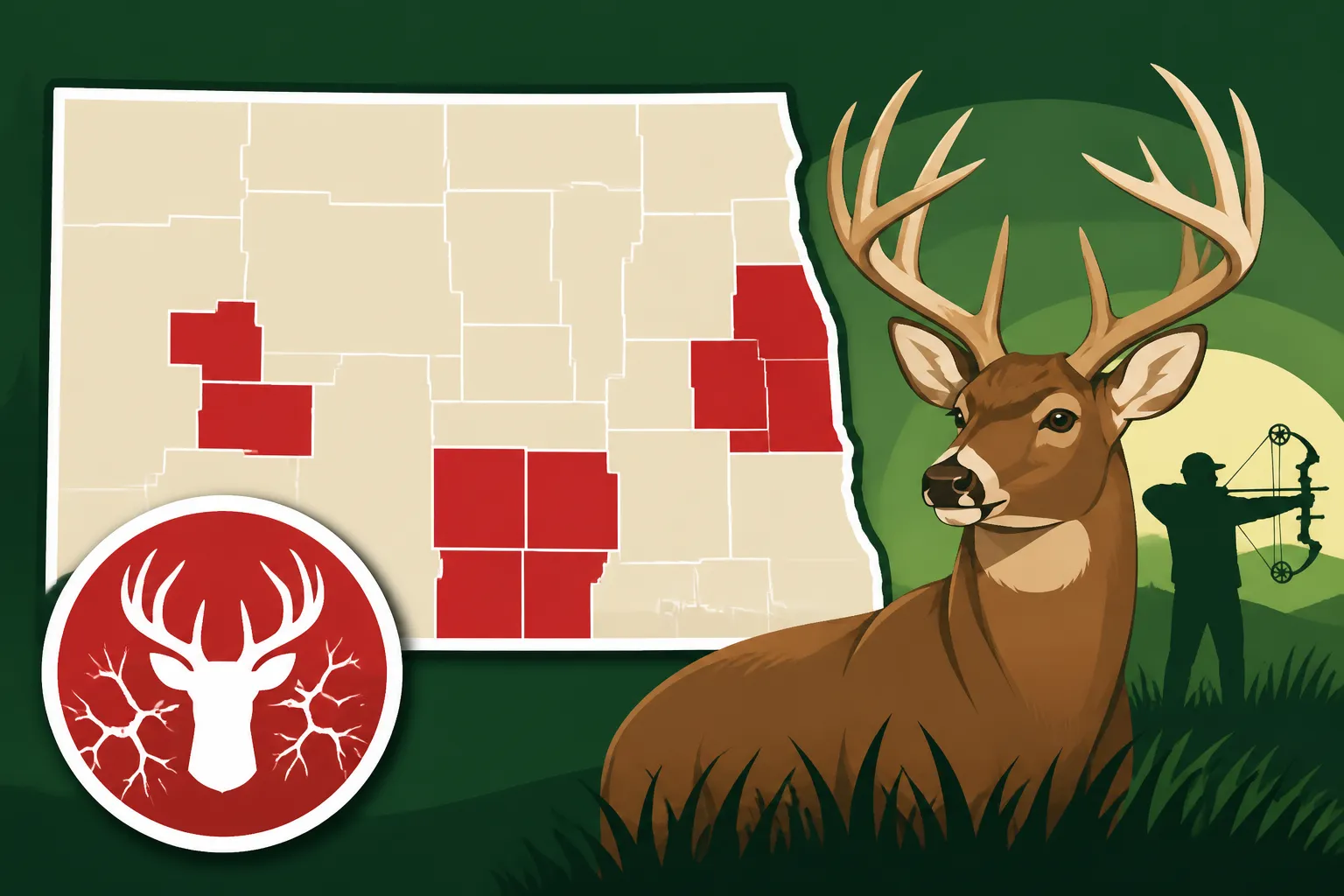
As of recent data, Chronic Wasting Disease has been detected in wild deer populations in several North Dakota hunting units. These units are predominantly located in the western and central parts of the state, particularly along the Missouri River corridor, which has been identified as a significant area for the disease's spread. Knowing How CWD Spread From the Missouri River Corridor helps us understand the natural movement patterns that contribute to the disease's expansion.
The NDGFD maintains a map and a list of these designated CWD units, which can change as new detections occur. It's not a static list; new units can be added if a positive test is confirmed within their boundaries. Hunters planning a trip to the Badlands or central prairie regions should always double-check the latest information, perhaps using resources like the GoHunt app, to ensure they are fully aware of any CWD regulations specific to their chosen hunting unit. This proactive approach helps avoid any surprises or accidental non-compliance once you're in the field.
To give you a clear picture, here’s a breakdown of some of the key units where CWD has been confirmed or where special surveillance is often in place. Keep in mind this information is dynamic and always subject to change by the North Dakota Game and Fish Department, so always check their official website before your hunt.
| Hunting Unit Designation | General Location | CWD Status | Key Species Affected | Special Considerations |
|---|---|---|---|---|
| 3F1, 3F2, 4A, 4B, 4C, 4D, 4E | Southwest Badlands | Confirmed CWD | Mule Deer, Whitetail | Mandatory samples |
| 2E, 2L, 3A1, 3A2, 3B1, 3C, 3D1, 3D2 | Central/Western Missouri River | Confirmed CWD | Whitetail, Elk | Mandatory samples |
| Additional Surveillance Units | Varies | Increased Monitoring | Whitetail, Mule Deer | Voluntary samples, potential future mandatory testing |
Note: This table provides a general overview. Always consult the most current North Dakota Game and Fish Department regulations for precise unit boundaries and up-to-date CWD status.
Historical Spread and Future Projections
The history of CWD in North Dakota shows a concerning but predictable pattern. Initially detected in the southwest region, specifically in unit 3F2, the disease has slowly but steadily appeared in neighboring and contiguous units. The movement of deer populations, especially during the rut or in response to winter conditions, facilitates this spread. Understanding North Dakota's Fourteen-Unit CWD Zone reveals the geographical extent of this challenge.
Looking ahead, future projections suggest that CWD will likely continue to expand its footprint in North Dakota. Wildlife biologists and managers are working tirelessly to understand North Dakota CWD Prevalence Rate Trends to better predict and mitigate this spread. Factors like deer density, habitat fragmentation, and human activities (such as supplemental feeding or carcass disposal) all play a role in how rapidly and extensively CWD might spread. As hunters, being part of the solution means not only adhering to regulations but also supporting research and management efforts. This often involves taking the time to provide samples from your harvested animals, even if it adds a few extra steps to your post-harvest routine.
Mandatory CWD Testing and Hunter Responsibilities
Hunting in a CWD-positive unit comes with specific responsibilities, primarily centered around mandatory testing of harvested animals. This isn't just a suggestion; it's a critical component of North Dakota's CWD management strategy, designed to help monitor the disease's prevalence and geographic spread. Skipping these steps can lead to penalties and, more importantly, can hinder the state's efforts to protect its deer herds.
The Mandatory Sampling Process
If you successfully harvest a deer, elk, or moose in a designated CWD hunting unit, you are typically required to submit the head for CWD testing. This can feel like an extra hassle, especially after a long day in the field, but it’s a necessary step. The process usually involves taking the head, with at least 4-6 inches of neck attached, to an official CWD sampling station. These stations are strategically located throughout and around the CWD units, making it as convenient as possible for hunters. You can usually find a list of North Dakota CWD Sampling Stations on the NDGFD website or through the GoHunt app.
At the station, staff will collect lymph node samples from the animal's head. You'll need to provide your license information, the unit where you harvested the animal, and contact details so you can be notified of the test results. The NDGFD aims to process these samples and provide results in a timely manner, usually within a few weeks. It’s important to properly tag your animal immediately after harvest and keep your license and permit information readily available throughout this process. This whole procedure helps the NDGFD track the disease effectively and provides valuable data for future management decisions.
Carcass Transport and Disposal Restrictions
Beyond mandatory testing, there are strict rules regarding carcass transportation out of CWD hunting units. These regulations are in place to prevent the physical movement of potentially infected animal parts, which could introduce CWD prions into new, unaffected areas. Generally, you cannot transport a whole carcass or certain high-risk parts (like the brain, spinal cord, or lymph nodes) out of a CWD unit. This is probably one of the most frustrating rules for hunters, especially if you’ve traveled a long way, but it’s critical for containment.
To comply, hunters usually need to debone their animal within the CWD unit, leaving the skull plate (with antlers attached if applicable, to prove sex and legality), cleaned skull, hide, and edible meat to transport out. Spinal columns, brains, and other high-risk materials must be left in the unit, typically disposed of in designated CWD disposal dumpsters provided by the NDGFD or buried deep on private land with landowner permission. Knowing these rules beforehand will save you a lot of headache and potential legal trouble. Make sure you understand Handling Venison From a CWD Hunting Unit and other carcass regulations before you leave for your hunt.
Navigating CWD Regulations for a Successful Hunt
Hunting in North Dakota with CWD present adds a layer of complexity that modern hunters must contend with. It’s no longer just about scouting, shooting, and skinning; it’s about being an informed, responsible steward of the wildlife resource. Navigating these regulations successfully means proactive planning, utilizing available resources, and committing to best practices.
Planning Your Hunt in CWD-Affected Areas
The first step in planning your hunt in or near a CWD unit is research. Before you even apply for a tag or pack your gear, check the latest NDGFD CWD maps and regulations. The specific rules for Mandatory Testing Inside a CWD Hunting Unit can vary slightly year to year or even unit to unit, so relying on outdated information is a recipe for trouble. Consider using digital mapping tools like GoHunt, which often integrate public land and regulatory information, helping you identify CWD unit boundaries quickly.
Think about your post-harvest plan, too. If you’re hunting in a CWD unit, where will you debone your animal? Where are the closest sampling stations? Do you have the necessary tools for carcass breakdown in the field? For non-residents or those traveling long distances, these considerations are even more critical. Planning ahead for carcass disposal and transportation can turn what could be a frustrating logistical challenge into a smooth, compliant process. This forward-thinking approach will make your hunt much more enjoyable and stress-free.
Adhering to Best Practices in the Field
Beyond official regulations, there are best practices that all hunters should adopt to minimize the risk of CWD transmission. One of the most important is avoiding the use of bait or artificial attractants, especially in areas where CWD is a concern. Remember Why Baiting Is Banned on National Grasslands in CWD zones? It’s because concentrating animals at a feed site can increase direct and indirect contact, accelerating the spread of the disease. While baiting might seem like a shortcut, the long-term cost to the deer population is simply too high.
Another crucial practice is proper field dressing. While CWD prions are concentrated in the brain, spinal cord, and lymph nodes, minimizing the spread of any bodily fluids in the field is always a good idea. Wear gloves, use separate knives for field dressing versus butchering, and avoid spreading brain or spinal cord tissue unnecessarily. If you encounter a deer that appears sick or emaciated, do not harvest it. Report its location to the NDGFD. These subtle changes in our hunting habits collectively contribute to a healthier deer population and help slow the spread of CWD. Finally, always be sure to complete your North Dakota Deer Reporting Requirements accurately, as this data also helps the NDGFD monitor herd health and management.
Staying Updated on CWD Information
The CWD situation is constantly evolving, with new research, new detections, and updated management strategies. As a responsible hunter, it's your job to stay informed. Regularly check the North Dakota Game and Fish Department's official website, subscribe to their newsletters, and follow their social media channels. The NDGFD often releases press updates, special hunt proclamations, and detailed CWD management plans that are essential reading for anyone hunting in the state.
Resources like the GoHunt platform and other reputable hunting forums can also be excellent places to find community discussions and share experiences, but always cross-reference information with official NDGFD sources. By staying informed, you not only ensure compliance with the law but also become a vital partner in North Dakota's ongoing efforts to manage and hopefully one day mitigate the impact of CWD on its cherished wildlife resources.
Disclaimer
The information provided in this guide is intended for educational and informational purposes only and is subject to change. Hunting regulations, CWD unit designations, and testing requirements are determined by the North Dakota Game and Fish Department and can be updated at any time. Hunters are solely responsible for verifying and complying with all current state laws and regulations before engaging in any hunting activities. Always consult the official North Dakota Game and Fish Department website or contact them directly for the most accurate and up-to-date information.