Finding a North Dakota CWD Sampling Station
Dealing with Chronic Wasting Disease (CWD) is a serious concern for any hunter who cherishes North Dakota's deer herds. It can feel daunting to understand the testing requirements and figure out where to even take your harvested animal for sampling. This guide will walk you through everything you need to know about finding and using CWD sampling stations across North Dakota, ensuring you can do your part to help manage this complex issue.
Understanding CWD and Why Hunter Participation is Crucial
Chronic Wasting Disease is a nasty neurological disease that affects deer, elk, and moose. It's always fatal, and while there's no evidence it can transfer to humans, it's something we absolutely want to keep a close eye on and limit its spread within our wildlife populations. For North Dakota hunters, it’s not just about getting your deer tagged; it’s about contributing vital data to understand the disease's prevalence and distribution. The North Dakota Game and Fish Department relies heavily on hunter-submitted samples to monitor CWD, especially with North Dakota's Expanding CWD Hunting Units. Your participation isn't just a regulatory checkbox; it's a critical act of conservation.
What is CWD and How Does it Spread?
CWD is caused by abnormal proteins called prions, not a virus or bacteria. These prions accumulate in the brain and nervous system of infected animals, eventually leading to symptoms like drastic weight loss, stumbling, listlessness, and behavioral changes. The scariest part? CWD can spread through direct animal-to-animal contact, but also indirectly through contaminated environments. That means urine, feces, saliva, and even decomposing carcasses can deposit prions into the soil or vegetation, where they can persist for years and infect other animals. This environmental persistence makes it incredibly challenging to manage and highlights why widespread monitoring through hunter samples is so important.
The Role of Mandatory and Voluntary Testing
North Dakota has a two-pronged approach to CWD testing: mandatory and voluntary. Mandatory testing zones, typically certain rifle deer units, are established where CWD has been detected or is strongly suspected. If you harvest a deer in one of these designated units during the rifle season, submitting the head for testing isn't optional – it's required. This helps the Game and Fish collect a statistically significant number of samples from high-risk areas. For hunters in other units, or those harvesting deer during archery or muzzleloader seasons, voluntary testing is still highly encouraged. Every single sample provides a piece of the puzzle, helping wildlife biologists track the disease’s presence and movement across the state, especially since North Dakota's Fourteen-Unit CWD Zone has been identified. The more data we gather from hunters, the better our collective understanding and management strategies will be.
Navigating the North Dakota Game and Fish Department's Sampling Program
The North Dakota Game and Fish Department (NDGFD) has worked hard to make CWD sampling as straightforward as possible for hunters. They understand that adding another step to your hunting trip can be a hassle, especially after a long day afield, so they've established various methods and locations to ease the process. Familiarizing yourself with these options before you even head out can save you time and stress post-harvest. This planning is crucial for all hunters, particularly if you're targeting areas covered by CWD Testing for North Dakota Hunters mandates.
Identifying Mandatory Testing Units and Seasons
First things first, always check the current year's hunting proclamation for deer. This is your bible for specific regulations, including which deer units have mandatory CWD testing. These units are typically identified based on previous CWD detections or proximity to known infected areas. It's usually during the traditional November firearm deer season that mandatory testing comes into play, primarily for rifle-harvested deer. If you're drawn for a deer tag in one of these units, consider your CWD sample submission as much a part of the hunt as buying your license. The NDGFD updates this information annually, so don't rely on last year's knowledge. A quick look at the "Deer Guide" or "Hunting and Trapping Guide" on the NDGFD website will give you the most current details.
Preparing Your Harvest for Submission
Before you drive to a sampling station, proper preparation of your deer's head is key. The NDGFD primarily needs the deer's head, with at least 4-6 inches of neck attached. This ensures the lymph nodes, where CWD prions are often concentrated, are still present and easily accessible for laboratory analysis. Make sure to remove any antlers if you plan to keep them, but leave the skull plate attached to the neck. If you're capeing your deer for taxidermy, discuss the CWD sample requirements with your taxidermist beforehand. They often have experience with CWD submissions and can prepare the head appropriately while preserving the cape. For drop-off barrels, it's also helpful to have your license information readily available. Make sure to use gloves when handling the head, and it's always a good idea to have a sturdy plastic bag to prevent any mess during transport.
Where and How to Find CWD Sampling Stations
Finding a CWD sampling station in North Dakota is easier than you might think, thanks to a robust network of options set up by the North Dakota Game and Fish Department. They’ve really tried to cover the state, particularly in areas with higher hunter traffic or known CWD concerns. Whether you're hunting deep in the Badlands or closer to a more populated area, there's a solution for you. For those using advanced tools to plan their hunts, integrating information about CWD units with mapping layers on platforms like GoHunt can be incredibly helpful for identifying potential drop-off points well in advance.
Drop-Off Barrels and Self-Service Stations
The most common and widespread method for CWD submission is the network of self-service drop-off barrels. These bright orange barrels are placed strategically across the state, especially in mandatory CWD units and other high-harvest areas. They're typically available for the duration of the deer gun season and often into the muzzleloader season. You'll find them at various locations like wildlife management areas, county shops, gas stations, or local businesses that partner with the NDGFD. Each barrel will have instructions, plastic bags, and tags to fill out. You simply place your deer head (with the required neck portion) into a provided bag, attach the filled-out tag with your license number, harvest date, and unit, and drop it into the barrel. It’s convenient and allows for submissions any time of day or night. It's a great option when you're done with your hunt for the day, even if it's late, rather than waiting until the next morning.
Manned Sampling Stations and Game and Fish Offices
For a more guided experience, the NDGFD often operates manned sampling stations during the opening weekend of the deer gun season, particularly in mandatory CWD units. These stations are staffed by Game and Fish personnel who can assist with removing the lymph nodes for testing, answer questions, and ensure all paperwork is correctly filled out. This can be especially helpful for first-time submitters or those who prefer not to handle the head preparation themselves. Beyond specific manned stations, you can also submit deer heads at any of the NDGFD's district or main offices during regular business hours. This includes locations in Bismarck, Jamestown, Riverdale, and Dickinson. While this might require a bit more travel for some hunters, it offers the peace of mind of handing your sample directly to Game and Fish staff. Always check the NDGFD website for the most up-to-date schedule and locations of manned stations.
Using Digital Resources to Pinpoint Locations
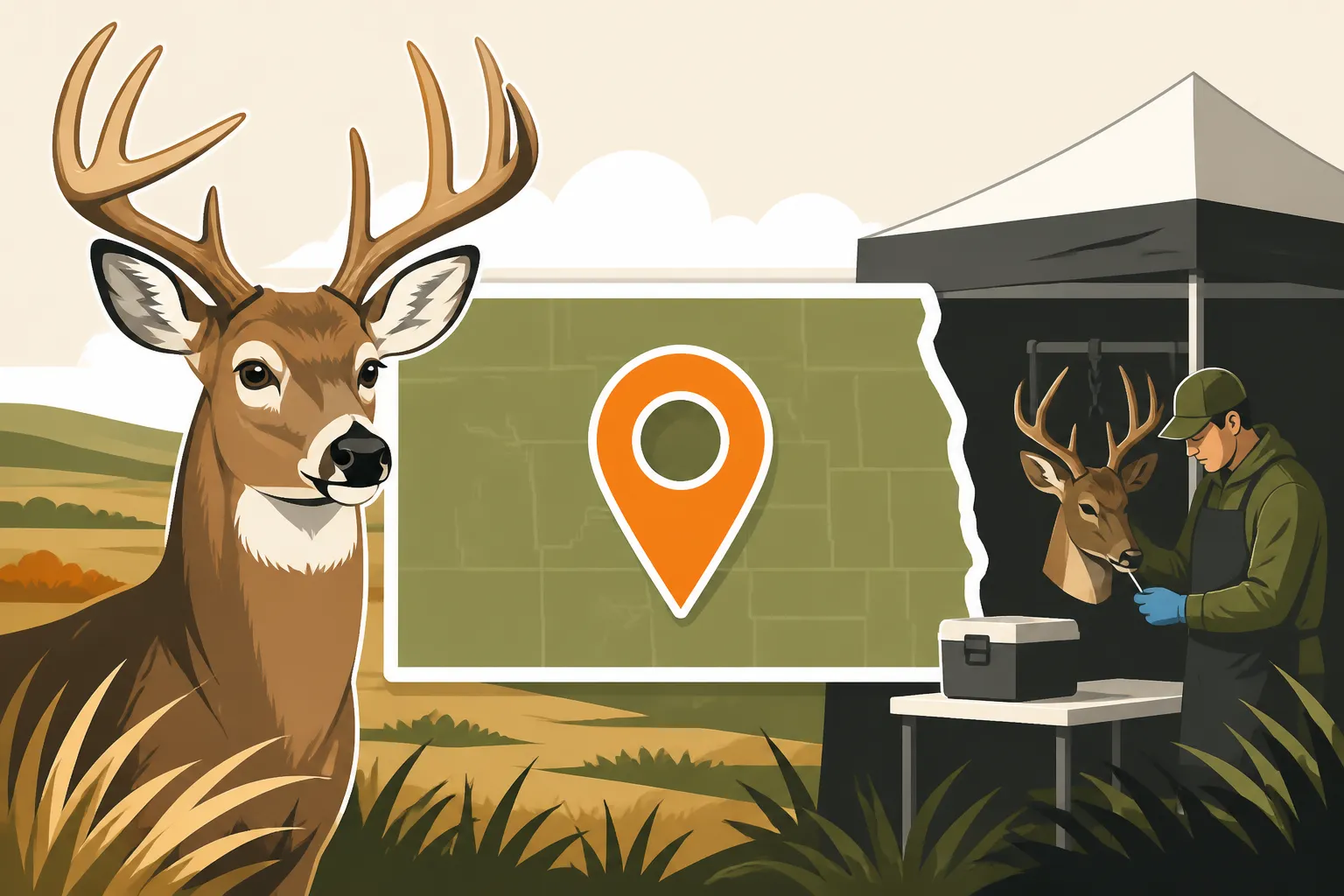
The North Dakota Game and Fish Department provides excellent digital tools to help hunters locate sampling stations. Their official website has an interactive map that shows all current CWD drop-off barrel locations, manned stations, and regional offices. You can filter by county or search by specific unit. It's always a good idea to check this map right before your hunt, as locations can sometimes change. Additionally, the NDGFD's mobile app, available for both iOS and Android, often includes similar mapping features and real-time updates. If you're already using a robust hunting app like GoHunt for mapping and scouting, cross-referencing that information with the NDGFD map ensures you have a comprehensive understanding of where to go. Being prepared with this information is just as important as knowing How Many Acres of PLOTS Land North Dakota Has or your favorite hunting spots.
Here's a quick reference table for finding CWD sampling stations:
| Station Type | Availability | Convenience Level | Typical Locations | What to Bring |
|---|---|---|---|---|
| Self-Service Barrels | Throughout deer gun and muzzleloader seasons | High (24/7) | WMAs, county shops, gas stations, local businesses | Deer head (4-6" neck), license/tag info, gloves, plastic bag (usually provided) |
| Manned Stations | Primarily opening weekend of deer gun season | Moderate (staffed hours) | Designated sites in mandatory units, often roadside stops | Deer head (4-6" neck), license/tag info, questions |
| NDGFD Regional Offices | Regular business hours, year-round | Moderate (limited hours) | Bismarck, Jamestown, Riverdale, Dickinson | Deer head (4-6" neck), license/tag info |
| Taxidermists/Processors | Varies by business, usually by appointment | Varies | Local taxidermy shops, meat processors | Pre-arranged with taxidermist/processor |
What to Expect When Submitting a Sample and Getting Results
Submitting your CWD sample is typically a straightforward process, but knowing what happens next can alleviate any anxiety. Once you’ve done your part and dropped off that deer head, you might be wondering about the timeline for results, how you'll be notified, and what to do if your deer happens to test positive. Understanding these next steps is part of the overall responsibility when Hunting North Dakota's November Gun Deer Season in CWD-affected units.
The Submission Process and Data Collection
When you submit a deer head, whether at a barrel or a manned station, you'll be required to provide your hunting license number, the date of harvest, and the hunting unit where the deer was taken. This information is critical for the NDGFD to correctly link the sample to its origin and to contact you with results. At manned stations, staff will often ask you a few more questions about the deer, its condition, and exact harvest location. For barrel submissions, make sure your tag is filled out completely and legibly. Each sample is then assigned a unique tracking number and sent to a specialized laboratory for analysis. This data, combined with other harvest information, helps the Game and Fish understand North Dakota CWD Prevalence Rate Trends and how to manage the disease effectively.
Receiving Your Test Results
The turnaround time for CWD test results can vary, depending on the volume of samples received and lab capacity. Typically, you can expect results within 3 to 6 weeks. The NDGFD primarily notifies hunters only if their deer tests positive for CWD. If you do not hear back from the Game and Fish Department within that timeframe, you can generally assume your deer tested negative. However, many hunters prefer to confirm. You can often check the status of your sample online through the NDGFD website's CWD portal by entering your license number or the sample ID if you received one. This allows hunters to easily see if their deer's results have been processed, much like you would use the system for North Dakota Deer Reporting Requirements.
What Happens with a Positive Test Result
While we all hope for negative results, it's important to know what steps are taken if your deer tests positive for CWD. If your deer tests positive, an NDGFD official will contact you directly to inform you of the result. They will provide guidance on what to do with the carcass and any meat you may still possess. Generally, it's advised not to consume meat from a CWD-positive animal. The department will also often ask for more detailed information about the exact harvest location to aid in further surveillance efforts. They're not there to make you feel bad; they're there to collaborate on managing the disease. This direct communication is a critical part of the department's strategy to contain the spread, especially considering How CWD Spread From the Missouri River Corridor in past years.
Disclaimer
The information provided in this guide is for general informational purposes only and is subject to change. Hunting regulations, CWD testing protocols, and station locations are updated annually by the North Dakota Game and Fish Department. Always consult the most current North Dakota Game and Fish Department proclamation and official website for the most accurate and up-to-date rules and information before engaging in any hunting activities.