Why North Dakota Has No Nonresident Spring Turkey
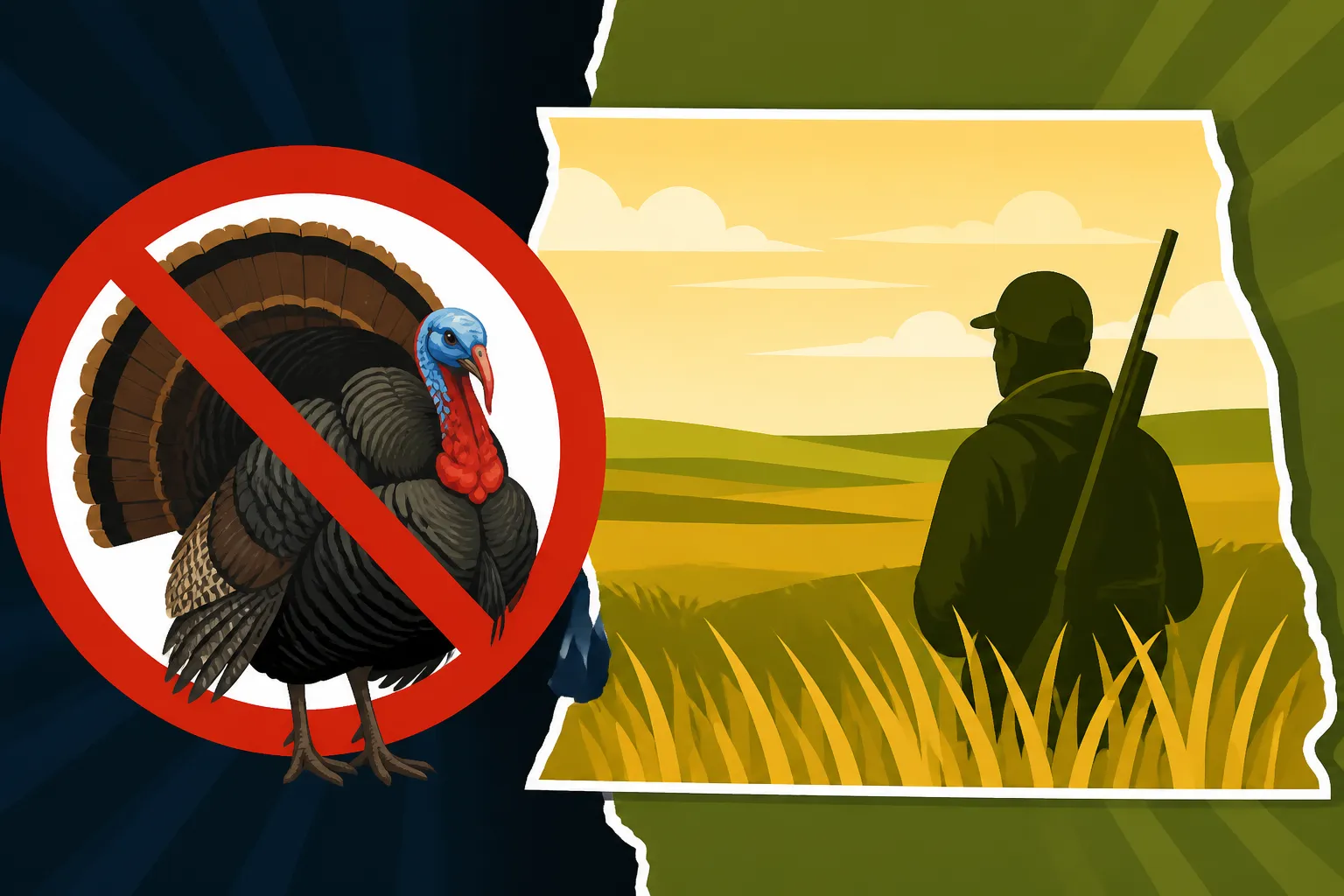
It’s a tough pill to swallow for many nonresident hunters looking to experience the thrill of a North Dakota spring morning chasing gobblers. You’ve likely researched, dreamt of calling in a big tom, only to discover that the Peace Garden State keeps its coveted spring turkey season strictly for its residents. This policy can feel frustrating and exclusive, but there are solid reasons behind it, and understanding those can help you navigate alternative opportunities for pursuing wild turkeys in North Dakota.
The Resident-Only Spring Turkey Policy Explained
Many hunters, particularly those from out-of-state, are often scratching their heads when they look at North Dakota's spring turkey regulations. While many states offer some form of nonresident spring turkey hunting, North Dakota has maintained a firm stance: spring gobblers are for residents only. This isn't just an arbitrary rule; it's deeply rooted in wildlife management philosophy, conservation efforts, and prioritizing the resident hunting experience.
Prioritizing Resident Opportunities and Resource Management
The North Dakota Game and Fish Department (NDGFD) operates with a core mission to manage the state's wildlife resources for the benefit of all citizens, and that often translates to prioritizing resident hunters when resource availability is limited or fragile. When it comes to wild turkeys, especially the spring season, the focus is squarely on the breeding population. Spring is a critical time for reproduction, and excessive pressure, even if carefully managed, can impact future turkey numbers. By restricting the spring hunt to residents, the NDGFD can better control the number of tags issued, distribute hunting pressure across the landscape more effectively, and ensure that the opportunity to hunt these birds is preserved for those who call North Dakota home. It's a conservative approach designed to ensure the long-term health and stability of the state's turkey populations, which aren't as widespread or robust as in some other regions of the country.
Furthermore, it speaks to a broader philosophy shared by many states regarding wildlife as a public trust resource. When demand for a particular species is high, and the supply of tags is inherently limited, giving residents first dibs is a common practice. This ensures that the local populace, who contribute to the state's conservation through their license fees and taxes, are the primary beneficiaries of the hunting opportunities within their borders.
Understanding Turkey Population Trends and Habitat
North Dakota's wild turkey populations, while doing relatively well in certain areas, face unique challenges compared to more timbered states. Much of the state is open prairie, and turkeys rely heavily on specific habitat features like river bottom timber, shelterbelts, and mature wooded draws, often found near agricultural lands. These pockets of prime habitat can be somewhat fragmented, and harsh prairie winters can take a significant toll on turkey survival rates. A late, heavy snow or prolonged deep freeze can reduce flock numbers, making conservative management even more crucial.
The NDGFD closely monitors turkey population trends through various surveys, including winter flock counts and brood surveys in the summer. These surveys inform their decisions on license allocations. If population numbers are down due to severe weather, disease, or habitat loss, they're much more likely to reduce tag numbers or maintain stricter regulations, like the resident-only spring season, to allow the birds to recover. You can find more details on these trends by looking into North Dakota Turkey Population Trends. It's a delicate balance, and the resident-only spring season is one tool to maintain that balance.
The Application and Licensing Process for Residents
For North Dakota residents, applying for a spring turkey license involves a lottery system. Hunters typically apply for specific units, and the number of tags in each unit is carefully controlled based on population estimates and desired harvest objectives. This system ensures that even among residents, access is managed, preventing overharvest in any particular area. The resident-only policy for spring turkey hunting means that nonresidents cannot even enter this lottery. While this might seem unfair from an outsider's perspective, it highlights the perceived value and limited nature of the spring turkey resource within the state. You can learn more about the specifics of resident applications and general costs by checking out North Dakota Resident License Options and North Dakota Hunting Licenses and What They Cost.
Exploring Nonresident Turkey Hunting Alternatives
While the spring turkey door might be closed for nonresidents, it doesn't mean you have to give up on hunting North Dakota's wild turkeys entirely. The state offers a viable and often exciting alternative: the fall turkey season. This season presents a different kind of challenge and a unique opportunity for nonresidents to experience turkey hunting on the prairie.
Fall Turkey Season: Your Nonresident Opportunity
Unlike the spring, North Dakota's fall turkey season is open to nonresidents. This is a crucial distinction and a fantastic opportunity for hunters from outside the state. The fall season typically runs for a much longer period than the spring season, often from early September into January, giving hunters a wide window of opportunity. The focus of fall hunting is generally on breaking up flocks and calling birds back in, or spot-and-stalk tactics, rather than mimicking breeding calls. This can be a highly rewarding and challenging experience, very different from the spring hunt, but equally exciting.
The NDGFD manages fall tags differently as well. While spring tags are unit-specific and lottery-drawn, fall tags are often available over-the-counter or through an easier application process, with higher quotas in many units, particularly for "any-turkey" licenses, meaning you can take a hen or a gobbler. This flexibility makes it much more accessible for nonresidents. You can delve deeper into the specifics by reading up on North Dakota Fall Turkey Season Rules and North Dakota Fall Turkey License Availability.
Tactics and Gear for Fall Turkey Hunting
Fall turkey hunting demands a different approach than the spring. Instead of setting up decoys and relying on gobbling to locate birds, fall hunters often focus on scouting for flocks in agricultural fields, timbered river bottoms, or shelterbelts. Once a flock is located, the classic tactic is to bust them up, scattering the birds in all directions. Then, the hunter sets up and uses assembly calls, like kee-kees and yelps, to call the scattered birds back together. It's a game of patience and knowing when to call and when to remain silent.
Gear-wise, you might lean more into camouflage that blends with fall foliage or even snow later in the season. Binoculars are essential for spotting distant flocks on the open prairie. Shotguns remain the primary weapon, but some hunters also use bows or even rifles during the fall season, depending on regulations and personal preference. For those looking to really hone their skills, understanding how to effectively execute strategies like Calling a Fall Gobbler Flock can significantly increase your success.
Standing Rock Nation: A Unique Nonresident Option
Beyond the statewide fall turkey season, nonresidents have another unique avenue for turkey hunting in North Dakota: the Standing Rock Indian Reservation. The Standing Rock Nation issues its own hunting permits and often has separate turkey tags available for nonresidents, sometimes even for spring seasons. These opportunities are managed by the tribal game and fish department and can offer a different, often less pressured, hunting experience.
Hunting on tribal lands requires purchasing their specific permits in addition to any state licenses you might hold, and understanding their regulations is paramount. The Standing Rock area has excellent turkey habitat, especially along the Missouri River breaks, and can provide a memorable hunt. It’s always best to contact the Standing Rock Game and Fish Department directly for the most current information on nonresident tag availability and season dates. To get a better understanding of this specific opportunity, check out Hunting the Standing Rock Fall Turkey Option. This represents a specific alternative that can be very appealing for nonresidents determined to pursue turkeys in North Dakota.
The Conservation Perspective: Why Such Strict Rules?
It’s easy to feel a bit put out when a state has restrictions like these, but from a wildlife management standpoint, these rules are often critical for maintaining healthy, sustainable populations. Conservation isn't just about preserving animals; it's about managing them responsibly so that future generations can also enjoy these resources.
Ensuring Long-Term Turkey Health
North Dakota’s conservative approach to spring turkey hunting for nonresidents is primarily a safeguard for the species. Turkeys are ground-nesting birds, and their reproductive success can be highly variable year to year due to weather, predation, and habitat conditions. Spring hunting, even if limited to gobblers, occurs during the critical breeding and nesting period. By minimizing potential disruptions and keeping harvest numbers low, especially of toms that are actively breeding, the NDGFD aims to maximize the chances for a successful hatch and strong recruitment into the population.
This strategy ensures that the "seed stock" for future turkey populations remains robust. It’s a proactive measure that prioritizes biological sustainability over maximizing short-term hunting revenue from nonresident licenses. Think about it: if the state allowed unlimited nonresident spring hunting and the population crashed due to a bad winter or disease, everyone would lose out in the long run. These restrictions, therefore, contribute to the overall health and resilience of Wild Turkeys in North Dakota.
The Role of Hunter Contributions
While nonresidents can't directly contribute to the spring turkey program through license fees, their participation in the fall season still supports general wildlife conservation efforts in North Dakota. All hunting license fees, whether resident or nonresident, contribute to the NDGFD's budget, which funds habitat projects, wildlife research, law enforcement, and public access initiatives. These efforts benefit all wildlife, including turkeys.
Many hunters also play a vital role in citizen science by reporting observations or harvest data. Companies like GoHunt provide mapping and data resources that allow hunters to scout and plan their trips more effectively, indirectly supporting responsible hunting by making information more accessible. Hunters who use such platforms often gain a deeper understanding of habitat and animal behavior, which contributes to more ethical and informed hunting practices. Even if you're a nonresident focusing on fall turkey or other species, your presence and participation contribute to the broader hunting economy and conservation framework.
Adapting to North Dakota’s Unique Environment
North Dakota is not typical deer or turkey country in the same way some eastern or southern states are. Its open landscapes and harsh climate create unique challenges and opportunities. The regulations reflect this reality. What works for turkey management in, say, Alabama, might not be appropriate for North Dakota. The NDGFD continually assesses population dynamics, habitat availability, and hunter demand to adjust its policies.
The emphasis on managing for sustained yield, especially for species sensitive to environmental fluctuations like wild turkeys, means that tough decisions, such as restricting nonresident access to certain seasons, are sometimes necessary. This adaptability ensures that hunting traditions can continue in the face of ecological and environmental changes.
Comparative Look: Spring vs. Fall Turkey Hunting for Nonresidents
Here's a quick overview to help nonresidents understand the differences in turkey hunting opportunities in North Dakota:
| Feature | Spring Turkey (Nonresident) | Fall Turkey (Nonresident) |
|---|---|---|
| Availability | Not available | Yes, generally available |
| License Type | N/A | Over-the-counter or easy application |
| Season Length | N/A | Typically long (Sept – Jan) |
| Primary Target | N/A (Gobblers) | Any turkey (gobblers or hens) |
| Hunting Style | N/A (Calling to gobblers) | Breaking up flocks, assembly calls, spot-and-stalk |
| Pressure | N/A (Resident-only lottery) | Generally lower than spring, varied by unit |
| Trophy Focus | N/A | Meat or experience-driven |
| Tribal Lands | Potentially via Standing Rock | Potentially via Standing Rock |
This table clearly illustrates that while spring turkey might be off-limits, the fall season offers a distinct and accessible experience for nonresidents wanting to chase turkeys in North Dakota. Planning a trip around this season, and leveraging tools for scouting, can lead to a highly successful and enjoyable hunt. Many hunters, even residents, find the challenge of fall turkey hunting to be incredibly rewarding.
Final Thoughts on Planning Your North Dakota Turkey Hunt
While the absence of a nonresident spring turkey season in North Dakota might initially seem like a barrier, it's a policy rooted in sound wildlife management and a commitment to resident priority. But it doesn't close the door to experiencing turkey hunting in this unique state. Focusing your efforts on the generous fall turkey season, or exploring the special opportunities available through the Standing Rock Nation, can provide an equally thrilling and successful hunt.
Remember to always thoroughly research the most current regulations, license requirements, and season dates directly from the North Dakota Game and Fish Department website or through reliable hunting resources. Tools like GoHunt can be invaluable for e-scouting and understanding license details for available seasons. By understanding the "why" behind the rules and adapting your plans, you can still have an incredible North Dakota turkey hunting adventure.
Disclaimer
The information provided in this guide is for general informational purposes only and is subject to change. Hunting regulations, seasons, and licensing requirements can vary and are often updated annually by the North Dakota Game and Fish Department. Always consult the official North Dakota Game and Fish Department regulations and current proclamations before planning or engaging in any hunting activities.