North Dakota Goose Season Dates
Trying to pin down the exact North Dakota goose season dates can feel like chasing a flock of honkers across a section of corn stubble—just when you think you've got them in your sights, they shift. It’s a common frustration for hunters, especially with the state's diverse zones and varying regulations for different goose species. This guide is here to clear up that confusion, offering a comprehensive look at what to expect for North Dakota's goose hunting seasons so you can plan your next memorable prairie hunt with confidence.
Understanding North Dakota’s Goose Season Structure
North Dakota isn’t just one big, uniform hunting ground, especially when it comes to waterfowl. The state is strategically divided into different zones, each with its own set of rules and, crucially, its own goose season dates. This isn’t just arbitrary; it’s a carefully considered approach by the North Dakota Game and Fish Department (NDGFD) to manage goose populations, account for varying migration patterns, and distribute hunting pressure. Knowing these zones and their specific windows is your first step to a successful hunt.
The Early Goose Season
For many hunters, the early goose season is a fantastic way to kick off the fall, usually starting in late August. This isn’t just about getting out there early; it serves a vital management purpose: addressing resident Canada goose populations. These birds, often nesting and raising broods right within North Dakota, can be quite numerous. An early season helps to manage their numbers before the big push of migratory geese from Canada starts heading south. This season is typically shorter than the regular season and often has more generous bag limits, reflecting the management objective. It’s a prime opportunity to scout local birds and get your calling chops back in shape.
Regular Goose Season by Zone
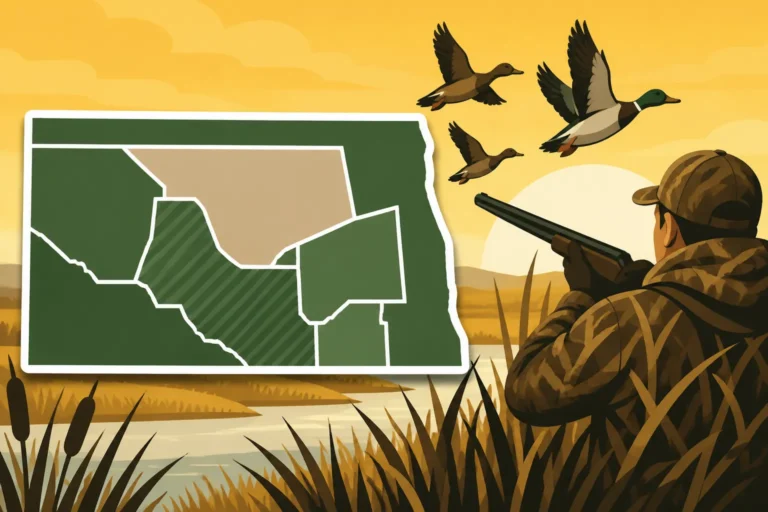
Once the early season wraps up, usually around the first week of September, the main event begins—the regular goose season. This is where the zone system really comes into play. North Dakota typically has three main zones for goose hunting: the Low Plains Unit, the High Plains Unit (sometimes referred to as the Central Flyway Zone), and the distinct Missouri River Canada Goose Zone.
The dates for these zones are staggered to align with the arrival and departure of migratory geese. For instance, the Low Plains Unit, often covering the eastern half of the state, might see an earlier close as birds move through. The High Plains Unit, encompassing much of western and central North Dakota, tends to have a longer season, extending further into the late fall and early winter to accommodate the later migrations. Then there's the Missouri River Canada Goose Zone, a narrower corridor along the Missouri River and its main tributaries, which has entirely different dates and bag limits specifically designed for the large numbers of Canada geese that utilize this critical migration route and wintering habitat. This is one area where North Dakota really shines for waterfowl hunters, with significant numbers of both dark and light geese making their way through.
Late Goose Season Opportunities
Just when you thought the season was winding down, North Dakota often provides late-season opportunities, particularly for light geese—that’s your snow and Ross’s geese. These extended seasons, sometimes called “conservation orders,” are typically designed to help manage the immense populations of light geese that migrate through the state. They can run well into December and even January in some areas, offering unique, often cold, hunting challenges. These late seasons are crucial for reducing depredation on fragile arctic breeding grounds, and they offer hunters a chance to experience large-scale goose hunts that are truly unparalleled. Sometimes, these conservation orders come with special rules, like electronic calls and extended shooting hours, to maximize effectiveness.
Key Dates and Regional Variations to Watch For
Navigating North Dakota’s goose season dates means keeping an eye on specific calendar windows and understanding how these windows differ depending on the species you’re targeting and the zone you’re hunting in. It’s not just about one opening day; it’s about a series of opportunities that unfold throughout the fall and winter.
Dark Goose Canada White-Fronted Season Dates
Dark geese primarily refer to Canada geese and white-fronted geese, often called “specklebellies” or “specks.” These are the giants and the gourmet delights of the goose world, respectively. For the Canada goose, the early season typically kicks off in late August and runs through early September, state-wide. The regular season for Canada geese generally opens around September 15th to the 20th in the Low Plains Unit and the High Plains Unit, and will often run into mid-December or even late December. The Missouri River Canada Goose Zone usually opens with the general season, but its specific dates and daily bag limits can differ. For white-fronted geese, their season usually aligns more closely with the regular duck season, opening in late September or early October and running through late November or early December, again depending on the zone. It’s critical to remember that while their seasons might overlap, white-fronted geese often have a much smaller daily bag limit than Canada geese, so always check the specific regulations. This staggered approach helps manage local and migratory populations effectively.
Light Goose Snow Ross’s Season Dates
Light geese, which include snow geese and Ross’s geese, offer a different hunting experience entirely, largely due to their sheer numbers. Their regular fall season usually opens in late September or early October, often running concurrently with the dark goose season for a period. However, the real excitement for many light goose hunters comes with the Fall Light Goose Conservation Order. This extended period typically begins in mid-October or early November, after the regular goose season has closed for many species, and can extend deep into December, sometimes even pushing into January, depending on the unit. This is when the special conservation order rules kick in, allowing for things like unplugged shotguns and electronic calls, which are usually prohibited during the regular season. This extended season is designed to help reduce the overpopulation of these birds, which can devastate their Arctic breeding grounds. If you’re looking for a high-volume shoot, this is often your best bet, especially when the migration is in full swing. Keep an eye on how these dates align with the North Dakota’s New Nonresident Waterfowl Rule if you’re traveling from out of state, as certain restrictions might apply during specific periods.
Special Considerations for the Missouri River Zone
The Missouri River Canada Goose Zone is a unique beast within North Dakota’s waterfowl regulations. This zone is a vital migration corridor and staging area, attracting thousands upon thousands of Canada geese. Because of its unique ecological importance and the high concentration of birds it supports, the NDGFD often establishes specific, and sometimes more restrictive, season dates and bag limits for Canada geese in this zone. Historically, the season here has been slightly shorter or had different opening and closing dates compared to the broader High Plains or Low Plains units, and bag limits might be adjusted. This is to ensure sustainable hunting pressure and to protect breeding populations that might be staging longer in the area. If you’re planning to hunt anywhere along the Missouri River—from Lake Sakakawea down to the southern border—you absolutely *must* consult the specific regulations for this zone. It’s not uncommon for hunters to overlook these specific rules, leading to potential violations.
Here’s a general overview of typical North Dakota goose season dates by zone. Remember, these are average dates, and you should always verify with the official NDGFD regulations for the current hunting year.
| Zone / Species | Early Canada Goose (Resident) | Regular Dark Goose (Canada, White-Fronted) | Regular Light Goose (Snow, Ross's) | Fall Light Goose Conservation Order |
|---|---|---|---|---|
| Statewide | Late Aug – Early Sep | – | – | – |
| Low Plains Unit | (Part of Statewide) | Mid-Sep – Early/Mid-Dec | Late Sep – Early/Mid-Dec | Mid-Oct/Nov – Late Dec/Early Jan |
| High Plains Unit | (Part of Statewide) | Mid-Sep – Late Dec | Late Sep – Late Dec | Mid-Oct/Nov – Late Dec/Early Jan |
| Missouri River Canada Goose Zone | (Part of Statewide) | Mid-Sep – Mid-Dec (Specific dates/limits apply) | Late Sep – Mid-Dec | Mid-Oct/Nov – Late Dec/Early Jan |
Note: Dates are approximate and subject to annual changes by the North Dakota Game and Fish Department. Always check the current year's official proclamation.
Important Factors Influencing Season Dates and Your Hunt
While knowing the calendar dates is crucial, successful goose hunting in North Dakota involves understanding the dynamic forces that influence these dates and, more importantly, the birds’ behavior. Hunting isn’t just about reading a pamphlet; it’s about reading the landscape and the weather, too.
Annual Regulation Changes and Official Resources
This cannot be stressed enough: **North Dakota goose season dates are not static.** Every year, usually in late summer, the North Dakota Game and Fish Department (NDGFD) releases its official hunting proclamation. This document is your bible for the upcoming season. It details all opening and closing dates, bag limits, possession limits, shooting hours, and any special regulations for each species and zone. These dates are determined based on a complex array of factors including population surveys, breeding success, habitat conditions, and federal frameworks set by the U.S. Fish and Wildlife Service.
My advice? Don't rely on last year's regulations or what you heard from a buddy. Make it a ritual to visit the NDGFD website as soon as the new proclamation is released. They often have handy summary tables and interactive maps that clearly outline the zones and dates. Using tools like GoHunt, you can cross-reference these official dates with land ownership maps and other critical hunting information, helping you identify potential hunting spots within the legal season windows. Remember, ignorance of the law is no excuse, and violating these dates can lead to serious fines or loss of hunting privileges.
Weather, Migration, and Timing Your Trip
Even with the official dates in hand, Mother Nature always has the final say in when the best goose hunting occurs. North Dakota’s weather is notoriously unpredictable, and it plays a massive role in goose migration. An unseasonably warm fall might delay the arrival of large migratory flocks, making early season hunting less productive than anticipated. Conversely, an early cold snap or significant snowfall can push birds south faster, concentrating them in specific areas for a shorter window, or even ending the season early in practical terms.
If you're planning a trip, especially if you're a nonresident or traveling a long distance, it’s wise to keep an eye on long-range weather forecasts and migration reports. Hunters often use online forums, social media groups, and reports from outfitters to gauge bird movement. For Canada geese and white-fronted geese, the peak of migration through North Dakota often happens from late September through mid-November. For snow geese, their main push can stretch into December, especially during the conservation order. Consider the impact of weather when trying to time your hunt; a period of consistent cold or snow often means better bird concentrations as they seek reliable food sources. This is where scouting, even digitally using maps with a GoHunt subscription, can pay off big time, allowing you to see if standing corn or other food sources are available in certain units, especially when combined with knowledge of Late-Season Food Sources for North Dakota Whitetails which often attract geese too.
License Requirements and Zone-Specific Rules
Finally, understanding the season dates is only one piece of the puzzle. To legally pursue geese in North Dakota, you need to ensure all your paperwork is in order. This starts with a valid North Dakota hunting license, which often includes a general game and habitat license. Beyond that, you’ll need a North Dakota Migratory Bird Certification and a federal duck stamp. Nonresidents have specific license requirements, and it’s essential to understand the North Dakota Nonresident License Options and how they might affect when and where you can hunt. For example, during the first nine days of the waterfowl season, nonresidents are often restricted to hunting on private land or specific **North Dakota Waterfowl Production Areas**.
Beyond licenses, always be aware of zone-specific rules. The Missouri River Canada Goose Zone isn't just about different dates; it can also have unique bag and possession limits. Furthermore, don't forget the general rules that apply to all waterfowl hunting, such as legal shooting hours (half-hour before sunrise to sunset), the use of non-toxic shot, and shotgun plug requirements (unless hunting light geese during the conservation order). For anyone venturing into the fields, remember to review North Dakota Duck and Goose Bag Limits to stay compliant. Whether you're setting up Decoy Spreads for Prairie Pothole Mallards or simply pass-shooting, knowing your limits is critical. Some of the nuances around Hunting North Dakota's Nine Resident-Only Waterfowl Days can also catch non-residents by surprise, so ensure you're fully versed in the current regulations to avoid any hiccups.
Disclaimer
Please note that hunting regulations, including season dates, bag limits, and licensing requirements, are subject to change annually by the North Dakota Game and Fish Department. The information provided in this guide is for general informational purposes only and is based on historical patterns and general knowledge. It is your responsibility as a hunter to consult the official, current North Dakota hunting proclamation and all applicable federal regulations before planning or undertaking any hunting activity.