North Dakota HIP Certification for Bird Hunters
Ever felt like you're drowning in a sea of hunting regulations, trying to figure out which stamp, license, or certification you actually need to chase those prairie birds? It's a common frustration, and North Dakota has its share of requirements. When it comes to migratory birds, one thing is absolutely non-negotiable: the Harvest Information Program (HIP) certification. This guide will cut through the confusion, explaining exactly what HIP is, why it's required, and how to easily get certified so you can focus on the hunt, not the paperwork.
Understanding the Mandatory HIP Certification
It's easy to look at another requirement and think, "Oh, great, more hoops to jump through!" But the Harvest Information Program (HIP) certification isn't just bureaucratic red tape; it's a vital tool for wildlife management that helps conserve the very birds we love to hunt. Every single hunter, regardless of age, who plans to hunt migratory game birds in North Dakota, must be HIP certified. This isn't just a suggestion; it's a federal mandate.
The primary purpose of HIP is to gather accurate data on migratory bird harvests. Think about it: ducks, geese, doves, and cranes fly across state lines, sometimes even international borders. It's incredibly difficult for any single state agency, like the North Dakota Game and Fish Department, to get a full picture of harvest numbers without a coordinated national effort. That's where HIP comes in. When you certify, you're essentially registering yourself as a migratory bird hunter and providing your contact information for potential future surveys. This allows the U.S. Fish and Wildlife Service to randomly select hunters for voluntary harvest surveys, which provide crucial data points that help set bag limits, season lengths, and overall management strategies. Without this data, conservation efforts would be much less effective, and we might see stricter regulations or even reduced hunting opportunities down the line. So, while it feels like one more thing to do, it truly serves a greater purpose for the future of migratory bird hunting.
Why Every Migratory Bird Hunter Needs HIP
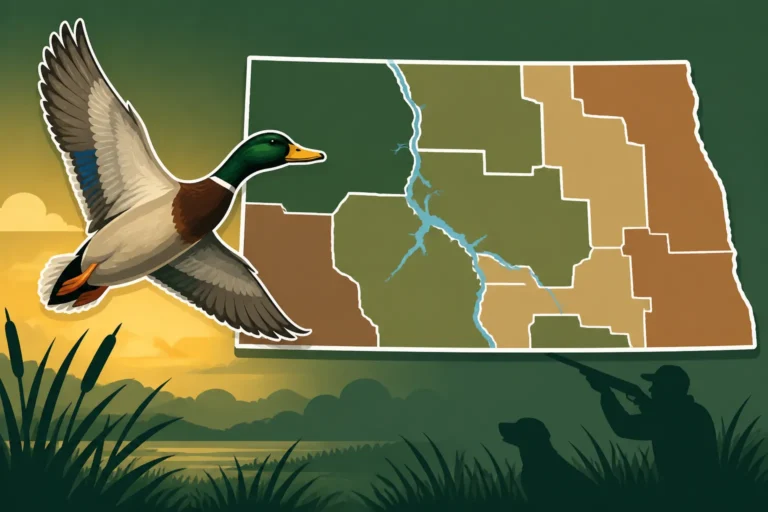
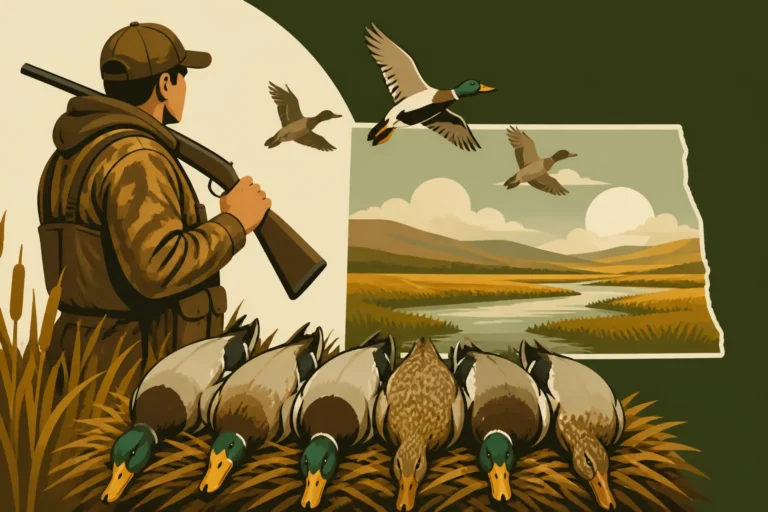
Many hunters, especially those new to migratory birds or coming from states with different rules, often wonder if this applies to them. Let's make it clear: if you are heading out to pursue any of the species listed below, you need HIP certification. This includes duck hunters laying out elaborate decoy spreads for prairie pothole mallards, goose hunters targeting spread-out flocks in cut fields, dove hunters enjoying an early fall evening, and even those pursuing elusive snipe or woodcock. It doesn't matter if you're a seasoned veteran or taking a mentored youth hunter out for their first experience; if a migratory bird is in your sights, HIP is a must.
This federal program ensures that the data collected is consistent across all states participating in migratory bird hunting. Imagine if each state had its own, entirely different system – the data would be fragmented and incomparable, rendering it mostly useless for species that don't respect state lines. By standardizing the information gathering, the USFWS can make informed decisions that impact flyways stretching from the Canadian prairies all the way to the Gulf Coast and beyond. For a state like North Dakota, which sits smack in the middle of the Central Flyway and is renowned for its incredible waterfowl hunting, participation in HIP is absolutely critical for managing these transient populations.
Which Birds Are Covered by HIP Certification
It's easy to assume "bird hunting" means all birds, but HIP specifically targets migratory game birds. Upland game birds, like pheasants, grouse, and partridge, are managed solely by state agencies and do not require federal HIP certification. This distinction is important for new hunters or those expanding their pursuits. For instance, if you're planning a trip primarily focused on pheasant hunting North Dakota's prairie, you won't need HIP. However, if you're combining that trip with some early season duck hunting, then yes, you'll need it.
Here's a breakdown of the common categories of migratory game birds that necessitate HIP certification in North Dakota:
- Ducks and Geese: All species of ducks (mallards, pintails, teal, etc.) and geese (Canada geese, snow geese, specklebellies, etc.) fall under this umbrella.
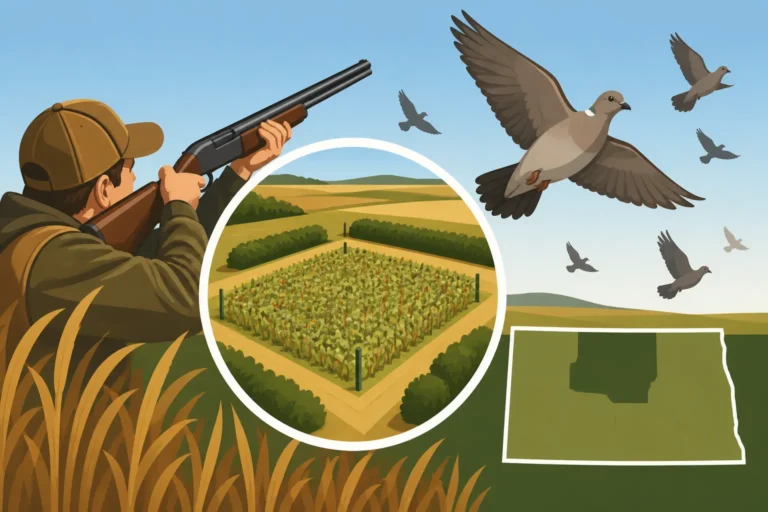
- Mourning Doves: These fast-flying birds are a popular early-season target and require HIP certification.
- Sandhill Cranes: Another unique migratory bird found in North Dakota, sandhill crane hunters must be HIP certified.
- Rails, Snipe, and Woodcock: Though less commonly pursued, these species are also migratory and require certification.
To put it clearly, think of it this way: if it flies south for the winter (or north, depending on the species and season), it probably needs HIP. If it largely stays within North Dakota year-round, like a pheasant or grouse, it doesn't. Always double-check the current North Dakota hunting licenses and what they cost and specific regulations for the species you intend to hunt, as rules can occasionally change or be interpreted differently.
How to Easily Obtain Your HIP Certification in North Dakota
Thankfully, getting your HIP certification in North Dakota isn't a monumental task, and the state has made it quite accessible. You don't need a separate paper card or anything physical to carry around like your federal duck stamp. It's an endorsement that's added to your existing hunting license record, typically when you purchase your other necessary permits. This streamlined process aims to reduce the burden on hunters while still ensuring accurate data collection.
The most common way hunters get certified is through the North Dakota Game and Fish Department's online licensing system. This is by far the most convenient method. When you're purchasing your general game and habitat license, a waterfowl license, or any other permits, you'll be prompted to complete the HIP certification questionnaire. It's a quick series of questions about your past hunting success and future intentions for various migratory bird categories. Don't worry, there are no right or wrong answers; the intent is to classify you for potential future surveys. If you plan to use a tool like GoHunt to scout prime locations for North Dakota's prairie pothole region explained, it’s a good reminder to ensure all your licenses, including HIP, are in order before you head out.
Step-by-Step Online Certification
The digital age has made license purchasing much simpler. Here’s a typical walk-through of how you'd get your HIP certification online:
- Visit the ND Game and Fish Website: Head to the official North Dakota Game and Fish Department licensing portal. You can usually find a direct link right from their homepage.
- Log In or Create Account: If you're a returning hunter, log in with your existing credentials. New hunters will need to create a profile, which usually involves providing personal details like your name, address, and date of birth.
- Select Your Licenses: Begin the process of purchasing your hunting licenses. This will typically include your general game and habitat license, a small game license, and if you're specifically hunting migratory birds, a North Dakota Federal Duck Stamp Requirement and a state waterfowl stamp.
- Complete the HIP Questionnaire: As you progress through the license purchasing flow, you'll encounter a section specifically for HIP certification. You'll be asked if you intend to hunt migratory birds this season. If you select "yes," you'll then answer a few brief questions about the previous year's harvest and your expected hunting activities for the upcoming season (e.g., "Did you hunt ducks last year?", "Do you intend to hunt doves this season?"). Be honest; this data is for statistical purposes, not to track your individual success.
- Confirm and Pay: Once you've answered the HIP questions, these details will be added as an endorsement to your license profile. You'll then proceed to review your entire cart and complete the payment process.
- Print or Save: After successful payment, you'll receive confirmation. You can typically print a physical copy of your licenses (including the HIP endorsement) or save them digitally on your smartphone. Just make sure you have proof of certification on your person when afield.
This process is straightforward and typically takes less than 10-15 minutes, provided you have all your information ready.
When to Get Your HIP Certification
Timing is important for your HIP certification. You need to be HIP certified before you go afield for migratory birds. This isn't something you can get after the fact. For example, if you're targeting the early September dove season, you need to be HIP certified before opening day. The certification is typically valid for the entire hunting season (usually September 1st through August 31st of the following year), aligning with the North Dakota license year.
Many hunters will complete this process in late summer, just before the first migratory bird seasons open. It's a good habit to take care of all your licensing needs in one go, including looking up the North Dakota duck and goose bag limits and checking other regulations well in advance. Don't wait until the last minute, especially if you're planning to hunt North Dakota's nine resident-only waterfowl days. You don't want a technical glitch or a forgotten step to keep you from enjoying prime hunting time out in the field.
Why HIP Matters for Bird Conservation and Your Hunting Future
While it might seem like just another piece of paper or a few extra clicks, your HIP certification plays a truly significant role in the ongoing conservation of migratory birds. These species face numerous challenges, from habitat loss to changing climate patterns, and effective management relies heavily on good data. Without accurate harvest information, wildlife agencies would essentially be flying blind.
The data gathered through the HIP program, combined with other survey methods like banding, aerial counts, and nesting ground assessments, helps biologists monitor population trends. This allows them to make critical decisions: when to adjust bag limits, how long seasons should run, and where to focus habitat restoration efforts. Imagine if the populations of a specific duck species were in decline, but without harvest data, biologists didn't realize the severity until it was too late. Your simple "yes" or "no" answers on the HIP questionnaire contribute to a massive national dataset that informs these crucial decisions.
Supporting Data-Driven Conservation Efforts
The U.S. Fish and Wildlife Service, in conjunction with state agencies like the North Dakota Game and Fish Department, uses HIP data to monitor migratory bird populations across their entire range. This means decisions about North Dakota's waterfowl season aren't made in isolation; they consider data from Canadian breeding grounds, other states along the Central Flyway, and wintering areas to ensure sustainable hunting opportunities for generations to come. When you get HIP certified, you're directly contributing to this scientific, data-driven approach to wildlife management.
The information from HIP helps in several key areas:
- Population Models: Data on harvest rates is fed into complex models that estimate population sizes and health.
- Regulations Setting: Understanding harvest pressure helps determine appropriate bag limits and season lengths for North Dakota duck daily bag limit and North Dakota goose season dates.
- Habitat Management: Identifying areas with high hunter activity or specific species harvests can inform habitat conservation efforts on lands like North Dakota Waterfowl Production Areas.
- Survey Recruitment: Your certification allows wildlife agencies to randomly select a small percentage of hunters for more detailed voluntary surveys, providing deeper insights into actual harvest numbers and hunter effort.
This holistic approach is why hunter participation in programs like HIP is so critical. It demonstrates that hunters are active partners in conservation, willing to comply with regulations to ensure a healthy future for the game we pursue.
Avoiding Potential Legal Headaches
The last thing anyone wants on a hunting trip is a run-in with a game warden over a forgotten detail. The North Dakota Game and Fish Department takes HIP certification seriously. If you are found hunting migratory game birds without valid HIP certification, you could face fines and penalties. Ignorance of the law is generally not considered an excuse, so it's vital to ensure you're fully compliant before you step afield.
Consider a scenario: you're out hunting a small prairie slough, enjoying the solitude, when a game warden pulls up to check licenses. You've got your North Dakota nonresident combination license options, your federal duck stamp, and your state waterfowl stamp, but you forgot to click through the HIP questions when you bought them online. That oversight could turn a perfect morning into a costly and frustrating experience. It’s a simple check that can prevent unnecessary trouble, allowing you to focus on calling in birds or setting up a layout blind hunting Devils Lake fields. Make it a part of your routine license checklist.
Remember, HIP certification is free and easy to obtain when you purchase your other licenses. There's really no good reason to skip it.
Common Questions and Troubleshooting Your HIP Certification
Even with a straightforward process, questions often arise. Hunters, especially those new to North Dakota or new to migratory bird hunting, frequently have similar concerns. Understanding these common questions and how to troubleshoot potential issues can save you a lot of headache and ensure you're always hunting legally.
How to Check if You're Already Certified
Many hunters wonder, "Did I already do that?" or "Is my HIP still valid?" This is a perfectly normal concern, especially if you bought your licenses months in advance or can't quite remember if you clicked all the boxes. The easiest way to verify your HIP certification status in North Dakota is to log back into your account on the North Dakota Game and Fish Department's online licensing portal. Your current active licenses and any endorsements, including HIP, will be clearly listed there.
If you printed a physical copy of your licenses, your HIP certification will often be indicated as an "endorsement" or "certification" alongside your other stamps and permits. If you're using a mobile app to store your licenses, check the details associated with your hunting profile. Having the GoHunt app or a similar scouting tool can remind you to double-check your licensing status before heading out on a trip for North Dakota pheasant and upland season rules. It’s always better to confirm rather than assume, especially if a game warden asks to see your credentials.
What if I Forgot to Certify?
Let's face it, sometimes things slip through the cracks. If you've purchased your licenses but realize you forgot to complete the HIP certification before heading out to hunt migratory birds, do not proceed with hunting. This is a critical point. Your best course of action is to immediately stop, access the online licensing system (even from your phone if you have service), and complete the HIP certification.
In most cases, the system will allow you to add the HIP certification to your existing license profile without having to repurchase everything. You'll simply go through the HIP questionnaire process and confirm the addition to your account. Once completed, you'll be legal to resume your migratory bird hunt. This quick fix is available precisely because the department wants to encourage compliance rather than penalize honest mistakes. However, don't make it a habit; it's always best to complete all necessary certifications well in advance.
Troubleshooting Online Access and Other Issues
While the online system is generally reliable, technology can sometimes be frustrating. Here are a few common issues and solutions:
- Login Problems: If you can't log into your account, try the "forgot password" or "forgot username" options. Ensure you're using the correct email address associated with your account.
- Payment Issues: Double-check your credit card information, including the expiration date and security code. Sometimes, a temporary internet connection issue can cause a payment to fail; try again after a few minutes.
- Confirmation Not Received: After purchasing, check your email spam folder for confirmation. If you still don't see it, log back into your account on the ND Game and Fish website to view your purchased licenses directly.
- No Internet Access in the Field: This is why carrying a printed copy or having a saved digital copy on your phone (downloaded, not reliant on live internet) is crucial. Game wardens can't wait for you to find cell service.
- Questions about Specific Species: If you're unsure if a particular bird you're targeting requires HIP, consult the official North Dakota hunting guide or contact the North Dakota Game and Fish Department directly. They are the ultimate authority on all regulations.
By understanding the importance of HIP certification, familiarizing yourself with the easy online process, and knowing how to troubleshoot common issues, you'll ensure a smooth, legal, and enjoyable migratory bird hunting season in North Dakota. Happy hunting!
| Bird Category | HIP Certification Required? | Federal Duck Stamp Required? | State Waterfowl Stamp Required? | Typical Season Dates (ND) |
|---|---|---|---|---|
| Ducks, Geese, Mergansers, Coots | Yes | Yes | Yes | Sept – Dec/Jan |
| Mourning Dove | Yes | No | No | Sept |
| Sandhill Crane | Yes | No | No | Sept – Nov (permit required) |
| Rails, Snipe, Woodcock | Yes | No | No | Sept – Oct/Nov |
| Pheasant | No | No | No | Oct – Jan |
| Sharptail Grouse | No | No | No | Sept – Jan |
| Hungarian Partridge | No | No | No | Sept – Jan |
| Wild Turkey | No | No | No | Apr/May (Spring), Sept/Oct (Fall) |
Disclaimer
This guide is intended for informational purposes only and does not constitute legal advice. Hunting regulations can change annually, and it is the hunter's sole responsibility to review and comply with all current North Dakota Game and Fish Department laws, proclamations, and federal regulations before participating in any hunting activity. Always consult the official North Dakota hunting guide for the most up-to-date and complete information.