Reporting a Deer Through North Dakota’s App
There’s nothing quite like the rush of successfully harvesting a deer in North Dakota, whether it’s a big whitetail buck or a freezer-filling antlerless doe. But once the hard work of field dressing is done, many hunters feel a familiar groan: the mandatory deer reporting. It can feel like an extra, inconvenient step, especially after a long day in the field, and navigating a new app or online system can add to the headache. This guide is here to walk you through exactly how to report your deer using the North Dakota Game and Fish Department’s official app, making this necessary task as smooth and stress-free as possible.
Why Reporting Your Deer is Crucial and Required
Let's be honest, after the excitement of the hunt and the physical effort of retrieval and field dressing, sitting down to fill out forms or navigate an app can feel like a chore. It’s easy to think, "Does it really matter if I skip this one time?" The simple answer is: yes, it absolutely does. Mandatory reporting isn't just a bureaucratic hurdle; it's a fundamental pillar of wildlife management in North Dakota, and it's a legal requirement that every hunter must fulfill. Ignoring this step isn't just against the rules, it actively harms the very deer herds we all love to pursue.
Understanding North Dakota's Reporting Mandate
First and foremost, it's the law. The North Dakota Game and Fish Department (NDGFD) requires all deer hunters, both residents and nonresidents, to report their harvest within a specific timeframe, usually within 12 hours of the kill, or before processing the animal for storage or transport out of the state, whichever comes first. This isn't just about accountability; it’s about collecting timely, accurate data. Failure to report your deer can result in fines, loss of hunting privileges, and other penalties, which no hunter wants to deal with. Imagine dedicating countless hours to scouting, preparing your gear, and finally making a successful harvest, only to run into trouble because you overlooked a crucial administrative step. It’s a frustrating scenario that’s easily avoidable by understanding and following the rules laid out in the North Dakota Deer Reporting Requirements.
How Reporting Data Helps Wildlife Management
Every piece of information you provide when reporting your deer is a vital data point for wildlife biologists. Think of it like a giant puzzle: each hunter's report adds another piece, slowly revealing the bigger picture of the state's deer population. Without this data, the NDGFD would be operating in the dark, making it incredibly difficult to set appropriate tag numbers, identify areas needing specific management strategies, or even understand the health of the herd. Your report contributes to estimating the North Dakota Deer Population Estimate, helping biologists track trends in deer numbers, assess antler growth rates, and monitor the overall health and age structure of the herd. This information directly influences decisions on future hunting seasons, unit quotas, and even critical habitat projects. It’s how the NDGFD ensures sustainable hunting opportunities for generations to come, and it helps them understand crucial factors like How Game and Fish Counts the Deer Herd.
Getting Started with the North Dakota Game and Fish App
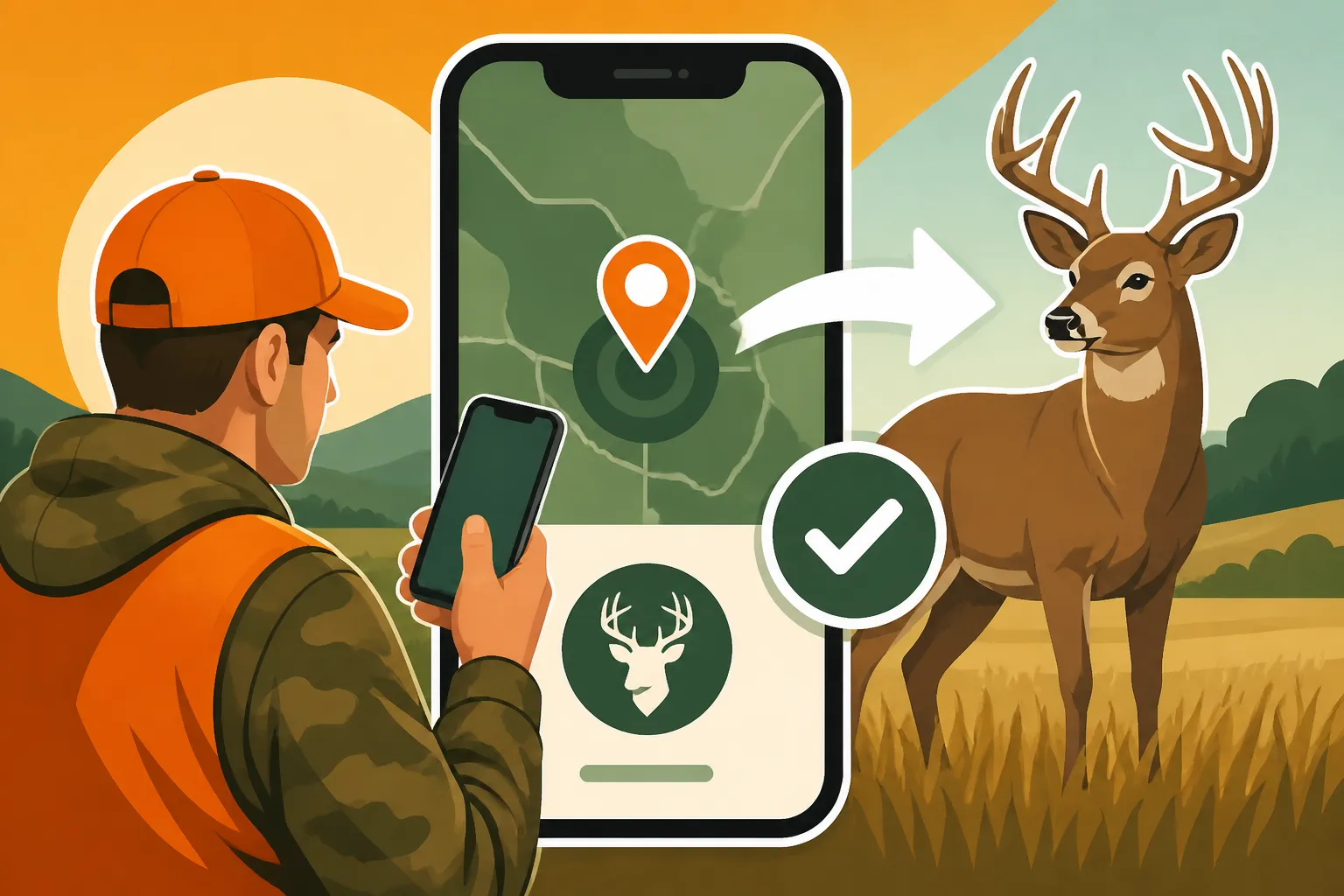
The thought of downloading yet another app can be daunting, but the North Dakota Game and Fish Department has made its official app a remarkably user-friendly tool for hunters. It’s designed to simplify many tasks, including deer reporting, right from your smartphone. Getting set up correctly from the start will save you a lot of hassle when it’s crunch time after a successful hunt. Think of this app as your digital hunting partner, capable of everything from reporting to checking regulations.
Downloading and Setting Up Your Account
Finding the app is straightforward. Head to your device's app store (Google Play for Android or the App Store for iOS) and search for "North Dakota Game and Fish" or "NDGF." Download and install it just like any other application. Once installed, the first step is usually to create or log in to your account. This will typically be linked to your existing NDGFD online profile, which is where you purchased your North Dakota Hunting Licenses and What They Cost. You'll need your customer ID and password. If you’ve forgotten these, there are usually easy recovery options within the app or on the NDGFD website. It's smart to do this before you even head out hunting, perhaps while you're still planning your trip and looking at potential hunting units. Some hunters even use complementary tools like GoHunt to scout areas and check public land boundaries, and having the NDGF app ready to go on the same device completes your digital toolkit. Make sure your profile information is up-to-date, as this links your harvest to your official hunting record.
Navigating the App Interface
Once you’re logged in, take a few minutes to familiarize yourself with the app's layout. Modern apps are usually quite intuitive, with clearly labeled sections. You'll likely see options for purchasing licenses, checking regulations, viewing game and fish information, and, most importantly for this discussion, a section for "Report Harvest" or something similar. This is your destination. Before you hit the field, it’s a good idea to click through to this section just to see what information it requests. This way, you'll know what to expect and what details you'll need to have at hand when you actually need to report. Having everything ready – your tag number, the hunting unit, date, and time – will make the actual reporting process incredibly efficient. Even if you're out in a remote area and concerned about cell signal, understanding the app's flow can still help, as some apps allow you to stage reports offline and submit them later.
Step-by-Step Guide to Reporting Your Deer
Alright, you’ve done it! The deer is on the ground, field-dressed, and ready for transport. Now it’s time for that mandatory reporting. Don't let it feel like a chore; think of it as the final, responsible step in your hunting journey. Having the NDGF app makes this process much simpler than it used to be, eliminating paper forms and mail-in options.
Essential Information You'll Need
Before you even open the app, gather the necessary details. This will make the process incredibly quick and minimize frustration. You’ll need:
- Deer Tag Number: This is found on your physical deer tag. Ensure it's legible.
- Hunting Unit Number: The specific deer hunting unit where you harvested the animal (e.g., 2A, 3F1). If you’re unsure, double-check your license or a map. Tools like GoHunt can be invaluable for identifying unit boundaries even before your hunt.
- Date and Time of Harvest: Be as accurate as possible.
- Sex of the Deer: Buck, doe, or fawn.
- Antler Points (if applicable): For antlered deer, count the number of points on one side, or total points, depending on how the app prompts you. A "point" is generally defined as an antler projection at least one inch long.
- Method of Take: (e.g., archery, rifle, muzzleloader). This is important for tracking harvest methods for different seasons, such as North Dakota's Lottery-Based Deer Gun Season versus Bowhunting North Dakota's Long Archery Season.
- County of Harvest: The county where the deer was taken.
- Land Ownership Type: Public (PLOTS, WMA, National Grassland, etc.) or private. This information helps the NDGFD track hunting pressure and success rates on various land types.
Having this information written down or easily accessible will ensure you don't have to go back and search for it while navigating the app.
Walking Through the Reporting Screens
Once you have your info, launch the NDGF app and navigate to the "Report Harvest" section. The screens will guide you, typically in a logical flow:
- Select Species: Choose "Deer."
- Enter Tag Number: Carefully type in the unique tag number from your license. Double-check for typos!
- Date and Time: Use the calendar and clock functions to input the exact time and date of the kill.
- Hunting Unit & County: Select the correct unit and county from the drop-down menus. This is critical for accurate data collection, especially concerning topics like North Dakota's Expanding CWD Hunting Units, where precise location data helps track disease spread.
- Deer Details:
- Sex: Choose male (buck) or female (doe/fawn).
- Antler Points: If it’s a buck, input the number of antler points. Be honest and accurate.
- Age Class (sometimes optional): Some apps might ask for an estimated age (e.g., fawn, yearling, adult).
- Method of Take: Select the weapon used (rifle, bow, muzzleloader).
- Land Type: Indicate whether the harvest occurred on public or private land.
- Review and Submit: Before hitting "submit," take one final moment to review all the information you've entered. Make sure everything matches your tag and the actual harvest details. One small error can skew data.
- Confirmation: After submission, you should receive a confirmation number or screen. It's always a good idea to screenshot this or write down the confirmation number for your records. This is your proof that you fulfilled your reporting obligation.
Common Pitfalls and Troubleshooting
Even with a user-friendly app, issues can arise.
- No Cell Service: This is a big one in many parts of North Dakota. If you’re deep in the Badlands or out on the prairie where connectivity is spotty, don't panic. Many apps, including the NDGF app, allow you to save your report offline and submit it once you regain service. Just remember that the 12-hour reporting window starts from the time of kill, so you'll need to find service as soon as possible. Alternatively, you can use the NDGFD online portal or phone system once you’re back in an area with signal. Planning ahead by using a tool like GoHunt to identify areas with better service can be helpful. Also, remember that even if you can't submit via the app, you still have other options, which we'll cover next.
- Incorrect Information Entered: Caught a mistake after submission? Immediately contact the North Dakota Game and Fish Department. They can usually correct errors if you provide your confirmation number and the correct details. Don't just leave it, as inaccurate data can cause problems.
- App Glitches: Technology isn't perfect. If the app crashes or isn't working, try restarting your phone or reinstalling the app. If problems persist, don't delay – switch to the online portal or phone reporting system. The responsibility to report still rests with you, regardless of app functionality.
- Lost Tag Information: If your physical tag is lost or damaged and you can't read the number, you can usually find it in your online NDGFD profile. Again, accessing this information from a computer might be easier if cell service is an issue.
Beyond the App: Other Reporting Options and Considerations
While the North Dakota Game and Fish app is designed to be the primary and most convenient method for deer reporting, it's not the only way. Understanding your alternatives is crucial for situations where technology might fail you or if you simply prefer a different approach. The key is to fulfill your obligation accurately and on time, no matter the method.
Online Portal and Phone Reporting
If for any reason the app isn't working for you, or you're a hunter who prefers a desktop interface, the North Dakota Game and Fish Department's website offers an online reporting portal. This portal generally mirrors the app’s process, asking for the same critical pieces of information. It’s a reliable backup and accessible from any internet-connected device. Simply visit the NDGFD website, navigate to the hunting section, and look for "Report Harvest."
For those who are truly in a bind with no internet access or who prefer human interaction, the NDGFD also provides a phone-in option. You can call their main office during business hours to report your harvest. Have all your tag information and harvest details ready before you call to make the process as efficient as possible for both you and the department staff. While perhaps not as immediate as the app, it's a solid fail-safe, particularly if you’ve been Hunting North Dakota’s Missouri River Bottomland where cell service can be spotty, or after a tough day of Tracking a Deer in Fresh Prairie Snow.
The Importance of Accurate Data Entry
We've touched on this, but it bears repeating: accuracy matters immensely. Every piece of information you provide – from the hunting unit to the number of antler points – contributes to the NDGFD’s overall understanding of the deer population. If hunters consistently report incorrect data, it can lead to skewed population estimates, potentially resulting in inappropriate tag allocations in future seasons. For example, if a unit has a higher harvest than reported, the department might issue too many tags the following year, putting undue pressure on the local herd. Conversely, underreporting could lead to a reduction in tags, unnecessarily limiting hunting opportunities. Your honest and precise reporting helps ensure the long-term health of the deer herd and the sustainability of hunting in North Dakota. This data is reviewed constantly when assessing things like North Dakota Deer Harvest Records.
The North Dakota Deer Reporting Deadline
This is perhaps the most critical detail after a successful hunt: the deadline. North Dakota law generally requires deer to be reported within 12 hours of the kill, or prior to being processed for storage or prior to leaving the state, whichever comes first. This isn't a suggestion; it's a firm deadline. Missing it can lead to legal issues, including citations and fines. It's easy to get caught up in the excitement or the work involved after a harvest, but setting a reminder or making a mental note to report immediately should be standard practice. Don't wait until you're home, cleaned up, and tired. Take five minutes right after the field dressing and before you head off for the next adventure, whether that's Butchering a Deer at Camp or simply driving home.
Remember, timely and accurate reporting is a shared responsibility among all hunters. It’s a small effort that yields massive benefits for wildlife management and ensures that future generations can enjoy the same incredible hunting opportunities North Dakota offers.
Required Deer Reporting Information Table
To help you get all your ducks in a row, here's a quick reference table of the essential information you'll need when reporting your deer harvest in North Dakota:
| Information Category | Specific Details Required | Why It's Important |
|---|---|---|
| Hunter Identification | Hunter's Customer ID (linked to your license) | Confirms your identity and links the harvest to your official record. |
| License Details | Deer Tag Number | Unique identifier for your specific deer tag, validating the legal harvest. |
| Harvest Location | Hunting Unit Number, County of Harvest, Land Ownership Type | Pinpoints where the deer was taken, crucial for localized population estimates, CWD monitoring, and understanding harvest distribution across public and private lands. |
| Harvest Timing | Date of Harvest, Time of Harvest | Helps track seasonal harvest patterns, timing of the rut (When the North Dakota Rut Peaks), and hunter success rates throughout the season. |
| Deer Characteristics | Sex of Deer (Buck/Doe/Fawn), Number of Antler Points (if buck) | Essential for calculating buck-to-doe ratios, fawn recruitment rates, and analyzing herd age structure, all vital for setting future tag allocations. This helps the NDGFD understand North Dakota Buck Age Structure. |
| Method of Take | Weapon Used (Rifle, Bow, Muzzleloader) | Tracks harvest success rates and effort for different hunting seasons and weapon types, informing future regulations and season structures. |
| Confirmation | Confirmation Number (after submission) | Your proof of compliance, should be saved in case of any future queries or issues. |
Disclaimer
The information provided in this guide is for general informational purposes only and is not a substitute for official regulations. Hunting laws and regulations in North Dakota can change. Always consult the most current North Dakota Game and Fish Department proclamation and regulations prior to hunting.