How Much Blaze Orange North Dakota Requires
Stepping into the vast prairies or dense river bottomlands of North Dakota for a hunt is an experience unlike any other, but it also comes with a serious responsibility: ensuring everyone's safety, including your own. One of the most common questions, and often a point of confusion for new hunters or those visiting from out of state, revolves around blaze orange requirements. It's easy to get caught up in gear lists and scouting reports, but overlooking the specific rules for high-visibility clothing can not only lead to fines but, more importantly, put lives at risk. This guide is here to cut through the noise, detailing exactly how much blaze orange North Dakota requires and why adhering to these guidelines is absolutely critical for a safe and successful hunting season.
Understanding North Dakota's Blaze Orange Mandates for Hunters
North Dakota takes hunter safety very seriously, and blaze orange plays a starring role in that commitment. It's not just a suggestion; it's a legal requirement during specific seasons and scenarios, designed to make hunters as visible as possible to their peers in the field. Ignoring these rules isn't just a minor infraction; it can have severe consequences.
The Core Requirements: What the Law Says
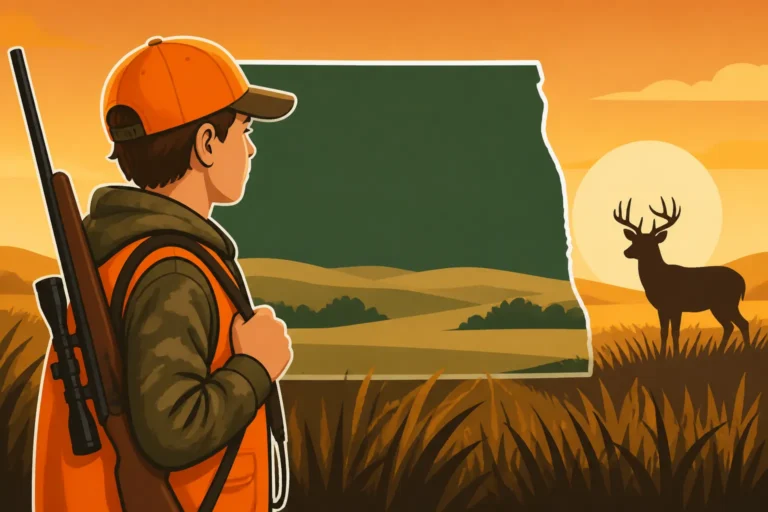
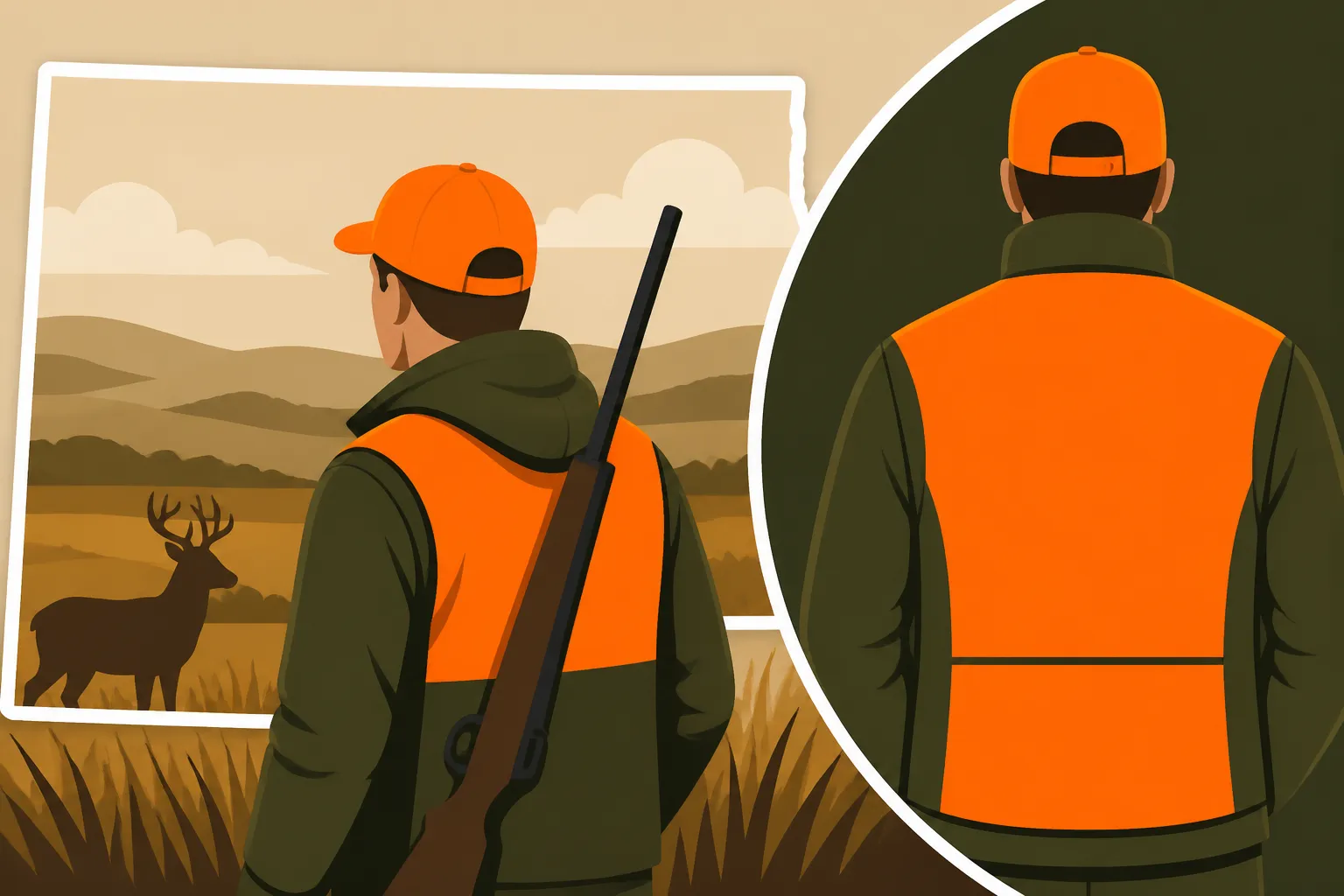
For any hunter afield during the regular deer gun season in North Dakota, the law is quite clear: you must wear at least 400 square inches of blaze orange, or fluorescent orange, as it's often called. This isn't just a number plucked out of thin air; it's a carefully considered minimum to ensure you stand out against the browns, grays, and fading greens of the prairie landscape. This 400 square inches needs to be visible from all directions, meaning it can't be covered by your backpack or slung rifle. Crucially, a blaze orange hat is also mandatory. So, if you're picturing yourself in a full camouflage outfit with just a little orange patch, think again – that's not going to cut it. The intent is maximum visibility.
This requirement specifically applies to those hunting deer with firearms. It’s during these busy, often cold, and sometimes snow-covered periods that visibility becomes paramount. You might be still-hunting along a shelterbelt edge, or participating in a small deer drive with friends, and in these situations, distinguishing a human from a deer at a distance or through cover is critical. The North Dakota Game and Fish Department (NDGFD) regularly emphasizes these regulations to avoid any ambiguity, aiming to make every hunter a walking billboard of safety. When you’re planning your North Dakota Gun Season Dates, make sure your blaze orange gear is at the top of your checklist.
Exceptions and Specific Scenarios
While the 400 square inches and hat rule is firm for gun season, there are nuances for other hunting situations. It’s not a one-size-fits-all approach, and understanding these specifics can prevent unnecessary stress or legal trouble.
For instance, if you're enjoying North Dakota's Long Archery Season and are strictly bowhunting without a firearm during a time that does not overlap with a regular gun season, blaze orange is not legally required. However, many seasoned archers still choose to wear at least a blaze orange hat or vest while walking in and out of their stand locations, especially on public lands or areas known for high hunter traffic. It’s just good common sense. You might be tucked away in a ground blind, using tools like the GoHunt app to scout out prime locations and access routes, and while inside the blind, you can certainly take off your orange. But that walk from the truck to your chosen spot, or if you're Hunting a Badlands Draw for Mule Deer and actively stalking, that's when you need to be seen.
Upland bird hunters, pursuing species like pheasants, sharptail grouse, or Hungarian partridge, also face different rules. Legally, blaze orange is not mandatory for upland bird hunting in North Dakota. However, much like archery, it is highly recommended, particularly if you're hunting with dogs or as part of a group. Imagine pushing a thick cattail slough for pheasants, or walking through tall CRP grass—the potential for someone to swing on a bird or not see a fellow hunter in the dense cover is very real. Wearing blaze orange helps define the line of hunters and ensures everyone knows where everyone else is. It’s an unspoken rule of courtesy and safety among serious bird hunters. Even when you're Walking a Pheasant Field at Midday, being visible significantly reduces risk.
| Hunting Scenario | Blaze Orange Requirement | Specifics / Notes |
|---|---|---|
| Deer Gun Season | Mandatory | At least 400 square inches, visible from all directions, plus a blaze orange hat. |
| Archery Season (no firearm) | Not Mandatory | Highly Recommended on public land or areas with other hunters. Can be removed inside an enclosed blind. |
| Archery Season (overlapping with gun season) | Mandatory | All gun season rules apply. This often happens in late archery season when muzzleloader or youth gun seasons start. |
| Muzzleloader Season (with firearm) | Mandatory | Same as regular gun season: 400 sq. inches + hat. |
| Upland Bird Hunting (e.g., pheasant) | Not Mandatory | Highly Recommended, especially when hunting in groups or with dogs for maximum visibility. |
| Small Game/Predator Hunting (with firearm) | Not Mandatory | Recommended during deer gun season overlap. Good practice anytime you're hunting with a firearm. |
| Inside an Enclosed Ground Blind | Can be removed | Must be worn when entering, exiting, or moving outside the blind. |
Why Blaze Orange is Your Non-Negotiable Safety Partner
It might seem like a simple piece of clothing, but blaze orange is arguably one of the most effective safety tools a hunter can possess. Its importance goes far beyond just meeting legal requirements; it's about safeguarding lives and ensuring that every hunting trip ends with stories of success, not tragedy.
Maximizing Visibility in Diverse Landscapes
North Dakota's hunting grounds offer an incredible variety of terrain, from the rolling hills and coulees of the Badlands to the vast, open plains dotted with prairie potholes and agricultural fields. Each of these environments presents unique challenges for visibility. In the Badlands, with its dramatic shadows and broken topography, a hunter in drab camouflage can easily blend into the background, especially at dawn or dusk. Similarly, in the sprawling prairie, hunters might be separated by hundreds of yards, making distance and mirage potential factors in misidentification.
This is where blaze orange truly shines. Its unique wavelength is specifically chosen because it stands out against almost all natural backgrounds, regardless of lighting conditions or habitat. While deer are essentially colorblind to orange (meaning they see it as a shade of gray or yellow-green, not "orange"), the human eye perceives it vividly. This is key: blaze orange isn't for the deer; it's for other hunters. When you're glassing for deer on a distant ridge, or trying to pick out a coyote in a winter-white field, seeing that unmistakable flash of orange can instantly prevent a dangerous situation. It's especially crucial when you're on public lands, which can see significant pressure during peak seasons. Tools like GoHunt can help you visualize land boundaries and potential pressure points, making the decision to wear even more orange a no-brainer. If you're out hunting the Missouri River bottomland, where timber can be dense and visibility limited, that vibrant orange becomes a beacon.
Preventing Tragic Accidents
The primary, undeniable reason for blaze orange requirements is the prevention of hunting accidents. Every year, across the country, tragic incidents occur when a hunter is mistaken for game or is simply not seen by another hunter. These are often preventable accidents, and blaze orange is the front line of defense.
Think about a common scenario: a group of hunters is working through a stand of trees or a cattail slough. In the excitement of a flush pheasant or a deer breaking cover, a moment of lapsed focus, poor target identification, or an obscured line of sight can lead to disaster. That bright swath of orange instantly signals "human" and triggers a moment of pause and positive identification. It serves as a constant, visual reminder to every hunter in the field: always know what's beyond your target. The psychological impact is also significant; knowing you are highly visible gives you a sense of security, and it encourages others to exercise greater caution. It helps to instill a culture of safety. For anyone considering North Dakota Hunter Education Requirements, the importance of blaze orange is one of the very first lessons taught, and for good reason. It’s a simple act that has a profound impact on everyone's well-being.
Practical Blaze Orange Gear and Best Practices
So, you understand the legalities and the life-saving importance. Now, let's talk practical application. Having the right blaze orange gear and knowing how to use it effectively is just as crucial as the requirement itself.
Choosing the Right Blaze Orange Apparel
When it comes to blaze orange, quality and functionality matter. You're not just looking for "any" orange; you want gear that will perform in North Dakota's often harsh conditions while keeping you visible.
Vests: A classic choice, vests are lightweight and easy to layer over existing hunting clothing. Look for vests with plenty of surface area to meet the 400 square inch requirement. Many reputable brands like Sitka, Kuiu, or even more budget-friendly options offer vests specifically designed for hunting, with silent fabrics and durable construction.
Hats: Absolutely mandatory during gun season, a blaze orange hat is a simple and effective way to ensure head visibility. Make sure it's comfortable for all-day wear and can withstand wind and weather.
Jackets/Coats: For colder weather, a full blaze orange jacket or coat can be a great option, providing both warmth and complete upper body visibility. Some hunting jackets come with reversible blaze orange panels, offering versatility for seasons where orange isn't mandatory but still desired for safety during travel to and from hunting spots.
Bibs/Pants: While not legally required, wearing blaze orange pants or bibs, especially in thick cover or when hunting in groups, further enhances your visibility. This is particularly useful in areas with low-lying brush where a vest might be partially obscured.
When choosing, consider the materials. Breathable, quiet fabrics are best. Look for durability, especially if you're frequently walking through thorns or dense brush. Layering is key in North Dakota, so ensure your orange gear fits comfortably over your base and mid-layers without restricting movement. Remember, the goal is to be seen, not just to check a box.
Integrating Blaze Orange with Your Hunting Strategy
Wearing blaze orange isn't just about putting it on; it's about smart integration into your hunting plan. For example, if you're using a ground blind on PLOTS land for deer, you'll likely want to remove your blaze orange once you're settled inside. That's perfectly fine, as the blind itself provides concealment. However, the moment you step out of that blind, whether to reposition, retrieve game, or head back to the truck, that orange needs to be back on. The same applies if you're Hunting a Muzzleloader Unit After Gun Season Closes; you still need that visibility.
When planning your hunt, especially on public land, consider how your visibility will interact with the landscape. If you're in open country, your orange will be highly effective. In thick timber, you might consider slightly larger patches or brighter shades if possible, to account for partial obstruction. The GoHunt app can be an invaluable tool here, allowing you to scout terrain and identify potential visibility challenges before you even step foot in the field. You can mark potential stand locations, observe elevation changes, and get a better sense of how visible you'll be to other hunters in the area. This kind of pre-hunt analysis, combined with adhering to North Dakota Public Land Hunting Hours and safety rules, makes for a much safer and more enjoyable experience.
Common Misconceptions and Staying Compliant
Even with clear regulations, some questions and alternative options often pop up regarding blaze orange. It's good to clear these up to ensure everyone stays safe and on the right side of the law.
Blaze Pink as an Alternative
In recent years, "blaze pink" has emerged as a legal alternative to blaze orange in many states, including North Dakota. The scientific backing for blaze pink is solid: studies have shown that it is just as visible to the human eye, if not more so, than blaze orange, especially in certain light conditions. Crucially, it also registers as gray to deer, just like blaze orange.
North Dakota law now allows hunters to wear either blaze orange or blaze pink to meet the mandatory safety requirements. This provides a welcome option, particularly for female hunters or anyone who simply prefers the color. However, the same square inch and hat requirements apply. So, if you choose blaze pink, you still need at least 400 square inches and a blaze pink hat visible from all directions during mandatory periods. For more detailed information, you can always refer to the specific legal wording under North Dakota Blaze Pink Options Under North Dakota Law. The key takeaway is that both colors serve the same critical safety function.
Beyond the Garment: Overall Hunting Ethics and Safety
While blaze orange is a powerful visual cue, it's never a substitute for fundamental hunting safety practices. It's one piece of a larger, comprehensive approach to being a responsible hunter.
Positive Target Identification: Always, always positively identify your target and what's beyond it before taking a shot. Never shoot at sound or movement alone. Blaze orange helps prevent you from becoming the target, but your own discipline prevents you from making someone else a target.
Know Your Zone of Fire: Especially when hunting in groups, understand your safe shooting lanes and communicate constantly with your hunting partners. Deer Drives With Three or Four Hunters require strict adherence to these principles.
Firearm Handling: Treat every firearm as if it's loaded. Keep the muzzle pointed in a safe direction. Keep your finger off the trigger until you're ready to shoot.
Communication: Use radios or other communication devices, especially in challenging terrain or low visibility. Let others know your position, your intentions, and if you're moving.
Be Prepared: Carry a first-aid kit, know basic first aid, and be aware of your surroundings. A tool like GoHunt can help you understand the topography and plan safe routes, potentially identifying areas with high hunter concentration or challenging access that demand extra vigilance.
By combining the mandatory wearing of blaze orange or pink with rigorous adherence to all other hunting safety rules and ethics, you contribute to a safer, more enjoyable environment for everyone in the field. It’s about respect for the game, the land, and, most importantly, for fellow hunters. Whether you’re learning North Dakota Deer Camp Traditions or venturing out for the first time, safety should always be your number one priority.
Disclaimer
The information provided in this guide is for informational purposes only and does not constitute legal advice. Hunting regulations can change, and it is the hunter's responsibility to review and comply with all current North Dakota Game and Fish Department rules and regulations before participating in any hunting activity. Always consult the official North Dakota Game and Fish Department website or current hunting guide for the most up-to-date and accurate information.