North Dakota Apprentice Hunter License Rules
For anyone new to hunting, or perhaps thinking about introducing a younger family member or friend to the tradition, the prospect of navigating all the license requirements, hunter education courses, and safety rules can feel like trying to solve a Rubik's Cube blindfolded. It's overwhelming, often leading to delays or even giving up before you start. This guide is here to untangle the specifics of North Dakota's Apprentice Hunter License, breaking down exactly what it is, who it’s for, and how to get one, so you can focus on making those first field memories.
Understanding the Apprentice Hunter Program in North Dakota
North Dakota, like many states, recognizes that getting started in hunting can be a bit of a hurdle. The Apprentice Hunter program is designed to lower that initial barrier, allowing new hunters to gain hands-on experience in the field under the direct supervision of an experienced mentor, before they complete a formal hunter education course. It's a fantastic way to test the waters, see if hunting truly resonates with you or your protégé, and learn practical skills that no classroom can fully teach.
The Core Idea Behind Apprenticeship
Think of the Apprentice Hunter License as a provisional driver's permit for hunting. It acknowledges that some of the best learning happens in real-time, side-by-side with someone who knows the ropes. The North Dakota Game and Fish Department created this program specifically to encourage participation and mentorship, understanding that the decline in hunter numbers often correlates with a lack of accessible entry points. It’s about passing on the heritage, ensuring new generations have the chance to experience the outdoors and understand wildlife management firsthand. For many, sitting through a multi-day hunter education course can be tough to schedule, especially if they're unsure if hunting is a long-term interest. This license offers that crucial first step without the full upfront commitment.
Who Benefits Most from This License Type
This license is truly a game-changer for several groups. First and foremost, it’s perfect for youth who are curious about hunting but might not be ready for the full Hunter Education certification. Imagine a teenager who’s been hearing hunting stories from their uncle for years, but has never held a shotgun or seen a deer in its natural habitat. The apprentice license lets them go along, participate directly, and even harvest game under strict supervision. It’s also ideal for adults who grew up without hunting in their family but are now interested in exploring it, perhaps through friends or a newfound appreciation for wild game. Maybe you’ve always wanted to try Pheasant Hunting North Dakota's Prairie but never had the chance. This program allows you to dive in with a seasoned hunter by your side, learning ethical practices and safety in a real-world context, which is invaluable.
Key Eligibility Criteria and Supervision Rules
While the Apprentice Hunter License is designed to be accessible, it’s not a free-for-all. There are very specific rules in place to ensure safety and responsible hunting. These rules revolve primarily around age, the role of the mentor, and what an apprentice can legally hunt. Understanding these parameters is crucial before heading afield.
Age Restrictions and Hunter Education Deferment
The beauty of the apprentice program is that it allows individuals who are at least 12 years old to hunt without first completing the full hunter education course. This is a significant deferment, as typically, anyone born after December 31, 1961, must complete a certified hunter education course to hunt in North Dakota. This means a 12-year-old can join a North Dakota Youth Deer Season Rules hunt, or tag along for pheasants, provided they are under the watchful eye of an authorized mentor. The core principle here is supervised learning. It's not about bypassing education; it's about providing an alternative pathway for initial exposure. The state fully expects that if the apprentice enjoys the experience and wishes to continue hunting independently, they will eventually complete the hunter education requirements.
The Role of the Mentor in the Field
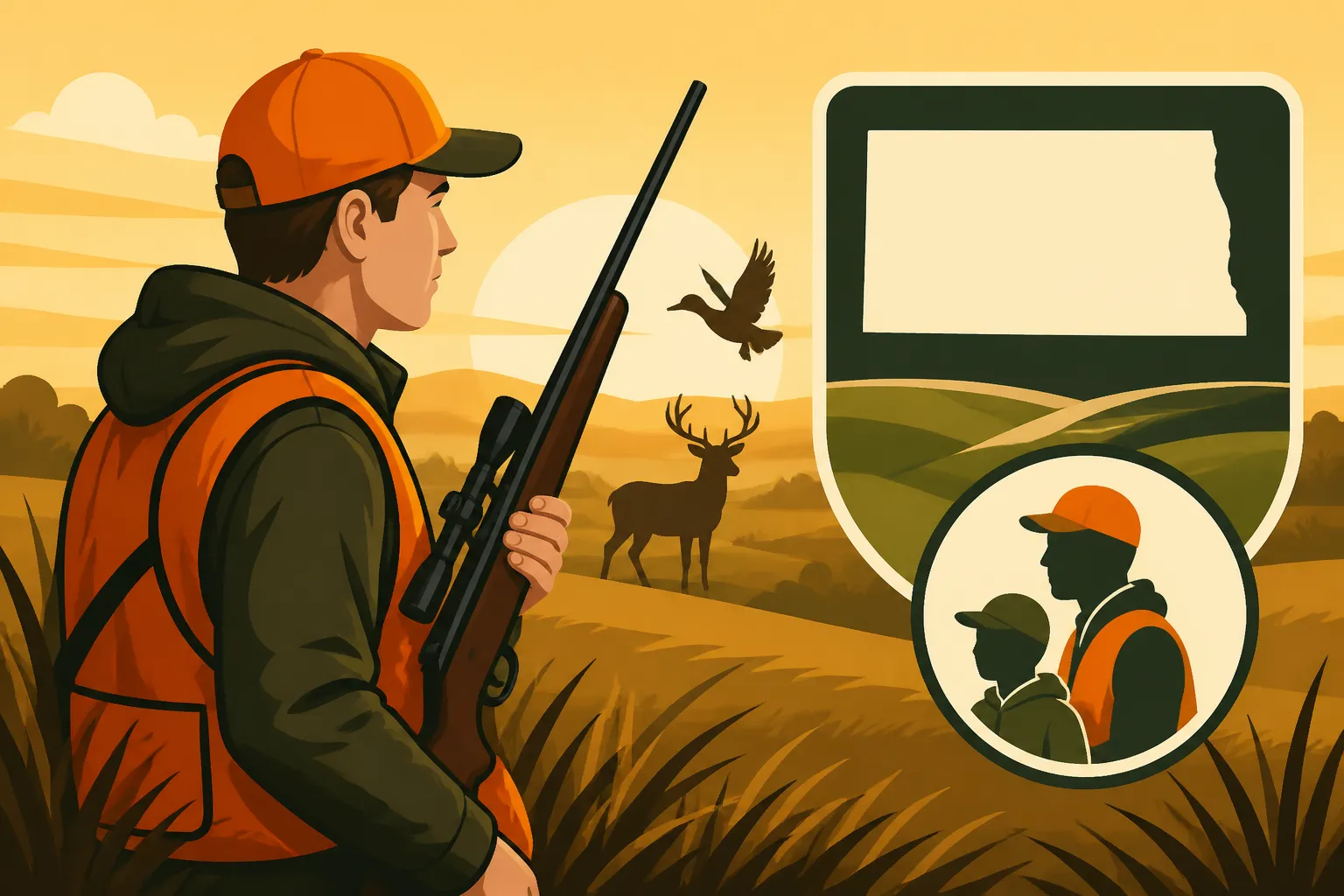
The mentor is the linchpin of the entire apprentice program. Their responsibility is paramount, as they are essentially vouching for the safety and ethical conduct of the apprentice. So, who can be a mentor? In North Dakota, a mentor must be at least 18 years old, possess a valid hunting license, and have completed a hunter education course (or be exempt from one due to age, i.e., born before January 1, 1962). This isn't just about having a warm body with you; the mentor must be close enough to assume immediate physical control of the hunting device and to provide continuous, direct supervision. The rule is quite specific: the mentor must remain within sight and normal voice contact of the apprentice at all times while hunting. This is a critical safety measure, ensuring that if an issue arises, the mentor can intervene immediately. For more details on the proximity requirements, you can check out the specific guidelines on How Close a North Dakota Mentor Must Stay.
Limitations and What You Can Hunt
An apprentice hunter can hunt any legal game species that their mentor is licensed to hunt, provided they purchase the appropriate licenses for that species. This means if you, as an apprentice, want to hunt deer, you'll need to secure a deer license, just like any other hunter. The apprentice is subject to all regular season dates, bag limits, and legal methods of take for the species being hunted. There are no special extended seasons or additional tags for apprentice hunters. They are treated as regular hunters in terms of what they can harvest, but with the added layer of mandatory, direct supervision. It's crucial for the mentor to not only teach good hunting practices but also to be intimately familiar with the specific regulations for the species they are pursuing, whether it's White-Tailed Deer Across North Dakota or ducks on a prairie pothole.
Steps to Obtaining Your North Dakota Apprentice License
Getting your Apprentice Hunter License in North Dakota is a straightforward process, designed to be as simple as possible to encourage participation. It mainly involves verifying eligibility, purchasing the correct licenses, and understanding where to find them. Unlike the full hunter education course, there’s no test to pass, just a clear pathway to getting started.
Gathering Necessary Information
Before you even log on, make sure you have a few key pieces of information handy. You'll need the full name, date of birth, and contact information for both the apprentice and the designated mentor. You'll also need to know the mentor's customer ID number from the North Dakota Game and Fish Department if they have one, or their driver's license number if they are new to the system. Having this information readily available will streamline the process immensely. It’s also wise to briefly review the current hunting proclamation for the specific species you plan to pursue, as rules and seasons can change annually. Resources like the North Dakota Game and Fish website and apps like GoHunt can be incredibly helpful for staying up-to-date on regulations and finding hunting areas.
Navigating the Online Application Process
The most convenient way to purchase an Apprentice Hunter License, and any other North Dakota hunting license, is through the North Dakota Game and Fish Department's online licensing portal. You can think of it as a one-stop shop for all your hunting and fishing permits. When you go to Buying a License Through North Dakota's Online Portal, you will select the appropriate base hunting license, and then have the option to add the Apprentice Hunter component. This will be an add-on to the required North Dakota Resident License Options or other relevant species-specific tags. During this process, you will be prompted to enter the mentor's information, confirming they meet the state's requirements. The system is designed to walk you through each step, making it fairly user-friendly even for those who aren't tech-savvy.
Once the transaction is complete, you can print your license at home or save a digital copy to your phone, which is generally acceptable as proof in the field. Remember, just like any other license, it must be carried with you while hunting.
License Validity and Renewal
The North Dakota Apprentice Hunter License is valid for the current hunting season, just like most annual hunting licenses. It typically expires at the end of the license year (usually March 31st). If you want to continue hunting as an apprentice in subsequent years, you'll need to purchase a new apprentice license, along with your other required tags, each year.
The program allows an individual to participate as an apprentice for a maximum of two license years. This two-year limit is a key aspect, reinforcing that the program is a stepping stone, not a permanent bypass, for formal hunter education. After those two years, if the individual wishes to continue hunting, they must complete the state's hunter education course. This transition ensures that all hunters eventually gain the comprehensive knowledge and safety training that hunter education provides, preparing them for independent hunting.
| Feature | Apprentice Hunter License | Regular Hunting License (Post Hunter Ed) |
|---|---|---|
| Hunter Education | Not required initially; deferment for 2 years | Required for those born after Dec 31, 1961 |
| Minimum Age | 12 years old | No minimum age for purchasing some licenses, but practical hunting age still applies. Hunter Ed has minimum age requirements. |
| Supervision Required | YES – direct, continuous supervision by qualified mentor | NO – can hunt independently |
| Mentor Requirements | 18+ years old, valid license, Hunter Ed certified | N/A |
| Hunting Scope | Can hunt legal game mentor is licensed for | Can hunt any legal game licensed for, independently |
| Validity | Annual, maximum two years in program | Annual, can be renewed indefinitely after Hunter Ed |
| Cost (Base License) | Same as North Dakota Resident Base License Cost plus species tags | Same as base license plus species tags |
Maximizing Your Apprentice Hunting Experience
The Apprentice Hunter program isn't just about getting a tag; it's about fostering a passion for the outdoors, learning critical skills, and developing a deep respect for wildlife. To truly make the most of this opportunity, both the apprentice and the mentor should approach it with intentionality and a focus on growth.
The Learning Curve and Safety First
For the apprentice, this is an incredible chance to learn directly from someone experienced. Ask questions, observe everything, and really soak in the knowledge your mentor shares. Learn about game identification, tracking, shot placement, and field dressing. Understand the nuances of Reading a Missouri River Bottom for Deer or how to properly work a shelterbelt for pheasants. Safety must always be the absolute priority. Your mentor should instill the foundational rules of firearm safety, including muzzle control, trigger discipline, target identification, and being aware of what lies beyond your target. This hands-on training under careful guidance builds a strong foundation that classroom learning simply can't replicate. It helps prevent those common initial mistakes by providing immediate, real-time corrections and guidance.
Transitioning to a Full Hunter Education Certification
Remember, the apprentice license is temporary. If you or your protégé discover a genuine love for hunting, the next logical step is to complete the full North Dakota Hunter Education Requirements. This course will cover everything from wildlife conservation and game management principles to advanced firearm safety, survival skills, and ethical considerations. It prepares you to hunt independently and confidently, without needing a mentor constantly by your side. Many mentors use the two-year apprentice window to gauge interest and then strongly encourage their apprentices to enroll in a hunter education course. It’s a natural progression, cementing the knowledge gained in the field with a broader understanding of responsible hunting.
Finding Mentors and Opportunities
One of the biggest challenges for new hunters can be finding a willing and capable mentor. If you don't have a family member or friend who hunts, consider reaching out to local conservation organizations, gun clubs, or even the North Dakota Game and Fish Department. Many groups offer mentorship programs specifically designed to connect experienced hunters with newcomers. These programs are invaluable for gaining access to knowledge and often, to hunting opportunities that might otherwise be out of reach. Don't be shy about asking around in your community; you'd be surprised how many experienced hunters are eager to share their passion. Furthermore, resources like the GoHunt platform often have forums and communities where you can connect with other hunters and potentially find mentoring opportunities, or at least get advice on Scouting PLOTS Land Before Season or understanding local game movements. It's a journey, and having a good guide makes all the difference.
Disclaimer
The information provided in this guide is intended for general informational purposes only and does not constitute legal advice. Hunting regulations, license requirements, and season dates are subject to change. Always consult the official North Dakota Game and Fish Department's hunting proclamations and regulations before participating in any hunting activity. Failure to do so could result in fines or other legal penalties.