How Close a North Dakota Mentor Must Stay
The experience of introducing a new, young hunter to the field is incredibly rewarding, but it also comes with a serious weight of responsibility. Many mentors grapple with understanding the precise legal requirements for supervision, especially the critical question of "how close" they actually need to be to their apprentice. This guide is here to clarify North Dakota's specific rules for mentor proximity during youth hunts, helping you ensure a safe, legal, and educational experience for everyone involved.
Understanding North Dakota's Mentored Youth Hunting Program
North Dakota's Mentored Youth Hunting Program is a fantastic initiative designed to get young people involved in hunting earlier, under strict supervision, before they complete a full hunter education course. It’s built on the premise that direct, hands-on mentorship from an experienced adult is one of the best ways to teach safety, ethics, and woodsmanship. This program offers a pathway for those under 16 to participate, opening up opportunities they might otherwise miss.
The Rationale Behind Mentored Hunting
The primary goal of the mentored hunting program isn't just about getting kids into the field; it's about fostering a new generation of responsible, ethical, and safe hunters. The North Dakota Game and Fish Department recognizes that the most effective learning often happens in real-time, side-by-side with an experienced hunter. By allowing youth to participate under a mentor's watchful eye, they gain practical experience, learn about wildlife, understand conservation, and develop critical decision-making skills in a controlled environment. It’s also a powerful tool for recruiting and retaining hunters, ensuring the future of our hunting heritage. The program helps bridge the gap between interest and formal education, providing a taste of the outdoors that can inspire a lifelong passion. For those curious about the broader requirements, our guide on North Dakota Mentored Youth Hunting Rules offers a deeper dive into the overall framework.
Who Qualifies as a Mentor and Apprentice?
To participate in North Dakota's Mentored Youth Hunting Program, both the mentor and the apprentice must meet specific criteria. An apprentice hunter is generally a youth under the age of 16 who has not yet completed a hunter education course. They are allowed to hunt small game, waterfowl, and even deer, provided they have the appropriate tags and are under direct supervision.
The mentor, on the other hand, must be an adult at least 18 years old and possess a valid North Dakota hunting license. More importantly, the mentor must have successfully completed a certified hunter education course (or be exempt by age if born before January 1, 1961). This ensures that the mentor has a foundational knowledge of hunting safety, laws, and ethics to pass on. The mentor is the linchpin of the program, legally and ethically responsible for the apprentice's actions, safety, and adherence to all hunting regulations. They are not just chaperones; they are active instructors. It's crucial for mentors to understand their responsibilities fully, which extend far beyond mere presence.
The Critical Proximity Rule: What "Direct Supervision" Means
This is where the rubber meets the road for many mentors, and it’s arguably the most critical component of the entire program. North Dakota law is quite explicit about the level of supervision required, emphasizing safety above all else. "Direct supervision" is not a vague suggestion; it's a legal mandate that dictates the physical relationship between the mentor and the apprentice while hunting.
Specific Distance Requirements for Firearms and Archery
For mentored youth hunting, the law states that the apprentice must be under the direct, immediate supervision of the mentor. While the exact wording doesn't always specify a precise number of feet for all situations, the intent is clear: the mentor must be close enough to have direct control and communication with the apprentice at all times.
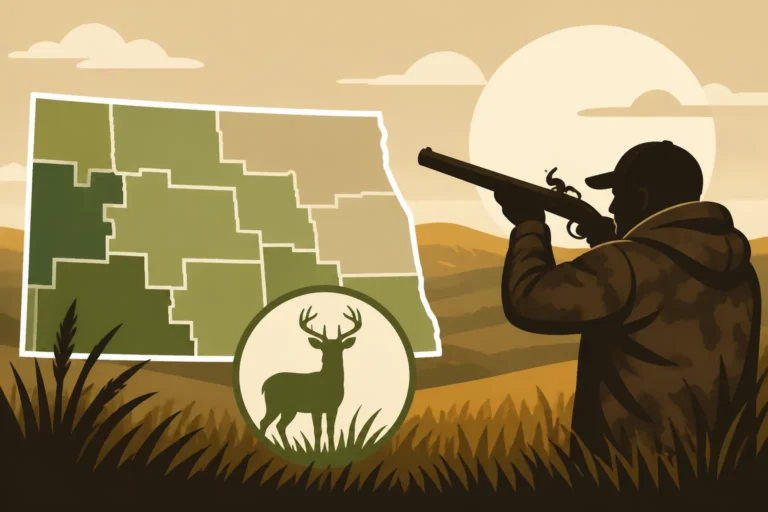
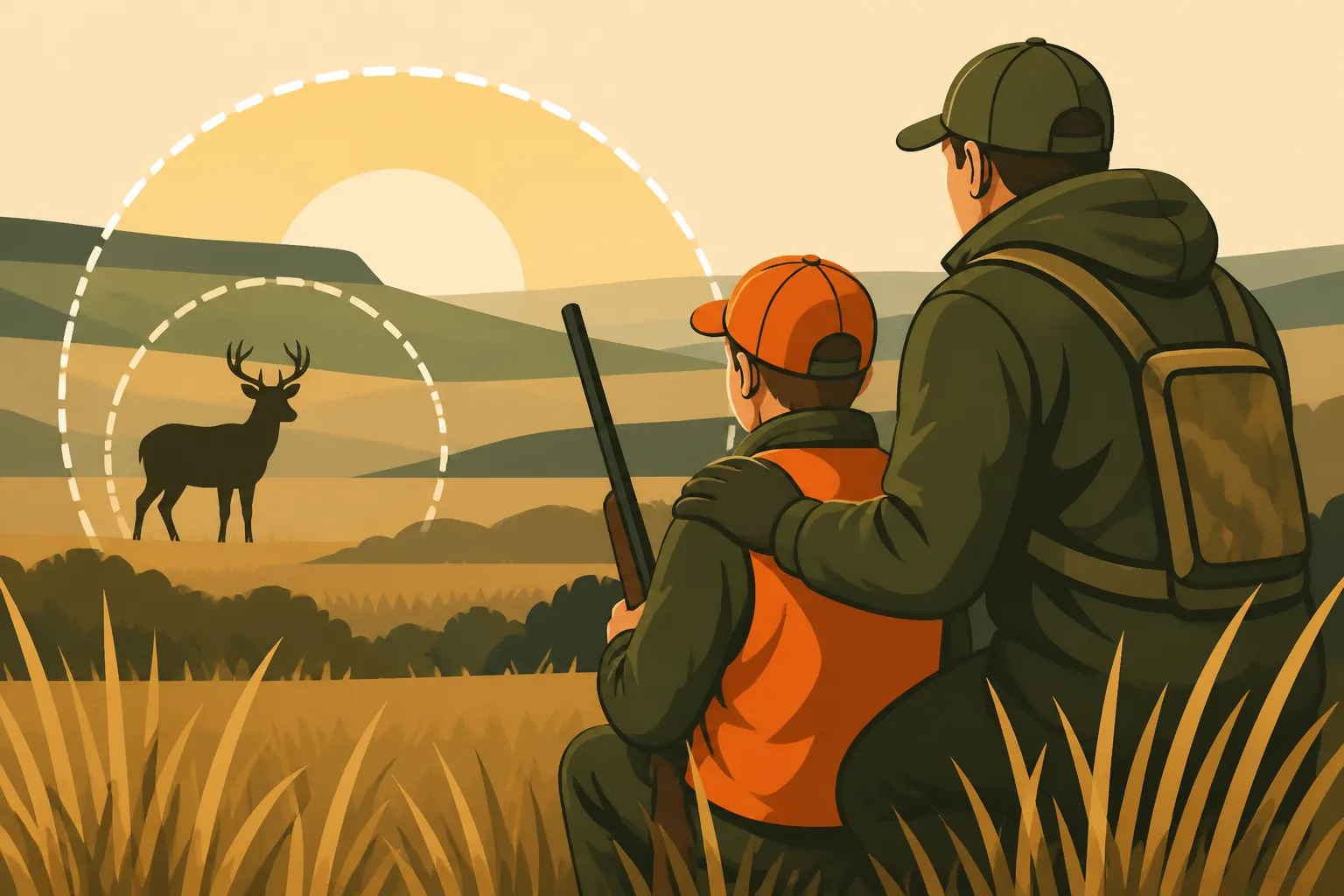
For hunting with firearms, this typically means the mentor must be within arm's reach or extremely close proximity—close enough to immediately take physical control of the firearm or intervene if a dangerous situation arises. Imagine a scenario where a deer suddenly appears, or a young hunter gets excited and points the firearm in an unsafe direction. The mentor needs to be able to instantly correct the action. This level of closeness is non-negotiable for firearm safety, as an accident can happen in a split second. It’s about being able to whisper instructions, physically guide the shot, or grab the muzzle if necessary. When you're considering the legal firearms for deer hunting, understanding this proximity is paramount to safety and compliance.
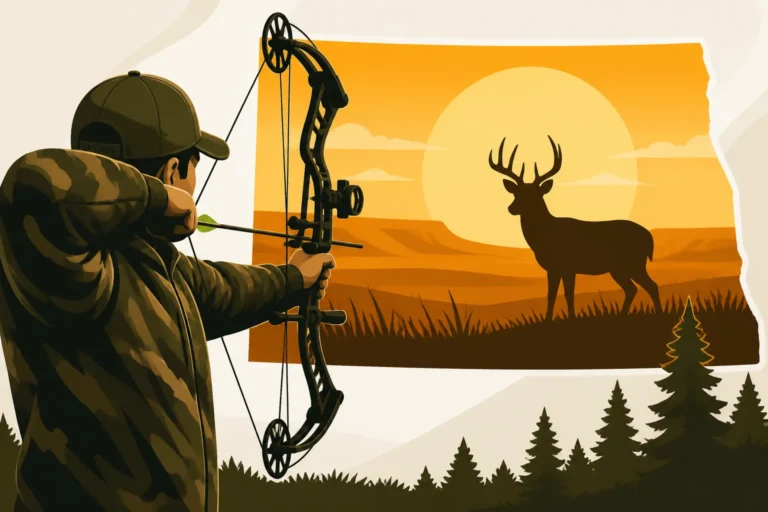
When hunting with archery equipment, the standard of "direct supervision" remains, but the physical distance might allow for slightly more flexibility than with firearms, though not much. The mentor still needs to be within visual and verbal contact at all times, able to provide immediate instruction and observe the apprentice's actions. While you might not need to be "arm's reach" close to physically grab a bow string, you must be close enough to clearly see the apprentice draw, aim, and shoot, and to communicate effectively without shouting. This could mean being side-by-side in a ground blind, or a few yards behind them in a treestand, always with a clear line of sight. Safety considerations like proper arrow handling and shot placement are still crucial, and the mentor must be able to guide these decisions instantly. For those using crossbows, specific North Dakota Crossbow Equipment Rules still apply, and the proximity rules are just as strict.
It's important to remember that these proximity rules are not just bureaucratic hurdles; they are fundamental safety measures designed to prevent accidents and ensure responsible hunting practices are learned from day one.
Here's a quick summary of the proximity guidelines:
| Equipment Type | Proximity Requirement | Primary Goal |
|---|---|---|
| Firearms | Within arm's reach; immediate physical control | Instant intervention for firearm safety |
| Archery/Crossbow | Within visual and verbal contact; immediate instruction | Safe shot selection and ethical hunting |
Practical Scenarios and Staying Safe
Let's talk real-world situations. Imagine you're taking your nephew out for the North Dakota Youth Deer Season. If you're hunting from a ground blind, sitting shoulder-to-shoulder is ideal. You can whisper instructions, help him steady the rifle, and even physically intervene if he forgets a safety rule in the excitement. If you're in a treestand, you'd likely want to be in a two-person stand or have two stands placed so close together that you can easily touch and communicate directly. You're not just observing; you're actively guiding every step.
Out in the prairie, maybe Hunting a Shelterbelt Edge for Deer, if you're still-hunting or stalking, the apprentice should be right beside you. This isn't the time for them to range ahead or lag behind. You're moving as one unit, with the mentor constantly assessing the environment, potential hazards, and the apprentice's immediate actions. This direct contact ensures that blaze orange requirements are met, and the mentor can quickly identify and mitigate any risks.
The core principle is always intervention. Can you prevent an unsafe shot? Can you clarify a target? Can you physically stop an unsafe action? If the answer is no because of distance or obstruction, you're too far away. This is especially vital when teaching young hunters about target identification and what lies beyond their target. They need your experienced eyes and judgment right there with them. Tools like the GoHunt app can be invaluable for mentors to scout areas beforehand, understand terrain, and plan movements that keep the apprentice safely within the required proximity.
Beyond Proximity: Mentor Responsibilities and Ethical Hunting
While physical proximity is a critical legal requirement, the role of a mentor extends far beyond simply staying close. It's about comprehensive guidance, education, and instilling a deep respect for wildlife and the hunting tradition. The mentor is the primary teacher in the field, responsible for cultivating a safe and ethical future hunter.
Instilling Safety and Ethical Practices
A mentor's job is to be a constant teacher. This means reinforcing hunter safety rules throughout the hunt, not just at the beginning. Remind your apprentice about trigger discipline, muzzle control, target identification, and being sure of your backdrop with every potential shot opportunity. Talk them through shot placement and why certain shots should not be taken. Emphasize the importance of knowing and respecting the game animals.
Beyond safety, you're teaching ethics. Discuss fair chase principles, the importance of quick and humane kills, and proper game recovery. If you're hunting public lands like those detailed in Public Hunting Land in North Dakota, you can teach them about sharing space with other hunters and respecting private property boundaries. Show them how to read a PLOTS sign correctly, as covered in Reading a PLOTS Sign Correctly, and why we leave no trace. These are the lessons that build character and ensure the apprentice becomes a responsible steward of our natural resources, not just someone who pulls a trigger. The mentor sets the example, and young hunters are incredibly impressionable.
Navigating Different Hunting Environments with a Youth
Hunting in North Dakota offers a diverse range of environments, from dense river bottom timber to wide-open prairies. Each presents unique challenges and learning opportunities for a young hunter. For example, when you’re hunting in a more timbered area like the Missouri River bottoms, teaching a young hunter to identify deer sign, understand wind direction, and move quietly are key skills. You might talk them through how to track a deer in fresh prairie snow, which is a whole different skill set.
On the open prairie, where visibility is vast, you can teach them how to use terrain features for cover during a stalk, or how to glass for game effectively. Discuss the importance of wearing sufficient North Dakota Blaze Orange Requirements, especially when hunting with others. This exposure to varied landscapes not only makes them more versatile hunters but also deepens their appreciation for North Dakota's natural beauty and the different habitats that support species like the White-Tailed Deer Across North Dakota. Remember, your role is to guide them through these experiences, explaining the "why" behind every decision. Using mapping tools like those found on GoHunt can help you visualize the terrain and plan for safe movement and effective hunting strategies with your mentee.
Resources and Tools for Mentors
Being a mentor is a significant undertaking, and thankfully, there are numerous resources available to support you in this vital role. Taking advantage of these tools can enhance the learning experience for your apprentice and make your job easier and more rewarding.
Official North Dakota Game and Fish Resources
The North Dakota Game and Fish Department (NDGFD) is your primary resource for all regulations, safety guidelines, and educational materials. Their website is a treasure trove of information, offering detailed summaries of everything from North Dakota Hunter Education Requirements to specific season dates and bag limits. They often publish educational brochures and videos specifically designed for mentors and new hunters. Regularly checking the NDGFD website for updates before heading into the field is non-negotiable, as regulations can sometimes change. They also provide comprehensive maps, including their popular PLOTS (Private Land Open To Sportsmen) guide, which is invaluable for planning hunts on accessible private land. Understanding these resources is key to ensuring a legal and enjoyable hunting experience for both mentor and apprentice.
Leveraging Technology for Preparedness
In today's world, technology can be a powerful ally for mentors. Mapping applications are incredibly useful for pre-hunt scouting and in-the-field navigation. For example, the GoHunt app and similar platforms allow you to analyze satellite imagery, topo maps, and land ownership boundaries. This can help you identify safe zones of fire, understand terrain features that might influence game movement, and ensure you're always aware of where you and your apprentice are in relation to property lines or restricted areas. Before you head out, you can use these tools to scout potential areas, identify safe entry and exit routes, and discuss with your apprentice where you expect to see game. This kind of preparation not only boosts your confidence but also teaches your apprentice valuable skills in trip planning and navigation. Whether it's looking up North Dakota Hunting Licenses and What They Cost or reviewing game harvest data, using reliable digital resources can make you a more informed and effective mentor.
Additionally, many apps offer features like GPS tracking, which can be invaluable for staying together in dense cover or when recovering game, like Tracking a Deer in Fresh Prairie Snow. Always ensure your phone is charged and consider a backup power source, as cell service can be spotty in some of North Dakota's more remote hunting areas.
Disclaimer
The information provided in this guide is intended for general informational purposes only and does not constitute legal advice. Hunting regulations can change, and it is the responsibility of every hunter to consult the most current North Dakota Game and Fish Department regulations and laws before engaging in any hunting activities. Always prioritize safety and ethical hunting practices.