North Dakota Captive Cervid Oversight
It can feel overwhelming to navigate the intricate world of hunting regulations, especially when it comes to something as sensitive and complex as captive cervid operations. Hunters and landowners alike often wonder about the rules governing private deer and elk farms, particularly with ongoing concerns about wildlife health. This comprehensive guide aims to demystify North Dakota's robust oversight and regulations for captive cervids, providing clarity on how these facilities are managed to protect both farmed animals and our precious wild herds.
Understanding North Dakota's Captive Cervid Landscape
The presence of captive deer and elk facilities in North Dakota brings with it a unique set of challenges and responsibilities. These operations, often run by dedicated individuals, contribute to agricultural diversity, but they also require stringent oversight to mitigate potential risks to the state's wild cervid populations. The balancing act between supporting these businesses and safeguarding native wildlife is a delicate one, necessitating clear, enforceable regulations.
The Why Behind Strict Regulation
The primary driver for strict oversight of captive cervids boils down to disease prevention and the protection of North Dakota's wild deer and elk herds. We’ve all heard the anxieties surrounding Chronic Wasting Disease (CWD), a fatal neurological disease that affects cervids. While CWD is naturally occurring in some wild populations, the risk of it being introduced or spread through captive facilities, or even escaping from them, is a significant concern. Imagine the devastation if a virulent disease spread from a captive herd to the larger wild population—it could impact hunting seasons, herd health, and the very future of these animals for generations.
Beyond CWD, other diseases like Epizootic Hemorrhagic Disease (EHD) also pose threats, though CWD remains the paramount concern for captive operations due to its long incubation period and persistent nature in the environment. The regulations are designed to create a buffer, a protective barrier, between the controlled environment of a captive herd and the free-ranging animals that are such a vital part of North Dakota's natural heritage. This is why strict rules exist, not to hinder operations, but to ensure everyone's long-term interests are served.
Who Oversees Captive Cervids in North Dakota?
When you talk about captive cervid oversight in North Dakota, there are primarily two key state agencies involved, alongside the critical role of private veterinarians.
First and foremost, the North Dakota Department of Agriculture (NDDA) holds the primary authority for licensing, inspecting, and regulating captive cervid facilities. Think of them as the gatekeepers for animal health and agricultural standards within these operations. They handle the nitty-gritty details of permits, record-keeping, and facility requirements. Their focus is on ensuring the health and welfare of the captive animals themselves, and by extension, preventing disease transmission.
The North Dakota Game and Fish Department (NDGFD) also plays a crucial, though more advisory, role. While they don't directly license captive facilities, their mission is the management and conservation of wild game. Therefore, they are deeply invested in preventing the spread of diseases like CWD to wild deer and elk populations. They often collaborate with the NDDA, providing expertise on wild cervid biology, disease ecology, and the potential impacts of captive operations on free-ranging animals. This partnership ensures that regulations consider both the agricultural aspects and the broader wildlife management goals.
Finally, private, licensed veterinarians are absolutely crucial. They are on the front lines, working directly with captive cervid operators to develop herd health plans, conduct disease surveillance, administer vaccinations, and provide medical care. Their ongoing involvement is mandated by many of the health regulations, making them indispensable partners in maintaining healthy captive herds and detecting potential issues early.
Key Regulations Governing Captive Cervid Facilities
The regulations for captive cervid facilities in North Dakota are detailed and comprehensive, designed to leave as little to chance as possible when it comes to animal health and preventing escape. These aren't just suggestions; they are legally binding requirements that operators must adhere to.
Licensing and Permitting Requirements
Any individual or entity wishing to operate a captive cervid facility in North Dakota must first obtain the necessary licenses and permits from the NDDA. This isn't a simple handshake agreement; it's a rigorous application process. You'll need to submit detailed plans for your facility, demonstrating how you meet state standards.
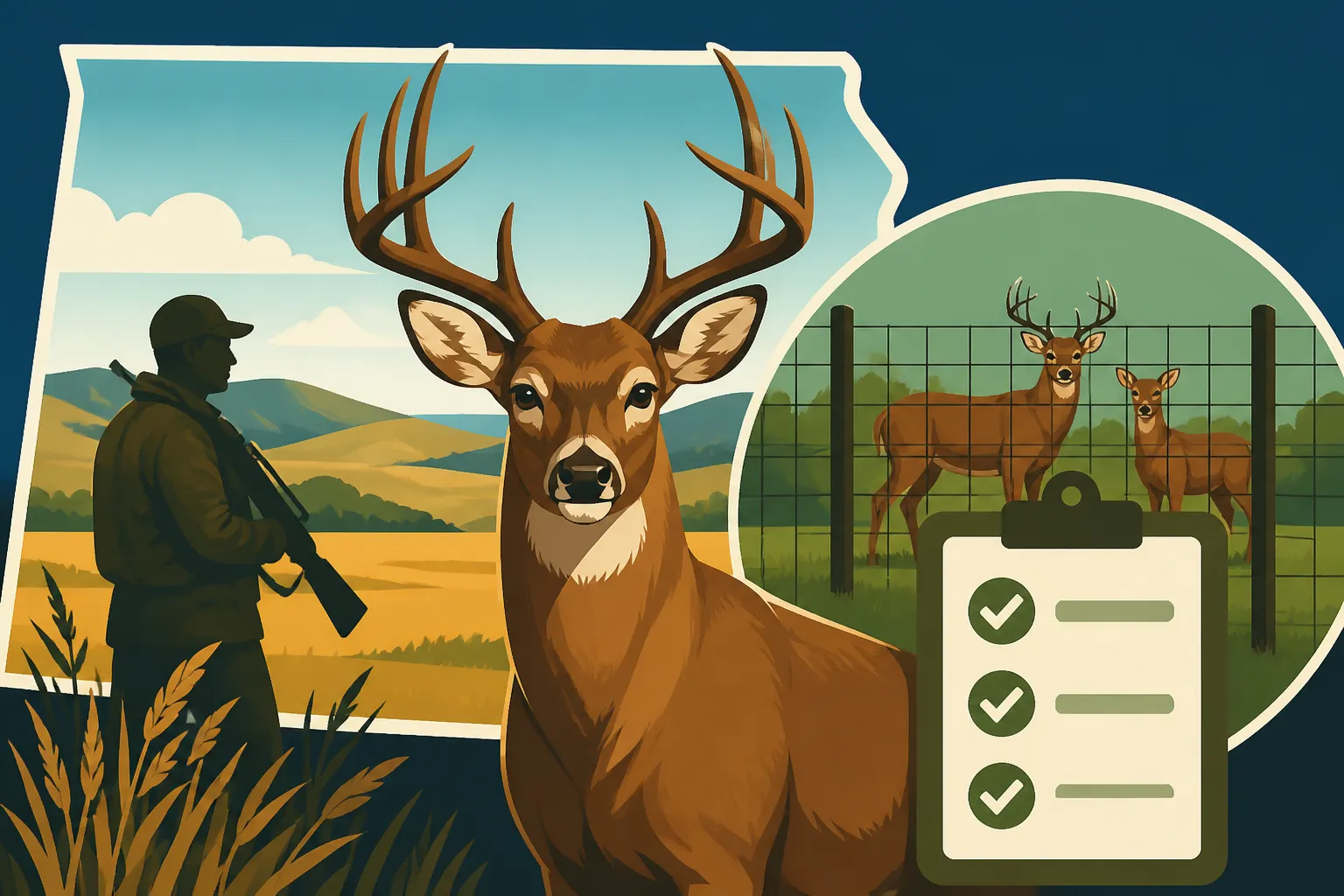
A critical aspect of this is facility inspection. Before a license is granted, and periodically thereafter, NDDA officials will conduct thorough inspections of the property. The focus is heavily on containment. This means strict fencing standards are paramount. North Dakota typically requires what's known as "double-fencing" for captive cervid enclosures. This involves an inner fence to contain the animals and an outer perimeter fence, separated by a specific distance, creating a buffer zone. This double layer is a crucial safeguard, designed to prevent escapes and minimize direct contact between captive animals and any curious wild deer or elk that might wander by. The fences must be of a specific height, construction, and integrity to prevent animals from jumping over, pushing through, or digging under. Regular maintenance and immediate repair of any breaches are non-negotiable parts of the permit agreement.
Permit renewal isn't just a rubber stamp either. Operators must continue to demonstrate compliance with all regulations, including herd health, fencing, and record-keeping, to maintain their license. Failure to do so can result in fines, suspension, or even revocation of their operating permit.
Health Protocols and Disease Monitoring
This is where the rubber truly meets the road in terms of protecting both captive and wild cervids. North Dakota has very specific and mandatory health protocols in place, especially concerning CWD. All cervids that die or are slaughtered at a captive facility must be tested for CWD. This is not optional. This mandatory testing provides crucial surveillance data, helping to detect any potential CWD presence early and prevent its spread.
Beyond CWD, facilities are required to have a herd health plan, often developed in conjunction with a private veterinarian. This plan outlines protocols for routine veterinary care, parasite control, nutrition, and general animal welfare. New animals brought into a facility typically face strict quarantine procedures, often for a period of 30 days or more, during which they are observed for signs of illness and may undergo additional testing before being integrated into the main herd. This reduces the risk of introducing diseases from outside sources. For hunters tracking general CWD information and understanding the landscape, resources like GoHunt can be quite valuable in staying informed about disease prevalence in surrounding wild areas, which indirectly impacts the importance of these captive cervid health protocols.
Animal Movement and Identification
Maintaining strict control over individual animals is another cornerstone of North Dakota's oversight. Every cervid in a licensed captive facility must have official identification, typically in the form of ear tags. These tags often have unique numbers that allow for individual animal tracking and record-keeping. This identification system is vital for tracing an animal's origin, health history, and any movements.
Movement permits are required for transporting cervids both into and out of licensed facilities. These permits ensure that animals being moved meet specific health requirements and that their movement is recorded. There are often strict restrictions on importing cervids from states with known CWD-positive captive or wild herds, further limiting potential disease introduction. This careful tracking ensures that if a disease outbreak were to occur, investigators could quickly identify and trace all potentially exposed animals, containing the threat much more effectively.
The Impact of CWD on Captive Cervid Oversight
The persistent threat of CWD has dramatically shaped and continues to influence captive cervid oversight in North Dakota. It's a game-changer, pushing regulators and operators to constantly adapt and strengthen their measures. As more is learned about CWD and as it unfortunately expands its footprint, so too do the regulations intensify. Hunters are keenly aware of the North Dakota's Expanding CWD Hunting Units, and this public awareness further underscores the necessity for robust captive cervid management.
Enhanced Biosecurity Measures
The concern over CWD has led to significantly enhanced biosecurity measures within captive cervid operations. It's not just about robust fencing anymore, though that remains critical. We're talking about comprehensive strategies to prevent any contact, direct or indirect, between captive and wild cervids. This includes stricter protocols for carcass disposal, ensuring that any CWD-positive carcasses are handled in a way that minimizes environmental contamination, as prions (the infectious agents of CWD) can persist in soil for years. Knowing that CWD Testing for North Dakota Hunters is a reality in wild herds emphasizes why these facilities must adhere to even higher standards.
The double-fencing requirements, mentioned earlier, are a direct response to this biosecurity need. They provide a physical buffer, but biosecurity also extends to practices like managing feed, water sources, and preventing entry by other wildlife that could act as vectors. The goal is to create a true closed system as much as possible, one where the captive animals are isolated from the wild deer and elk. The state's efforts to monitor North Dakota's Fourteen-Unit CWD Zone illustrate the widespread nature of this threat, making biosecurity in captive herds more crucial than ever.
Collaborative Efforts and Future Outlook
Managing captive cervids in the shadow of CWD is truly a collaborative effort. It requires constant communication and cooperation between the NDDA, NDGFD, and the captive cervid producers themselves. Nobody wants CWD to spread, and this shared goal fosters a willingness to work together on solutions. The NDGFD, with its deep knowledge of North Dakota Deer Population Estimate and movement patterns, provides invaluable input to the NDDA on how captive cervid regulations can best protect the wild resource.
Research into CWD continues, and as new information emerges about its transmission, detection, and mitigation, North Dakota's regulations will undoubtedly adapt. This isn't a static set of rules; it's a dynamic system designed to evolve with the science. The state remains committed to protecting the health and long-term viability of all cervid populations, both farmed and wild. For hunters wanting to track these developments and manage their own CWD risk, utilizing a platform like GoHunt can keep them informed about current regulations and CWD zones, including areas where Mandatory Testing Inside a CWD Hunting Unit might be in effect. Knowing How CWD Spread From the Missouri River Corridor also highlights the importance of continued vigilance.
Here’s a summary of key oversight areas:
| Oversight Category | Administering Agency | Key Requirements/Actions | Primary Goal |
|---|---|---|---|
| Licensing & Permitting | ND Department of Agriculture | Facility inspection, fencing standards (e.g., double-fencing), application review. | Control who can operate and ensure minimum standards. |
| Herd Health Plans | ND Department of Agriculture (with vet involvement) | Annual vet-approved health plan, disease prevention strategies, animal care protocols. | Proactive disease management and animal welfare. |
| CWD Testing & Surveillance | ND Department of Agriculture | Mandatory testing of all mortalities/slaughtered cervids, CWD sample submission. | Early detection and monitoring of CWD. |
| Animal Identification | ND Department of Agriculture | Mandatory ear tagging for all cervids, detailed record-keeping. | Traceability and individual animal management. |
| Movement & Importation | ND Department of Agriculture | Permits for moving animals, import restrictions from CWD-affected areas, health certificates. | Prevent disease introduction and spread. |
| Biosecurity Measures | ND Department of Agriculture / Game and Fish (collaboration) | Double-fencing, carcass disposal protocols, minimizing wild-captive contact. | Prevent disease transmission between wild and captive herds. |
Understanding these regulations is crucial not only for operators but for anyone concerned about the future of North Dakota's deer and elk. It's an assurance that significant effort is being put into managing these facilities responsibly, safeguarding the broader wildlife resource that we all cherish. Hunters must understand these protocols, as they directly tie into the health of the deer that roam areas near captive operations. Learning about specific rules like North Dakota Deer Farm Regulations or how to properly manage meat with Handling Venison From a CWD Hunting Unit are essential for responsible hunting.
While the regulations are primarily overseen by the North Dakota Department of Agriculture, the impact on wild populations means that the North Dakota Game and Fish Department is always in the loop, especially when considering issues like North Dakota's Expanding CWD Hunting Units or the overall North Dakota Deer Herd Size. It’s a collective effort to maintain the health of these magnificent animals for everyone who enjoys North Dakota's outdoors.
Disclaimer
Please remember that hunting regulations, licensing requirements, and disease protocols can change. This guide provides general information based on current knowledge. Always consult the official North Dakota Game and Fish Department and North Dakota Department of Agriculture websites or publications for the most up-to-date and legally binding information before engaging in any hunting activities or establishing captive cervid operations.