Ring-Necked Pheasants in North Dakota
Stepping onto the crisp prairie in North Dakota, shotgun cradled, with the eager anticipation of a rooster pheasant erupting from the cover can be one of the most exhilarating experiences a hunter can have. Yet, understanding the nuances of these magnificent birds, their habitats, and how their populations ebb and flow can be a real head-scratcher. This comprehensive guide aims to demystify the world of ring-necked pheasants in North Dakota, offering deep insights into their biology, preferred environments, and the best strategies to pursue them.
The Enduring Appeal of North Dakota Pheasants
There's something truly special about chasing pheasants in North Dakota. It's more than just a hunt; it's an immersion into a landscape that feels ancient, coupled with the thrill of a vibrant, unpredictable game bird. For many, the annual pheasant hunt is a pilgrimage, a time-honored tradition that connects them to the land and to generations of hunters before them.
Why Hunters Flock to the Prairie for Roosters
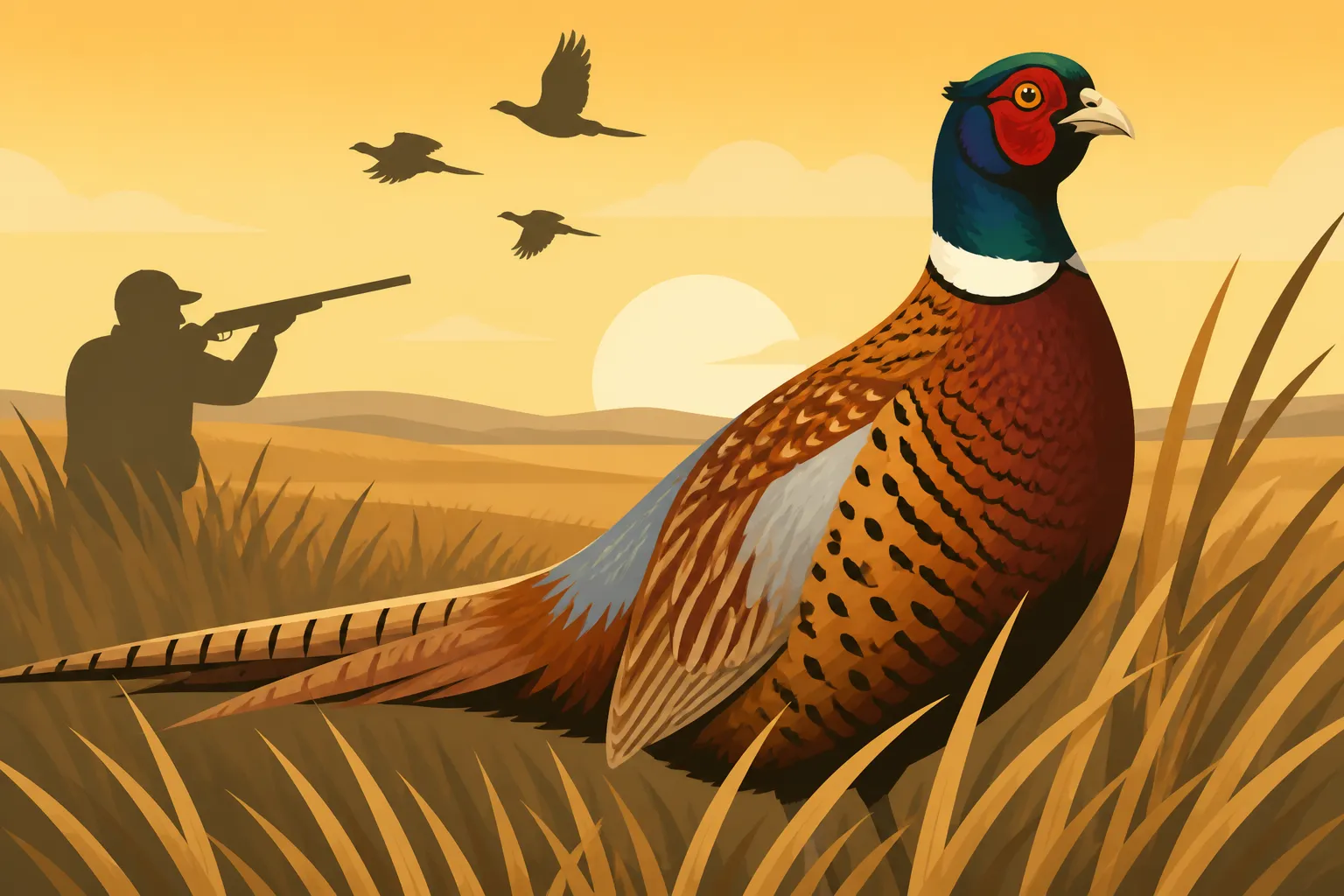
The allure of North Dakota's pheasants is multifaceted. First, there's the sheer number of birds. While populations fluctuate year to year, North Dakota consistently ranks among the top pheasant hunting states, offering robust opportunities for both residents and non-residents. We’re talking about vast expanses of prime habitat, from CRP fields that ripple in the wind to cattail-choked sloughs that hold tight-lipped roosters. The challenge itself is a significant draw; pheasants are wily creatures, known for their uncanny ability to run for miles, frustrating even the most experienced bird dogs and hunters. Getting a big, colorful rooster to flush within shotgun range is a moment of pure adrenaline, a burst of color and sound against the muted prairie backdrop. The iconic cackle of a flushing rooster is a sound etched into the memory of every upland hunter, a promise of excitement and a testament to the wild spirit of the prairie. It’s a hunt that demands patience, keen observation, and a willingness to put in the miles, often rewarding those who persist with unforgettable experiences.
The Economic and Cultural Impact of Pheasant Hunting
Beyond the individual thrill, pheasant hunting weaves a deep tapestry into the fabric of North Dakota. It’s a significant economic driver, bringing in hunters from all corners of the country who spend money on licenses, lodging, food, fuel, and gear. Small towns across the pheasant belt, which might otherwise struggle, see a noticeable boost during hunting season, with local businesses thriving on the influx of visitors. Think about the local cafes serving up hearty breakfasts before the hunt, the gas stations becoming hubs of activity, and the small-town motels brimming with tired but happy hunters. Culturally, pheasant hunting is a rite of passage for many North Dakotans. It’s an opportunity for families and friends to gather, share stories, and pass down traditions. Deer camp might be well-known, but pheasant camp has its own distinct charm, often filled with the camaraderie of fellow bird dog enthusiasts and the clinking of celebratory beverages after a successful day. It represents a connection to the state's agricultural heritage, a respect for wildlife, and a deep appreciation for the wide-open spaces that define North Dakota.
A History of Ring-Necked Pheasants in North Dakota
Understanding how pheasants came to be such a cornerstone of North Dakota's hunting scene is a fascinating journey. These birds aren't native to the plains, yet they’ve become perfectly adapted, thriving in an environment far from their ancestral home.
From Asia to the Dakotas
The ring-necked pheasant, Phasianus colchicus, originally hails from Asia. Their introduction to North America was a deliberate effort to establish a new game bird. The first successful introduction in the United States is generally attributed to Oregon in the late 1800s. North Dakota's story began a bit later, with initial introductions happening in the early 20th century, largely around 1910. Farmers and sportsmen, recognizing the potential for a resilient and prolific game bird that could tolerate the harsh prairie winters, actively participated in stocking efforts. These early birds found a welcoming home in the state’s agricultural landscape, particularly as small grains like wheat and corn became more prevalent, providing both food and ample cover. Unlike some introduced species that struggle to adapt, pheasants quickly took to the North Dakota environment, utilizing the diverse mix of cropland, grassland, and wetland habitats. Their ability to reproduce quickly and their adaptable diet meant they rapidly expanded their range, quickly becoming a popular target for hunters and a celebrated part of the state's wildlife.
The Rollercoaster of Population Trends
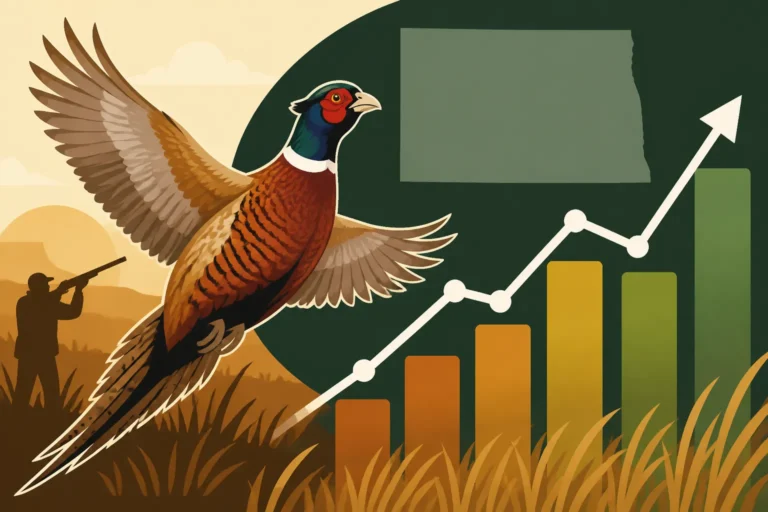
Pheasant populations in North Dakota have never been a static number; they've ridden a rollercoaster of highs and lows influenced by a complex interplay of factors. Early establishment saw rapid growth, leading to some truly phenomenal hunting seasons in the mid-20th century. However, changes in agricultural practices, particularly the "fence row to fence row" farming boom that reduced crucial nesting and winter cover, led to significant declines in subsequent decades. Severe winters, especially those with prolonged periods of deep snow and ice, can decimate pheasant numbers, as birds struggle to find food and shelter, making Winter Survival and North Dakota Pheasant Numbers a critical factor. Conversely, mild winters and wet springs that foster lush cover can lead to impressive population rebounds. In more recent times, federal conservation programs like the Conservation Reserve Program (CRP), which pays farmers to take marginal land out of production and plant it with perennial grasses, have played a pivotal role in creating vast tracts of ideal pheasant habitat. You can dive deeper into these trends by looking at the official North Dakota Pheasant Population Estimate reports, which are often analyzed in great detail. The overall health of the habitat, the severity of the weather, and land-use practices are the dominant forces dictating whether we'll see booming rooster numbers or a more challenging season.
Prime Pheasant Habitat in North Dakota
Knowing where pheasants live is half the battle when you're planning a hunt. North Dakota offers a mosaic of habitat types, and understanding which ones birds prefer can significantly increase your chances of success.
Key Cover Types for Roosters
North Dakota's landscape is diverse, offering a smorgasbord of cover that pheasants absolutely love. First and foremost, you've got your Conservation Reserve Program (CRP) fields. These are gold mines for pheasants, providing dense, tall grasses that offer excellent nesting cover in the spring and vital thermal protection during harsh winters. When you're Walking North Dakota PLOTS Land for Pheasant, especially in the early season, you'll often find birds holding tight in these thick fields. Then there are the cattail sloughs and wetland edges. These areas are crucial, especially in late season or during cold snaps. The dense cattails provide an almost impenetrable fortress against wind and snow, offering pheasants much-needed thermal cover. Flushing a rooster from a frozen slough edge, especially when he thought he was safe, is a classic North Dakota experience. Shelterbelts and tree rows act as linear highways and critical winter cover, breaking the wind and offering roosting sites. And let's not forget standing crops, particularly corn and sunflowers. These act as both food sources and incredibly dense cover, especially in the late season after other crops have been harvested. It’s not uncommon to push a standing cornfield and have dozens of birds explode around you, providing a memorable hunt. Each cover type offers unique challenges and rewards, and understanding how pheasants utilize them throughout the day and the season is key to consistent success.
Regional Hotbeds for Pheasant Numbers
While pheasants are found across much of the state, certain regions consistently produce higher bird numbers and offer more abundant hunting opportunities. Generally, the south-central and southeastern parts of North Dakota are considered the traditional heart of pheasant country. Counties like Dickey, Sargent, Ransom, and LaMoure often report some of the highest pheasant densities and harvest numbers. These areas benefit from a mix of agricultural land, ample CRP, and numerous wetlands. The topography here is often gently rolling, with a good interspersion of cover and food sources. However, you shouldn't overlook pockets of excellent habitat in other regions, especially the Missouri River corridor and some western counties, which can hold surprising numbers of birds, particularly in areas with good river bottom cover. If you're wondering Where North Dakota Pheasants Are Densest or trying to pinpoint prime hunting areas, resources like GoHunt can be invaluable. Their mapping tools and data layers allow you to visually identify areas with high concentrations of suitable habitat, historical pheasant numbers, and public land access. This kind of detailed scouting from your couch can really give you an edge before you even set foot on the prairie, helping you narrow down your search and focus your efforts on areas with the best potential.
Understanding North Dakota Pheasant Biology and Behavior
To be a successful pheasant hunter, or simply to appreciate these birds, it helps to understand their daily rhythms and how they adapt to their environment. They're not just colorful targets; they're resilient survivors.
Daily Movements and Roosting Habits
Pheasants are creatures of habit, and their daily routine is largely dictated by food, cover, and safety. In the early morning, often right around shooting light, pheasants will typically move from their night roosts in dense cover (like cattails, thick CRP, or even heavy shelterbelts) to feeding areas. These feeding areas are usually agricultural fields—stubble fields, standing corn, soybean fields—where they can glean waste grain or forage for insects. As the sun rises higher and hunting pressure increases, birds will often move back into thicker escape cover. This mid-morning shift can be a frustrating time for hunters, as birds often hold tighter or run far ahead. You'll find them hunkered down in those deep, impenetrable cover types like the middle of a large slough or the densest patches of CRP. In the late afternoon, as the sun begins to dip and hunting pressure wanes, they'll once again make a move back to feeding areas for an evening meal before heading to their night roosts. Understanding this pattern of movement—roost to feed, feed to cover, cover to feed, feed to roost—is crucial for timing your hunts effectively. For instance, hunting food sources early and late, and focusing on heavy cover during midday, can significantly increase your chances of encountering birds.
Seasonal Adaptations and Survival Challenges
The life of a North Dakota pheasant is a constant battle against the elements and predators, and their behavior adapts dramatically with the seasons. In spring, the focus shifts to breeding, with roosters becoming territorial and performing elaborate courtship displays. Hens will nest in dense grass, often CRP fields, and successful broods are essential for the overall North Dakota Pheasant Population Estimate. Summer sees the chicks grow, becoming more mobile and less vulnerable. This is also when the North Dakota Game and Fish Department conducts its crucial brood surveys, offering insights into the upcoming season’s prospects. Autumn brings the hunting season, and pheasants become incredibly wary, often running long distances before flushing. This is when their remarkable camouflage and swift flight are put to the ultimate test. But perhaps the greatest challenge comes with winter. Severe North Dakota winters, with deep snow, prolonged cold, and ice, can be brutal. Birds rely heavily on dense thermal cover like cattail sloughs or thick shelterbelts to survive these conditions. Food sources can become buried, and the energy demands to stay warm are immense. The Department's Winter Survival and North Dakota Pheasant Numbers reports highlight just how impactful these conditions can be on the following year's population. It's a testament to the pheasant's resilience that they endure year after year, providing incredible hunting opportunities.
North Dakota Pheasant Population Dynamics and Management
Pheasant populations don't just happen; they are actively managed and monitored to ensure sustainable hunting opportunities for future generations. The North Dakota Game and Fish Department (NDG&F) plays a critical role in this ongoing effort.
How NDG&F Monitors Pheasant Numbers
The NDG&F employs several key methods to keep tabs on pheasant populations, giving hunters and biologists a good idea of what to expect each year. One of the most important is the spring crowing count survey. During this time, biologists drive established routes and listen for the distinct "cock-a-doodle-doo" call of roosters at dawn. The number of calls heard provides an index of the breeding rooster population. You might have heard discussions about Why the 2026 Crowing Count Jumped Nine Percent or similar statistics, which directly come from these surveys and give an early indication of population trends. Later in the summer, brood count surveys are conducted. These involve driving routes in the early morning or late evening, looking for hens with chicks. Counting the number of chicks per hen, and the overall number of broods, provides an estimate of reproductive success. Finally, harvest data collected after the hunting season offers a look back at the actual number of birds taken and provides further context on population health. All this information is compiled and analyzed, providing crucial insights into population trends, allowing the NDG&F to make informed decisions about season lengths, bag limits, and management strategies to maintain healthy pheasant numbers.
The Role of Habitat Programs and Conservation Efforts
The backbone of North Dakota's pheasant population isn't just the birds themselves, but the incredible habitat that supports them. And much of that habitat is thanks to robust conservation programs. The Conservation Reserve Program (CRP), administered by the USDA, is arguably the most impactful. It pays landowners to convert highly erodible cropland to perennial vegetative cover, which creates millions of acres of prime nesting, brood-rearing, and wintering habitat for pheasants. Without CRP, North Dakota’s pheasant numbers would look drastically different, as highlighted in reports on North Dakota CRP Acres and Pheasant Numbers. Another vital program is the Private Land Open To Sportsmen (PLOTS) initiative, run by the NDG&F. This program leases private land for public hunting access, often specifically targeting areas with excellent pheasant habitat. Understanding The PLOTS Program Explained is crucial for public land hunters, as it provides a network of accessible areas that landowners have voluntarily enrolled. These lands are signed, making it easy for hunters to identify where they can legally hunt. Beyond these, state-managed Wildlife Management Areas (WMAs) also provide key habitat, often strategically located to offer diverse cover types. These efforts, combined with local conservation groups like Pheasants Forever, work tirelessly to enhance, restore, and protect the habitat that allows North Dakota's pheasants to thrive, ensuring that the prairie continues to ring with the cackle of flushing roosters.
Hunting Strategies for North Dakota Pheasants
Actually putting boots on the ground and chasing these birds requires a blend of strategy, patience, and a willingness to adapt. North Dakota's diverse terrain offers many approaches, and the key is knowing when and where to apply them.
Walking North Dakota's Diverse Cover
North Dakota pheasant hunting often involves a lot of walking, and how you approach different cover types can make all the difference. When you're tackling those vast CRP fields, especially early in the season, a systematic approach is best. If you're hunting with a group, spreading out in a line, with blockers at the end of the field if possible, can be very effective. Push into the wind if you can, as birds prefer to flush into the wind, giving you a better shot opportunity. For thick cattail sloughs, particularly later in the season, these are often linear pieces of cover. Walking them from one end to the other, or in a "U" shape, can push birds out the open end. Just be prepared for a quick flush—birds in cattails often hold tight and explode close. Shelterbelts are like long, narrow tunnels. Walking parallel to them, with hunters on both sides, or driving them with a few walkers and a couple of standers at the end, works well. Remember that birds will try to run down the length of the shelterbelt before flushing. For standing corn or sunflower fields, these require a focused, slower push. Birds can disappear into these fields effortlessly. Working grid patterns or pushing small sections at a time is key, always being ready for birds to burst out at any angle. Adapting your walking strategy to the specific cover you're in is fundamental to pheasant hunting success on the prairie.
The Power of Good Bird Dogs
For many, pheasant hunting simply isn't complete without a loyal bird dog by their side. These canine companions aren't just pets; they are invaluable hunting partners, enhancing the experience and significantly increasing your chances of success and recovery. A good pointing dog, like a German Shorthaired Pointer, Brittany, or English Setter, is a joy to watch. They'll methodically quarter the field, locking up on scent, giving you a clear indication of a bird's presence. This allows you to walk in, prepare for the flush, and often get a clean shot. Having a pointing dog is especially beneficial in dense cover where birds might be impossible to find without a nose to guide you. On the other hand, flushing dogs, such as Labrador Retrievers, Springer Spaniels, or Cockers, are champions at pushing birds out of heavy cover and excel at retrieving downed birds. They work close, constantly moving, and force reluctant pheasants to fly. Even if you're Running Pointing Dogs on North Dakota Pheasant, having a good retriever is non-negotiable. Pheasants, especially when hit hard, can sail a long way, or even run after being hit, disappearing into thick cover. A well-trained dog's nose can be the difference between a lost bird and a game bag full of roosters. Their enthusiasm is contagious, and the bond you build with your dog in the field is a unique part of the pheasant hunting tradition.
Late-Season Tactics and Weather Considerations
As the North Dakota hunting season progresses into late fall and early winter, conditions change dramatically, and so must your tactics. This is often when the most challenging but also some of the most rewarding hunts take place. Deep snow transforms the landscape and concentrates birds. When the snow is deep, pheasants will gravitate towards the thickest, tallest cover that offers protection from the wind and predators. Cattail sloughs, heavy shelterbelts, and standing corn become absolute magnets. Hunting in these conditions means working these specific cover types hard and thoroughly. In Late-Season Pheasant Tactics in Deep Snow, you'll find that birds hold incredibly tight, often letting you walk right past them, so slow, methodical pushes are essential. Furthermore, the cold weather makes thermal cover paramount. Birds need to conserve energy, so they'll be in the spots where they can avoid the biting prairie wind. Look for south-facing slopes, the densest parts of sloughs, or the leeward side of tree rows. Don't be afraid to work the edges of unharvested food plots or standing grain fields if you can find them, as these provide both food and cover. Dress in layers, stay hydrated, and be prepared for physically demanding hunts, but the sight of a big, colorful rooster against a backdrop of fresh snow is a truly unforgettable prize.
Essential Gear and Preparation for a North Dakota Pheasant Hunt
A successful and enjoyable pheasant hunt in North Dakota requires more than just knowing where the birds are; it also demands proper gear and thorough preparation. Being ready for whatever the prairie throws at you can make all the difference.
What to Wear and Carry
The North Dakota weather is famously unpredictable, especially during hunting season, so dressing in layers is paramount. You'll need sturdy, brush-resistant pants or chaps to protect against thorns and thick cover – nothing ruins a hunt faster than torn pants or scratched legs. A good hunting vest with ample pockets for shells, water, and harvested birds is essential. For your upper body, start with moisture-wicking base layers, add a warm fleece or wool mid-layer, and top it off with a windproof and water-resistant outer shell. Don't forget a blaze orange cap and vest or outer layer – safety is always the top priority on the prairie. Beyond clothing, a small backpack can be invaluable for carrying extra water, snacks, a first-aid kit, and any other essentials for a long day afield. A reliable GPS device or a smartphone with a hunting app like GoHunt is crucial for navigation, especially on vast public lands where features can look similar. Always carry a compass and know how to use it as a backup. Don't underestimate the importance of comfortable, broken-in hunting boots that provide good ankle support and are waterproof. You’ll be covering miles, and happy feet mean a happy hunter.
Firearm and Ammunition Choices
When it comes to firearms for pheasant hunting, the 12-gauge shotgun is arguably the most popular and versatile choice, offering a good balance of stopping power and shot density. However, many hunters also favor the lighter 20-gauge, especially for younger hunters or those who prefer less recoil, without sacrificing too much performance on closer birds. While less common, some even opt for the 16-gauge or 28-gauge. The key is to choose a shotgun you can handle comfortably and shoot accurately. As for ammunition, lead shot is still widely used for upland birds where regulations allow. For pheasants, #4, #5, or #6 shot are the most common choices. Early in the season, when birds might hold tighter and flush closer, #6 shot can be very effective, offering a dense pattern. As the season progresses and birds become wilder, flushing at longer ranges, many hunters opt for #4 or #5 shot for better reach and knockdown power. Make sure you bring plenty of shells – it’s always better to have too many than too few when you’re out on the prairie. Choke selection is also important; modified or improved cylinder are popular choices for pheasants, balancing pattern density with spread.
Planning Logistics and Navigating Public Land
Successful pheasant hunting in North Dakota involves considerable pre-season planning. First, ensure you have all the necessary North Dakota Hunting Licenses and What They Cost. Non-residents, in particular, need to understand the license requirements and potential restrictions, such as the How Many Days Nonresidents Wait for Public Land Bow Access rule (though this is for deer, it highlights the need to check specific species rules). Utilizing the NDG&F website or resources like GoHunt to understand specific regulations, season dates, and bag limits is critical. The PLOTS program is a lifesaver for public land hunters, and familiarizing yourself with Scouting PLOTS Land Before Season through the ND Hunt App or GoHunt’s mapping features can help you identify promising areas well before your trip. For example, GoHunt's map overlays can highlight public lands, different cover types, and even topographical features that might hold birds. Always carry physical maps as a backup, especially in areas with spotty cell service. When hunting, respect private property boundaries and always ask for permission if you are unsure or want to retrieve a downed bird on private land. Know the rules regarding vehicle use on public lands, and always leave gates as you found them. Planning your lodging, food, and fuel stops in advance, especially if you’re traveling to more remote areas, will save you a lot of hassle and maximize your time in the field.
| Habitat Type | Primary Function | Pheasant Use (Season) | Hunter Strategy | Notes |
|---|---|---|---|---|
| CRP Fields | Nesting, Roosting, Foraging | All Seasons, especially Early | Wide sweeps, line drives, dog work | Look for edges, draws, denser patches |
| Cattail Sloughs | Thermal Cover, Roosting | Mid to Late Season | Slow, thorough pushes, blockers at ends | Birds hold tight; be ready for close flushes |
| Shelterbelts | Thermal Cover, Travel Corridor | Mid to Late Season | Drive ends, walk both sides, push linearly | Birds will run the length; often thicker on the ends |
| Standing Crops (Corn, Sunflowers) | Food Source, Escape Cover | Late Season | Grid patterns, slow methodical pushes, blockers | Excellent for late-season birds; very dense cover |
| Grass Waterways/Field Edges | Travel Corridor, Brooding | Early Season | Quick walks, focus on junctions and thick spots | Connects larger cover types; often overlooked |
Disclaimer
The information provided in this guide is for general informational purposes only and is subject to change. Hunting regulations, season dates, and license requirements are set by the North Dakota Game and Fish Department and can vary year to year. Always consult the official North Dakota Game and Fish Department regulations for the most current and accurate information before planning any hunting trip.