North Dakota Sharptail Grouse Population
Hunting sharptail grouse in North Dakota offers a truly wild experience, but understanding where these elusive birds are and why their numbers fluctuate can feel like trying to read tea leaves. This guide will take a deep dive into the factors influencing the North Dakota sharptail grouse population, helping you unravel the mysteries of their prairie existence and prepare you for a more successful hunt.
Understanding the Sharptail Grouse in North Dakota
Sharptail grouse are iconic residents of North Dakota's expansive prairies, embodying the wild spirit of the grasslands. These aren't your typical backyard birds; they thrive in vast, open spaces, and their very presence speaks to the health of our prairie ecosystems. For many of us, the quest for a sharptail is more than just a hunt; it's a deep connection to the land and its ancient rhythms.
Distinguishing Characteristics of Sharptails
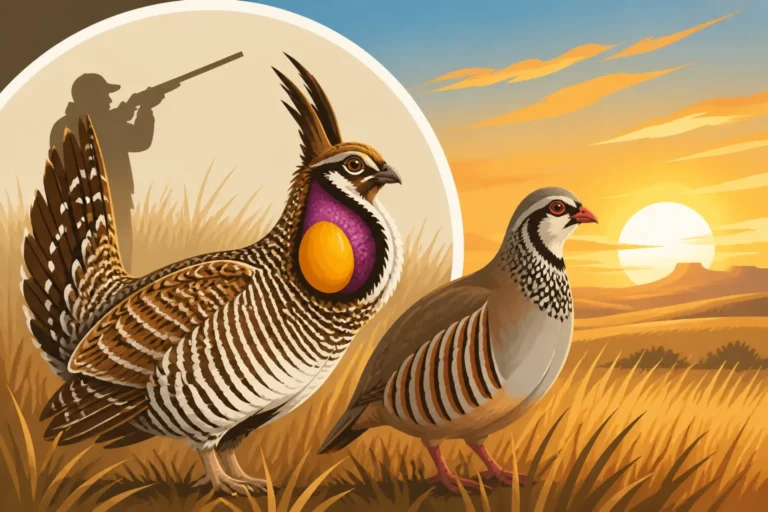
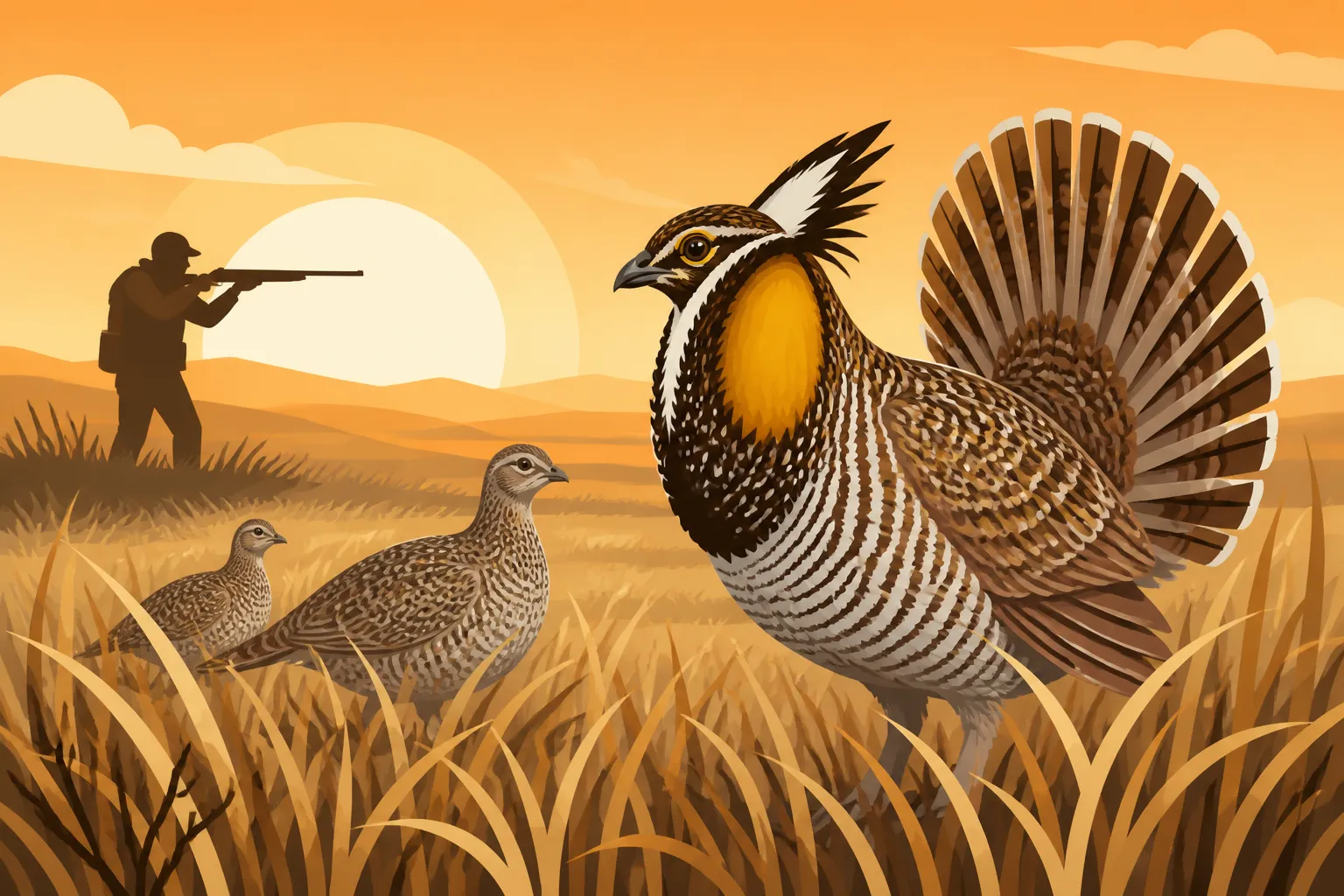
When you think of a sharptail, picture a medium-sized upland bird, often described as a "chicken of the prairie." They're beautifully camouflaged, with intricate brown, buff, and white barring that helps them blend seamlessly into the dry grasses and brush. Their most distinctive feature, and the one that gives them their name, is their pointed tail feathers, particularly noticeable when they're flushed or performing their elaborate courtship dances on a lek. Unlike the more colorful pheasants, sharptails have a more subtle, earthy palette. They're also unique in their behavior, often holding tighter for a pointing dog than a pheasant might, offering a thrilling flush that gets the heart pounding. When they take to the air, their rapid wing beats and short, gliding flights are instantly recognizable, often accompanied by a distinct, whirring sound. Knowing these details helps not just with identification, but also in understanding how they interact with their environment.
Historical Presence and Significance
Sharptail grouse have been an integral part of the North Dakota landscape for centuries, long before European settlement. They were a vital food source for Native American tribes and later for pioneers, symbolizing the abundance of the prairie. Their cultural significance runs deep, with their springtime lek dances inspiring awe and wonder. Historically, vast unbroken prairies provided ideal habitat, supporting robust populations. As agriculture expanded, these birds faced challenges, but their resilience and adaptability allowed them to persist in pockets of suitable habitat. They've always been a barometer for the health of our grasslands; where sharptails thrive, it's a good indicator that the prairie ecosystem is relatively intact and functioning well. Their story is intertwined with the story of North Dakota itself, a testament to the wildness that still endures.
Behavior and Life Cycle of Prairie Grouse
The life cycle of a sharptail grouse is a fascinating testament to adaptation. It all begins in the spring, usually from late March through May, with the famous "lek" displays. Males gather at traditional sites, known as leks or dancing grounds, performing elaborate courtship rituals involving foot-stomping, tail-rattling, and cooing calls to attract females. It's a spectacle of nature, a true highlight of the prairie spring. After mating, hens venture off to nest in dense grass cover, often choosing areas with good residual cover from the previous year. Chicks hatch in late spring or early summer, incredibly precocious and able to follow their mother soon after. These broods spend the summer foraging for insects and seeds, relying on dense cover for protection from predators. As fall approaches, broods often begin to join up, forming larger coveys that will provide the prime hunting opportunities. In winter, they seek shelter in draws, dense shrubbery, or even under snow, feeding on buds, berries, and waste grain. Understanding these seasonal movements and habitat needs is crucial for successful hunting and for appreciating the intricate lives of these birds.
Population Trends and Influencing Factors
The number of sharptail grouse you'll find on the prairie isn't just a random occurrence; it's the result of a complex interplay of environmental factors. For years, biologists and hunters alike have closely watched these fluctuations, trying to decipher what makes a good year and what makes a tough one. It's a constant puzzle, but understanding the pieces helps us better appreciate the challenges these birds face.
Tracking the Numbers: Lek Counts
One of the primary ways North Dakota biologists monitor sharptail populations is through annual lek counts, also known as dancing ground surveys. These counts are performed primarily in the spring, typically at dawn, when male sharptails are most active on their traditional display grounds. Surveyors visit known leks, count the number of displaying males, and often map new or previously undocumented leks. This data provides a crucial index of the breeding population. While it doesn't represent every single bird, it offers a strong indication of trends in abundance from year to year. A significant increase in active leks and displaying males usually points to a healthy, expanding population, while a decline can signal challenges. This is where dedicated organizations like GoHunt can provide useful insights, often breaking down these population reports for hunters. Keeping an eye on these counts, usually released by the state game and fish department in early summer, is the first step for any serious sharptail hunter trying to predict the season ahead.
Impact of Weather Patterns
Weather is perhaps the single most dominant force impacting sharptail grouse populations. It's a game of extremes on the prairie, and these birds are highly susceptible to its whims. A mild winter with adequate snow cover can be beneficial, providing insulation and access to food. However, extremely harsh winters, especially those with prolonged deep snow and ice, can lead to significant mortality if food sources become inaccessible.
The true make-or-break period, though, is spring and summer. A cool, wet spring, particularly during nesting and brood-rearing, can be devastating. Chilly, damp conditions increase the risk of hypothermia for newly hatched chicks, which are incredibly vulnerable. It also reduces insect populations, a critical food source for growing chicks. Conversely, a warm, relatively dry spring and early summer often lead to high chick survival and a strong fall population. Think of it like a delicate balancing act; too much moisture at the wrong time, or a prolonged drought that reduces cover and food, can quickly swing the population numbers. Hunters often look at spring rainfall and temperature maps just as intently as they do hunting maps.
Influence of Land Use Changes
Beyond the immediate weather, the long-term health of the sharptail population is intrinsically tied to land use. North Dakota is an agricultural state, and the conversion of native prairie to cropland is a constant pressure. Sharptails need diverse prairie habitats: areas of tall, dense grass for nesting and escape cover, mixed with shorter grasses for foraging, and scattered shrubs or brush for loafing and winter thermal cover.
When vast tracts of native prairie are tilled under, or when grasslands are overgrazed, the habitat becomes fragmented and less suitable. Modern farming practices, while necessary for food production, often reduce the critical "edge" habitat and diverse plant communities that sharptails rely on. Conversely, conservation programs that incentivize landowners to maintain or restore native grasslands, like the Conservation Reserve Program (CRP), are vital lifelines for these birds. The ebb and flow of CRP enrollment can directly impact sharptail numbers. Understanding these larger landscape changes is key to understanding the sustained presence, or absence, of these iconic grouse.
Habitat Requirements and Conservation Efforts
If you want to find sharptail grouse, you need to understand their address. These birds are particular about where they live, and their habitat preferences are a roadmap for hunters and conservationists alike. The success of the population hinges on the availability and quality of their preferred prairie home.
Ideal Prairie Ecosystems for Sharptails
Sharptails are true prairie specialists, thriving in what's known as mixed-grass prairie. This isn't just any open field; it's a diverse tapestry of various grass species, interspersed with native forbs and low-lying shrubs like buckbrush, silverberry, and rose. This variety is critical because it provides everything a sharptail needs throughout the year. Tall, residual grass from the previous year is essential for nesting hens, offering concealment from predators. Shorter grass areas, often adjacent to denser cover, are ideal for broods to forage for insects during the summer. The scattered shrubs offer crucial thermal cover in winter, protecting birds from biting winds and deep snow, and also serve as loafing areas during the heat of the day. Without this complex mosaic of cover types, the habitat becomes less productive, forcing birds to concentrate in fewer areas or simply fail to thrive. Knowing this helps when you're Sharptail Grouse Hunting Mixed Grass Prairie and trying to decipher where the birds might be.
The Role of Conservation Programs
Recognizing the importance of intact prairie, various conservation programs play a pivotal role in supporting sharptail grouse populations. The federal Conservation Reserve Program (CRP), for instance, pays farmers to convert marginal cropland back to perennial grasses, creating vast acres of nesting and brood-rearing habitat. These CRP fields are often prime locations for sharptails, particularly when they're well-established and diverse.
On a state level, North Dakota's Private Land Open To Sportsmen (PLOTS) program is another cornerstone. Landowners enroll their private acres, which often include excellent grasslands, in the program, opening them up to public hunting access. This provides critical hunting opportunities and, just as importantly, ensures that valuable habitat is being managed and maintained. These public access areas often feature the diverse habitat types that sharptails require. Learning how to identify Reading a PLOTS Sign Correctly and utilize these areas can significantly increase your chances of finding birds. The continued success of these programs is vital for the future of sharptail hunting in the state, and hunters' support of them directly contributes to habitat preservation.
Challenges from Habitat Fragmentation
Despite conservation efforts, habitat fragmentation remains a significant challenge for sharptail grouse. As native grasslands are broken up by roads, energy development, and agricultural expansion, the continuous stretches of prairie that sharptails need become smaller and more isolated. This can lead to what biologists call "island populations," where groups of birds are cut off from larger populations, reducing genetic diversity and making them more vulnerable to local extinctions from disease or severe weather events.
Furthermore, fragmented habitats often lead to increased predation rates, as predators can more easily access nesting and loafing areas from the edges. The quality of the remaining habitat can also degrade due to edge effects, where conditions along the boundaries of a habitat patch are different from the interior, often less favorable for species that prefer interior habitats. Addressing habitat fragmentation requires a landscape-level approach, promoting interconnected patches of grassland and incentivizing practices that maintain broad expanses of native prairie.
Hunting Sharptails: Strategies and Seasons
Hunting sharptail grouse is a quintessential North Dakota experience, offering a blend of challenging walking, thrilling flushes, and the satisfaction of pursuing a truly wild bird. But it's not always easy; these birds can be elusive, and success often comes down to knowing their habits and the best ways to approach them.
Season Dates and Regulations
Before you even step foot on the prairie, you need to be dialed into the current season dates and regulations. North Dakota's upland game seasons are set annually, and it's imperative to check the most recent proclamation from the North Dakota Game and Fish Department. Generally, the season for sharptails, often lumped in with Sharptail Grouse and Hungarian Partridge in North Dakota, opens in early to mid-September and runs through the end of the year, sometimes even into early January. Daily bag limits and possession limits are also clearly defined.
It's not just about the dates, though. Understand the legal shooting hours, which typically align with sunrise and sunset, and any specific equipment restrictions. For instance, while shotguns are standard, knowing the shot size restrictions (if any) is important. Also, be aware of blaze orange requirements, which are often mandatory during specific overlapping seasons, such as deer gun season. A valuable resource like GoHunt can often provide breakdowns of these regulations and season openers, helping you navigate the specifics. Always carry your valid North Dakota Hunting Licenses and What They Cost and any required endorsements, and make sure you're familiar with the rules for transporting game.
Effective Hunting Strategies for Sharptails
Hunting sharptails successfully often involves a combination of scouting, walking, and sometimes using dogs. These birds prefer to hold tight in dense cover, especially in the heat of the day, making them excellent candidates for walking them up or working with a good pointing dog.
- Walking Large Tracts: Sharptails live in big country, so be prepared to walk. Focus your efforts on areas with diverse mixed-grass prairie, especially those with good residual cover, patches of buckbrush, and draws. Walk slowly, paying attention to subtle changes in terrain and cover. Sharptails often flush with an explosive burst, so be ready. This is particularly effective on expansive PLOTS tracts or national grasslands.
- Utilizing Dogs: A well-trained pointing dog can dramatically increase your success rate. Dogs cover more ground, pinpoint birds that would otherwise be missed, and retrieve downed game. Look for dogs with a good nose and the stamina to cover miles of prairie. If you're Running a Pointer Through CRP Grass, keep an eye on your dog's signals for scent.
- Early Morning & Late Afternoon: Sharptails are often most active during the cooler parts of the day, feeding in more open areas. As the day warms up, they move into denser cover to loaf. Adjust your hunting times accordingly, focusing on edges and transition zones during prime feeding times, and then concentrating on thick cover during midday.
- Reading the Landscape: Pay attention to drainages, coulees, and shelterbelts, as these often provide critical cover and travel corridors. Even in vast open country, subtle topographical features can concentrate birds. Understanding Reading aerial photos for Badlands Deer tactics can even translate to finding prime grouse habitat.
Gear and Dog Considerations
Being properly equipped makes all the difference when hunting sharptail grouse. First and foremost, comfortable, broken-in boots are non-negotiable. You'll be covering miles over uneven terrain, and blisters can quickly ruin a hunt. Lightweight, breathable clothing that can handle briars and brush is also key, as you'll be pushing through a variety of cover. Layers are always a good idea, as prairie temperatures can fluctuate dramatically throughout the day.
For your shotgun, a 12 or 20 gauge is standard, with open chokes (e.g., improved cylinder or modified) being ideal for the typical flushing ranges of sharptails. Loads of 6 or 7.5 shot are generally effective. Don't forget ample water for yourself and your dog, especially on warm days, and a good game vest or bird bag to carry your birds. Navigation tools, whether a GPS unit or a reliable app like the one GoHunt recommends, are crucial for staying found in vast prairie landscapes, especially when Hunting pressure on North Dakota public land might spread hunters out. And if you're bringing a dog, ensure they are in peak physical condition, hydrated, and protected from burrs and foxtails. A proper first aid kit for both human and canine companions is also a smart addition to your pack.
Future Outlook and Management Challenges
The future of sharptail grouse hunting in North Dakota, like much of our wild heritage, is a balance between natural forces and human stewardship. While the birds are resilient, ongoing challenges require thoughtful management and active participation from the hunting community.
Current Management Strategies
North Dakota's Game and Fish Department employs a multi-faceted approach to sharptail grouse management. This primarily revolves around habitat conservation, given that habitat loss and degradation are the biggest long-term threats. They work extensively with private landowners through programs like PLOTS and by promoting responsible grazing practices that benefit grassland health. Maintaining the diversity and continuity of native prairie is paramount.
Population monitoring through lek counts, as discussed earlier, provides the data needed to make informed decisions about season lengths and bag limits, ensuring that hunting pressure remains sustainable. Research into disease, predator impacts, and the effects of climate change also informs their strategies. It’s a continuous effort to adapt and respond to the ever-changing prairie environment, always aiming for healthy, huntable populations. They also focus on providing accessible public land, often improving conditions on North Dakota Wildlife Management Areas to enhance grouse habitat.
Adapting to Climate Shifts
The reality of changing climate patterns presents a significant challenge for sharptail grouse management. More frequent or intense droughts can severely impact nesting and brood-rearing success by reducing cover and insect availability. Conversely, shifts towards wetter springs could lead to higher chick mortality. Unpredictable weather events, like late-season blizzards or intense hail storms, can also be detrimental.
Managers are increasingly looking at strategies that enhance habitat resiliency. This includes promoting a greater diversity of native plant species that can better withstand varying conditions, and encouraging land management practices that build soil health and moisture retention. Understanding these long-term trends is critical for creating a stable future for sharptails, requiring a flexible and adaptive approach to conservation that can mitigate the effects of environmental unpredictability.
The Hunter's Role in Conservation
As hunters, we have a vital role to play in the conservation of sharptail grouse. Our license fees directly fund the North Dakota Game and Fish Department's efforts, from habitat acquisition and restoration to scientific research and population monitoring. Beyond financial contributions, active participation is key. This means respecting private property, utilizing programs like PLOTS responsibly, and advocating for policies that protect and restore native grasslands.
Consider participating in citizen science efforts, such as reporting your harvest data accurately, or even volunteering for habitat projects. Joining conservation groups that focus on grassland birds also amplifies your voice. By being ethical, responsible, and engaged stewards of the land, we ensure that the thrilling flush of a sharptail grouse will continue to be a cherished experience for generations of North Dakota hunters. It's about recognizing that our passion for the hunt is intrinsically linked to our commitment to conservation.
Sharptail Grouse Population Factors Summary
To help you quickly grasp the key elements influencing North Dakota's sharptail grouse numbers, here's a brief summary of the primary factors:
| Factor | Impact on Population | Trends & Considerations |
|---|---|---|
| Habitat Quality | Crucial. Direct correlation to nesting, feeding, survival. | Decline due to cropland conversion, fragmentation; boosted by CRP, PLOTS, and healthy grazing. |
| Spring Weather | High Impact. Determines chick survival. | Cold, wet springs are detrimental; warm, dry springs are highly beneficial. |
| Winter Severity | Moderate Impact. Affects adult survival. | Prolonged deep snow and ice can increase mortality; mild winters are generally favorable. |
| Lek Count Trends | Key Indicator. Reflects breeding population health. | Monitored annually by NDG&F; provides year-to-year comparisons of breeding success. |
| Predation | Consistent Factor. Especially on nests and young birds. | Natural part of ecosystem; exacerbated by habitat fragmentation and poor cover. |
| Land Management | Long-term influence. Shapes habitat availability. | Conservation programs (CRP, PLOTS) vital; agricultural practices have significant sway. |
| Disease/Parasites | Variable Impact. Can cause localized declines. | Generally less widespread than weather/habitat, but always a potential factor. |
Disclaimer
This article is for general informational purposes only and does not constitute professional advice. Laws, prices and regulations vary by location and change over time. Consult a qualified professional for guidance on your specific situation.