North Dakota’s 1,062-License Elk Season
Drawing one of North Dakota's coveted elk tags can feel like winning the lottery, and for many hunters, the sheer odds of securing one of the limited 1,062 licenses are a constant source of frustration and dreams. This comprehensive guide is here to demystify North Dakota's elk season, breaking down everything from the herd's unique history to the intricate application process and the on-the-ground tactics you'll need if you're lucky enough to punch a tag.
Understanding North Dakota's Elk Herd Dynamics
North Dakota might not be the first state that comes to mind when you think of elk hunting, but a small, resilient population thrives in the rugged, breathtaking landscape of the western Badlands and other isolated pockets. Unlike the vast herds of the mountainous West, North Dakota's elk are a truly special, often once-in-a-lifetime pursuit, making every tag drawn incredibly precious.
How Elk Returned to the Badlands
The story of elk in North Dakota is one of historical presence, extirpation, and eventual reintroduction. Originally, elk roamed freely across the entire state, but by the late 1800s, unchecked hunting and habitat loss pushed them out entirely. For decades, North Dakota's prairies and badlands were devoid of these majestic animals. The return began with a handful of animals migrating in from neighboring states and, more significantly, through strategic reintroduction efforts by the North Dakota Game and Fish Department (NDGFD). These efforts, primarily in the Little Missouri National Grassland and the Pembina Hills region, have allowed small, localized herds to establish themselves. The Badlands, with its mix of timbered draws, broken terrain, and limited human population, proved to be an ideal sanctuary, allowing the population to slowly but steadily grow. This incredible conservation success means that today, hunters have the rare opportunity to pursue elk where they once roamed naturally.
North Dakota Elk Herd Population Estimate
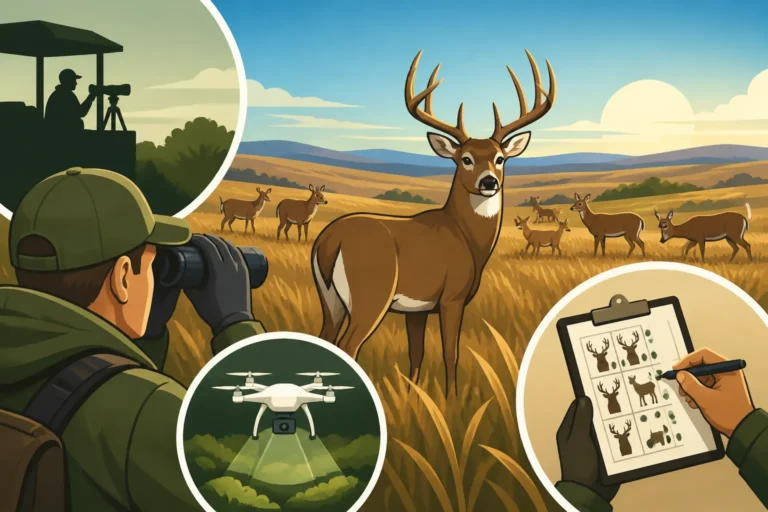
Pinpointing an exact, static number for North Dakota's elk herd is challenging, as these animals are constantly moving and inhabit vast, remote areas. However, the NDGFD conducts aerial surveys and gathers public input to provide an annual population estimate. Generally, the state's elk population hovers around 1,000 to 1,500 animals across all units, with the majority concentrated in the Badlands units (E1, E2, E3, and E4) and smaller, isolated populations in the Pembina Hills (E5, E6) and central units (E7, E8, E9). This relatively low population is precisely why licenses are so limited and why drawing a tag is such an accomplishment. The NDGFD manages these herds carefully to ensure sustainability, balancing hunting opportunities with the long-term health and growth of the population. Understanding the North Dakota Elk Herd Population Estimate gives hunters a realistic perspective on the scale of this unique hunting opportunity.
Why the Elk Season Added an Antlerless Period
For years, elk hunting in North Dakota primarily focused on antlered bulls, which, while exciting, often led to unbalanced herd demographics in certain areas. To better manage the growing herds and address landowner concerns about crop damage and forage consumption, the NDGFD introduced dedicated antlerless elk periods. This was a strategic move to allow for more controlled harvest of cows and calves, which helps regulate herd size, improve herd health by reducing competition for resources, and disperse elk from areas where they might be causing agricultural issues. These antlerless tags provide a fantastic opportunity for hunters who are less focused on a trophy bull but still want the challenge and experience of an elk hunt and the exceptional meat. It’s a vital tool in the state’s long-term elk management plan, helping to ensure the sustainability of these precious herds for future generations. For more on this, you can look into Hunting North Dakota's Antlerless-Only Elk Periods.
Navigating the North Dakota Elk Lottery Application Process
The application process for a North Dakota elk tag is perhaps the most critical hurdle for any aspiring elk hunter in the state. With so few licenses available, it requires careful planning, attention to deadlines, and an understanding of the preference point system.
North Dakota Elk Application Deadline
Missing the application deadline for a North Dakota elk tag is a mistake no hunter wants to make, as it means waiting another year for a chance at this incredible opportunity. The application period typically opens in May and closes in early June, usually around June 3rd. It’s a relatively tight window, and dates can shift slightly year to year, so always check the official North Dakota Game and Fish Department website as soon as the spring approaches. I personally mark it on my calendar months in advance and set multiple reminders, because life gets busy, and these dates are unforgiving. Missing the deadline means losing any accumulated preference points for that year, which can feel like a punch to the gut after years of waiting. Make sure you apply for your North Dakota Elk Application Deadline well in advance.
North Dakota Elk License Odds
Let’s be honest: the odds of drawing a North Dakota elk license are incredibly slim, often in the single-digit percentages, especially for the coveted bull tags. This is where the 1,062-license season truly hits home. For example, for a premier bull tag in a unit like E1, you might see thousands of applicants vying for just a handful of licenses. Antlerless tags generally offer slightly better odds, but they are still highly competitive. This extreme rarity is what makes the hunt so special if you do draw. Tools like GoHunt's Insider service can be incredibly valuable here, as they often provide detailed draw odds broken down by unit, residency, and tag type, allowing you to make a more informed decision on where to concentrate your application. Understanding North Dakota Elk License Odds is essential for managing expectations and strategizing your application.
What a Once-in-a-Lifetime Elk Tag Means
Unlike deer or even some other big game species, North Dakota elk tags are considered "once-in-a-lifetime" for residents. This means that if you draw and harvest an elk, you cannot apply for another elk license in North Dakota ever again. This rule underscores the rarity and prestige of the hunt, ensuring that as many residents as possible get the chance to experience it. For non-residents, the situation is even more restrictive; there are no general nonresident elk tags available in North Dakota. This policy is primarily in place to prioritize resident hunters for these extremely limited and highly sought-after opportunities. It also highlights the importance of making the most of your tag if you're lucky enough to draw, as it truly will be a singular experience in the state. This is part of North Dakota's approach to North Dakota's Once-in-a-Lifetime Big Game Licenses.
Key Elk Hunting Units and Their Unique Challenges
North Dakota's elk units are spread across different regions of the state, each presenting its own distinct terrain, habitat, and hunting considerations. Understanding these differences is crucial for any hunter hoping to draw a tag.
Where the Badlands Elk Herd Concentrates
The vast majority of North Dakota's elk herd, and consequently, most of the elk hunting opportunities, are concentrated in the rugged and awe-inspiring Badlands of western North Dakota. Specifically, units like E1 (North Dakota's most popular unit, often encompassing parts of the Little Missouri National Grassland, and Theodore Roosevelt National Park's South Unit periphery), E2, E3, and E4 hold the strongest populations. These areas offer ideal elk habitat: a mosaic of deep, timbered coulees, expansive sagebrush flats, and steep, broken buttes that provide excellent cover, forage, and escape routes. The challenge here lies in the sheer vastness and difficulty of the terrain. Elk often move between private and public lands, making scouting and securing access paramount. Hunters need to be prepared for significant elevation changes and long walks in remote areas.
Badlands Units for Antlered vs. Antlerless Opportunities
Within the Badlands, certain units or subunits might be allocated more antlered (bull) tags, while others emphasize antlerless (cow/calf) opportunities, depending on population dynamics and management goals. For instance, units like E1 and E2 are highly sought after for bull tags due to historical success and the potential for larger animals, but they also have limited antlerless tags. Other units, or specific periods within units, might offer more antlerless options to manage herd growth or reduce depredation on agricultural lands. When applying, it’s vital to review the NDGFD's annual proclamation closely to see the specific tag allocations for each unit. If your goal is simply to hunt elk and fill your freezer, an antlerless tag in a high-opportunity unit can be a fantastic way to experience the hunt without the added pressure of chasing a trophy bull. This flexibility helps the NDGFD fine-tune its management of Elk in North Dakota's Little Missouri Badlands.
Hunting the Early Antlerless Elk Period vs. Late Period
North Dakota's elk season often has both early and late antlerless periods, each with its own advantages and disadvantages. The early season, typically in September or October, often offers milder weather and longer daylight hours, making scouting and navigating the Badlands more comfortable. Elk might still be in larger groups, sometimes in higher, more open country, before heavy snows push them into more sheltered areas. However, vegetation can be thicker, making spotting more challenging. The late season, often extending into November or December, brings colder temperatures and potentially deep snow. While this can be brutal, it often concentrates elk into specific wintering grounds, especially in lower, timbered drainages or agricultural fields. Snow also makes tracking easier and can push elk out of thick cover. However, access can be difficult, and the elements can be unforgiving. Hunters must decide which period best suits their hunting style, physical condition, and cold-weather gear. Hunting the Early Antlerless Elk Period offers a different experience than hunting into a December cold snap.
| Elk Unit | Primary Location | Typical Terrain | Antlered Tags (Approx.) | Antlerless Tags (Approx.) | Draw Odds (Low/Medium/High) | Key Challenges |
|---|---|---|---|---|---|---|
| E1 | Little Missouri National Grassland (North) | Deep coulees, timber, open flats | Very Few | Few | Low | Rugged, vast, remote, pressure |
| E2 | Little Missouri National Grassland (South) | Broken badlands, cedar breaks | Few | Few | Low-Medium | Similar to E1, slightly less pressure |
| E3 | Pembina Hills | Forested hills, dense cover, swamps | Few | Medium | Medium | Thick vegetation, difficult spotting |
| E4 | South-Central Badlands | Rolling hills, agricultural interfaces | Few | Medium | Medium | Mix of public/private, some agriculture |
| E5 | Central North Dakota (Isolated) | River bottoms, shelterbelts, agriculture | Very Few | Few | Medium | Highly localized, private land focus |
Note: Tag numbers and draw odds are illustrative and change annually. Always consult the current NDGFD proclamation.
Essential Gear and Tactics for Badlands Elk
If you're one of the fortunate few to draw an elk tag in North Dakota, particularly in the challenging Badlands, preparation is everything. This isn't a casual stroll; it's a demanding hunt that requires specific gear and honed tactics.
Physical Prep for Badlands Elk Terrain
The Badlands terrain is no joke, and it will test your physical limits. Forget flat walking; you’ll be navigating steep draws, climbing slick buttes, and traversing rocky, uneven ground, often at elevation. This kind of exertion, especially while carrying a pack or a harvested animal, demands serious physical conditioning. I always recommend incorporating a regimen that includes uphill hiking with a weighted pack, stair climbing, and general cardiovascular endurance work months before your hunt. Imagine hiking several miles into a remote coulee, spotting an elk, executing a stalk, and then needing the stamina to field dress and pack out hundreds of pounds of meat over difficult terrain. It's truly a test of will and body, and neglecting your fitness will severely limit your success and enjoyment. Many hunters underestimate the grind, leading to fatigue and missed opportunities. Ensuring you're physically ready for the Physical Prep for Badlands Elk Terrain is non-negotiable.
Spot-and-Stalk Elk in the Little Missouri Badlands
The vast, open nature of the Little Missouri Badlands lends itself perfectly to spot-and-stalk hunting, especially during the early season. This tactic involves covering a lot of ground with your optics, meticulously glassing distant hillsides, coulee rims, and shadowed draws for any sign of elk. High-quality binoculars and a spotting scope are indispensable tools here. Once an elk is spotted, the real challenge begins: planning an approach that uses the terrain and wind to your advantage, closing the distance without being detected. This requires patience, a keen understanding of wind thermals (especially in the undulating Badlands), and the ability to move silently through diverse cover, from crunchy sagebrush to loose rock. It’s a chess match with an animal that has incredible senses, making every successful stalk a truly rewarding achievement. For more detailed strategies, consider checking out articles like Spot-and-Stalk Elk in the Little Missouri Badlands.
Packing for an Eight-Day North Dakota Elk Hunt
An eight-day elk hunt in the North Dakota Badlands requires a meticulously planned packing list, as you'll likely be far from any amenities. Beyond your rifle or bow and ammunition, think in terms of survival and self-sufficiency. This includes a high-quality, comfortable backpack capable of carrying heavy loads, a reliable water filtration system or ample water storage, and enough high-energy food for the duration of your stay. Layered clothing suitable for rapidly changing prairie weather – from warm sunny days to sudden blizzards – is critical. Don't forget a first-aid kit, navigation tools (GPS, map, compass, or a reliable app like GoHunt's mapping feature loaded with offline maps), a headlamp with extra batteries, fire-starting supplies, and emergency shelter. Even a simple bivy sack can be a lifesaver if you're caught out after dark. Given the remoteness, satellite communication devices (like an InReach or Zoleo) are also highly recommended for safety. Proper preparation, as detailed in guides like Packing for an Eight-Day North Dakota Elk Hunt, is key to a safe and successful hunt.
Maximizing Your Chances with Preference Points and Research
Given the long odds for North Dakota elk, a strategic approach to the application and thorough pre-hunt research are paramount to making the most of your opportunity, whether it's building points or preparing for the hunt of a lifetime.
North Dakota Preference Point System Explained
North Dakota employs a preference point system for its lottery-based big game drawings, including elk. For every year you apply for an elk license and are unsuccessful, you accrue one preference point. These points don't guarantee you a tag, but they improve your chances in future drawings, giving you a statistical edge over applicants with fewer points. The more points you have, the better your odds in a truly random drawing. It's a long game, and many successful elk hunters in North Dakota have accumulated points for a decade or more before finally drawing. This system rewards patience and persistence, making it worthwhile to apply every year, even if you don't expect to draw immediately. Understanding the nuances of the North Dakota Preference Point System Explained is critical for any long-term strategy.
Glassing Badlands Coulees for Elk
Effective glassing is perhaps the most important hunting skill in the Badlands. The terrain offers countless hiding spots, and elk can blend in incredibly well. Instead of just walking, find a high vantage point at first light or last light, set up your optics, and systematically scan every fold, draw, and hillside. Use your binoculars on a tripod for stability, and then switch to a spotting scope for detailed examination of anything that looks out of place – a patch of hide, the glint of an antler, or a distinct silhouette. Pay close attention to shaded areas, especially on south-facing slopes during cooler parts of the day, or north-facing slopes during hotter periods. Elk will often bed down in these areas to escape the sun or wind. Patience is key; you might spend hours glassing one area before an ear flick or a subtle movement reveals an animal. Mastering Glassing Badlands Coulees for Elk will significantly increase your success.
Reading Aerial Photos for Elk Movement
Long before you set foot in the Badlands, intensive digital scouting using aerial photos and topographic maps is invaluable. Platforms like GoHunt's mapping tools or even Google Earth allow you to virtually scout potential elk habitat. Look for patterns: where are the darkest timber pockets that offer bedding cover? Where are the natural travel corridors through the broken terrain, perhaps along a subtle ridge or an old two-track? Identify potential water sources, such as springs or small stock ponds, and areas with good forage. Pay attention to how elevation changes might funnel animals or create thermal currents. By analyzing these details from above, you can pinpoint specific areas to focus your on-the-ground scouting or even plan your stalk routes ahead of time, saving you precious time and energy when you're actually hunting.
Post-Harvest Logistics and CWD Considerations
The moment you successfully harvest an elk in North Dakota is exhilarating, but the work isn't over. You'll need to navigate field dressing, meat care, and important considerations regarding Chronic Wasting Disease (CWD).
North Dakota CWD Prevalence Rate Trends
Chronic Wasting Disease (CWD) is a serious neurological disease that affects deer, elk, and moose, and it has been detected in North Dakota's cervid populations, including elk. The North Dakota Game and Fish Department closely monitors CWD prevalence rates, especially in specific North Dakota's Expanding CWD Hunting Units, which are primarily concentrated along the Missouri River corridor and into parts of the Badlands. Hunters are often required to provide CWD samples from harvested animals in designated CWD zones. While the overall prevalence rate in North Dakota's elk herd is generally low, it's a critical management concern. Staying informed about North Dakota CWD Prevalence Rate Trends and following all NDGFD guidelines for CWD testing and carcass disposal is essential to help manage the disease and ensure the long-term health of the herd.
Field Dressing an Elk in Cold Weather
Field dressing an elk is a big job under any circumstances, but doing it in cold weather presents unique advantages and challenges. The cold is your friend when it comes to preserving the meat; it rapidly chills the carcass, preventing spoilage. However, working with cold hands, in low light, or with frozen ground can be brutal. Make sure you have appropriate, insulated gloves (and a spare pair), a sharp, sturdy knife (or two!), and a game saw. Be prepared to quarter the animal to make it manageable for packing out, as a whole elk is far too heavy for one or even two people to move. Have game bags ready to protect the meat from dirt, insects, and scavengers. Work quickly and efficiently to get the hide off and the internal organs removed, allowing the meat to cool as fast as possible.
North Dakota Elk Hunt Success Rates
North Dakota elk hunt success rates, while variable by unit and year, are generally quite high for hunters who draw a tag. This isn't due to easy hunting, but rather the dedication and extensive preparation of those lucky enough to secure a license. Typically, success rates for elk in North Dakota can range from 50% to 70% or even higher in some units. These rates reflect the significant effort hunters put into scouting, physical conditioning, and executing a good shot. While drawing the tag is the biggest hurdle, the actual hunt often comes down to perseverance and skill. The NDGFD tracks these numbers closely, and while they don't guarantee a harvest, they indicate that if you do the work, your chances of success are good. A successful elk hunt is a true testament to a hunter's dedication and preparation.
Disclaimer
Please be aware that hunting regulations, license requirements, and season dates are subject to change annually. Always consult the most current North Dakota Game and Fish Department (NDGFD) official proclamation and regulations before planning any hunting activity. This guide provides general information and should not be considered a substitute for official state publications.