North Dakota Hungarian Partridge Origins
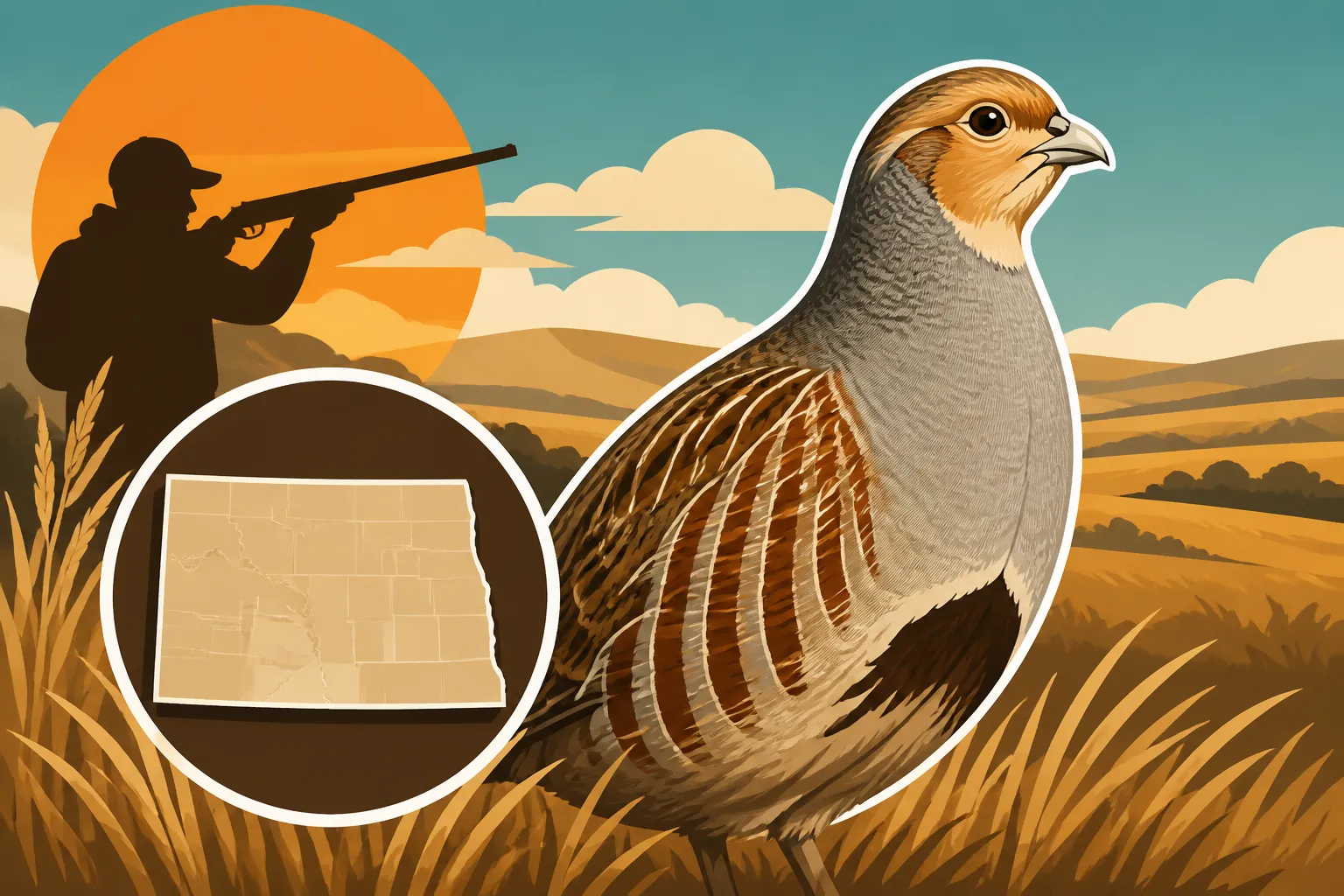
There's a unique charm to the elusive Hungarian Partridge, or "Hun" as many of us lovingly call them, that has graced North Dakota's vast landscapes for over a century. Many hunters enjoy chasing these little dynamos across the prairie, but fewer know the fascinating story of how these feisty birds, not native to our state, came to call North Dakota home. This guide will take you on a journey through their introduction, adaptation, and the enduring legacy they hold for upland bird hunters in the Roughrider State.
The Arrival of the "Hun": A Planned Introduction
Imagine the early 1900s, a time when much of North Dakota was still being settled and agricultural practices were rapidly transforming the landscape. Wildlife managers and forward-thinking conservationists saw an opportunity to enrich the state's game bird offerings, and their eyes turned to a small, hardy bird from the Old World.
Why Introduce a Non-Native Species?
The idea behind introducing a non-native species, especially a game bird, often stems from a desire to fill an ecological niche or provide additional sporting opportunities. In the early 20th century, North Dakota's prairies, while home to native birds like sharptail grouse, offered vast expanses of newly tilled farmland and emerging shelterbelts that didn't perfectly suit existing species. Hungarian Partridges, known for thriving in agricultural landscapes with scattered cover, seemed like a perfect fit. They were seen as a bird that could coexist with farming, providing sport without directly competing with established native populations for critical resources. The vision was to add a diverse, robust game bird that could flourish alongside human development, providing a new challenge and a new reward for hunters.
For many years, the concept of introducing a species to enhance hunting opportunities was a common practice across the continent. There was a genuine hope that these new arrivals could fill perceived voids, offering a broader range of experiences for sportsmen and women. It wasn't just about throwing birds into a new environment; it was often a calculated move based on observations of similar climates and habitats in their native lands. The hope was that these birds would find North Dakota's climate and land use patterns agreeable, allowing them to establish self-sustaining populations.
Early 20th Century Dreams: The Initial Stocking Programs
The official introduction of Hungarian Partridges into North Dakota began around 1909, though some reports suggest earlier private attempts. These initial efforts were part of a broader, ambitious program to diversify the state's game bird populations. Birds were primarily imported from Europe, especially Hungary and Czechoslovakia, hence their common name. Picture crates of these small, streaky-brown birds arriving by rail, then being carefully distributed to different counties across the state. It was a massive undertaking, driven by optimism and a keen interest in developing a vibrant hunting heritage.
The challenges were numerous. Acclimatizing birds to a new continent, transporting them across vast distances, and ensuring their survival post-release required careful planning and significant resources. Not every release was successful, and some areas saw faster establishment than others. However, the Hungarian Partridge proved remarkably resilient. They found the mix of grain fields, grassy ditches, and sparse brush surprisingly hospitable. Unlike some other introduced species, they didn't require pristine wilderness; instead, they seemed to thrive on the edges of human activity, along fencelines and in abandoned farmsteads. This adaptability was key to their early success and set the stage for their eventual proliferation across much of the state.
From European Plains to North Dakota Prairies: Adapting to a New Home
The success of the Hungarian Partridge in North Dakota wasn't just about getting them here; it was about their remarkable ability to adapt to a vastly different, yet surprisingly suitable, environment. They found a niche that, in many ways, mirrored the agricultural landscapes of their native Europe.
The Ideal North Dakota Habitat for Partridges
Hungarian Partridges are champions of "edge habitat." Think of those places where a freshly tilled field meets a grassy ditch, where a shelterbelt provides a windbreak alongside a stubble field, or where a forgotten corner of an old farmstead offers a tangle of weeds and brush. These are the sweet spots for Huns. They prefer areas with a mosaic of small grain crops (like wheat, barley, and oats), mixed with perennial grasses, legumes, and scattered shrubs. The key is diversity and proximity. They need open areas for foraging, dense cover for nesting and protection from predators, and accessible water sources.
In North Dakota, this translates to working farmlands, particularly in the central and eastern parts of the state where agricultural intensity is high but still interspersed with crucial pockets of wild cover. Unlike the deep timber-dwellers or the wide-open prairie specialists, Huns gravitate toward the transition zones. These areas provide the perfect blend of food from agricultural fields and escape cover from the surrounding wild spaces. They use fencelines as travel corridors and thermal cover, and even small patches of cattails or dense weeds in a low spot can hold a covey. This makes them a fascinating bird to pursue, as their locations often reveal subtle shifts in the landscape.
Comparing Hungarian Partridge to Native Upland Birds
North Dakota is blessed with a variety of upland game birds, each with its own unique characteristics. Understanding how the Hungarian Partridge fits into this ecosystem, especially compared to native birds like the sharptail grouse and even other introduced species like the ring-necked pheasant, helps us appreciate its distinct role.
Table: North Dakota Upland Game Bird Comparison
| Feature | Hungarian Partridge | Sharptail Grouse | Ring-Necked Pheasant |
|---|---|---|---|
| Origin | Introduced (Europe) | Native (North America) | Introduced (Asia) |
| Preferred Habitat | Agricultural edges, croplands, grassy ditches, shelterbelts | Native mixed-grass prairie, shrubland | Croplands, dense cover (CRP, cattails, shelterbelts) |
| Covey Size | Typically 10-20+ birds | Smaller family groups, larger flocks in winter | Varies, often solitary or small groups outside winter |
| Flight Behavior | Explodes as a covey, low and fast | Fast, often rises individually or in small groups | Strong, cackling flush, often rises individually |
| Primary Diet | Grains, seeds, insects | Seeds, berries, buds, insects | Grains, seeds, insects, greens |
| Typical Size | Small (approx. 12-14 inches) | Medium (approx. 15-19 inches) | Large (males up to 35 inches with tail) |
As you can see, Huns fill a slightly different niche. Sharptails, for instance, are truly birds of the native prairie, preferring large expanses of mixed-grass. You'll find them dancing on leks in wide-open country. Pheasants, while also introduced, prefer heavier cover, often associated with dense CRP fields, cattail sloughs, and robust shelterbelts. They're bigger, louder, and generally hold tighter for a pointing dog.
Hungarian Partridges, by contrast, are often found in smaller, more open cover adjacent to crop fields. They don't typically utilize the deep sloughs like pheasants, nor the vast, unbroken native grasslands of sharptails. They offer a distinct challenge to hunters, often flushing simultaneously in a surprising explosion of wings and whistling calls. Their ability to thrive on the fringes of intensive agriculture without directly displacing native species made them a valuable addition to North Dakota's game bird landscape. While you might occasionally find them in overlapping habitat with pheasants or sharptails, their primary haunts are often subtle, linear features that other birds might overlook. Knowing these differences can make your hunting strategy much more effective, whether you're trying to Hunt Hungarian Partridge Field Edges specifically or just enjoying a multi-species hunt.
Population Dynamics and Management Challenges
The story of the Hungarian Partridge in North Dakota isn't one of constant, unbroken success. Like all wildlife populations, Huns experience ups and downs, influenced by a complex interplay of environmental factors and human activities. Understanding these dynamics is crucial for their continued prosperity.
Peaks and Valleys: Understanding Population Fluctuations
Anyone who has chased Huns for a few decades will tell you that their numbers can be highly volatile. One year, it seems like coveys are everywhere, exploding from every fenceline. The next, they can feel like ghosts. These "peaks and valleys" are largely driven by weather patterns, particularly during nesting and brood-rearing seasons, and by the availability and quality of habitat. Mild winters with good snow cover can insulate birds, leading to better overwinter survival. However, harsh, prolonged winters can decimate populations, especially if food sources are buried deep under snow.
Spring and summer weather are even more critical. Cold, wet springs can reduce nesting success and lead to high chick mortality. Young partridges are particularly vulnerable to hypothermia in damp conditions. Conversely, warm, dry springs and summers generally lead to strong hatches and high survival rates, resulting in bumper crops of birds in the fall. Habitat availability also plays a significant role. When good nesting cover, such as undisturbed grass adjacent to croplands, is abundant, and brood-rearing cover (patches of weeds with insect populations) is accessible, populations tend to rebound faster. These fluctuations mean that hunters need to stay informed, perhaps checking resources like GoHunt or the state game and fish department for current population trends and outlooks before planning their trips.
The Role of Modern Agricultural Practices
Modern agriculture, while vital to our economy, has a profound impact on upland bird populations, including Hungarian Partridges. The shift towards larger fields, fewer fencelines, and more monoculture crops can reduce the diverse edge habitat that Huns rely on. Clean farming practices, where every patch of weeds is sprayed or tilled under, eliminate crucial cover and food sources. The timing of haying operations can also destroy nests and broods.
However, it's not all doom and gloom. Conservation programs, often integrated with agriculture, offer lifelines. The Conservation Reserve Program (CRP), for example, pays landowners to convert marginal cropland into perennial grasses, creating excellent nesting and brood-rearing habitat. Similarly, initiatives that encourage leaving standing stubble through winter or planting pollinator strips can provide valuable food and cover. Farmers and landowners are increasingly recognizing the value of these conservation efforts, not just for wildlife but often for soil health and water quality. It's a delicate balance, and the future of North Dakota's Huns is intrinsically linked to how we manage our agricultural landscapes, ensuring that there are still enough wild edges for these resilient birds to call home.
The Hungarian Partridge Today: A Hunter's Delight
Despite the challenges, Hungarian Partridges continue to be a cherished game bird in North Dakota, offering a unique and exciting hunting experience that differentiates them from their pheasant and grouse cousins. Their elusive nature and explosive covey flushes make them a true prize for upland bird enthusiasts.
Where to Find North Dakota's Hungarian Partridge
If you're looking for Hungarian Partridges in North Dakota, you'll generally have the best luck in the central and eastern portions of the state. These areas typically feature a higher density of small grain farming, which creates the mosaic of croplands and cover that Huns prefer. Specifically, counties known for strong pheasant populations often hold good numbers of partridges as well, though the Huns will stick to slightly different cover types. Look for them along gravel roads, in wide grass ditches, fencelines separating different crop fields, and shelterbelts. They especially love the edges of wheat, barley, and sunflower fields.
Access is often a mix of private land and public land. North Dakota's PLOTS (Private Land Open To Sportsmen) program offers excellent opportunities, providing access to private lands that might contain ideal Hun habitat. When scouting, pay close attention to the transitions—where stubble meets fallow ground, or where a brushy draw cuts through a vast field. These "lines" on the landscape are magnets for coveys. Using tools like the GoHunt app or other digital mapping resources can help you identify these habitat transitions and potential public access points, such as North Dakota Wildlife Management Areas, which often have diverse habitats suitable for Huns. Remember, Huns are small, so you need to look for subtle signs and listen for their distinctive calls.
Hunting Strategies for These Elusive Birds
Hunting Hungarian Partridges is an art form that often requires patience, keen observation, and good dog work. These birds are known for being notoriously flighty, often flushing far ahead of hunters, especially after a few weeks of hunting pressure.
Here are a few key strategies:
- Walk the Edges: Focus your efforts on walking fencelines, drainage ditches, and the edges of grain fields. Huns will often run ahead of you in linear cover before flushing. A slow, steady pace is key, allowing your dogs to work thoroughly.
- Work into the Wind: Like many upland birds, Huns prefer to flush into the wind. Walking into the wind helps your dog scent the birds more effectively and often results in closer flushes.
- Covey Rise: The signature experience of Hun hunting is the covey rise. A whole group of birds explodes from the cover simultaneously, often with a rapid, whistling flight. Be ready! It's an exhilarating moment that requires quick reflexes. If you miss on the initial flush, mark where individual birds peel off and try to pursue singles, which often hold tighter.
- Dogs are invaluable: A good bird dog, especially a pointing breed, is almost essential for consistent success with Huns. They can locate birds you'd walk past, retrieve downed birds in thick cover, and help you find those scattered singles. Whether you're Running Pointing Dogs on North Dakota Pheasant or Huns, the principles are similar: let the dog work, trust their nose, and be prepared for that explosive flush.
- Early Season vs. Late Season: Early in the season, coveys might be smaller family groups. Later, they can consolidate into larger winter coveys, which can be impressive to flush but also even warier. Cold, snowy conditions can sometimes make them hold tighter, providing excellent opportunities.
Remember to always be aware of North Dakota Pheasant and Upland Season Rules and ensure you have the correct licenses, such as the North Dakota General Game and Habitat License Cost or a North Dakota Nonresident Small Game License Cost, before heading afield. A successful Hun hunt is about enjoying the chase as much as the harvest, appreciating the wild beauty of these spirited little birds.
Conservation Efforts and the Future of North Dakota's Huns
The continued presence and huntability of Hungarian Partridges in North Dakota are not accidental. They are the result of ongoing habitat conservation, careful management, and the dedication of landowners and sportsmen alike.
Habitat Programs Benefiting Hungarian Partridge
Many of the habitat programs in North Dakota, while often highlighted for their benefits to deer or pheasants, also play a crucial role in sustaining Hungarian Partridge populations. The aforementioned PLOTS program, for instance, provides access to private lands that have enrolled in conservation easements or agreements, often including diverse agricultural areas with grass margins and scattered cover perfect for Huns. Similarly, the Conservation Reserve Program (CRP) pays farmers to convert erodible or marginal cropland into perennial vegetative cover, creating excellent nesting and brood-rearing habitat. These strips of grass, especially when adjacent to active crop fields, are exactly what partridges need.
Other initiatives, such as those encouraging the establishment of pollinator habitats or the maintenance of shelterbelts, also indirectly benefit Huns by increasing biodiversity and providing essential cover and food sources. Without these concerted efforts, often a collaboration between state agencies, federal programs, and private landowners, the fragmented nature of modern agricultural landscapes would be far less hospitable. Groups like GoHunt often highlight these areas and the impact of conservation efforts on game populations. It's a reminder that every bit of wild cover we preserve or create contributes to the overall health of our upland bird populations. If you're planning a trip, Scouting PLOTS Land Before Season is a great way to identify these prime habitats.
Ensuring a Sustainable Future for These Small Game Gems
To ensure that future generations can experience the thrill of a Hungarian Partridge covey rise, ongoing management and responsible hunting practices are essential. The North Dakota Game and Fish Department continuously monitors population trends through roadside counts, hunter harvest surveys, and public input. These data points help biologists understand the health of the population and make informed decisions about season lengths and bag limits, which are outlined in publications like the North Dakota Pheasant and Upland Season Rules.
Hunters also have a vital role to play. Ethical hunting practices, respecting private property, and accurate harvest reporting all contribute to sustainable management. Furthermore, supporting conservation organizations and advocating for habitat programs are critical actions for any sportsman. As conditions change, whether due to climate shifts or evolving agricultural practices, flexibility and proactive conservation will be key. The story of the Hungarian Partridge in North Dakota is a testament to both their resilience and the foresight of those who introduced them, as well as the ongoing commitment to conservation that ensures their calls will continue to echo across the prairies for years to come. For anyone new to hunting or looking to brush up on safety and regulations, fulfilling North Dakota Hunter Education Requirements is always a wise step.
Disclaimer
This article is for general informational purposes only and does not constitute professional advice. Laws, prices and regulations vary by location and change over time. Consult a qualified professional for guidance on your specific situation.