North Dakota Squirrel and Rabbit Populations
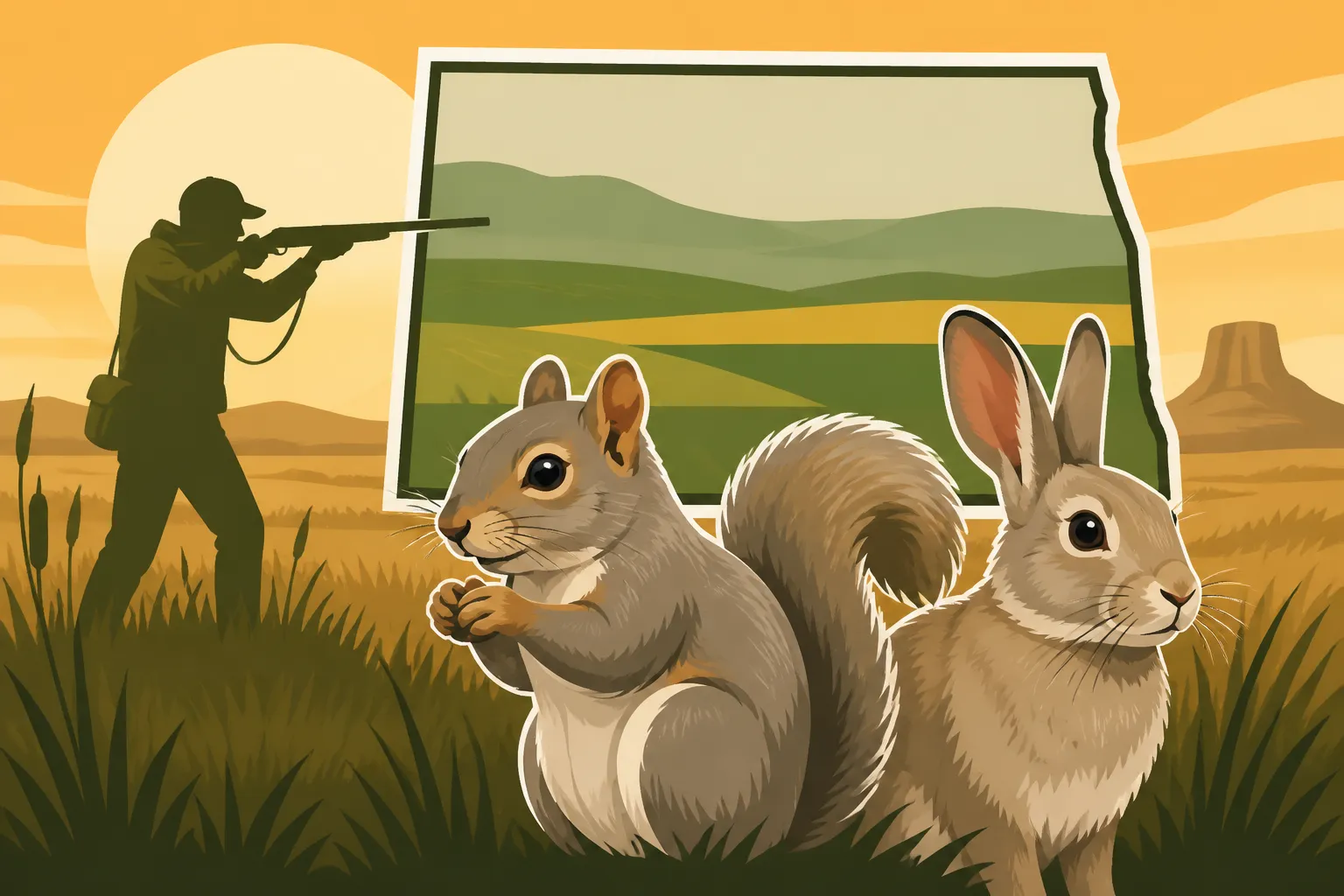
For many hunters, the grand pursuit of deer or elk can overshadow the simple, yet incredibly rewarding, experience of small game hunting. While North Dakota is famous for its massive whitetails, mule deer, and incredible waterfowl, the quiet woods and brushy fields also harbor thriving populations of squirrels and rabbits. This guide will take a deep dive into understanding the fascinating world of North Dakota's squirrel and rabbit populations, their habitats, and the unique hunting opportunities they present.
Understanding North Dakota's Squirrel Populations
North Dakota might not be the first place that comes to mind when you think of squirrel hunting, but these quick, bushy-tailed critters offer a fantastic way to hone your tracking and shooting skills. Many hunters overlook squirrels, seeing them as too small or not challenging enough, but spend a morning trying to outsmart a wary fox squirrel in a mature oak stand, and you'll quickly change your tune. They're often overlooked in favor of bigger game or more popular upland birds, but for those seeking a tranquil hunt or an introduction to the sport, squirrels are an excellent quarry.
Common Squirrel Species and Their Distribution
When we talk about squirrels in North Dakota, we're primarily looking at two main species: the fox squirrel and the gray squirrel. While both are present, they tend to favor slightly different habitats, which influences where you'll find them. Fox squirrels are the larger of the two, often sporting a reddish-brown coat, and are quite common throughout the eastern and central parts of the state where mature hardwoods, especially oaks and hickories, are plentiful. You'll find them along river bottoms like the Missouri River corridor, in shelterbelts, and around farmsteads with older trees. They're robust and a joy to spot, often providing a bigger target and a bit more meat for the pot.
Gray squirrels, on the other hand, are typically smaller and possess that classic salt-and-pepper gray coat. They prefer more dense, mature deciduous forests, often sticking to thicker timber. While less widespread than their fox squirrel cousins, you can find localized populations in prime wooded areas, particularly in the eastern river valleys and perhaps some of the more extensive shelterbelts. They're twitchier and more challenging to spot, blending seamlessly into the dappled light of the forest canopy. For hunters looking to refine their stealth, targeting gray squirrels can be a real test of patience and keen eyesight.
Squirrel Habitat Preferences and Diet
Squirrels are creatures of habit, and their habits are almost entirely dictated by food and cover. Fox squirrels are pretty adaptable, thriving in fragmented woodlands, farm shelterbelts, and riparian areas where large, mast-producing trees are present. They're particularly fond of acorns, walnuts, and other hard mast, but they'll readily feast on corn, sunflower seeds, and even agricultural crops when available. These opportunistic feeders are often seen foraging on the ground, making them a bit more predictable for hunters. Their nests, often called dreys, are usually built high in tree cavities or as messy leaf nests in tree crotches, offering them safe havens from predators and harsh weather.
Gray squirrels, true to their preference for denser woods, rely heavily on a consistent supply of nuts, seeds, and buds from a mature forest understory. They are more arboreal than fox squirrels, spending a significant portion of their lives high in the canopy, making them trickier to approach quietly. Their presence is a good indicator of healthy, old-growth forest sections, which can be limited in parts of North Dakota but exist along river drainages and in some of the more protected pockets of timber. Both species, however, will readily utilize tree cavities for denning, which is crucial for surviving North Dakota's brutal winters. Understanding these preferences is key to finding them, whether you're Reading a Missouri River Bottom for Deer or just looking for bushy-tails.
Population Trends and Influencing Factors
North Dakota's squirrel populations are generally stable, though local numbers can fluctuate based on a few key factors. The availability of food, especially mast crops from trees, plays a huge role. Years with abundant acorns or walnuts tend to see healthier, more robust squirrel populations entering the winter. Conversely, a poor mast year can lead to fewer surviving squirrels, as they struggle to build up the necessary fat reserves.
Winter severity is another critical factor. A harsh North Dakota winter, with prolonged periods of extreme cold and deep snow, can significantly impact squirrel survival. Access to food becomes challenging, and the energetic demands of staying warm are immense. Predators also play a natural role in population control; hawks, owls, coyotes, and bobcats all include squirrels in their diets. However, habitat loss due to agricultural expansion or urban development remains a long-term concern, as it directly reduces the amount of suitable woodland available to them. Many hunters appreciate that squirrel hunting often occurs on private land with permission or in specific public areas like certain Wildlife Management Areas (WMAs) and national grasslands, where you might also be Hunting North Dakota's Little Missouri National Grassland.
Delving into North Dakota's Rabbit Populations
Rabbits are a quintessential small game species, offering fast-paced action and a delicious reward. They are far more widespread across North Dakota's diverse landscapes than squirrels, making them accessible to many more hunters. From open prairies to dense river bottoms, rabbits scamper through a wide array of habitats, providing year-round hunting opportunities for those willing to brave the elements. They're a fantastic target for young hunters learning the ropes, offering plenty of chances to shoot and teach valuable lessons in tracking and stealth.
Common Rabbit Species and Their Distribution
In North Dakota, the most commonly hunted rabbit species is the cottontail rabbit, particularly the eastern cottontail. These familiar bunnies are found throughout the state, favoring brushy areas, shelterbelts, fencerows, timber edges, and even suburban gardens. Their ability to adapt to human-altered landscapes makes them incredibly resilient and widespread. You'll find them hunkered down in dense cover, ready to burst out at the slightest disturbance.
While less numerous and less commonly pursued by hunters for table fare, the white-tailed jackrabbit is another notable leporid found on North Dakota's vast prairies, especially in the western and central parts of the state. These aren't true rabbits but rather hares, distinguished by their larger size, longer ears, and powerful hind legs built for speed. They prefer open grasslands and sagebrush flats, relying on their incredible speed and camouflage to evade predators. Jackrabbits are a challenging hunt, often requiring long-range shooting skills and a keen eye to spot them in the expansive terrain. Understanding their unique habits is crucial, whether you are Stalking Pronghorn on Open Grassland or looking for a long-eared leaper.
Rabbit Habitat Preferences and Diet
Cottontail rabbits are experts at finding dense cover. Think about those thick, overgrown fencerows, the tangled mess of an old shelterbelt, or the undergrowth along a creek bottom. These spots provide both concealment from predators and protection from the harsh North Dakota weather. They are primarily herbivores, feasting on a wide variety of grasses, forbs, and succulent vegetation during the warmer months. In winter, when green vegetation is scarce, they switch to browsing on twigs, bark, and buds of shrubs and young trees. This dietary flexibility is a huge reason for their success in various environments.
Jackrabbits, as mentioned, are creatures of the open prairie. They need vast, unobstructed views to spot predators from a distance, relying on their speed to escape danger. Their diet consists almost entirely of grasses and forbs found in these arid environments. Unlike cottontails, jackrabbits do not use burrows but instead create shallow depressions called "forms" in the vegetation, where they can lie low. This makes them incredibly difficult to spot until they flush, often at a distance. When considering rabbit hunting, it's wise to scout potential locations ahead of time, perhaps utilizing tools like GoHunt to analyze aerial photos for dense cover patches or expansive grasslands that might hold either species.
Population Trends and Influencing Factors
Cottontail rabbit populations in North Dakota are generally robust, often experiencing boom-and-bust cycles. Their high reproductive rate means they can quickly rebound from setbacks. However, as with squirrels, several factors can influence their numbers. Habitat availability, particularly dense escape cover, is paramount. Areas with well-maintained fencerows, undisturbed field edges, and brushy draws will almost always hold good numbers of rabbits. Intensive agricultural practices that eliminate these crucial cover types can negatively impact local populations.
Winter weather is a major equalizer for rabbits. Prolonged deep snow and extreme cold make foraging difficult and expose them to predation. Disease, such as tularemia or rabbit hemorrhagic disease, can also cause localized population crashes. Predators like coyotes, foxes, hawks, and owls exert constant pressure, keeping rabbit numbers in check. Despite these challenges, cottontails are remarkably resilient. Jackrabbit populations, on the other hand, tend to be more sensitive to habitat changes and severe winters in their more open environments. When planning a rabbit hunt, especially for cottontails, look for areas with good transitions between open foraging grounds and thick, tangled cover – places where you might even find yourself Hunting a Shelterbelt Edge for Deer in different seasons.
Habitat and Ecosystem Dynamics for Small Game
Understanding the broader ecosystem is crucial for anyone interested in North Dakota's small game. Squirrels and rabbits aren't just isolated creatures; they are integral components of the prairie and woodland food webs. Their presence or absence can tell us a lot about the health of a particular habitat. For hunters, this means looking beyond just the animal itself and understanding the larger picture of what sustains them.
The Role of Cover and Food Sources
For both squirrels and rabbits, adequate cover and reliable food sources are the bedrock of their survival. For squirrels, this means mature, mast-producing trees for food, and tree cavities or dense canopies for shelter. The structural diversity of a woodland – a mix of old growth, younger trees, and underbrush – is ideal. Without it, their numbers will dwindle. Imagine a monoculture forest; it simply won't sustain a healthy squirrel population compared to a diverse woodland along the Missouri River or a well-established shelterbelt near a farm.
Rabbits, especially cottontails, rely heavily on brushy tangles, tall grasses, multiflora rose thickets, or old farm machinery piles for refuge. These dense areas provide safety from aerial predators and ground predators alike. Food-wise, their adaptability means they can find sustenance in various herbaceous plants, but diverse forage close to cover is always best. Jackrabbits, by contrast, need the vastness of the prairie, where taller grasses offer concealment, but their primary defense is distance and speed. Any alteration to these critical elements—whether it's clearing a fencerow or plowing under a native prairie patch—has a direct, often negative, impact on these small game populations.
Interdependence with Other Wildlife
Small game like squirrels and rabbits are not just targets for hunters; they are a vital food source for a host of North Dakota predators. Coyotes, foxes, bobcats, owls, and various raptors depend on these small mammals to survive. A healthy rabbit population, for instance, helps support a healthy coyote population, which in turn can help manage deer fawn numbers. It’s a delicate balance.
Conversely, the presence of predators influences how and where squirrels and rabbits behave. They become warier, more secretive, and more reliant on dense cover. This constant pressure ensures that only the fittest survive, contributing to the overall health of the species. Understanding these relationships can make you a more effective hunter, allowing you to anticipate where a rabbit might be hiding or where a squirrel might retreat when spooked. It’s a dynamic interplay, a constant dance between predator and prey that shapes the landscape and its inhabitants.
Impact of Weather and Climate
North Dakota's notoriously extreme weather cycles have a profound impact on small game. Brutally cold winters with heavy snow can be devastating. Deep snow makes foraging incredibly difficult for rabbits and can bury crucial food caches for squirrels. Prolonged periods of sub-zero temperatures demand immense energy expenditure just for survival, making individuals more susceptible to starvation or predation.
Conversely, mild winters can lead to higher survival rates and earlier breeding, boosting populations. Drought conditions in the summer can reduce the quality and quantity of forage, affecting both species' ability to thrive and reproduce. Climate patterns, while broader, also influence habitat type and food availability in the long term. These environmental fluctuations mean that while a certain area might hold abundant small game one year, it could be sparse the next. Seasoned hunters, like those planning for Hunting After a Hard Prairie Winter, know that assessing these conditions is part of the annual ritual of preparing for the hunt.
Hunting Opportunities and Management
North Dakota offers excellent opportunities for hunting squirrels and rabbits, often with fewer regulatory hurdles than big game. These species provide a chance to extend your hunting season, introduce new hunters to the field, and simply enjoy a day outdoors without the pressure of a limited tag. They're also delicious!
Seasons, Bag Limits, and Regulations
One of the beauties of hunting squirrels and rabbits in North Dakota is the relatively long and generous season. Squirrel season often opens much earlier than deer, usually in early September, and extends through the end of March. Rabbit season is even longer, often year-round, or with minimal closed periods. This extended window means you can chase small game during mild fall days, in the crisp quiet of winter, or even during the early spring thaws.
Bag limits are also typically quite liberal, allowing hunters to take several animals per day. This makes for a productive hunt and provides ample opportunity for a good meal. While specific dates and numbers can change, the general framework remains consistent. It's always crucial to check the current North Dakota Game and Fish Department proclamations before heading afield, as rules can be updated. For non-residents, small game licenses are generally available over-the-counter or online, without the lottery system of big game. Just remember to have your North Dakota General Game and Habitat License Cost in mind and ensure you're compliant with all regulations.
Popular Hunting Methods and Equipment
Hunting squirrels and rabbits can be as simple or as complex as you make it. For squirrels, still-hunting through a mature timber stand is a classic method. Move slowly, pause frequently, and scan the trees not just for the animal itself, but for subtle movements, rustling leaves, or the tell-tale flick of a tail. A small-caliber rifle, such as a .22LR, or a shotgun with small shot sizes (like 6 or 7.5) are common choices. Early morning or late afternoon are prime times when squirrels are most active, foraging for food. You might also consider using binoculars to spot them before they spot you.
For rabbits, jump-shooting is often the name of the game. Walk slowly through dense cover – fencerows, shelterbelts, tall grass, or brushy ravines – and be ready for a rabbit to burst out. A shotgun is often preferred for rabbits due to their quick, erratic movements. You can also hunt rabbits with beagles or other small game dogs, which can flush them from thick cover and add an exciting dimension to the hunt. For winter hunting, tracking rabbits in fresh snow can be highly effective, allowing you to follow their trails to their bedding areas. Many hunters enjoy the challenge of Walking a Pheasant Field at Midday, but the same techniques can often be applied to rabbit hunting in suitable cover.
Accessing Public and Private Land
North Dakota offers various avenues for small game hunting access. Public lands such as State Wildlife Management Areas (WMAs), Waterfowl Production Areas (WPAs), and portions of the National Grasslands often hold good populations of both squirrels and rabbits. The PLOTS (Private Land Open To Sportsmen) program is also an invaluable resource, providing access to private lands that landowners have opened for public hunting. You can scout these areas using online maps or the annual PLOTS guide booklet.
However, a significant portion of North Dakota is privately owned. For many, seeking permission from landowners is a traditional and highly effective way to gain access to prime small game habitat. A friendly knock on a farmhouse door can often lead to excellent hunting opportunities, particularly for rabbits in shelterbelts and fencerows. Always be respectful, offer to share your harvest, and leave the land better than you found it. Remember, knowing How Many Acres of PLOTS Land North Dakota Has can help you plan your excursions effectively.
Conservation and Future Outlook
While often overshadowed by larger game, the health of North Dakota's squirrel and rabbit populations is a bellwether for the overall ecological health of many areas. Their conservation isn't just about ensuring hunting opportunities, but about maintaining the delicate balance of prairie and woodland ecosystems.
Management Practices and Surveys
The North Dakota Game and Fish Department, along with other conservation organizations, undertakes various management practices that indirectly benefit small game. Habitat enhancement projects, such as planting trees in shelterbelts, restoring native grasslands, or creating brush piles, provide crucial food and cover. While these efforts might be primarily aimed at deer or upland birds, squirrels and rabbits are often significant beneficiaries.
Surveys and observations also play a role, though specific population counts for squirrels and rabbits aren't as rigorous as for big game. Instead, trends are often inferred from general habitat health, hunter harvest reports, and anecdotal observations. Wildlife managers also monitor factors like winter severity, mast crop production, and disease outbreaks to gauge the health of small game populations. Tools like GoHunt can provide users with insights into historical harvest data or habitat changes, which can be useful for predicting future opportunities.
Importance to the Ecosystem
Squirrels and rabbits are true ecosystem engineers in their own ways. Squirrels, by burying nuts and seeds, play a crucial role in tree propagation and forest regeneration. Many of those buried acorns are never retrieved, leading to new oak trees. Rabbits, through their grazing, help shape plant communities and provide a constant source of food for a wide array of predators, from coyotes to bald eagles. Without healthy populations of these small mammals, the entire food web would be profoundly altered.
They also offer fantastic recreational value beyond just hunting. Birdwatchers enjoy observing squirrels, and many people simply appreciate seeing rabbits scampering across a field. Their presence adds to the richness and biodiversity of North Dakota's natural landscapes.
Challenges and Future Considerations
Despite their resilience, North Dakota's small game populations face ongoing challenges. Habitat loss due to intensive agriculture and urban expansion is a continuous threat. Clearing fencerows, draining wetlands, or converting diverse natural areas into monoculture crops reduces the crucial cover and food sources these animals depend on. The increasing fragmentation of remaining suitable habitat also isolates populations, making them more vulnerable to local extinctions.
Pesticide use in agricultural areas can indirectly harm populations by reducing insect prey for squirrels or by impacting the quality of vegetation for rabbits. Climate change, with its potential for more extreme weather events, could also pose long-term challenges. The future health of North Dakota's squirrel and rabbit populations will depend on continued conservation efforts, responsible land management practices, and a recognition of their vital role in the state's natural heritage. Engaging in hunter education, respecting private landowners, and being mindful of your impact on the land are all crucial steps in ensuring these opportunities persist for generations to come. This aligns with broader conservation goals, as detailed in discussions around North Dakota Hunter Education Requirements.
Table: Squirrel vs. Rabbit Quick Comparison
| Feature | Squirrels (Fox & Gray) | Rabbits (Cottontail & Jackrabbit) |
|---|---|---|
| Primary Habitat | Deciduous woodlands, river bottoms, shelterbelts, farmsteads | Brushy areas, fencerows, timber edges, grasslands, prairies |
| Typical Diet | Nuts (acorns, walnuts), seeds, corn, buds, some fungi | Grasses, forbs, leaves, twigs, bark (winter) |
| Activity Peak | Early morning, late afternoon | Crepuscular (dawn & dusk), often active midday in winter |
| Hunting Method | Still-hunting, sit-and-wait, stalking | Jump-shooting, tracking, hunting with dogs |
| Primary Escape | Climbing trees, tree cavities, dense canopy | Speed, dense ground cover, camouflage |
| Season Length | Long (often Sep-Mar) | Very Long (often year-round or nearly so) |
| Primary Use | Meat, recreational hunting, skill development | Meat, recreational hunting, training dogs |
This table offers a quick glance at the key differences, helping you understand what to expect when pursuing either of these fantastic small game species. Whether you're a seasoned veteran or just starting out, there's a rewarding experience waiting in North Dakota's woods and fields.
Disclaimer
This article is for general informational purposes only and does not constitute professional advice. Laws, prices and regulations vary by location and change over time. Consult a qualified professional for guidance on your specific situation.