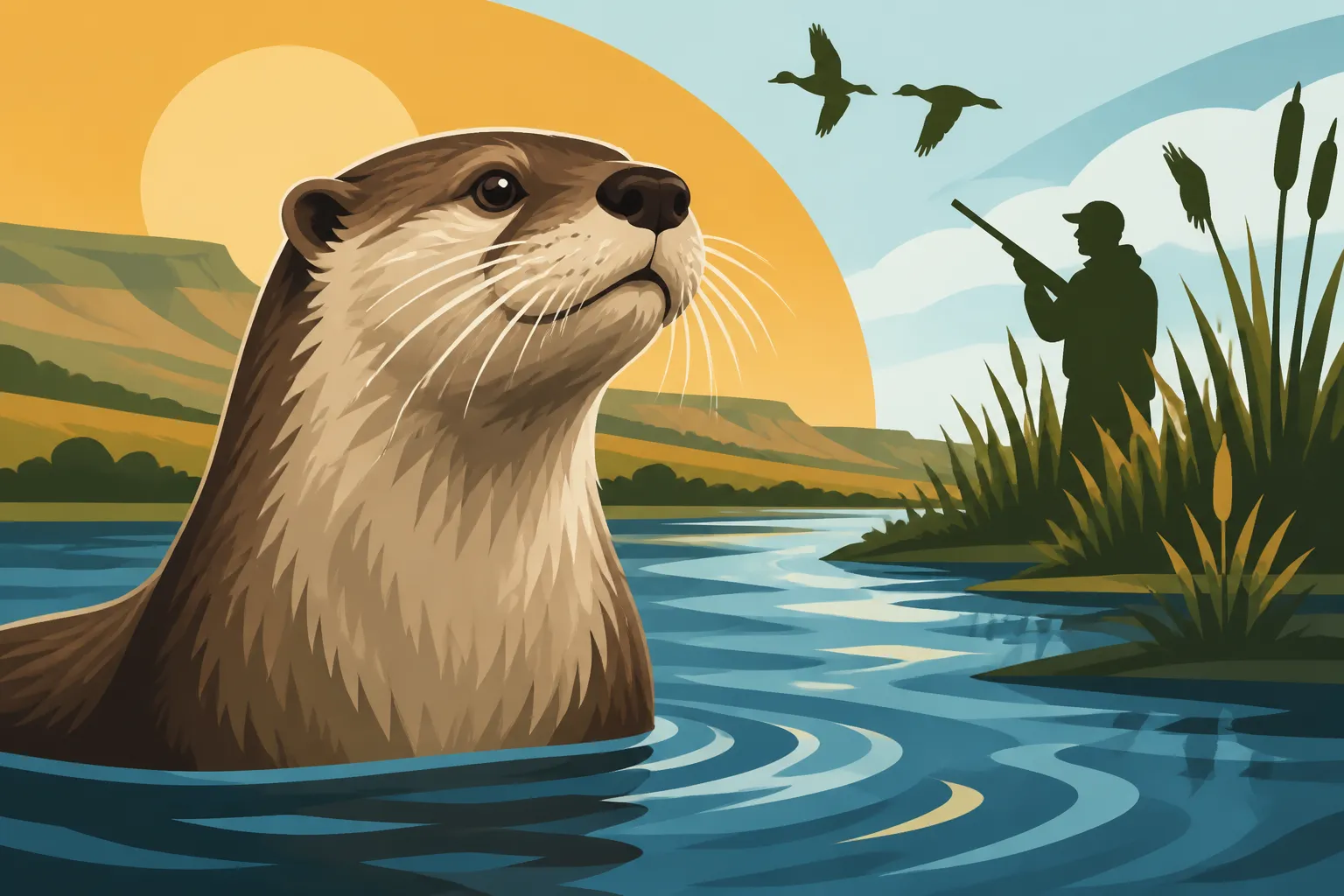
North Dakota’s Recovering River Otter Population
It’s truly disheartening when a species that once thrived in our beautiful state seems to vanish, leaving us wondering if they’ll ever return. For years, the river otter, with its playful antics and sleek, aquatic grace, was a rare sight across much of North Dakota, leading many of us to worry about their future. But thankfully, the tide is turning, and this guide is dedicated to celebrating and understanding North Dakota's recovering river otter population, exploring the journey from near extirpation to a hopeful resurgence in our waterways.
A Glimpse into the Past: River Otters Before Decline
Back in the day, before extensive settlement and large-scale changes to the landscape, river otters were a much more common sight in North Dakota's intricate network of rivers, streams, and wetlands. Imagine a time when their sleek bodies would regularly cut through the waters of the Red River, the Missouri, and countless smaller tributaries, their playful splashes a familiar sound along the banks. They were an integral part of the ecosystem, charismatic predators thriving on a diet of fish, crustaceans, and amphibians, indicative of healthy aquatic environments.
Pre-Settlement Abundance and Range
Before the mid-19th century, historical accounts suggest that river otters, or Lontra canadensis as they're known scientifically, were present in nearly every major watershed across North Dakota. Their range wasn't confined to just the big rivers; they utilized the vast array of smaller creeks, sloughs, and even the larger prairie potholes that dotted the landscape. These were creatures of both flowing water and still bodies, adaptable and robust, a true symbol of the wild, untamed nature of our state. Trappers and early settlers would frequently encounter them, though perhaps not in the numbers of other furbearers like beaver or muskrat. They were simply there, part of the natural fabric of the prairie and river bottoms.
This widespread presence meant they played a crucial role in the aquatic food web, helping to maintain balance. Their very presence was a sign of robust fish populations and clean, healthy water—something we often take for granted today. Their decline, when it came, wasn't just about losing a single species; it was a canary in the coal mine for broader environmental health.
The Impact of Trapping and Habitat Loss
The relentless march of settlement, coupled with an intense demand for furs in the 19th and early 20th centuries, delivered a devastating blow to North Dakota's river otter population. Unlike some other furbearers, otters were particularly vulnerable due to their relatively lower reproductive rates and specific habitat requirements. They needed clean water, intact riparian zones, and a steady food supply, all of which began to diminish rapidly.
Trapping pressure, driven by the value of their thick, luxurious pelts, led to a dramatic reduction in numbers. It was a time when regulations were minimal or non-existent, and the focus was largely on extraction. Alongside this, significant habitat alterations—draining wetlands for agriculture, channelizing rivers for flood control, and widespread pollution from various sources—further compounded the problem. These changes fragmented their territories, destroyed denning sites, and made it incredibly difficult for remaining populations to thrive or expand. By the mid-20th century, river otters were considered extirpated or nearly extirpated from much of North Dakota, a stark reminder of how quickly human activity can impact even seemingly resilient species.
Early Conservation Measures and Reintroduction Efforts
Recognizing the dire situation, the state eventually took steps towards conservation. The river otter was listed as a protected species, effectively closing any legal trapping seasons for decades. However, simply stopping the harvest wasn't enough to bring them back. The absence of a breeding population meant more direct intervention was needed.
Beginning in the late 1990s, North Dakota embarked on an ambitious reintroduction program. Otters were captured from robust populations in other states, like Minnesota and Wisconsin, and carefully released into suitable habitats along the Missouri River and its major tributaries. This wasn't a casual affair; it involved extensive planning, site selection, and post-release monitoring. The hope was that these translocated animals would establish breeding populations and, over time, begin to spread naturally. This crucial effort, much like efforts to restore other species, was a testament to the dedication of wildlife managers and conservationists who understood the intrinsic value of bringing these animals back to their rightful place in North Dakota’s ecosystems.
The Resurgence: Current Status and Population Trends
Fast forward to today, and the results of those early conservation efforts are incredibly encouraging. Where once a river otter sighting was a once-in-a-lifetime event for most North Dakotans, they are now being encountered with increasing frequency. This resurgence is a genuine success story in North Dakota wildlife management, demonstrating that focused conservation can indeed make a profound difference.
Population Estimates and Growth
While getting an exact head count for a secretive, semi-aquatic furbearer like the river otter is incredibly challenging, ongoing monitoring suggests a healthy and growing population. The state relies on a combination of methods, including track surveys, bridge surveys (looking for signs like scat and slides), and incidentally reported sightings, to gauge population trends. Based on these indicators, the population has grown substantially since the reintroductions began.
The expansion hasn't been instantaneous, but it's been steady. We're seeing breeding pairs establish territories, kits being born, and young otters dispersing to find new grounds. This natural reproduction is the cornerstone of a sustainable recovery. While official figures on "North Dakota River Otter Trapping Season" may reflect conservative estimates, the anecdotal evidence from folks out in the field – hunters, anglers, landowners – all points to a definite upswing. It's a testament to the habitat improvements and the otters' own resilience.
Geographic Distribution in North Dakota
The initial reintroduction sites along the Missouri River and its major tributaries, such as the Heart and Cannonball Rivers, served as crucial anchor points for the recovering population. From there, otters have steadily expanded their range. Today, they are regularly found throughout the Missouri River corridor and its associated wetlands. But their spread doesn't stop there.
They've made significant inroads into the James River and Sheyenne River basins in the eastern part of the state. Even in the North Dakota's Prairie Pothole Region Explained, where suitable permanent water is more scattered, otters are turning up in larger, more stable wetland complexes and perennial streams. This wider distribution is a positive sign, indicating that the landscape, in many areas, is once again providing the necessary resources for these animals to thrive. A comprehensive mapping tool, like that offered by GoHunt, can often help visualize general wildlife distribution patterns, which, while focused on game species, can sometimes offer insights into general ecological health relevant to otters.
Factors Contributing to Recovery
Several key factors have played a vital role in the successful recovery of North Dakota's river otters. Firstly, the cessation of unregulated trapping in the past gave the remnant populations, and later the reintroduced ones, a chance to stabilize and grow without direct human pressure. Secondly, significant improvements in water quality across many of our rivers and streams have created healthier aquatic environments, teeming with the fish and other prey species that otters depend on.
Furthermore, wetland restoration efforts and improved land management practices along riparian corridors have helped to restore and protect crucial otter habitat. These efforts ensure not only a food supply but also the denning sites and cover that otters need to raise their young safely. The increased awareness and appreciation for furbearers and their ecological roles among the public and the hunting/trapping community, often fostered through programs like those emphasizing North Dakota Hunter Education Requirements, have also contributed to a more conservation-minded approach to wildlife management. It’s a multi-faceted success story, built on dedicated efforts and a bit of natural comeback power from the otters themselves.
River Otter Living: Habitat and Ecology
To truly appreciate North Dakota's recovering river otter population, it helps to understand how they live—what makes a good home for them, what they eat, and how they interact with each other. These aren't just cute, playful animals; they are perfectly adapted predators with specific needs that tell us a lot about the health of our aquatic environments.
Preferred Riverine and Wetland Habitats
River otters are, as their name suggests, masters of the aquatic world. They thrive in environments with permanent water sources, which can range from large rivers like the North Dakota's Missouri River Corridor to smaller streams, lakes, and even extensive wetland complexes. What they truly need, however, is more than just water; they require healthy riparian zones. These are the strips of land directly bordering the water, rich with vegetation, fallen trees, and often, the burrows of other animals like beavers.
Otters frequently take over abandoned beaver lodges or muskrat dens, or they'll dig their own burrows into riverbanks. These dens, often called "holts," provide shelter from predators, harsh weather, and a safe place to raise their kits. The presence of ample cover, such as dense brush, timber, and undercut banks, is also crucial for their sense of security and their ability to move unseen along waterways. So, when you see a healthy, vegetated riverbank, you're looking at potential prime otter habitat, a vibrant ecosystem where species like those mentioned in North Dakota Beaver Population and Damage also play a key role in shaping the environment for otters.
Diet and Foraging Behavior
River otters are carnivores, and their diet primarily consists of fish. They are incredibly agile and efficient hunters in the water, capable of pursuing and catching a wide variety of fish species, from minnows to larger rough fish. Their keen eyesight, sense of smell, and powerful webbed feet make them formidable underwater predators. However, they are also opportunistic feeders and will supplement their diet with whatever is readily available.
This can include crayfish, frogs, salamanders, turtles, and even small birds or mammals if the opportunity arises. They hunt both day and night, often alone but sometimes in family groups. Their foraging behavior is often characterized by energetic dives and chases, making them a joy to watch for anyone lucky enough to spot them. The health of their diet directly reflects the health of the aquatic ecosystem; a diverse and abundant fish population means a well-fed otter population, and vice versa. It’s all interconnected, and managing these aquatic food webs is key to sustaining otter numbers.
Reproduction and Social Structure
River otters typically breed in late winter or early spring, though the female's unique reproductive biology involves a process called delayed implantation. This means the fertilized eggs don't immediately implant in the uterus, allowing for the actual gestation period to occur later, leading to kits being born the following spring when conditions are more favorable. A typical litter consists of one to five kits, born blind and helpless in a cozy den.
The mother otter is solely responsible for raising the young, teaching them to swim, hunt, and survive in their complex aquatic world. They stay with her for about a year, learning vital skills before dispersing to find their own territories. While they can be somewhat solitary, especially males, otters often form family groups, and their playful nature is most evident when these groups interact. They love to slide on muddy banks or snowy slopes, chase each other in the water, and engage in wrestling matches, behaviors that are not only fun to observe but also crucial for developing their hunting and survival instincts.
Keeping Watch: Monitoring and Management Strategies
The recovery of the river otter population in North Dakota is a cause for celebration, but it doesn't mean the work is done. Ongoing monitoring and thoughtful management are crucial to ensure these animals continue to thrive and expand their range. It's a careful balancing act, understanding their needs while also considering other wildlife and human activities.
Survey Methods and Data Collection
Because otters are elusive and often nocturnal, directly counting them like deer or elk isn't feasible. Instead, wildlife biologists employ a variety of indirect methods to track their presence and estimate population trends. One common method is conducting bridge surveys, where biologists examine areas under bridges for otter sign, such as scat (feces), tracks, and "slides" – worn paths where otters repeatedly slide into the water. These signs provide clear evidence of otter activity in a particular area.
Additionally, incidental sightings reported by the public, hunters, and trappers are valuable data points. While not scientific surveys, consistent reports from various locations help build a picture of their expanding distribution. Some agencies might also utilize trail cameras in strategic locations, though otters can be tricky to capture consistently. This data helps wildlife managers understand where otters are moving, how many are present, and what habitats they are utilizing, which in turn informs management decisions regarding North Dakota Wildlife Management Areas and other public lands.
Role of Trapping Regulations
As the river otter population rebounded, North Dakota eventually reopened a limited trapping season. This decision wasn't made lightly; it came only after extensive population surveys indicated that the species could sustain a carefully managed harvest. The goal of reintroducing a trapping season is multi-fold: it provides a recreational opportunity for furbearer enthusiasts, helps manage population growth in certain areas, and also provides valuable data through mandatory harvest reporting.
Trapping regulations for otters are typically quite strict, often involving specific season dates, bag limits, and sometimes even unit-specific quotas. For instance, information about the North Dakota River Otter Trapping Season will outline the precise dates and rules. These regulations are meticulously reviewed and adjusted annually based on the latest population data to ensure the long-term health and sustainability of the otter population. This contrasts significantly with the historical unregulated trapping that led to their decline, demonstrating a modern, scientific approach to furbearer management, similar to the careful considerations applied to North Dakota Muskrat and Mink Trapping Trends.
Public Engagement and Education
A crucial, often overlooked, aspect of wildlife management is public engagement and education. The recovery of the river otter wouldn't be as successful without the public's understanding and support. Educational initiatives help people learn about otter ecology, their role in the ecosystem, and the importance of healthy aquatic habitats. This includes encouraging responsible outdoor recreation and reporting sightings.
The local wildlife department actively engages with communities to foster appreciation for all wildlife, including otters. This might involve outreach programs, online resources, or even encouraging the use of tools like the GoHunt app for sharing observations (even if not directly for otters, it promotes general wildlife awareness and data sharing). By fostering a sense of stewardship, more people become advocates for conservation, understanding that the health of species like the river otter reflects the overall health of North Dakota’s natural world. This collective effort ensures that everyone from casual observers to those who actively Trapping North Dakota Furbearers plays a part in responsible wildlife interaction.
Looking Ahead: Challenges and Future Outlook for Otter Conservation
While the recovery of North Dakota's river otter population is a remarkable achievement, it's important to remember that conservation is an ongoing process. There are always challenges on the horizon, and maintaining a healthy, thriving otter population requires continued vigilance and adaptive management strategies.
Threats to Sustained Recovery: Habitat Degradation and Disease
One of the most persistent threats to any wildlife population, including river otters, is habitat degradation. Despite improvements, certain areas still face challenges from pollution, further wetland loss, or alterations to river systems. Projects that impact riparian zones, increase sedimentation in waterways, or introduce contaminants can directly harm otter habitat and their food sources. For otters, a healthy riparian corridor isn't just nice to have; it's essential for denning, hunting, and raising young.
Disease can also pose a significant risk to concentrated populations. While otters are generally robust, diseases like distemper, parvovirus, or even environmental contaminants can have localized impacts. As their population expands and densities increase in certain areas, the potential for disease transmission could become a more pressing concern. Regular monitoring, particularly through carcass examination from regulated harvests, helps keep an eye on overall animal health. Events impacting other furbearers or game species, like those studied in North Dakota Wildlife Rehabilitation for Injured Game, provide broader insights into ecosystem health.
Balancing Conservation with Human Activities
Living in a human-dominated landscape always presents challenges for wildlife. As otters expand into more areas, they inevitably encounter human infrastructure and activities. This can lead to conflicts, such as otters impacting fish farms or private ponds, or road mortality as they cross land between waterways. Striking a balance between conservation goals and the needs of landowners and communities is crucial.
This balance often involves education on coexistence, implementing mitigation measures, and maintaining open lines of communication between wildlife agencies and the public. It also means continuing to evaluate and adjust trapping regulations to manage populations effectively without jeopardizing their overall health. Understanding and appreciating the presence of these fascinating animals in our shared spaces is key to ensuring their long-term survival alongside human development.
Long-Term Conservation Goals
Looking to the future, the long-term conservation goals for North Dakota's river otters center on ensuring their sustained presence and continued expansion into all historically suitable habitats. This involves proactive habitat protection and restoration, especially in critical riparian areas and larger wetland complexes. It also means continuing robust population monitoring to detect any adverse trends early.
Furthermore, fostering a broader ecological understanding will be vital. The health of the otter population is a strong indicator of the health of our aquatic ecosystems as a whole. By protecting otters, we are, by extension, working to protect water quality, fish populations, and the intricate web of life that makes North Dakota so unique. Wildlife data and mapping platforms like GoHunt can be invaluable resources for both wildlife managers and concerned citizens to track landscape changes and potential impacts on sensitive species, helping to achieve these long-term goals.
| Aspect | Pre-Decline (Historical) | Mid-20th Century (Low Point) | Present Day (Recovery) |
|---|---|---|---|
| Population Status | Widespread and common | Near extirpation in most areas | Growing, expanding, and sustainable |
| Primary Threats | Unregulated trapping | Habitat loss, pollution, unregulated trapping | Habitat degradation, disease, human-wildlife conflict |
| Geographic Range | Most major watersheds, large wetlands | Very localized, scarce | Expanding from reintroduction sites, along rivers, and into major wetlands |
| Conservation Focus | None (before decline) | Protection, reintroduction | Sustainable management, habitat protection, monitoring |
| Trapping Season | Unregulated | Closed | Regulated, limited season with quotas |
Disclaimer
This article is for general informational purposes only and does not constitute professional advice. Laws, prices and regulations vary by location and change over time. Consult a qualified professional for guidance on your specific situation.