North Dakota’s Place on the Snow Goose Migration
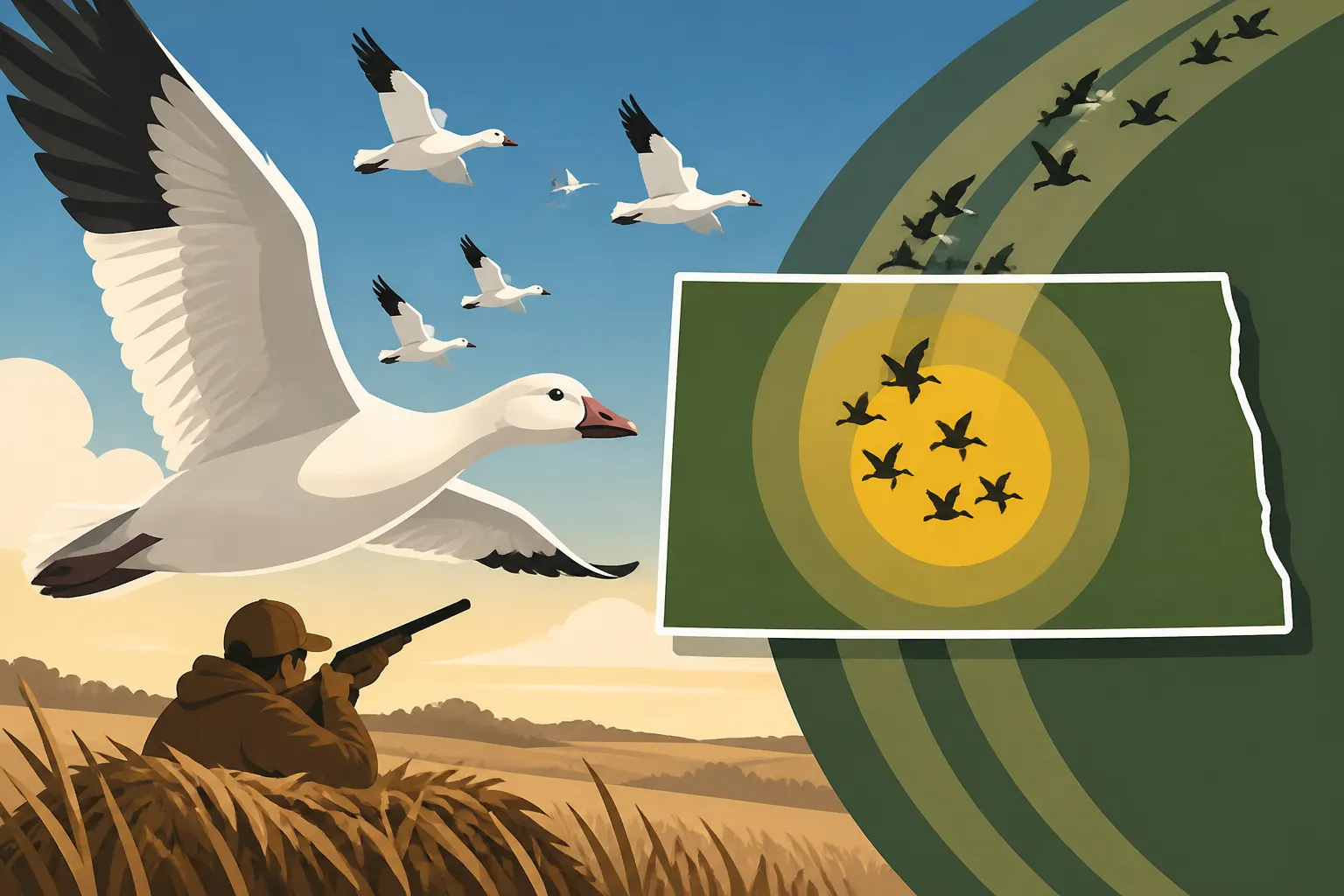
One of the most awe-inspiring natural spectacles in North America unfolds twice a year over North Dakota: the snow goose migration. If you've ever found yourself struggling to understand the sheer scale of this phenomenon or felt overwhelmed by the logistics of hunting these incredibly numerous birds, you've come to the right place. This guide is dedicated to demystifying North Dakota's crucial role in the snow goose migration, offering insights into why these birds choose our prairies, how their movements dictate hunting opportunities, and what it takes to be part of this unforgettable experience.
Understanding the Snow Goose Phenomenon in North Dakota
When you talk about snow geese in North Dakota, you're not just talking about a few thousand birds; you're discussing millions. It's a staggering number that can feel almost incomprehensible until you witness it firsthand. These arctic-nesting birds pour through the state during both spring and fall migrations, transforming the sky and fields into a living, breathing, honking tapestry. Their presence here is a testament to North Dakota's unique geography and abundant resources, creating a hunting experience unlike any other.
Why North Dakota is a Snow Goose Magnet
North Dakota sits squarely in the path of the Central and Mississippi Flyways, making it an unavoidable stopover for snow geese journeying between their arctic breeding grounds and southern wintering areas. But it's more than just being "in the way" – our state offers precisely what these birds need: vast, open agricultural fields for feeding and countless shallow wetlands for roosting and resting. Imagine miles of harvested corn, wheat, and barley fields, essentially giant buffets laid out for hungry geese. This abundance of high-energy food is critical for fueling their arduous journey, allowing them to replenish fat reserves necessary for survival and reproduction. Combine this with the sheer number of potholes, sloughs, and larger lakes across the landscape, and it's easy to see why North Dakota is a five-star hotel for migrating snow geese.
The landscape itself, with its broad, flat horizons, also plays a psychological role. Snow geese are highly gregarious birds that thrive in open spaces, where they can easily spot predators and gather in immense, protective flocks. The wide-open prairie of North Dakota provides this sense of security, allowing thousands upon thousands to congregate in a single field or on a single body of water. This unparalleled concentration creates the epic scenes hunters and birdwatchers alike travel far and wide to witness, cementing North Dakota's reputation as a snow goose mecca.
The Incredible Scale of the Migration
To truly grasp the magnitude of the snow goose migration, you have to think beyond traditional hunting terms. We're talking about populations that number in the millions, far exceeding most other waterfowl species. When these birds descend, they don't just land; they often blanket fields, creating what looks like a moving glacier of white against the brown earth. The sound alone is unforgettable – a constant, roaring cacophony of honks and cackles that can be heard for miles, signaling their arrival long before you see them. It's a primal sound that speaks to the wildness of the prairie and the sheer force of nature.
The conservation story behind these numbers is also fascinating. Decades ago, snow goose populations faced challenges, but successful management efforts have led to an incredible rebound, to the point where they are often overabundant. This overpopulation actually creates unique hunting opportunities, particularly during special conservation seasons, designed to help manage their numbers. Knowing you're participating in a hunt that contributes to ecological balance, while still experiencing one of the grandest wildlife spectacles, adds another layer of appreciation to every flock that wheels overhead. Understanding North Dakota Snow Goose Migration Numbers really helps put this scale into perspective.
Key Migration Timelines and Patterns
The arrival and departure of snow geese in North Dakota are dictated by the relentless march of the seasons, specifically the thawing and freezing lines. Understanding these patterns is crucial for any hunter hoping to intercept these birds. While there are general windows, the exact timing can shift based on yearly weather trends, making flexibility and constant scouting vital for success.
Early Arrivals and Fall Build-Up
The first waves of snow geese typically begin to appear in North Dakota as early as late August or early September, trickling in from their Canadian breeding grounds. These initial arrivals are usually smaller flocks, often mixed with other goose species, and tend to be less pressured as hunters are often focused on early duck seasons or upland birds. As September progresses into October, the migration truly intensifies. Cold fronts pushing down from the north trigger mass movements, and suddenly, what was a quiet sky can be filled with endless V-formations.
By mid-October, and especially through November, North Dakota becomes a major staging area. Flocks build into immense concentrations, particularly in the North Dakota's Prairie Pothole Region Explained, where they find optimal feeding and roosting conditions. Hunters often target these periods, focusing on cut grain fields. The birds will stay as long as open water is available for roosting and food remains accessible. A hard freeze or significant snowfall can quickly push them south, making the tail end of the fall season a frantic race against the elements. You'll want to keep a close eye on North Dakota Goose Season Dates to plan your fall hunts accordingly.
The Spring Migration Spectacle
While the fall migration offers traditional hunting, the spring snow goose conservation order provides a truly unique experience. Starting typically in late February or early March, as the snow and ice begin to recede, the first "push" of birds arrives. This is when the landscape transforms, and the sheer volume of birds is often even more concentrated than in the fall. The spring migration is driven by the birds' urgency to reach their breeding grounds, and they follow the melting snowline north.
Hunting in the spring is a different beast entirely. Gone are the traditional bag limits; instead, hunters are allowed electronic calls and unplugged shotguns, tactics usually reserved for predatory species. The goal is to reduce the overabundant population. The birds are often more vulnerable, focused on feeding heavily before their long journey north. However, weather can still be a major factor, with sudden blizzards capable of shutting down the migration for days. Many hunters follow the birds up through the state, chasing the thaw line as it progresses, making for an exciting, fast-paced chase.
Prime Hunting Zones and Habitat
North Dakota is a big state, and while snow geese can be found almost anywhere during migration, certain regions act as undeniable hotspots. Knowing these prime zones and understanding the specific habitat types they prefer is key to successful scouting and setting up your hunt. It's not just about where the birds are, but why they are there.
The Prairie Pothole Region's Role
If you're looking for snow geese in North Dakota, your compass should point squarely towards the Prairie Pothole Region. This vast area, often called the "duck factory" of North America, is equally vital for geese. Its defining feature is the countless shallow wetlands, known as potholes or sloughs, intermixed with fertile agricultural land. These potholes provide crucial roosting habitat—safe, open water where thousands of geese can gather at night, protected from terrestrial predators.
During the day, these immense flocks will fly out from their roosts to feed in surrounding grain fields. The key here is the sheer density of these wetlands. Birds don't have to fly far from their secure overnight spots to find ample sustenance. This concentration of both food and water creates an undeniable draw. When you're scouting, look for large bodies of water with thousands of white dots, then turn your attention to the surrounding stubble fields. Accessing these areas often means navigating public land options like Waterfowl Production Areas or securing private land permission. For many, simply driving through these areas during peak migration is an experience in itself, with horizons dotted white and the air thick with the sound of wings. It's truly a sight that brings North Dakota Waterfowl on the Prairie Pothole Flyway to life.
Key Flyway Corridors in North Dakota
While the Prairie Pothole Region broadly holds the most birds, there are specific flyway corridors within North Dakota where snow geese are consistently found. These often align with major river systems or chains of larger lakes that serve as super-roosts, drawing birds from an even wider area.
The Missouri River corridor, for instance, with its expansive reservoirs like Lake Sakakawea, can hold enormous numbers of geese. These larger bodies of water remain open longer in the fall and open earlier in the spring, acting as crucial staging points as the weather changes. Similarly, the Devils Lake basin, a huge internal drainage system, is another magnet. Its complex network of wetlands and adjacent fields attracts immense numbers of waterfowl, including snow geese. Hunters targeting these areas will often find themselves setting up Layout Blind Hunting Devils Lake Fields, hoping to intercept birds flying from the water to feed.
It's also worth noting the James River Basin in the eastern part of the state, particularly in the fall, can hold incredible numbers of geese. The river itself offers smaller, secure roosts, and the surrounding farmland provides endless feeding opportunities. Observing flight lines to and from these major roosts is a critical scouting step. Using tools like GoHunt can help you analyze satellite imagery to identify potential roosting waters and feeding fields, giving you a serious edge in predicting flight patterns. Birds will often follow established routes, especially when departing large roosts in the morning or returning in the evening.
Challenges and Rewards of Snow Goose Hunting
Snow goose hunting isn't for the faint of heart or the light of wallet. It demands significant effort, a robust gear list, and a willingness to adapt. However, the rewards—the sheer spectacle, the challenging hunt, and the camaraderie—are immense and keep hunters coming back year after year. It's a sport that truly tests your dedication and skill.
The Logistics of Decoying and Spreads
One of the biggest hurdles in snow goose hunting is the decoy spread. These birds travel in massive flocks and are incredibly wary. To draw them in effectively, you don't just need a few dozen decoys; you often need hundreds, sometimes even thousands. We're talking about spreads that can literally cover acres, creating the illusion of a giant feeding flock. This means investing in lightweight, durable decoys, often socks or silhouettes, that can be transported and deployed en masse. Setting up and tearing down a spread of this size is a serious undertaking, often requiring a team of hunters and hours of labor in the dark or cold.
Beyond quantity, the quality and realism of your spread matter. Snow geese have excellent eyesight. You need a mix of feeder, sentry, and flier decoys, strategically placed to mimic natural feeding behavior. Utilizing electronic calls (where legal, primarily during the spring conservation order) is also a game-changer, amplifying your spread's appeal. Hiding yourself is equally critical; layout blinds or even simple white sheets can help you disappear into the white landscape. While Decoy Spreads for Prairie Pothole Mallards might give you a starting point, snow goose spreads are on an entirely different level of scale and complexity.
Weather's Impact on the Hunt
North Dakota weather is notoriously unpredictable, and it plays an enormous role in snow goose hunting success. A calm, sunny day might mean birds flying high and scattered, making them difficult to decoy. Conversely, a blustery, overcast day can be a snow goose hunter's dream, pushing birds lower and making them more responsive to calls and decoys. Wind is particularly important; geese land and take off into the wind, so understanding its direction is crucial for positioning your blinds and decoys for the best shot opportunities.
Then there's the more extreme weather. A sudden cold snap can freeze up roosting water overnight, pushing birds out of the area entirely. A blizzard in the spring can halt the migration for days, leaving fields empty. Conversely, a warm front can bring in a huge influx of new birds. Constantly monitoring weather forecasts and being prepared to move your setup is part of the game. Flexibility is paramount. You might have a perfect spot scouted, but if the weather shifts drastically, those birds might be miles away or simply not flying. This is where diligent scouting using apps like GoHunt can give you real-time advantages, helping you track weather patterns and potential shifts in bird location.
Conservation and Management Efforts
Given the immense numbers of snow geese, their management is a complex but vital endeavor. North Dakota, as a critical migration corridor, plays a significant role in broader conservation efforts. Hunters are often direct contributors to these efforts, participating in unique seasons designed to balance wildlife populations and habitat health.
Population Dynamics and Special Seasons
Snow goose populations have experienced a remarkable recovery, largely due to successful conservation efforts over the past decades. However, this success has led to its own set of challenges. Certain snow goose populations have grown so large that they are negatively impacting their fragile arctic breeding grounds. Overgrazing by immense flocks can destroy critical tundra vegetation, which then impacts other arctic species that rely on that habitat. This is where special conservation orders come into play.
These "conservation seasons," primarily in the spring, allow hunters to use expanded methods, like electronic calls and unplugged shotguns, and often have very generous or even unlimited bag limits. The intent is not just to provide hunting opportunity, but to help reduce the population to a more ecologically sustainable level. Hunters participating in these seasons are directly contributing to the health of the arctic ecosystem, making their efforts a unique blend of sport and conservation. While we also have specific North Dakota Duck and Goose Bag Limits for the regular season, the conservation order is a different beast entirely.
Hunter Contribution to Conservation
Beyond participating in special conservation orders, waterfowl hunters are, by their very nature, conservationists. Every hunter purchasing a federal duck stamp and a state migratory bird certification contributes directly to wetland habitat conservation. These funds are vital for protecting, restoring, and managing wetlands across North America, which benefit not only ducks and geese but countless other species. North Dakota's numerous Waterfowl Production Areas and Wildlife Management Areas are prime examples of habitats sustained by these funds.
Furthermore, hunters act as eyes and ears on the ground, reporting observations, assisting with banding programs, and adhering to regulations that ensure sustainable hunting practices. The data collected from hunter harvest reports also provides critical information for wildlife managers, helping them make informed decisions about future seasons and population goals. By obtaining your North Dakota Federal Duck Stamp Requirement and North Dakota HIP Certification for Bird Hunters, you're doing your part. This symbiotic relationship between hunters and conservation agencies ensures that the incredible spectacle of the snow goose migration, and all waterfowl migrations, continues for generations to come.
Planning Your North Dakota Snow Goose Hunt
Embarking on a snow goose hunt in North Dakota requires more than just a gun and some shells; it demands careful planning, preparation, and an understanding of specific rules. Whether you're a seasoned goose hunter or considering your first venture into the chaos of a snow goose spread, getting the details right can make all the difference.
Essential Gear and Equipment
The list of gear for a serious snow goose hunt can be extensive. First and foremost, you'll need a reliable shotgun, typically a 12-gauge, capable of handling heavier loads and potentially high shot counts. Steel shot is mandatory for waterfowl, and choosing the right size and choke is crucial for those long-range shots. Beyond the firearm, your decoy spread is paramount. As mentioned, hundreds, sometimes thousands, of decoys are the norm. This includes full-body decoys, silosocks, and windsock decoys. You'll also need sturdy stakes or bases for them.
Hiding is another major consideration. Layout blinds are common, offering excellent concealment in open fields, but can be bulky. Some hunters opt for simple white camouflage netting or suits to blend into snow-covered fields. Don't forget an electronic call (essential for conservation seasons), warm, waterproof clothing, gloves, and waders if you anticipate wet conditions. A good pair of binoculars for scouting, a reliable GPS or mapping app like GoHunt for navigation and property boundaries, and plenty of ammunition are also non-negotiable.
Navigating Licenses and Regulations
Before you even think about setting up a spread, ensure you have all your legal ducks (or geese!) in a row. For nonresidents, this means understanding potential restrictions like the New 2026 North Dakota Nonresident Waterfowl Restrictions, which can impact when and where you can hunt. All migratory bird hunters will need a federal duck stamp and state migratory bird certification, in addition to their regular hunting license. Check the current year's proclamation for specific season dates, bag limits, and any special regulations for the spring conservation order, such as legal shooting hours and methods allowed.
| License/Stamp Requirement | Purpose | Notes |
|---|---|---|
| North Dakota Hunting License | General permission to hunt in the state | Resident and Nonresident options available. |
| Federal Migratory Bird Hunting and Conservation Stamp (Duck Stamp) | Required for all waterfowl hunters 16 years and older | Funds wetland conservation. |
| North Dakota Migratory Bird Certification | State-level permit for hunting migratory game birds | Funds state-level migratory bird management. |
| Spring Conservation Order Authorization | Special authorization for the extended spring snow goose season | Often no additional cost, but mandatory to declare participation. Allows special methods (e-caller, no plug). |
Always carry your licenses and stamps with you while hunting, and be familiar with the regulations regarding transportation of birds, particularly if you plan to cross state lines. Ignorance of the law is never an excuse, and game wardens in North Dakota are diligent in enforcing waterfowl regulations.
Disclaimer
This article is for general informational purposes only and does not constitute professional advice. Laws, prices and regulations vary by location and change over time. Consult a qualified professional for guidance on your specific situation.