Best North Dakota Counties for Pheasant
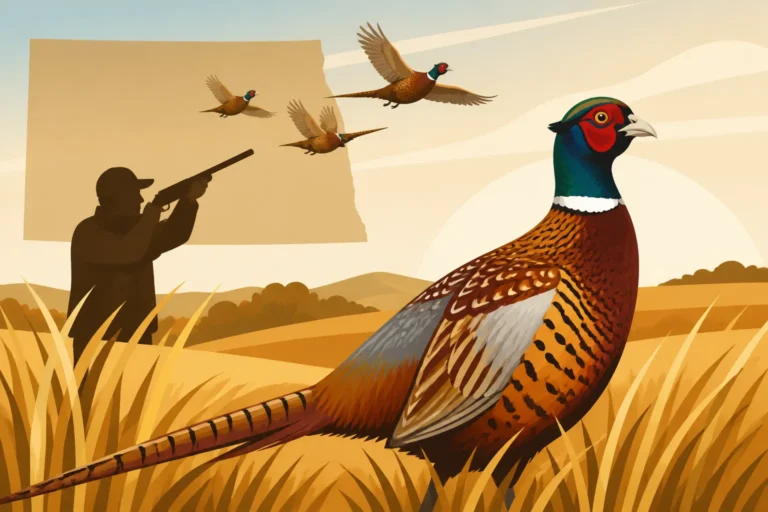
Hunting North Dakota for pheasants can feel like a game of chance if you're just looking at a map and hoping for the best. It's frustrating to drive for hours, only to find picked-over fields or sparse cover, wondering if you're even in the right zip code for roosters. This guide is here to cut through the guesswork, helping you understand where the best pheasant hunting opportunities often lie in North Dakota and, more importantly, why those areas hold more birds, so you can plan your next successful hunt with confidence.
Understanding North Dakota's Pheasant Hotbeds
North Dakota is renowned for its incredible pheasant hunting, but it's not a uniform blanket of birds across the entire state. There are definite regions and, yes, specific counties that consistently produce higher bird numbers and offer more reliable hunting experiences. This isn't just luck; it's a combination of habitat, land use, and weather patterns that favor these areas.
The Central and Southern Prairies: Consistent Performers
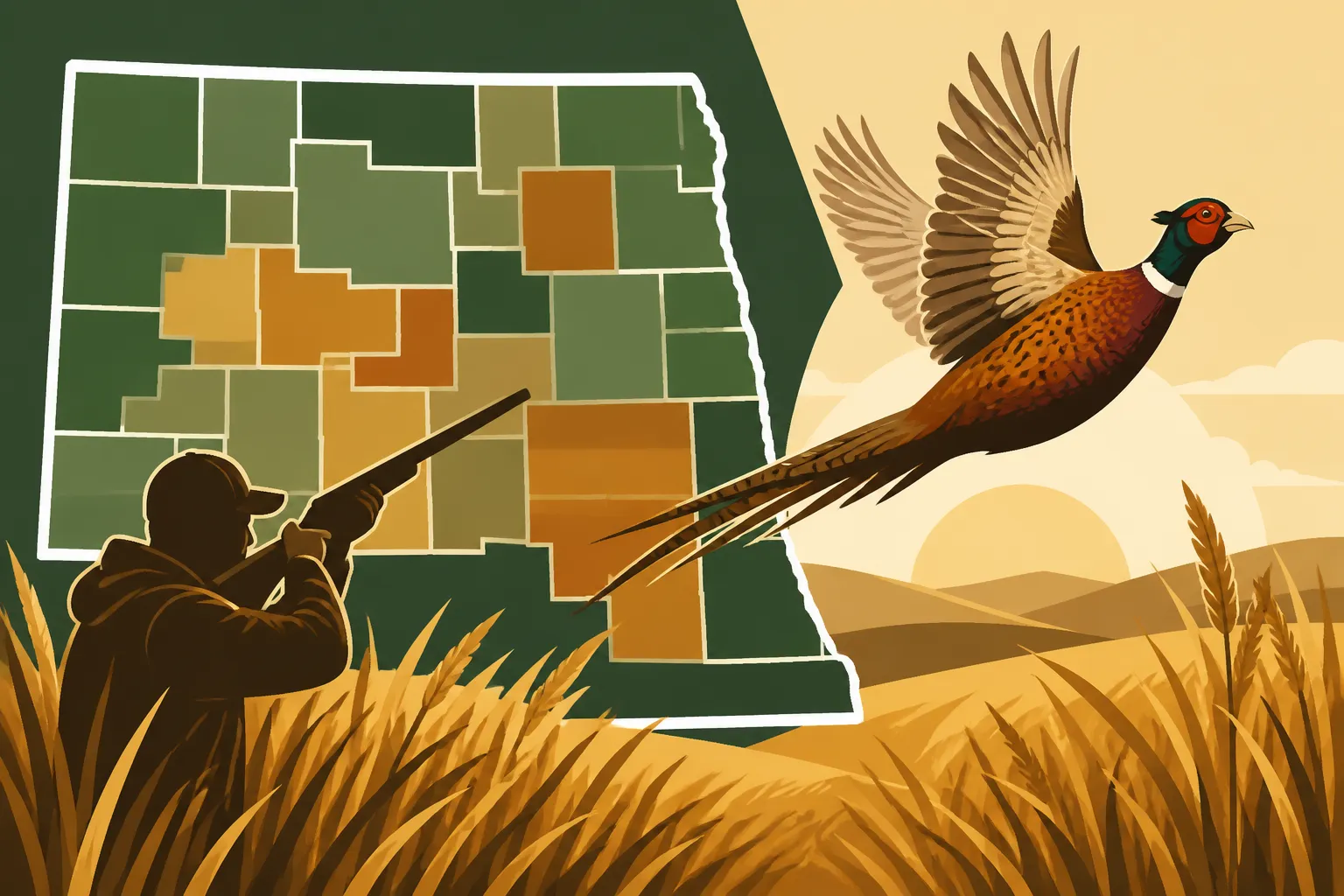
When you talk to seasoned North Dakota pheasant hunters, the central and southern portions of the state often come up first, and for good reason. These areas are, in many ways, the heartland of pheasant country. Think about counties stretching south from Bismarck and Mandan, or those along the James River corridor. This region typically boasts a fantastic mix of critical habitat components: abundant grain crops like corn, sunflowers, and wheat that provide crucial food sources, alongside expansive blocks of dense cover. We're talking about those CRP (Conservation Reserve Program) fields that offer phenomenal nesting and escape cover, mixed with cattail sloughs, shelterbelts, and diverse grasslands. The agriculture here is generally intense enough to provide ample winter food, but also interspersed with enough wild cover to give pheasants the security they need year-round. It’s a delicate balance, and this region seems to have found it. The rolling hills and fertile soils lend themselves to agricultural practices that, when combined with conservation efforts, create a pheasant paradise. Many hunters find themselves returning to these areas season after season because the consistency is hard to beat. If you're looking for areas with generally high bird densities, this is where you'll often find them. It's a prime example of where you can expect to find a good concentration of birds, assuming other factors like winter severity haven't taken a toll.
Western North Dakota's Hidden Gems: More Than Just Badlands
While the central and southern prairies get a lot of attention, don't sleep on western North Dakota for pheasant hunting. It's true that the rugged Badlands are primarily known for their Mule Deer in North Dakota's Badlands or even Elk in North Dakota's Little Missouri Badlands, but the transition zones and less-dramatic landscapes further east in the western part of the state can offer some truly fantastic pheasant opportunities. These areas might not have the sheer volume of birds you find in the traditional hotspots, but they can offer a different kind of hunting experience—often with less pressure and more challenging terrain that rewards a hunter's persistence. Counties bordering the Badlands, or those with a mix of pastureland, creek bottoms, and smaller agricultural fields, can hold surprisingly robust pheasant populations. The habitat here tends to be more broken, with draws, coulees, and brushy pockets providing excellent cover, especially as the season progresses and birds get wilder. You might have to work a bit harder, walking more ground and paying closer attention to the subtle changes in terrain, but the reward can be a truly satisfying hunt, often with fewer other hunters around. It's less about walking vast fields and more about systematically picking apart smaller, more intricate pieces of cover.
Key Factors Driving Pheasant Populations in North Dakota
Understanding where pheasants thrive isn't just about looking at a map; it's about knowing why they thrive there. Several critical environmental and land-use factors dictate where you'll find healthy pheasant populations in North Dakota, and these are often the frustrations hunters grapple with when trying to forecast their season.
Habitat is King: CRP, Wetlands, and Food Sources
There's a common phrase in wildlife management: "Habitat is king." For pheasants, this couldn't be more true. They need a diverse array of cover and food sources to survive and reproduce. The presence of ample North Dakota CRP Acres and Pheasant Numbers is arguably the single most important factor. CRP fields, with their tall, dense grasses, provide crucial nesting habitat in the spring, thermal cover during harsh winters, and escape cover from predators year-round. Without these safe havens, pheasant populations simply can't sustain themselves.
Beyond CRP, pheasants rely heavily on other types of cover:
- Cattail Sloughs and Wetlands: These offer invaluable winter cover, especially during heavy snowfalls, as the dense vegetation stands strong against the elements. They also provide water sources and bugging areas.
- Shelterbelts and Tree Rows: These provide critical windbreaks during blizzards and roosting cover. A good shelterbelt with dense undergrowth can be a pheasant magnet.
- Food Sources: Adjacent agricultural fields are non-negotiable. Corn, sunflower, and small grain fields provide high-energy food sources, particularly vital during the cold winter months. A mix of standing crops, especially in late season, and harvested fields is ideal. This diverse landscape protects birds from predators, offers insulation, and keeps them fed. When any of these components are missing, or disproportionate, pheasant numbers tend to suffer. This is why a simple drive through the countryside can tell you so much about the potential for birds – look for the "messy" areas, the fringes, the transitions between crop fields and thick cover.
Weather's Impact: Winter Severity and Spring Brood Success
North Dakota's weather is famously unpredictable and can be incredibly harsh, and it plays a monumental role in pheasant population dynamics. As hunters, we often feel this impact acutely when the bird counts feel down. The two most critical periods are winter and spring.
- Winter Severity: A mild winter with minimal snow cover and manageable temperatures generally means high overwinter survival rates. Birds can access food, move freely, and aren't stressed by extreme cold. Conversely, a severe winter with deep, persistent snow and prolonged periods of bitter cold can devastate populations. Deep snow buries food sources, forcing birds to expend more energy to find sustenance, and exposed birds are more vulnerable to predators and the cold itself. This is why Winter Survival and North Dakota Pheasant Numbers are so closely linked. Hunters in the spring will often discuss the previous winter, knowing it's a major indicator for the upcoming fall.
- Spring Brood Success: Even if pheasants survive the winter, their reproductive success in the spring is paramount. Cold, wet springs can lead to high chick mortality. Young pheasant chicks are extremely vulnerable to hypothermia in damp conditions. A warm, dry spring allows hens to nest successfully and chicks to thrive, leading to strong recruitment into the fall population. This is why you'll often hear about Why the 2026 Crowing Count Jumped Nine Percent (or any given year) being attributed to favorable spring weather. As hunters, these weather patterns are entirely out of our control, but understanding them helps manage expectations and appreciate the hardiness of these birds.
Hunting Pressure and Public Land Access
While habitat and weather are biological drivers, hunting pressure is a human-influenced factor that significantly impacts where you'll find pheasants, especially on public lands. North Dakota boasts a fantastic Public Hunting Land in North Dakota system, particularly The PLOTS Program Explained, which is a huge asset for hunters. However, popularity can lead to pressure.
Areas with easy access, especially those close to larger towns or main highways, tend to see heavier hunting pressure, particularly on opening weekend and subsequent Saturdays. Birds in these areas quickly become "educated" – they flush further out, run more, and gravitate towards denser, harder-to-reach cover. This doesn't mean these areas don't hold birds; it just means you'll need to adjust your tactics. Perhaps you'll focus on Walking a Pheasant Field at Midday when other hunters have left, or venture deeper into larger tracts of public ground.
Conversely, counties or specific areas with less public land, or public land that requires more effort to access (e.g., walking a mile from the road), often hold birds that are less pressured and more willing to hold for a point. Finding these less-pressured areas often means doing your homework, using mapping tools like GoHunt to identify parcels that are a bit off the beaten path, or even just driving backroads to spot potential habitat. The goal is to find pockets where birds can live relatively undisturbed for at least part of the season.
Top Counties for North Dakota Pheasant Hunting
When trying to nail down the "best" counties, it's important to understand that what makes a county "best" can vary from year to year, and even from hunter to hunter. Some might prioritize sheer bird numbers, while others value less crowded fields or a particular type of terrain. However, based on consistent habitat, historical data, and anecdotal evidence from years of chasing pheasants, certain counties rise to the top.
The Tried-and-True: Counties with Historical Success
There are a handful of counties that, more often than not, offer fantastic pheasant hunting. These are the workhorses of North Dakota pheasant country, known for their consistent habitat and often robust North Dakota Pheasant Population Estimate. Here's a look at some of them, and what makes them tick:
| County Name | General Region | Key Habitat Features | Typical Hunting Pressure | Best For |
|---|---|---|---|---|
| Dickey | Southeast | High CRP enrollment, abundant cattail sloughs, mixed grain crops | Moderate to High | Classic big-field hunts, good late-season cover |
| Sargent | Southeast | Similar to Dickey, excellent mix of wetlands and grasslands | Moderate to High | Consistent bird numbers, diverse cover |
| McIntosh | South Central | Rolling prairie, good mix of smaller fields and dense cover | Moderate | Classic prairie hunting, good dog work opportunities |
| Emmons | South Central | Missouri River breaks, creek bottoms, extensive grasslands | Moderate | Challenging terrain, good for wilder birds |
| Burleigh | Central | Mix of urban fringe, agricultural, and public land; Missouri River corridor | Varied (High near Bismarck, lower elsewhere) | Accessible options, varied experiences |
| Kidder | Central | Pothole country, abundant water, good CRP | Moderate | Excellent waterfowl combo, good for early season |
These counties have a fantastic blend of what pheasants need: food, water, and diverse cover. They often boast high participation in conservation programs, leading to those critical CRP fields and healthy wetland complexes. Remember, however, that "historical success" doesn't guarantee a specific hunt, but it does indicate a higher likelihood of encountering birds. When planning a hunt, it's always wise to consult the latest North Dakota Pheasant Harvest Numbers by Year to get a more current picture.
Emerging Opportunities: Finding Less-Pressured Options
Sometimes, the "best" county isn't about the highest bird count on paper, but about finding a quality experience with less competition. If you're willing to venture a bit off the main highways, you can often find fantastic hunting in counties that might not be as widely publicized. These "emerging opportunities" often lie in areas with strong, but perhaps more scattered, habitat.
Consider counties in the southwestern part of the state, or those further north in the central region that might have a slightly lower overall pheasant density but offer expansive public land or easily accessible private land with permission. These areas can be incredibly rewarding for hunters who prioritize a quieter, more solitary experience. You might not put up 50 birds in a single push, but the birds you do find might hold tighter and offer more sporting shots. This is where using tools like GoHunt to really dig into public land maps and identify smaller, overlooked parcels can pay off immensely. Look for those areas where the habitat exists but isn't necessarily concentrated in vast, obvious blocks. Sometimes, the best hunts come from discovering a small, unpressured draw or a dense slough edge that others have overlooked.
Utilizing Tools for Research and Scouting
In today's hunting world, technology is your best friend when it comes to finding pheasants. Gone are the days of just driving around hoping to see birds. Modern tools allow for incredible pre-hunt scouting and real-time navigation.
- Online Mapping Applications: Services like GoHunt offer detailed satellite imagery, public land overlays (including PLOTS land), and landowner information (where available). Before you ever leave home, you can identify potential habitat, pinpoint access points, and mark areas you want to investigate. This allows you to identify not only the counties with good habitat but also the specific parcels within them that look promising. You can literally trace a route you plan to walk, noting dense cover, field edges, and potential escape routes for birds. This is invaluable for efficiently covering ground.
- North Dakota Game and Fish Department Resources: The NDGFD website is a treasure trove of information. Their annual North Dakota Pheasant and Upland Season Rules and fall outlook reports provide crucial insights into bird populations, habitat conditions, and weather impacts from the previous year. They also publish the PLOTS Guide, which is an indispensable resource for Finding a PLOTS Tract Near You and understanding available public access. Combining these official reports with your own digital scouting helps paint a comprehensive picture.
- On-the-Ground Scouting: Nothing replaces putting boots on the ground, even if it's just driving backroads prior to the season. Looking for food sources, fresh cover growth, and even road-killed birds can give you a real-time sense of where birds are congregating. Pay attention to how the crops are coming in, where the water is standing, and the density of the perennial cover. This reconnaissance, when combined with your mapping efforts, gives you a significant advantage.
Beyond the County Line: Tactics for Finding Birds Anywhere
Knowing the "best" counties is a great start, but pheasants are wild animals, and they don't always read the county lines. What truly separates successful hunters is the ability to read the landscape, adapt to conditions, and employ effective hunting tactics, no matter where they find themselves in North Dakota.
Reading the Landscape: Where Birds Hide
Pheasants are masters of concealment, and understanding their preferences for cover is paramount. It’s not just about finding any patch of grass; it’s about finding the right patch of grass.
- Transition Zones: This is perhaps the most critical concept. Pheasants love edges and transitions. Think about the edge where a standing cornfield meets a dense CRP field, or where a cattail slough gives way to a brushy ditch. These zones offer immediate access to food and water, along with quick escape cover. Always pay extra attention to these junctions.
- Dense, Vertical Cover: As the season progresses, birds get wary and seek out the thickest, nastiest cover available. This includes deep cattail sloughs, thick shelterbelts with heavy undergrowth, plum thickets, and even standing crops like sunflowers or corn that haven't been harvested yet. Hunting Standing Sunflowers for Deer and Geese can also yield pheasants. These areas provide both physical protection from predators and thermal insulation from the cold wind and snow. Don't be afraid to get into the really thick stuff; that's often where the roosters are hiding.
- Elevation Changes and Drainage: In flatter prairie country, even subtle changes in elevation, like a slight rise or a shallow drainage ditch, can offer enough cover and a break from the wind to hold pheasants. They'll also use these features as travel corridors. Always consider how wind and sun exposure might influence where a bird chooses to spend its day. When you're Running a Pointer Through CRP Grass, pay attention to how the dog works these subtle variations in terrain.
Timing Your Hunt: Early Season vs. Late Season
Pheasant behavior changes dramatically throughout the season, and your tactics need to evolve with it. What works on opening weekend might not yield a single bird in December.
- Early Season (October-Early November): In the early weeks, birds are often less pressured and still spread out across the landscape. They haven't been educated by hunters yet, so they might hold tighter in lighter cover. This is a great time for working large fields of CRP, grassy ditches, and field edges. Birds might be found in more open areas, making them easier for dogs to find. The weather is generally milder, making for comfortable hunting conditions. Focus on covering ground and working a good dog.
- Late Season (Mid-November-December): As the season progresses, birds become much wilier. They've been hunted, crops have often been harvested, and colder weather forces them into the densest available cover. This is when those thick cattail sloughs, heavy shelterbelts, and standing cornfields become absolute magnets. You'll need to adjust to more strategic hunting, often requiring multiple blockers or focused drives through heavy cover. Birds will run more, flush wilder, and utilize every bit of available cover to escape. This is a fantastic time for dedicated rooster hunters, but it demands more effort and often a more patient approach. Hunting Into a December Cold Snap means targeting those thermal covers and food sources they depend on.
The Value of Local Knowledge and Adaptability
No map, no report, and no guide can completely replace local knowledge and a willingness to adapt. The best hunters are those who are always observing, learning, and adjusting their plans.
- Talk to Locals: If you have the opportunity, strike up conversations with farmers, gas station attendants, or folks at the local diner. Many North Dakotans are friendly and passionate about their wildlife, and they can offer invaluable, real-time insights into bird movement, local hotspots, or even permission to hunt private land. This is the ultimate "boots on the ground" intel.
- Be Flexible: Your meticulously planned route might look great on GoHunt, but if you arrive and find the crop has been harvested, or the slough is dry, be ready to pivot. Have backup plans. North Dakota is a big state with plenty of land, so if one spot isn't producing, don't be afraid to pack up and try another. The wind direction, recent weather, and even other hunters can all change conditions, so a rigid plan is often a recipe for frustration.
- Respect the Land and Landowners: Whether on public PLOTS land that you've found by Scouting PLOTS Land Before Season or trying to get permission on private ground, always show respect. Ask politely, leave gates as you found them, pick up your spent shells, and offer to share some game if you're successful. A good reputation can open doors to incredible hunting opportunities for years to come. Ultimately, the "best" county for pheasant hunting is often the one where you're willing to put in the effort, adapt to the conditions, and appreciate the hunt itself.
Disclaimer
This article is for general informational purposes only and does not constitute professional advice. Laws, prices and regulations vary by location and change over time. Consult a qualified professional for guidance on your specific situation.