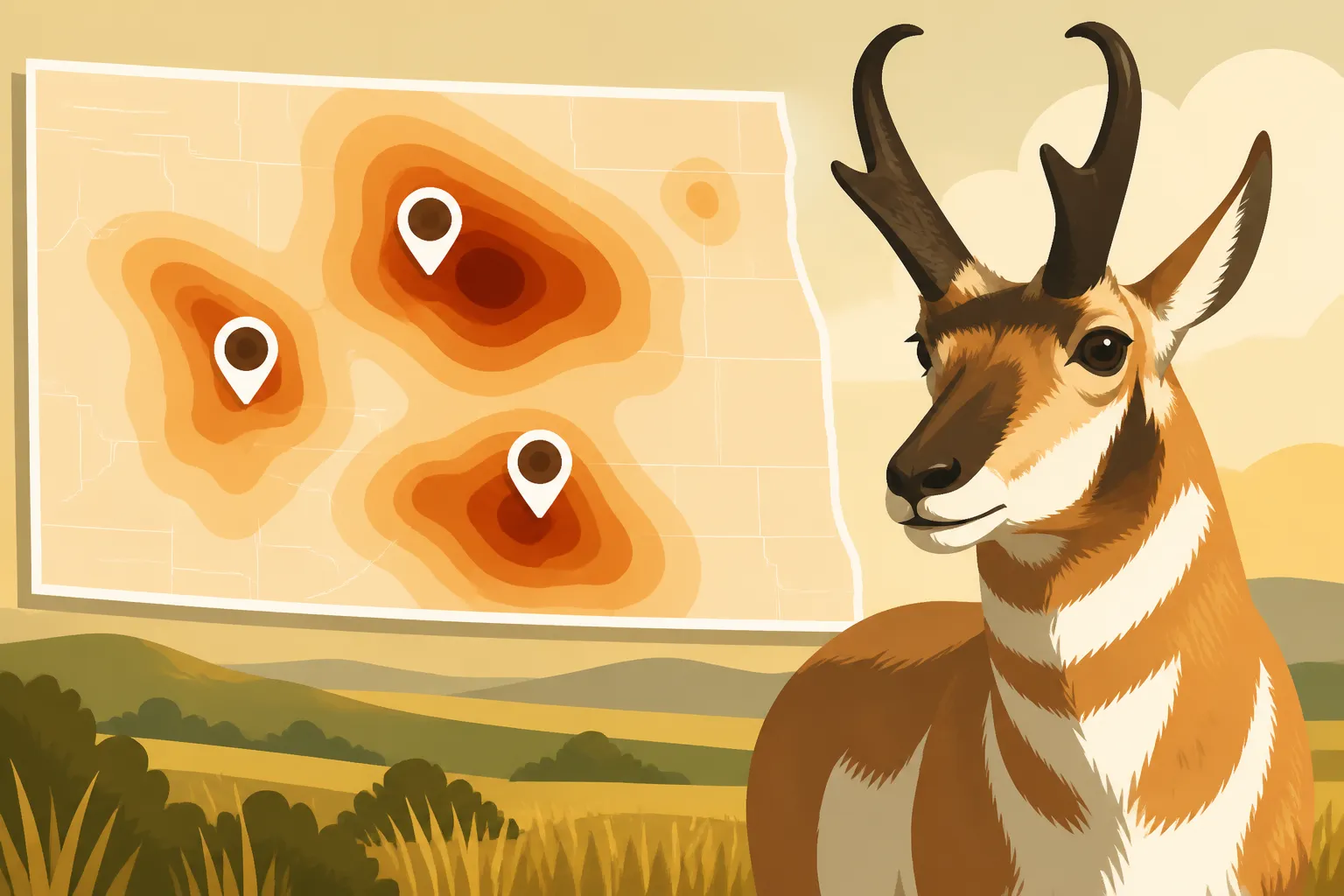
Where North Dakota Pronghorn Concentrate
Hunting pronghorn in North Dakota can feel like searching for a needle in a haystack, especially when you're looking at vast, open landscapes and wondering exactly where these speedy creatures like to hang out. It's not like deer that often stick to timber; pronghorn are creatures of the open prairie, and pinning down their hotspots can be a real challenge for even seasoned hunters. This guide is dedicated to helping you understand the specific geographic areas and habitat preferences where North Dakota pronghorn concentrate, giving you a much better starting point for your next hunting adventure.
Understanding Pronghorn Habitat in North Dakota
North Dakota's landscape is incredibly diverse, from the rolling badlands to the flat, fertile Red River Valley. However, not all of it is prime pronghorn country. These incredible animals thrive in very specific environments, and understanding what makes an area suitable for them is the first step in figuring out where they'll concentrate. It's not just about open space; it's about the right kind of open space.
The Geographic Range of North Dakota Pronghorn
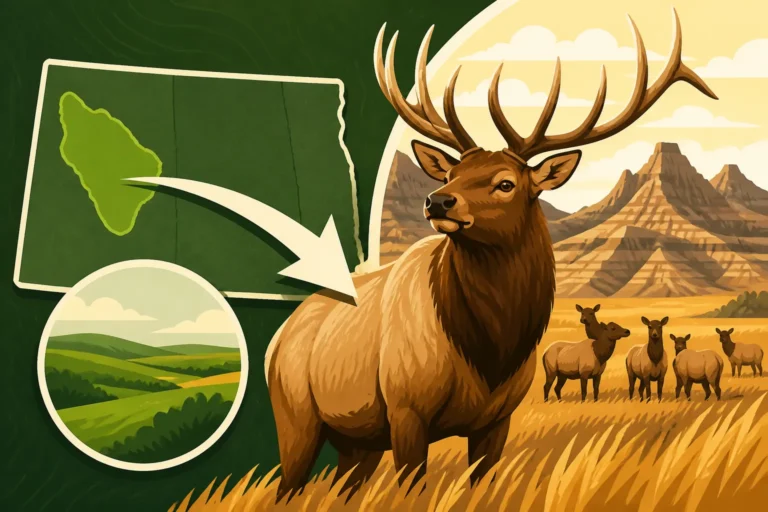
Historically, pronghorn roamed much of North Dakota's prairie. Today, their distribution is more concentrated, primarily in the western and southwestern parts of the state. We're talking about the counties bordering Montana and South Dakota, where the landscape transitions from lush agricultural fields to the more arid, rugged terrain of the Badlands and expansive grasslands. This isn't an arbitrary boundary; it's defined by ecological factors that dictate where pronghorn can find suitable forage, cover, and water, while also dealing with human development and severe winters. You won't typically find huntable populations of pronghorn near Fargo or Grand Forks, for instance. Their range is a direct reflection of their needs as a species, and those needs align with the unique characteristics of western North Dakota. If you're looking to pursue Pronghorn Hunting Western North Dakota, you're already looking in the right general direction.
Key Ecological Factors Influencing Concentration
Pronghorn aren't just looking for open space; they're looking for open space with specific features. Think about it: they need to see predators coming from a mile away, but they also need food and water. This means they favor vast, uninterrupted grasslands and shrublands, often with low, rolling hills that offer some topographical relief without obstructing their incredible eyesight. Key factors include:
- Forage Diversity: Pronghorn are browsers more than grazers, meaning they prefer forbs, shrubs, and cacti over tall, dense grasses. They thrive on native plants like sagebrush, silver buffaloberry, and various wildflowers. Areas with a good mix of these plants will hold more pronghorn than monoculture fields.
- Water Sources: While pronghorn are incredibly efficient at deriving moisture from their diet, they still need access to water, especially during hot, dry periods. This could be natural springs, creeks, stock ponds, or even dew. The presence of reliable water often dictates where herds will linger.
- Visibility and Escape Terrain: Their survival strategy hinges on speed and sight. They need vast, open areas where they can spot threats from a distance and then outrun them. Gently rolling topography provides strategic high points for glassing and slight depressions for momentary concealment during a stalk. Flat, featureless plains can work, but a bit of undulation is often preferred.
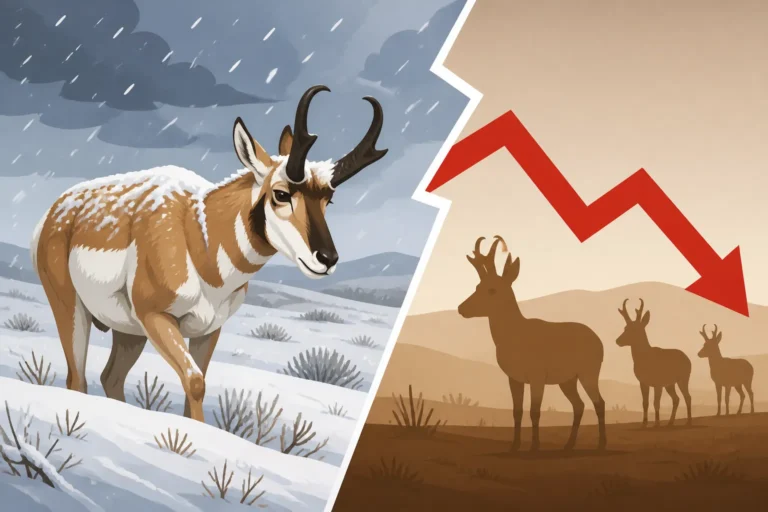
- Winter Range: While hunting seasons are typically in the fall, winter range quality significantly impacts population health and thus, future concentration. Areas with less snow accumulation, browse that remains accessible, and some protection from bitter winds are crucial for herd survival through harsh North Dakota winters. This is where you really see Why a Hard Winter Hurts Pronghorn Numbers.
Understanding these factors helps you not just find pronghorn, but understand why they are there, which is invaluable for predicting their movements and finding new hotspots.
Prime Regions for Pronghorn Concentration
When we talk about pronghorn in North Dakota, our eyes naturally turn westward. This is where the landscape truly caters to their unique needs, and where the state's most consistent populations reside. However, even within this general region, there are distinct differences in habitat and concentration levels.
The Southwestern Badlands and Surrounding Prairies
The most significant and reliable concentrations of pronghorn in North Dakota are found in the southwestern corner of the state, encompassing counties like Bowman, Slope, Golden Valley, Billings, and parts of McKenzie and Adams. This region is a mosaic of the rugged Badlands terrain and the sprawling mixed-grass prairies that gently undulate away from the more dramatic breaks.
- Little Missouri National Grassland: This vast expanse of federally managed land within the Badlands is arguably the heart of North Dakota's pronghorn country. Here, you'll find expansive plateaus covered in short grasses and sagebrush, intersected by deep, eroded coulees and draws. Pronghorn utilize the plateaus for feeding and visibility, often dipping into the draws for temporary cover or to escape wind. Hunters on this public land often find success by systematically glassing these open areas from high points. Understanding How Many Acres Little Missouri Grassland Covers gives you a sense of the sheer scale of the habitat available.
- Private Rangelands: Surrounding the Badlands and extending into the southwestern corner are vast tracts of private ranchland. These areas, often managed for cattle grazing, can provide excellent pronghorn habitat, mirroring the features of the national grassland with open pastures, abundant forbs, and scattered water sources. Gaining permission on these private lands can unlock some incredible hunting opportunities.
- Habitat Richness: This region offers the ideal blend of short, nutritious forage, relatively gentle terrain for their speed, and enough low-lying brush for fawns to hide or for adult pronghorn to bed down out of the direct sun or wind. This is truly where you'll find the bulk of Pronghorn Antelope in Western North Dakota. The "prairie potholes" of eastern North Dakota are great for ducks, but not so much for speed goats.
Lesser-Known Pockets and Movement Patterns
While the Badlands and adjacent southwestern prairies are the undisputed core, pronghorn are not always strictly confined to these areas. Their movements and distribution can sometimes extend beyond the most obvious boundaries, especially during specific times of the year or in response to population pressures.
- Northern Expansion: In some years, or in units with healthy populations, pronghorn herds might extend their range slightly north into parts of Stark or Dunn counties, particularly where open grazing lands and lower human development persist. These areas might not hold the same density as the core southwest but can offer surprising opportunities for those willing to do their homework.
- Seasonal Shifts: Like many big game animals, pronghorn can exhibit seasonal movements. While they are not true long-distance migrators like some other species, they might shift from summer feeding grounds to more protected wintering areas. A severe winter can push them into areas with better snow-free forage or more substantial cover, even if temporarily. Pay attention to local game and fish reports for insights into these shifts, as they can reveal temporary concentrations.
- Response to Hunting Pressure: In high-pressure units, pronghorn might become warier and utilize smaller, more remote pockets of suitable habitat. This often means they concentrate in areas that are harder to access, such as deep coulees or far away from roads, making your scouting and access strategy even more critical.
Keep in mind that the overall North Dakota Pronghorn Population Trends can influence how widely these animals are distributed. In years with higher populations, their range may naturally expand a bit, leading to more widespread concentrations.
Identifying Specific Pronghorn Concentration Areas
Finding the general region where pronghorn live is one thing; pinpointing exact concentration areas within those regions is another. This is where scouting, modern tools, and an understanding of pronghorn behavior really come into play. It's about putting boots on the ground, but also about smart planning before you even leave your living room.
Utilizing Tools and Scouting for Success
In today's hunting world, we have access to incredible resources that can significantly narrow down our search for pronghorn. Using these effectively is paramount.
- Aerial Imagery and Topographical Maps: Before you ever step foot in the field, spend significant time studying satellite imagery and topographical maps. Services like GoHunt, for example, offer detailed mapping tools that allow you to identify vast expanses of open grassland, sagebrush flats, and areas with gentle rolling hills – prime pronghorn country. Look for natural breaks, drainages, isolated pockets of shrubbery, and especially water sources. Identify high points that will serve as excellent glassing knobs. You can literally map out your scouting routes and potential stalks from your computer.
- Public Land Access: North Dakota's PLOTS program (Private Land Open To Sportsmen) and vast federal lands like the Hunting North Dakota's Little Missouri National Grassland offer substantial public access. Use the ND Game and Fish PLOTS guide or app to identify available tracts in the western counties. Remember, just because it's public doesn't mean it's easy. Look for PLOTS lands that are adjacent to private pastures, as pronghorn often move between the two.
- Scouting from a Distance: Pronghorn have incredible eyesight. If you're trying to spot them, you need to use quality optics and keep your distance. Drive section roads and pull over frequently to glass open expanses with binoculars or a spotting scope. Pay particular attention during early mornings and late evenings when they are often most active. This is where skills like Spotting Pronghorn From a Section Road really shine. Look for white patches that might be feeding animals or tell-tale movements.
- Reading the Landscape: Look for signs of pronghorn activity. While they don't leave rub marks or deep tracks like deer, you might find trails worn into the short grass, especially leading to water sources or through narrow passes between hills. Fresh droppings can also indicate recent presence.
| Feature | Why it Attracts Pronghorn | How to Spot on a Map / In Field |
|---|---|---|
| Open Grasslands | Excellent visibility for predator detection, primary forage | Large, unbroken green/tan areas on satellite; vast fields in person |
| Sagebrush Flats | Key browse species, provides cover for fawns and bedding | Grey-green textured areas on satellite; low, dense shrubs in person |
| Rolling Hills | Strategic vantage points, allows for stalks in depressions | Contour lines close together but not too steep; subtle elevation changes |
| Stock Ponds/Dugouts | Essential water sources, especially in dry conditions | Small blue dots on satellite; obvious man-made ponds in field |
| Dry Washes/Coulees | Temporary cover, travel corridors, can hold browse | Winding indentations on satellite; cuts in the prairie in person |
Seasonal Shifts and Behavioral Insights
Pronghorn behavior isn't static; it changes with the seasons and even throughout the day, influencing where you'll find them concentrating.
- Early Season (Archery): During the warmer parts of the archery season, pronghorn are often found dispersed across their summer feeding grounds, though still favoring the open plains. They might be less concentrated than later in the year, but are often in smaller bachelor groups or family units. Water sources become even more critical during hot weather, so scouting around stock tanks or natural springs can be productive.
- Rut Activity (Late September/Early October): This is when bucks become much more visible as they gather harems of does. They'll be moving more, chasing does, and defending their territory. This can lead to temporary concentrations in areas with good doe populations. It's a great time to implement tactics like calling or decoying, as the bucks are more distracted. Knowing When the North Dakota Rut Peaks for pronghorn can be incredibly useful.
- Late Season (Gun): By the time gun season rolls around, temperatures are dropping, and pronghorn might start to concentrate more on food sources that remain palatable or in areas offering better shelter from wind and snow. Larger herds might form as winter approaches. They tend to stick to the highest-quality forage areas, making those spots high-priority for scouting.
Remember their primary defense: speed and sight. When you are actually Stalking Pronghorn on Open Grassland, their incredible vision means you need to use every bit of available cover, no matter how small. A successful stalk often comes down to predicting their movement to water, food, or bedding areas, and then making your move when topography or vegetation offers a fleeting opportunity. The more you observe them, the better you'll become at anticipating their next move.
Challenges and Conservation of North Dakota Pronghorn
Even with all the tools and knowledge at our disposal, hunting pronghorn in North Dakota presents unique challenges. Their populations, though managed, can fluctuate, and conservation efforts are vital to ensuring these iconic animals continue to thrive on the prairie. Understanding these aspects helps hunters appreciate the resource and contribute to its sustainability.
Factors Affecting Pronghorn Populations
Pronghorn populations are not static; they are highly susceptible to environmental pressures, which in turn affects where and how many animals you might find.
- Harsh Winters: This is perhaps the most significant factor affecting North Dakota Pronghorn Herd Size. Unlike deer or elk that can often survive deep snow by browsing on woody vegetation, pronghorn struggle immensely when snow depths make their preferred low-lying forage inaccessible. Long periods of deep snow can lead to significant winter kill, drastically reducing herd numbers and potentially altering their concentration areas for years as populations recover. It's Why a Hard Winter Hurts Pronghorn Numbers is such a critical concept for North Dakota hunters.
- Habitat Loss and Fragmentation: While western North Dakota still offers vast open spaces, agricultural expansion, energy development, and fencing can fragment critical habitat. Fences, in particular, pose a major challenge for pronghorn, as their instinct is to crawl under rather than jump over, often getting caught or injured. Reduced, fragmented habitat means less overall carrying capacity and can force pronghorn into smaller, more confined concentration areas.
- Drought: Prolonged periods of drought can severely impact forage quality and water availability. This forces pronghorn to travel further for food and water, increasing their energy expenditure and making them more vulnerable. During droughts, concentrations might shift dramatically to areas with more reliable water sources or greener forage.
- Predation and Disease: While natural predation by coyotes and eagles can affect fawn survival, and diseases can occur, these are generally less impactful on overall herd numbers than severe weather events or habitat loss in North Dakota.
The North Dakota Game and Fish Department (NDGFD) closely monitors these factors through aerial surveys and other data collection, which directly influences the number of tags available each year. If you're considering applying for a tag, knowing the North Dakota Pronghorn Application Deadline is crucial, and checking the NDGFD's annual reports for population estimates can give you an idea of the health of the herds in specific units.
Responsible Hunting and Management Efforts
Responsible hunting is a cornerstone of pronghorn conservation in North Dakota. Hunters play a crucial role not only in managing populations but also in funding the efforts that ensure these animals continue to thrive.
- Limited Tags and Lottery System: North Dakota manages its pronghorn resource through a limited lottery system. This ensures that the harvest is sustainable and aligns with the population goals for each management unit. Because it's a North Dakota's Once-in-a-Lifetime Big Game Licenses species, drawing a tag is a truly special event, emphasizing the importance of making the most of the opportunity and understanding the animal you're pursuing.
- Ethical Hunting Practices: As hunters, it's our responsibility to pursue pronghorn ethically. This includes knowing your effective range, using appropriate calibers, and making clean shots. Given their incredible eyesight and speed, closing the distance for an ethical shot often requires patience and skill. Always ensure you have a clear shot and be prepared for follow-up if necessary.
- Respect for Landowners and Public Land Rules: Whether hunting on private land with permission or on public access areas, respecting property, fences, and specific rules (like those for vehicle use on North Dakota's Little Missouri National Grassland or PLOTS areas) is paramount. This preserves access for future generations and maintains positive relationships between hunters and landowners/managers.
- Reporting and Data Collection: Participating in harvest surveys or reporting your success and observations to the NDGFD helps biologists gather vital data for future management decisions. This information contributes to a better understanding of North Dakota Pronghorn Population Trends and helps ensure sustainable hunting opportunities.
By understanding where North Dakota pronghorn concentrate, how their populations are affected, and our role in responsible hunting, we ensure that the pursuit of these magnificent "speed goats" remains a cherished tradition on the wide-open prairies for years to come. It’s a privilege to hunt in North Dakota, and respecting the land and the animals is part of that experience.
Disclaimer
This article is for general informational purposes only and does not constitute professional advice. Laws, prices and regulations vary by location and change over time. Consult a qualified professional for guidance on your specific situation.