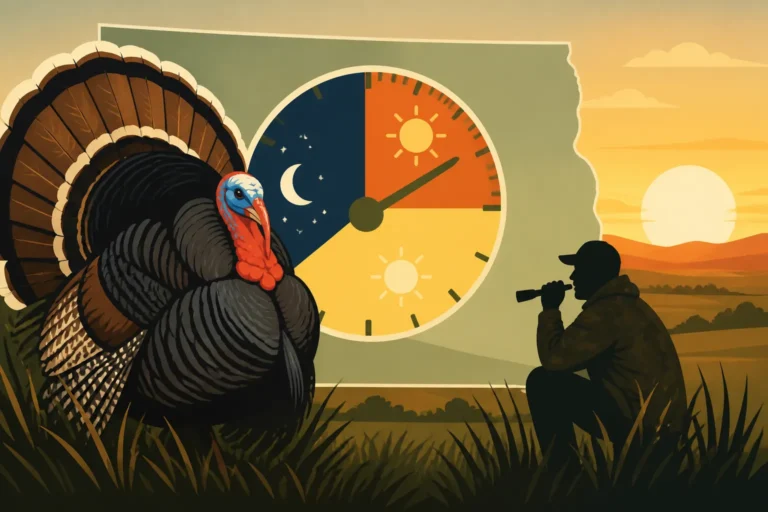
North Dakota Turkey Population Estimate
It can be incredibly frustrating to plan a turkey hunt in North Dakota when you're unsure about the health and density of the wild turkey population. You hear whispers of good years and bad years, but what does that actually mean for your chances in the field? This guide aims to pull back the curtain on how North Dakota's wild turkey populations are estimated, the factors influencing their numbers, and what hunters can expect based on current trends.
Understanding North Dakota's Turkey Population Estimates
When we talk about "turkey population estimates" in North Dakota, it's not a simple head-count like you might do in your backyard. Wildlife agencies employ a variety of methods to gauge the health and size of turkey flocks across the state. These methods are crucial for setting seasons, managing units, and ensuring sustainable hunting opportunities for everyone. It’s a complex dance between biology, data collection, and practical field observations, all designed to give us the best possible picture of these wily birds.
Methods for Estimating Turkey Numbers
One of the primary ways biologists get a handle on turkey numbers is through brood surveys. These aren't about counting every single turkey, but rather observing hens and their poults (young turkeys) during the summer months. Biologists, and often even interested citizens, report sightings of hens with broods, noting the number of poults seen with each hen. This data helps calculate a crucial metric: the average brood size and the percentage of hens observed with poults. A high number of poults per hen, and a good percentage of hens with broods, indicates a successful nesting season and strong recruitment into the fall population. If this number is consistently low, it flags a potential concern for future seasons.
Another method involves harvest data. Each year, hunters are required to report their turkey harvests. While this doesn't tell us how many turkeys are out there, it provides valuable insight into harvest success rates, distribution of harvest across different units, and the overall pressure on the population. By looking at long-term harvest trends, combined with brood data, managers can infer population changes. For example, if harvest numbers are consistently declining despite stable effort, it suggests a shrinking population. Conversely, rising harvest numbers might indicate a growing population or increased hunter success due to favorable conditions. Many hunters find resources like North Dakota Fall Turkey Harvest Numbers helpful in understanding these trends.
The Role of Hunter Observations and Feedback
Beyond scientific surveys, the North Dakota Game and Fish Department also relies heavily on anecdotal observations and feedback from hunters and landowners. Those of us who spend a lot of time in the field, whether scouting or hunting, often have a good "feel" for turkey numbers in specific areas. While not scientifically rigorous, consistent reports from multiple sources about high or low turkey activity can provide valuable supplementary information. This community input often acts as an early warning system, prompting more focused surveys or investigations into particular regions. It truly is a collaborative effort to manage these incredible game birds.
It’s worth noting that tools like the GoHunt platform, or similar online resources, can also help hunters track reported sightings or discuss regional trends among themselves, giving them a more granular understanding of localized populations beyond just statewide averages.
Factors Influencing Wild Turkey Numbers on the Prairie
North Dakota's landscape presents a unique set of challenges and opportunities for wild turkeys. Unlike heavily timbered states, turkeys here thrive in specific habitats, and their populations are highly susceptible to environmental fluctuations. Understanding these factors is key to appreciating why population estimates can swing from year to year.
Weather Extremes and Their Impact
Perhaps the most significant factor affecting wild turkey populations in North Dakota is the weather. Our state is known for its harsh winters and sometimes unpredictable springs and summers.
- Severe Winters: Long periods of deep snow and extreme cold can decimate turkey populations, especially if food sources become scarce. Turkeys need access to roost trees for warmth and safety, and if these are buried or inaccessible, or if snow crusts prevent foraging for waste grain or natural foods, survival rates drop dramatically. A tough winter can set the population back significantly, even if subsequent breeding seasons are good.
- Wet, Cold Springs: The nesting and brood-rearing period is incredibly vulnerable. If spring is unusually cold and wet, it can lead to high poult mortality. Young turkeys are susceptible to hypothermia, and prolonged dampness increases their vulnerability to disease. Hens might also abandon nests if conditions are too harsh. A few consecutive bad springs can have a cumulative negative effect on the overall population. Conversely, a mild winter followed by a warm, dry spring often translates to excellent poult survival and a robust fall turkey population.
Habitat Availability and Quality
Wild turkeys are habitat-specific. In North Dakota, they rely heavily on riparian corridors, shelterbelts, and mature timber pockets for roosting, nesting, and cover.
- Riparian Areas: River and creek bottoms, with their mature deciduous trees, are prime turkey habitat. These areas provide vital roost sites, diverse food sources, and crucial thermal cover during extreme weather. Loss or degradation of these habitats due to agricultural practices, development, or even natural events like severe flooding, directly impacts turkey numbers.
- Shelterbelts and Farmstead Trees: Many turkeys in North Dakota utilize man-made shelterbelts and tree groves around farmsteads. These provide essential cover from predators and harsh weather, especially in the more open prairie regions. As older shelterbelts decline or are removed, it can fragment habitat and reduce carrying capacity for local turkey flocks.
- Food Sources: Turkeys are opportunistic omnivores, feeding on waste grain, seeds, insects, and berries. Access to reliable food sources, particularly during winter, is critical. Agricultural practices can play a double-edged role: waste grain provides winter sustenance, but intensive farming might reduce natural forage or nesting cover.
Hunters often seek out these key habitat features, especially in public areas. Knowing where to look for quality habitat can make or break a hunt. Hunting a Shelterbelt Edge for Deer and Hunting a Standing Corn Field for Late-Season Geese offer insights into how agricultural landscapes can be critical for various game species, including turkeys.
Historical Trends and Current Challenges for North Dakota Turkeys
North Dakota’s wild turkey story is one of successful restoration, followed by the ongoing challenges of managing a population in a landscape that's constantly changing. Understanding this journey helps us appreciate the efforts to maintain healthy turkey numbers for future generations of hunters.
A Success Story: Restoration Efforts
It's easy to forget that wild turkeys weren't always widespread in North Dakota. Historical records indicate they were once native to some southeastern river bottoms, but widespread habitat loss and unregulated hunting led to their extirpation by the early 20th century. The successful reintroduction and expansion of wild turkeys throughout the state is a true testament to dedicated conservation efforts. Beginning in the 1950s, wild-trapped turkeys from other states were released into suitable habitats, primarily along major river systems. These initial stockings were incredibly successful, and the birds thrived, expanding their range into many areas that now hold huntable populations. This historical context is fascinating and can be explored further in How Turkeys Were Restored to North Dakota.
The table below illustrates some of the key periods in North Dakota's turkey management.
| Period | Focus / Trend | Impact on Population |
|---|---|---|
| Pre-1950s | Native population extirpated | Zero or near-zero wild turkeys across the state. |
| 1950s-1970s | Reintroduction & Initial Expansion | Rapid population growth in suitable habitats. |
| 1980s-Early 2000s | Stable Growth & Range Expansion | Strong, healthy populations, increased hunting opportunities. |
| 2000s-Present | Fluctuating Numbers, Habitat Pressures | More variable populations, sensitive to environmental factors. |
Current Challenges and Fluctuations
While the restoration was a triumph, maintaining healthy turkey populations is an ongoing battle. North Dakota has seen its share of ups and downs in recent decades. Severe winters, like those experienced in some past years, have shown how quickly a robust population can be reduced. Habitat fragmentation, particularly the loss of mature trees and shelterbelts, continues to be a long-term concern.
Another emerging challenge, though not directly impacting population numbers in the same way, is disease. While CWD is a major concern for deer, other diseases can affect turkeys. Monitoring the health of wild flocks is a constant effort by wildlife agencies.
Despite these challenges, North Dakota generally maintains a resilient wild turkey population. The birds have proven adaptable, and with continued sound management and habitat preservation efforts, they will hopefully continue to offer exciting hunting opportunities. You can often find detailed reports on these trends through the state's wildlife department resources or through services like GoHunt that aggregate wildlife data.
What Current Estimates Mean for Your Hunt
Understanding the current turkey population estimates isn't just academic; it directly influences your hunting strategy and expectations. Knowing whether numbers are up or down in your target area can help you plan your approach, from scouting to calling tactics.
Planning Your Hunt Based on Population Data
When population estimates indicate a healthy, growing turkey population, it often translates to more widespread birds, potentially higher success rates, and perhaps even more liberal tag allocations in some units. This might mean you can afford to cover more ground, be a little less precise with your scouting, and expect more consistent gobbling activity. It's a great time to be in the woods, and these are the years that often lead to stories of multiple birds working in. You might even find it easier to Call a Fall Gobbler Flock when numbers are high.
Conversely, if estimates show a downturn, perhaps due to a tough winter or poor nesting season, it's time to adjust your expectations and strategy. You might need to focus on smaller, more concentrated pockets of habitat, intensify your scouting efforts, and be prepared for fewer vocal birds. These are the years when persistence and careful observation truly pay off. This detailed information can be vital when applying for North Dakota Fall Turkey License Availability or planning a trip to areas like the Standing Rock Nation for their unique turkey opportunities, as covered in Hunting the Standing Rock Fall Turkey Option.
Regional Variations in Turkey Density
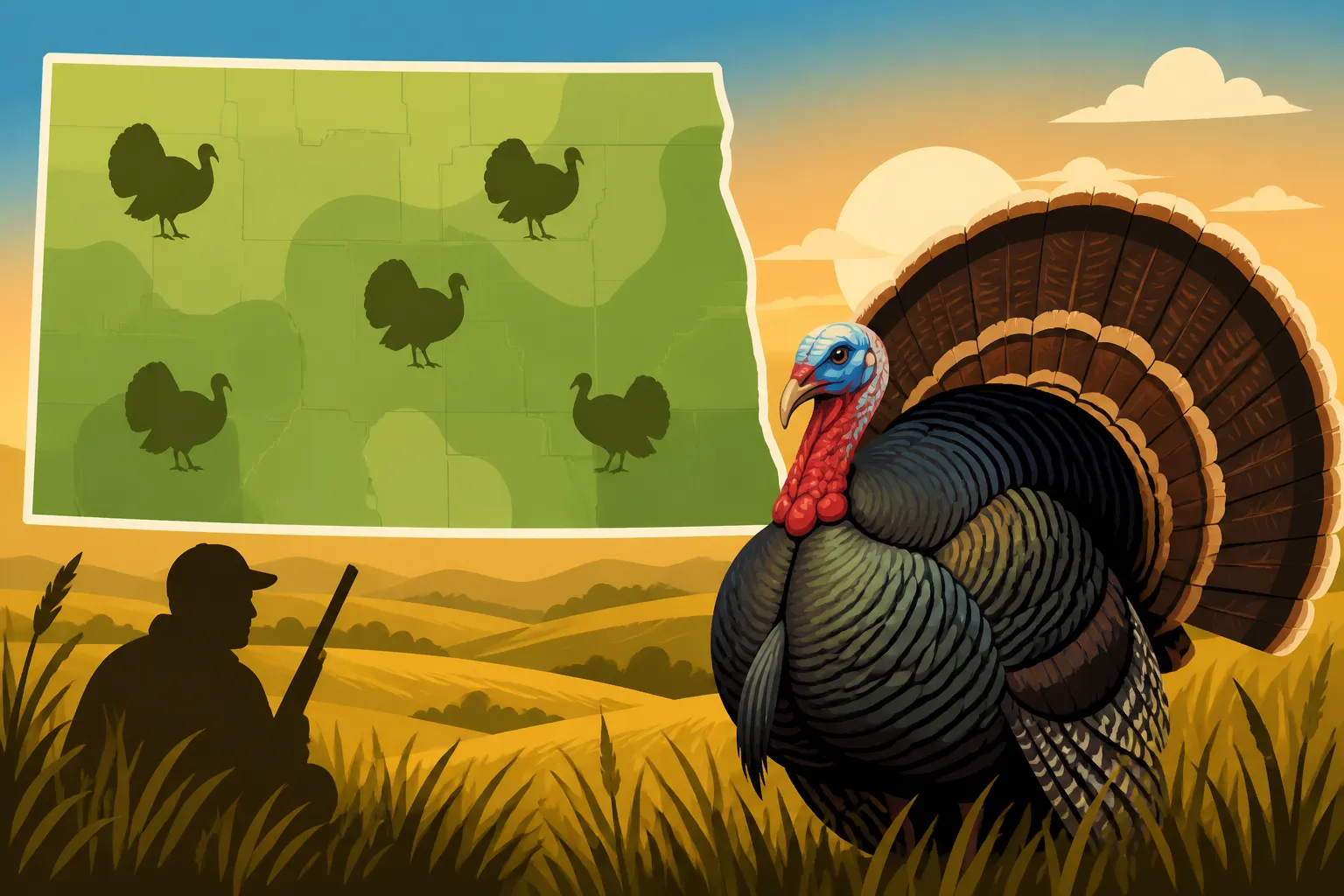
It’s crucial to remember that statewide population estimates are just that – statewide. Turkey populations are not uniform across North Dakota. Some regions consistently hold higher densities of birds due to superior habitat, while others might have smaller, more isolated flocks.
For example, the Missouri River corridor and its tributaries, with their extensive timber and diverse food sources, are often prime turkey country and typically boast strong populations. Similarly, areas like the Turtle Mountains or the eastern river valleys can hold good numbers. In contrast, vast stretches of open prairie, with limited tree cover, will naturally support fewer turkeys. Understanding these regional differences is vital. Hunters should always check unit-specific forecasts or reports to get the most accurate picture for their chosen hunting grounds. GoHunt, for instance, often provides detailed unit-by-unit breakdowns for various species, helping you pinpoint the best areas to focus your efforts. Knowing Where North Dakota Turkeys Are Densest can drastically improve your odds.
| North Dakota Region | Typical Turkey Density | Key Habitat Features | Hunting Implications |
|---|---|---|---|
| Missouri River Corridor | High | Mature riparian timber, agricultural fields | Excellent opportunity, potentially higher pressure |
| Eastern River Valleys | Moderate to High | Scattered timber, small woodlots, farmsteads | Good opportunity, mix of private and public land |
| Turtle Mountains | Moderate | Mixed forest, small lakes, diverse forage | Unique timber hunting experience |
| Western Badlands | Low to Moderate | Scattered ponderosa pine, juniper, coulees | Challenging but rewarding, often isolated pockets |
| Open Prairie Regions | Low (localized) | Shelterbelts, farmsteads, isolated creek bottoms | Highly localized, intense scouting required |
Ultimately, North Dakota's wild turkeys are a valuable resource for hunters. By staying informed about population trends, understanding the factors that influence their numbers, and adapting your hunting strategies accordingly, you can enjoy successful and rewarding hunts in the beautiful North Dakota landscape.
Disclaimer
This article is for general informational purposes only and does not constitute professional advice. Laws, prices and regulations vary by location and change over time. Consult a qualified professional for guidance on your specific situation.