North Dakota Fall Turkey Harvest Numbers
There's a unique satisfaction that comes with chasing wild turkeys in the crisp autumn air of North Dakota. It's not the same strutting, gobbling frenzy of spring; fall turkey hunting is a game of patience, stealth, and understanding flock dynamics. But often, when we look at the official North Dakota fall turkey harvest numbers, it can feel a bit like trying to read tea leaves – what do they really tell us about the health of the flock, the hunting prospects, or where we should focus our efforts? This comprehensive guide aims to peel back the layers of those numbers, giving you a clearer picture of North Dakota's fall turkey success, the elements influencing it, and what it means for your next hunt.
The Landscape of Fall Turkey Hunting in North Dakota
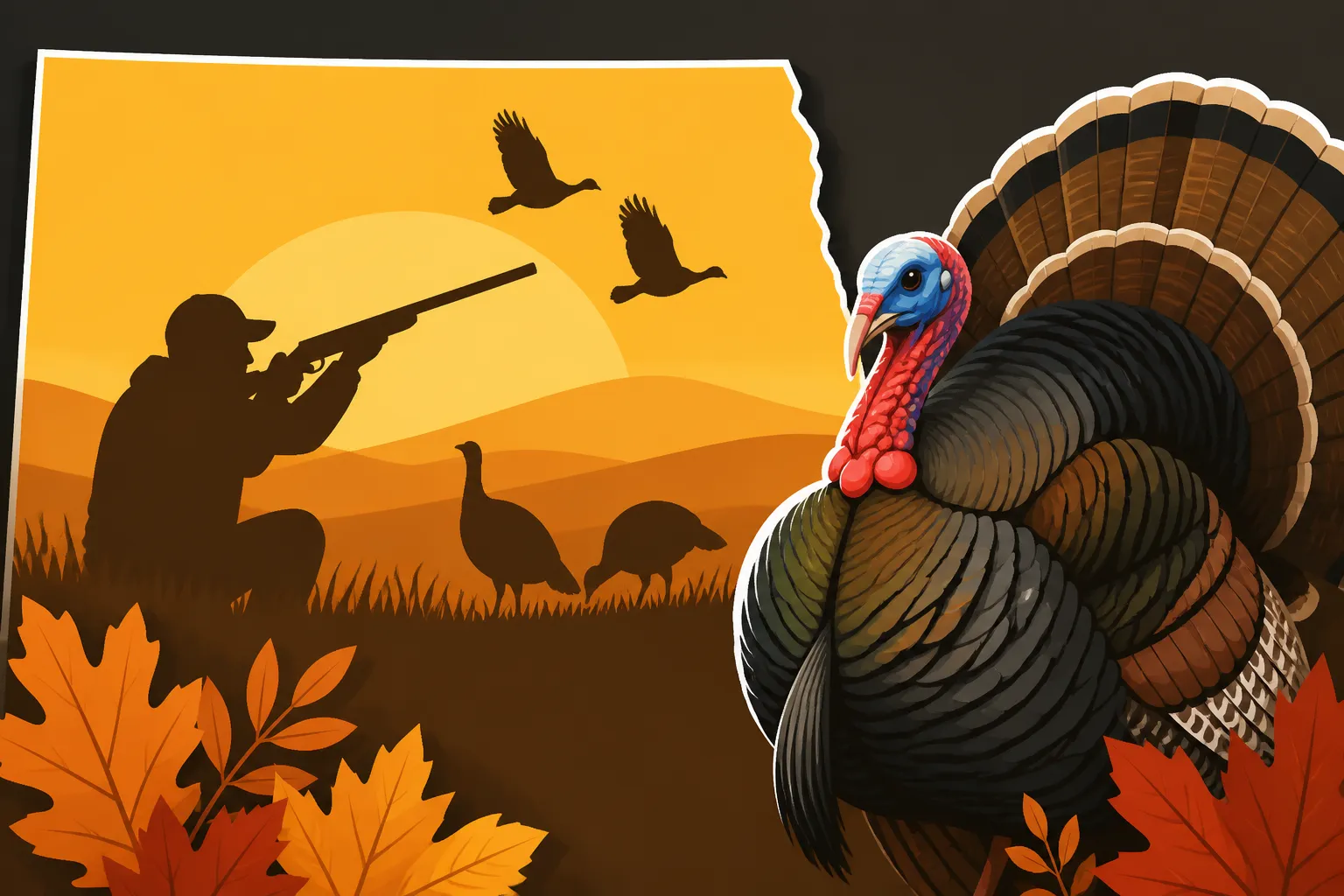
Fall turkey hunting in North Dakota offers a vastly different experience than its spring counterpart. Gone are the booming gobblers trying to impress hens; instead, you're often targeting scattered flocks, trying to call them back together, or spotting them feeding in fields. This change in behavior directly impacts how and where turkeys are harvested, and subsequently, the overall harvest numbers reported each year. It's a challenging but incredibly rewarding pursuit, providing opportunities well into the colder months.
Distinct Challenges and Rewards
One of the biggest differences in fall turkey hunting is the focus on locating and breaking up a flock. Once scattered, the natural instinct of turkeys is to re-group, and that's when your calling skills come into play. A keen ear for yelps, clucks, and lost calls can draw birds back into range, often offering multiple shot opportunities if you're quick and quiet. The rewards extend beyond the bird itself; it's about spending time in North Dakota's diverse fall landscapes, from river bottoms to brushy draws and harvested fields. You might be working a shelterbelt edge for deer, only to stumble upon a flock of turkeys and realize you've got a fall tag in your pocket. The sheer variety of terrain where you can find fall turkeys, compared to specific spring strutting zones, adds another layer to the adventure.
However, these opportunities come with their own set of challenges. Unlike spring, where a loud gobble can pinpoint a bird from a mile away, fall turkeys are typically quieter, their movements dictated more by food sources and flock cohesion. This means more scouting, more walking, and a greater reliance on visual spotting and subtle calling. Furthermore, fall weather in North Dakota can be notoriously unpredictable, ranging from mild, sunny days to early snowfalls, which can impact bird movement and hunter effort. Understanding these nuances is crucial for success and ultimately, plays into the annual harvest totals.
Regulatory Framework for Fall Turkey
The North Dakota Game and Fish Department (NDGFD) manages turkey seasons with specific regulations for fall hunting that differ from spring. Typically, fall licenses are available as individual tags, often allowing for "any turkey" – meaning you can harvest either a gobbler or a hen. This flexibility is a key aspect of fall hunting, as sex determination isn't always as critical as it is in the spring season when hunters often target mature Toms. You'll want to review the current North Dakota Fall Turkey Season Rules each year, as unit boundaries and tag allocations can shift based on population assessments.
The availability of these tags can fluctuate, influencing the total number of hunters in the field and thus the potential harvest. For instance, some units might have ample North Dakota Fall Turkey License Availability, while others, especially those with smaller or more isolated populations, might have fewer. This allocation strategy is designed to balance hunting opportunity with sustainable management of the turkey resource. Hunters might also find options for Hunting the Standing Rock Fall Turkey Option, which operates under separate tribal regulations and can offer additional opportunities. These various regulatory avenues all contribute to the overall picture of the annual harvest.
Understanding the Factors That Drive Harvest Numbers
Fall turkey harvest numbers aren't just random figures; they're a complex reflection of several interacting factors. Everything from the preceding breeding season to the winter survival rates, habitat conditions, and even hunter enthusiasm can play a significant role in how many birds are ultimately taken. Ignoring these underlying dynamics is like reading a book by only looking at the last page – you miss the whole story.
Population Health and Recruitment
The most fundamental driver of harvest numbers is, of course, the health and size of the turkey population itself. A robust population with high recruitment – meaning a good number of poults successfully hatched and surviving to hunting age – will naturally offer more birds for hunters. Conversely, a poor breeding year or low poult survival due to harsh spring weather or predation can lead to fewer birds on the landscape come fall, even if habitat conditions are otherwise favorable. The NDGFD conducts surveys, including brood counts, to estimate North Dakota Turkey Population Trends, which directly inform their license allocations and season structures.
Factors like drought, excessive rainfall during nesting season, or severe hailstorms can decimate poult numbers. Conversely, mild winters can lead to higher adult turkey survival, especially in areas with good food sources, bolstering the breeding population for the following spring. It’s a delicate balance, and Mother Nature always has the final say. When you see a dip or a rise in the harvest, often the first thing to consider is what the past year's weather patterns were like for turkeys from nesting through early fall.
Habitat Conditions and Food Availability
North Dakota's landscape is diverse, offering various habitats for turkeys, from timbered river bottoms and shelterbelts to brushy draws and agricultural fields. The quality and availability of these habitats, particularly food sources, profoundly impact where turkeys concentrate and how accessible they are to hunters. In the fall, turkeys are often focused on foraging, seeking out waste grain in harvested fields, acorns, wild berries, and other mast crops.
A good mast crop year, for example, can mean birds are more dispersed, as food is abundant everywhere. On the other hand, if natural food sources are scarce, turkeys might concentrate more heavily in specific areas, such as standing corn or unharvested sunflower fields, making them more predictable for hunters. Hunting Standing Corn for Late-Season Geese or deer also applies to turkeys, as these fields provide both food and cover. Changes in agricultural practices, like earlier harvests or shifts in crop types, can also alter turkey behavior and influence harvest success. Access to these food sources on both public and private lands plays a critical role. For instance, areas rich in PLOTS (Private Land Open To Sportsmen) access with diverse habitat often see consistent turkey activity.
Decoding North Dakota's Fall Turkey Harvest Data
Looking at the raw numbers can be informative, but truly understanding North Dakota's fall turkey harvest data requires a bit of interpretation. These statistics are not just about how many birds were taken; they also provide insights into hunter effort, success rates, and population distribution. Learning to "read" these reports can give you an edge in planning your next Fall Turkey Hunting in North Dakota adventure.
Interpreting Official Harvest Reports
The North Dakota Game and Fish Department compiles annual harvest reports that include data on total harvest, hunter numbers, and success rates, often broken down by unit. When reviewing these, it's essential to look beyond just the total number of birds. Consider the hunter success rate – the percentage of hunters who successfully harvested a bird. A high success rate might indicate a healthy population, effective hunting methods, or concentrated bird numbers. Conversely, a low success rate could point to dispersed birds, a smaller population, or challenging conditions.
Another critical piece of information is the number of licenses issued compared to the number of birds harvested. If many licenses are issued but the harvest remains stagnant or drops, it might suggest that the birds are harder to find or that fewer hunters are actually taking to the field despite having a tag. Keep in mind that not every license holder goes hunting, and not every hunter reports their harvest. The NDGFD relies on hunters to meet North Dakota Turkey Checking Requirements, often through an online portal or app, which can sometimes lead to slight underreporting.
| Year | Licenses Issued (Approx.) | Total Fall Harvest (Approx.) | Hunter Success Rate (Approx.) | Most Productive Units (Example) |
|---|---|---|---|---|
| Year 1 | 6,500 | 2,800 | 43% | 01, 04, 08 |
| Year 2 | 6,200 | 2,450 | 39% | 01, 04, 10 |
| Year 3 | 6,800 | 3,100 | 46% | 01, 08, 13 |
| Year 4 | 5,900 | 2,100 | 35% | 04, 10, 13 |
| Year 5 | 6,100 | 2,650 | 43% | 01, 08, 13 |
Note: The numbers in this table are illustrative examples for understanding data interpretation and do not represent actual historical data.
When looking at data like this, you can start to identify trends. For example, if a particular unit consistently appears among the "Most Productive Units," it suggests a stable turkey population in that area. Or, if the success rate fluctuates widely, you might correlate that with known challenging weather years or significant habitat changes. Tools like GoHunt can help you visualize this data over time, offering a more dynamic understanding of trends.
Hunter Effort and Methodology
Harvest numbers are also intrinsically linked to hunter effort. If fewer hunters pursue turkeys in the fall, or if those who do hunt less frequently, the total harvest can decline even if the population is strong. Factors like competing hunting seasons (deer gun season, for example), economic conditions, or even just general hunter interest can influence how many people are out there chasing turkeys. For nonresidents, early season restrictions can limit opportunity, especially on public lands, further influencing the overall numbers.
The hunting methods employed also play a role. Fall turkey hunting often involves more walking and covering ground, trying to locate flocks. Hunters might use calling tactics like those described in Calling a Fall Gobbler Flock to draw scattered birds in, or they might prefer to spot and stalk. Some might even focus on Roosting a Fall Gobbler the Night Before to get an early start. The effectiveness of these methods, coupled with individual hunter skill and perseverance, contributes to the overall harvest success. A growing trend in hunter education and access to scouting tools like GoHunt can also subtly improve hunter success, leading to higher harvest numbers in areas with good populations.
Regional Insights into North Dakota's Fall Turkey Success
North Dakota is a big state, and turkey populations, habitat, and hunting pressure aren't uniform across its vast landscape. Understanding these regional differences is key to predicting where you might have the best chance of filling your tag and why certain areas show higher North Dakota Fall Turkey Harvest Numbers than others.
Key Turkey-Producing Regions
North Dakota's wild turkeys are not found everywhere with equal density. While they have expanded their range significantly over the years, certain regions consistently hold higher concentrations of birds. Generally, the more timbered river corridors, such as the Missouri River and its tributaries, the Sheyenne River, and the James River, tend to be strongholds for turkey populations. These areas provide crucial roosting cover, winter food, and nesting habitat. Similarly, areas with extensive shelterbelts and woody draws, particularly in the western and central parts of the state, also support good numbers of turkeys. If you're looking for Where North Dakota Turkeys Are Densest, these are the places to start.
For example, units along the Missouri River often see high harvest numbers due to both good bird populations and hunter access to a mix of river bottom timber and adjacent agricultural lands. The Pembina Hills region in the northeast, with its unique deciduous forest, also supports a distinct turkey population. Hunters who focus their efforts in these historically productive areas often experience higher success rates, contributing significantly to the statewide harvest totals. When considering where to apply for North Dakota Fall Turkey License Availability, knowing these regional hotspots can guide your decision.
Factors Affecting Regional Harvest Variation
Several regional factors contribute to the variation in fall turkey harvest numbers across North Dakota. Climate, for one, plays a significant role. Regions that experience more severe winters with prolonged deep snow can see higher winter mortality for turkeys, impacting the following fall's population. Conversely, milder winters can help bolster local turkey numbers. Habitat changes also factor in; for instance, areas experiencing significant timber clearing or changes in agricultural practices might see corresponding shifts in turkey distribution and harvest.
Hunting pressure is another major variable. Units closer to population centers or those with extensive public access, like portions of the Little Missouri National Grassland, might experience higher hunter numbers, potentially spreading the harvest more thinly or making birds warier. Meanwhile, more remote units, or those with predominantly private land where permission can be harder to secure, might see lower overall harvest numbers despite healthy turkey populations. The North Dakota Fall Turkey Season Closing Date can also vary slightly by unit or overall season length, influencing the total harvest window. Ultimately, understanding these localized conditions, perhaps by cross-referencing harvest reports with detailed maps from services like GoHunt, allows hunters to make more informed decisions and appreciate the complex ecology behind those annual numbers.
Disclaimer
This article is for general informational purposes only and does not constitute professional advice. Laws, prices and regulations vary by location and change over time. Consult a qualified professional for guidance on your specific situation.