North Dakota Coyote Diet in Farm Country
Anyone who lives, works, or hunts in North Dakota's vast farm country knows the coyote is a constant presence. These incredibly adaptable canids are masters of survival, often seen darting across fields or heard howling under a prairie moon. But what exactly are they eating to thrive in such an agricultural landscape? It’s a question that plagues farmers and fascinates hunters, as understanding a coyote's diet is key to both managing their populations and predicting their movements. This guide will delve deep into the diverse and often surprising menu of North Dakota's farm country coyotes, exploring how their dietary choices are shaped by season, opportunity, and the very landscape they call home.
The Opportunistic Hunter: Understanding Coyote Survival Strategy
Coyotes are the ultimate generalists, a trait that has allowed them to colonize nearly every corner of North America, including the sprawling farm fields and scattered woodlands of North Dakota. Unlike highly specialized predators, a coyote doesn't rely on one or two specific prey species. Instead, it's a creature of opportunity, constantly adjusting its menu based on what's most abundant and easiest to acquire. This adaptability is precisely why they persist and often flourish in areas heavily altered by human activity.
The Farm Country Buffet: Why Coyotes Thrive Here
North Dakota's farm country, with its mosaic of cultivated fields, CRP grass, shelterbelts, and sloughs, provides an incredibly rich and varied food source for coyotes. Far from being a desolate landscape, these areas offer a smorgasbord of small mammals, birds, insects, and even plant matter. The very nature of farming, with its cycles of planting, growing, and harvesting, inadvertently creates prime habitat for many of a coyote's preferred prey species.
Consider a section of land near Bismarck or Fargo. You might have a vast cornfield adjacent to a patch of unharvested sunflowers, bordering a slough with cattails and then a thick shelterbelt. Each of these microhabitats is teeming with life, providing both food and cover. The cornfield, for instance, offers protection and food for mice, voles, and rabbits, while the slough might hold nesting ducks and their eggs. The sheer density and variety of these resources create an irresistible hunting ground for a hungry coyote. It's a land of plenty, even if it looks like orderly rows to us.
Seasonal Shifts: Adapting to Availability
A coyote's diet in North Dakota is far from static; it’s a dynamic menu that shifts dramatically with the changing seasons. What's readily available in the lush growth of summer is a stark contrast to what can be found under a blanket of deep prairie snow in winter. Understanding these seasonal adjustments is crucial for appreciating the coyote's resilience and resourcefulness. For instance, knowing where their primary food sources will be helps a hunter or land manager anticipate coyote presence. Scouting tools, perhaps with habitat layers like those found on GoHunt, can illuminate these seasonal shifts in prey availability and concentration.
In the spring, when pups are born, the focus turns to easy-to-catch young animals and readily available protein from bird nests. Summer brings an abundance of insects and ripening fruits, offering quick energy. Fall is a time of feasting, as small mammal populations peak and deer hunting season provides a bounty of gut piles. Winter, however, demands the toughest survival skills, often forcing coyotes to rely heavily on carrion or to take bigger risks with livestock when natural prey is scarce. This constant adaptation is a testament to their incredible ability to survive.
Primary Food Sources: What Fills a Coyote's Belly
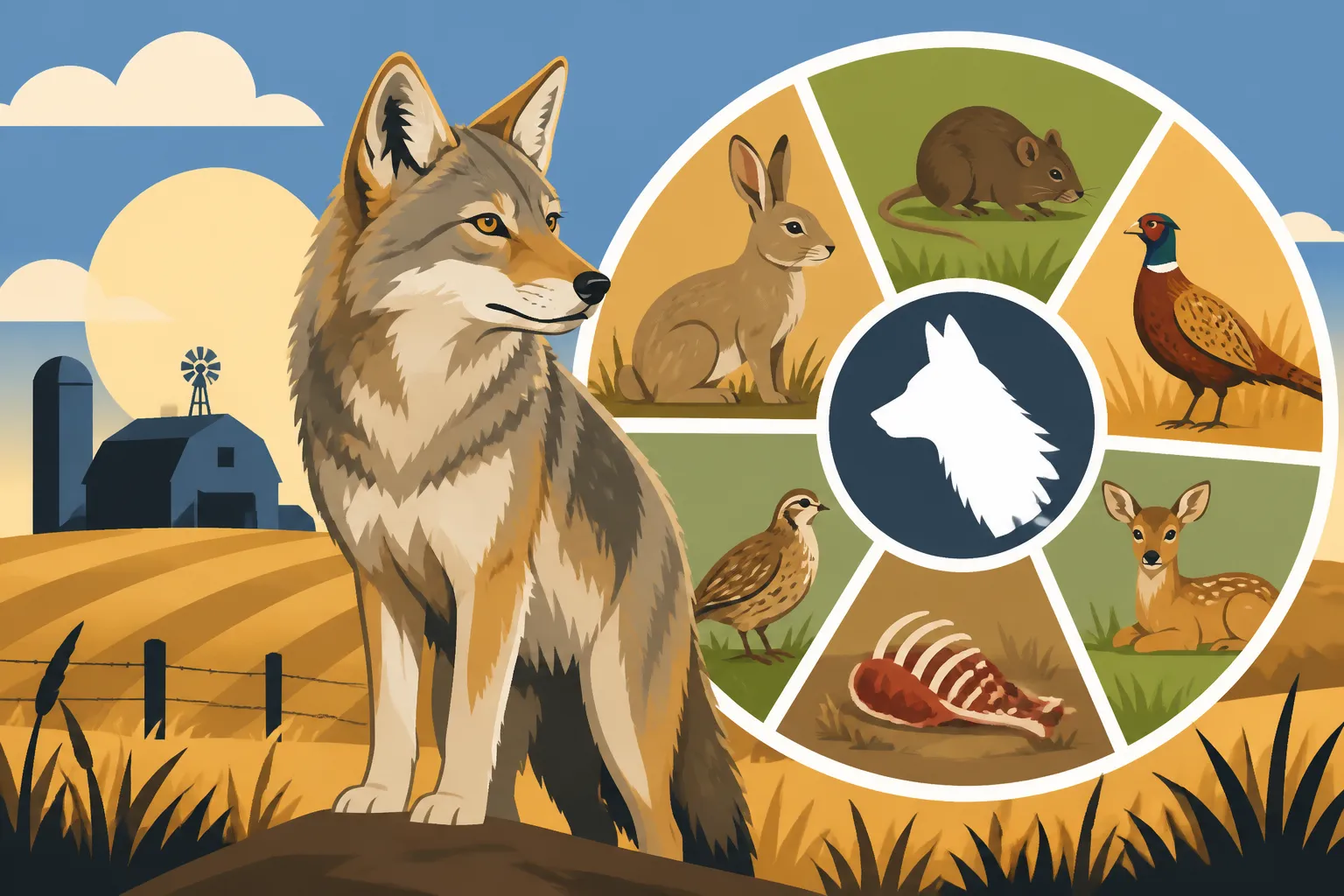
While coyotes are known for their varied diet, certain food categories form the backbone of their sustenance in North Dakota's farm country. These are the reliable staples that they actively hunt and consume most frequently.
Small Mammals: The Staple Diet
If there's one constant in a North Dakota coyote's diet, it's small mammals. These furry creatures are the bread and butter, providing consistent calories and protein throughout the year. Voles, mice, shrews, ground squirrels, and rabbits are always on the menu, and coyotes are incredibly adept at finding and catching them. In a large field near Valley City, you might see a coyote "mousing," jumping high into the air and pouncing nose-first to break through the snow and grab a scurrying vole.
Rabbits, particularly cottontails, are also a significant food source, especially for larger, more substantial meals. They frequent the edges of fields, shelterbelts, and brushy draws—exactly the places coyotes patrol. During the denning season, bringing back a consistent supply of small mammals is critical for feeding hungry pups. This constant pursuit of rodents and lagomorphs also means that coyotes play a vital, albeit often overlooked, role in controlling populations of these common farm pests, preventing them from overwhelming crops or damaging infrastructure.
Birds and Eggs: An Accessible Protein Boost
North Dakota is renowned for its incredible bird populations, especially waterfowl and upland game birds, and coyotes certainly take advantage of this bounty. Ground-nesting birds like pheasants, sharptail grouse, and Hungarian partridge, along with the numerous species of ducks and geese nesting in prairie potholes, are all vulnerable. Coyotes will actively seek out nests, especially in the spring and early summer, to snatch eggs or vulnerable chicks.
Imagine a hen pheasant nesting in a thick patch of CRP grass. A coyote scent-trailing along the edge of the field could easily locate the nest, providing a quick, high-protein meal. While adult birds are harder to catch, sick, injured, or inexperienced young birds can fall prey. Furthermore, coyotes are not above scavenging. They'll readily consume dead birds, whether they succumbed to illness, injury, or were victims of other predators, ensuring no energy goes to waste.
Insects and Plant Matter: The Lesser-Known Fillers
While most people envision coyotes as pure carnivores, their diet surprisingly includes a significant amount of insects and plant matter, especially during certain times of the year or when other food sources are scarce. This again highlights their incredible adaptability. Grasshoppers, crickets, and beetles can make up a noticeable portion of a coyote's stomach contents in late summer and early fall, offering an easy, low-energy protein source.
Beyond insects, coyotes will consume various fruits, berries, and even cultivated crops. Wild plums, chokecherries, and buffaloberries found in shelterbelts and riparian areas are eagerly eaten when ripe. Farmers often find coyotes in fields of sweet corn, watermelons, or even sunflower fields, not always hunting, but sometimes simply foraging for the plants themselves. These plant-based foods act as important supplemental energy sources, particularly for younger coyotes or during periods of food scarcity, demonstrating that a coyote isn't just a hunter, but a resourceful gatherer when needed.
Secondary and Supplemental Foods: When Opportunity Knocks
Beyond their primary staples, coyotes in North Dakota's farm country are expert opportunists, readily consuming whatever other food sources present themselves. This flexibility allows them to weather lean times and capitalize on unexpected windfalls.
Scavenging and Carrion: The Easy Meal
One of the most significant supplemental food sources for coyotes, especially during the harsh North Dakota winters, is carrion. Deer carcasses, whether from roadkill, winter kills, or animals that succumb to EHD outbreaks, are eagerly sought out. During hunting seasons, deer gut piles left by hunters become veritable feasts, providing a massive caloric boost for coyotes and other scavengers. A single gut pile can sustain a coyote pack for days.
Livestock carcasses, unfortunately, also provide an easy meal. While coyotes are often blamed for killing livestock, much of their consumption is actually scavenging animals that died from other causes, such as disease, birthing complications, or weather exposure. They are nature's clean-up crew, removing dead animals from the landscape. Tools like those found on GoHunt can even help hunters and land managers identify areas where winter deer kill might be concentrated, giving insight into potential coyote feeding grounds during the colder months.
Livestock Predation: A Farmer's Concern
While coyotes primarily subsist on wild prey and carrion, the reality is that they do, on occasion, prey on livestock. This is a significant concern for farmers and ranchers across North Dakota, from the rolling plains near Dickinson to the mixed farming operations along the Missouri River. Lambs, calves, and poultry are the most vulnerable. It's often an opportunistic act, occurring when primary prey populations are low, or when livestock are easily accessible and unprotected.
A weak or sick calf separated from its mother, a flock of chickens left out overnight, or lambs grazing in an unsecured pasture can become targets. This doesn't mean every coyote is a livestock killer, but rather that a select few, or even transient individuals, will exploit these vulnerabilities when presented. Understanding the diet of coyotes helps to inform management strategies aimed at reducing these conflicts, focusing on prevention rather than simply eradication.
Human-Associated Foods: Unintended Consequences
As humans expand their footprint in rural areas, coyotes, being incredibly intelligent and adaptable, learn to exploit human-associated food sources. This can include raiding garbage cans, scavenging discarded food, or even eating pet food left outside. While not a primary diet component across the entire farm country, it becomes more common near rural residences, small towns, and outlying farmsteads.
When coyotes become habituated to these easy food sources, they can become bolder and less wary of humans, sometimes leading to conflicts. A coyote that regularly finds discarded food near a farmyard might become more comfortable venturing closer to barns and corrals, potentially increasing the risk of livestock depredation. Managing these unintended food subsidies is an important step in maintaining a healthy distance between coyotes and human activity. For example, securing garbage and not leaving pet food out can discourage coyotes from frequenting certain areas.
Impact on the Ecosystem and Management Implications
The diverse diet of the North Dakota coyote has wide-ranging impacts on the farm country ecosystem, influencing prey populations and interacting with other species. Understanding these dynamics is essential for effective wildlife management.
Balancing Predator and Prey: The Ecological Role
Coyotes, through their varied diet, play a crucial role in maintaining ecological balance. By preying on small mammals, they help control rodent populations that can damage crops and spread disease. This natural pest control is a valuable service to the agricultural community, even if it often goes unnoticed. Furthermore, their scavenging habits prevent the spread of disease by cleaning up carrion, an important function in the ecosystem.
However, their diet also means they can impact game bird populations, particularly through nest predation. This dual role often places them at the center of conservation discussions. While a coyote eating a pheasant egg is a natural act, understanding the extent of this predation helps game managers evaluate bird population trends and set appropriate hunting seasons. North Dakota Pheasant and Upland Season Rules are often influenced by such factors. Ultimately, coyotes are an integral part of the prairie food web, connecting various trophic levels through their omnivorous diet.
Monitoring and Mitigating Conflicts
Given their complex diet and interaction with both wild and domestic animals, managing coyotes in North Dakota's farm country often involves a blend of monitoring and mitigation strategies. Wildlife biologists regularly analyze coyote scat and examine stomach contents from harvested animals to get a clearer picture of their diet in specific areas. Observing den sites and tracking movements (which can sometimes be done using advanced GPS collars in research studies) also provides invaluable data on their feeding patterns.
For landowners, mitigating potential conflicts primarily revolves around deterring coyotes from livestock. This can include using guardian animals, improving fencing, securing poultry at night, and removing attractants like pet food and carrion. Understanding that coyotes are largely opportunistic, these strategies aim to make livestock a less appealing or accessible food source. Hunters, too, benefit from understanding coyote diet. Knowing what they're likely to be eating can inform calling strategies when pursuing Coyote Calling North Dakota Farm Country, making a hunt more effective.
Seasonal Diet Breakdown Table
To further illustrate the dynamic nature of a North Dakota coyote's diet, here's a general breakdown of their primary food categories by season:
| Season | Primary Diet Focus | Key Food Items | Supplemental / Opportunistic |
|---|---|---|---|
| Spring | Vulnerable Young, Nesting Birds | Vole, mouse, rabbit kits, bird eggs, young birds | Deer fawns, weak calves, small carrion, emerging insects |
| Summer | Abundant Small Mammals, Insects, Ripening Fruits | Voles, mice, ground squirrels, grasshoppers, crickets, wild berries, garden produce | Bird chicks, adult rabbits, some carrion (roadkill) |
| Fall | Peak Small Mammal Populations, Hunting Season | Voles, mice, rabbits, ground squirrels, deer gut piles, corn, sunflowers, ripening fruits | Weakened birds, larger carrion, poultry if accessible |
| Winter | Scavenging Carrion, Persistent Small Mammals | Deer carcasses (roadkill, winter kill), voles and mice under snow, rabbits | Livestock (opportunistic predation on vulnerable animals), stored hay/grain for rodents |
Understanding the precise dietary needs and preferences of North Dakota coyotes is a continuous effort, but it's clear they are survivors. Their ability to switch from mousing in a snow-covered field to scavenging a deer carcass, or even sampling wild berries, demonstrates why they remain such a ubiquitous and impactful species in our farm country. Hunters seeking to understand predator behavior, or landowners looking to protect their assets, can all benefit from appreciating the intricate details of what makes a coyote tick—and what fills its stomach.
Disclaimer
This article is for general informational purposes only and does not constitute professional advice. Laws, prices and regulations vary by location and change over time. Consult a qualified professional for guidance on your specific situation.