North Dakota Elk Herd Population Estimate
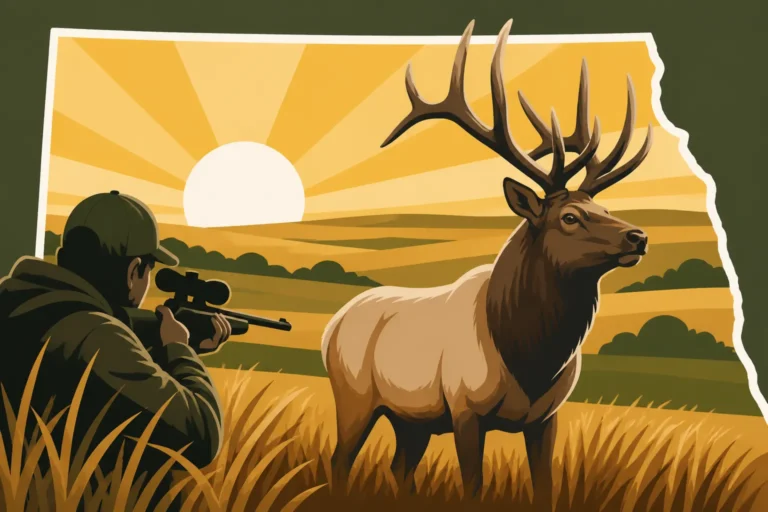
The dream of chasing a majestic elk across North Dakota’s rugged Badlands is a powerful one, but for many, the sheer rarity of drawing a tag makes it feel almost unattainable. It's a journey that starts not with boots on the ground, but with understanding the numbers – specifically, how many of these incredible animals actually roam our prairies and river breaks. This guide dives deep into the North Dakota elk herd, breaking down how their population is estimated, what those numbers truly mean for hunters, and the intricate factors that shape their future.
Understanding the North Dakota Elk Herd
North Dakota might not be the first state that comes to mind when you think of elk hunting, but for those lucky enough to draw a tag, it’s an experience like no other. Our elk herds are unique, a testament to conservation efforts, and navigating their status requires a good grasp of their history and current distribution.
A Brief History of Elk in North Dakota
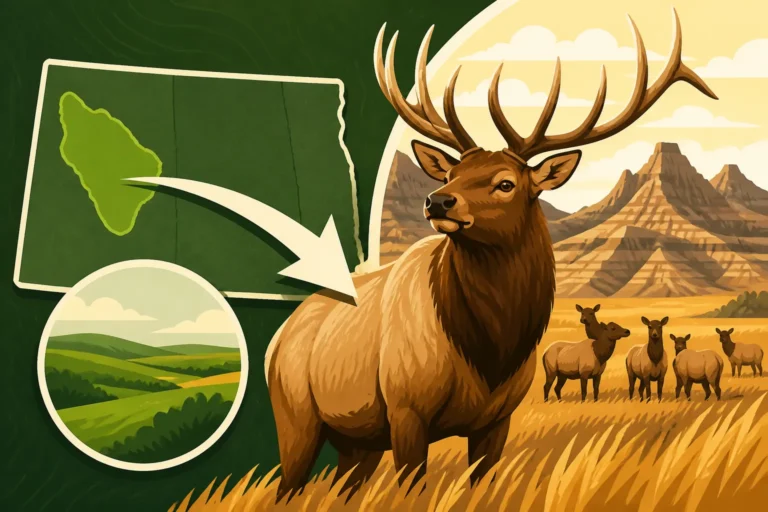
It’s easy to forget, amidst the occasional sighting, that elk were once completely extirpated from North Dakota. They were native to the state, roaming in significant numbers before market hunting and agricultural expansion pushed them out entirely by the early 1900s. It wasn't until the 1970s that the North Dakota Game and Fish Department (NDGFD) began efforts to reintroduce them. Initial reintroductions primarily focused on the rugged Little Missouri Badlands in the western part of the state, where the terrain offered natural cover and limited human disturbance. These foundational efforts, coupled with strong management, have allowed a resilient population to gradually establish itself and even expand into other scattered pockets across the state, such as the Pembina Hills and Turtle Mountains. It’s a true comeback story, making every elk encountered a special sight. For those curious about the journey, the story of How Elk Returned to the Badlands is fascinating.
Where North Dakota's Elk Call Home
While you might hear of elk sightings in various corners of North Dakota, the core of the state's huntable population, and certainly the most well-known, resides within the dramatic landscapes of the Little Missouri Badlands. This region, characterized by its deep coulees, rugged buttes, and vast expanses of grass and timber, provides ideal habitat for elk. The broken terrain offers excellent cover, ample forage from various grasses and forbs, and numerous water sources.
Beyond the Badlands, smaller, more isolated herds can be found in a few other regions. The Pembina Hills, located in the northeastern part of the state, supports a separate, albeit smaller, elk population, often found in the heavily wooded river breaks and agricultural edges. Similarly, the Turtle Mountains in north-central North Dakota host a very limited number of elk, often staying within dense timber pockets. These populations are typically managed very conservatively due to their size and more constrained habitats. Understanding where these elk concentrate, particularly for those with a coveted tag, is crucial. For specific information on their distribution, checking out How Many Elk Live in the Badlands provides excellent detail.
Key Population Estimate Methods
Accurately estimating the population of a wary, wide-ranging animal like the elk, especially in North Dakota's varied terrain, is no small feat. The NDGFD employs a combination of scientific methods to arrive at their estimates, each with its own advantages and challenges.
Aerial Surveys and Their Challenges
One of the primary tools for estimating elk populations in North Dakota is the aerial survey. This involves flying fixed-wing aircraft or helicopters over known elk habitats, typically during late winter when snow cover makes animals more visible against the white backdrop and deciduous trees have lost their leaves, reducing canopy obstruction. Biologists and trained observers count elk, noting herd size, composition (bulls, cows, calves), and general location.
However, these surveys are far from perfect. Weather plays a huge role; too much snow can make roads impassable for launch sites, while too little snow means poor visibility for counting. Cloud cover, high winds, or simply a lack of appropriate snow conditions can delay or even prevent surveys altogether, leading to gaps in data. Furthermore, the rugged, broken nature of the Badlands, with its deep coulees and dense juniper patches, can make spotting every elk incredibly difficult, even from the air. Elk are also adept at using cover, and they can remain hidden in thick timber or deep draws, leading to potential undercounts. It's a snapshot, susceptible to variability, but it remains a critical piece of the puzzle.
Ground-Based Observations and Hunter Data
While aerial surveys provide a broad overview, ground-based observations and data collected from hunters offer vital supplementary information. NDGFD biologists spend considerable time in elk country, conducting fieldwork that includes looking for tracks, scat, and fresh sign, as well as occasional direct observations. These efforts help corroborate aerial survey data and provide insights into habitat use and localized movements.
Even more crucial are the mandatory harvest reports submitted by successful hunters. Every hunter who harvests an elk in North Dakota is required to report their kill, providing information on the date, location, sex, and often the age of the animal. This data, combined with biological checks performed at designated sampling stations for disease monitoring like CWD, offers a direct measure of herd productivity, animal health, and hunter success rates. Over time, this cumulative data helps managers understand herd demographics, reproductive rates, and overall health trends, creating a more complete picture of the population than any single method could achieve. The information gained from North Dakota Elk Hunt Success Rates is directly tied to these reporting requirements.
Current Population Trends and Data
Understanding the current health and trajectory of North Dakota's elk population is vital for both wildlife managers and prospective hunters. These numbers directly influence management decisions and the hunting opportunities available each year.
Recent Population Estimates
North Dakota's elk population has shown remarkable stability and even growth in recent years, a testament to effective management and suitable habitat. While exact numbers fluctuate annually due to various factors, the overall trend has been positive. The core Badlands population remains the largest, with estimates often ranging in the hundreds. The Pembina Hills herd, though smaller, also maintains a stable presence, as do the very limited numbers in the Turtle Mountains.
For instance, looking at recent NDGFD reports, the state's total elk population estimates have generally hovered around 1,000-1,500 animals across all units, with the vast majority concentrated in the Badlands. These figures are not just raw counts; they are derived from sophisticated models that incorporate aerial survey data, hunter harvest data, and observed herd characteristics. It's an ongoing effort, and these numbers are continually refined as new data comes in. The NDGFD's management goal isn't necessarily to maximize elk numbers everywhere, but rather to maintain healthy, stable populations that are in balance with their habitat and mitigate conflicts with landowners.
Interpreting the Data for Future Hunts
What do these population estimates truly mean for someone hoping to draw an elk tag? Simply put, higher, stable population estimates generally allow the NDGFD to issue more hunting licenses, while declining numbers or concerns about herd health would lead to reduced tag allocations. For a "once-in-a-lifetime" species like elk in North Dakota, where tags are extremely limited, even small changes in the population can have a significant impact on drawing odds.
A stable or growing herd suggests that the habitat is healthy, reproduction is occurring, and existing hunting pressure is sustainable. Conversely, if population estimates show a downward trend, it could signal issues like harsh winters, disease outbreaks, or habitat degradation, prompting a more conservative approach to tag issuance. Understanding these trends is key to setting realistic expectations for the North Dakota Elk Lottery Application Process. For instance, despite healthy population estimates, the total number of tags, such as those available during North Dakota's 1,062-License Elk Season, remains relatively small, reflecting the state's conservative management strategy for this valued resource.
Here's a simplified look at how recent population estimates might translate to tag availability and hunter success:
| Year (Hypothetical) | Estimated Badlands Elk Population | Total State Elk Tags Issued | Hunter Success Rate (Badlands) | Notes |
|---|---|---|---|---|
| 2021 | ~950 | 100 | 70% | Stable population, strong winter survival, good calf recruitment. |
| 2022 | ~1,050 | 115 | 72% | Slight increase in population, modest increase in tags. |
| 2023 | ~980 | 105 | 68% | Slight dip due to localized drought impacting forage, tags adjusted slightly. |
| 2024 | ~1,020 | 110 | 71% | Recovery after improved forage conditions, tags increase. |
Disclaimer: Numbers in this table are illustrative and do not reflect actual, real-time data but demonstrate trends.
Factors Influencing Elk Numbers
Elk populations are dynamic, constantly influenced by a complex interplay of environmental factors, disease, and human management. Understanding these elements provides a clearer picture of why numbers fluctuate and how they are sustained.
Habitat Quality and Availability
The availability of high-quality habitat is arguably the most critical factor influencing elk numbers in North Dakota. Elk are large herbivores requiring extensive areas to find sufficient forage, water, and cover. In the Badlands, this means a mosaic of grasslands for grazing, woody draws and juniper patches for bedding and thermal cover, and reliable water sources in the form of springs, creeks, and stock ponds. When any of these components are compromised, the elk population can suffer.
Drought, for example, can severely limit the growth of grasses and forbs, reducing the available food supply and impacting calf survival. Conversely, years with abundant moisture lead to lush forage, which supports healthier cows and higher calf recruitment. Human development, such as oil and gas activity in the Badlands, or agricultural expansion in other areas, can fragment or diminish crucial habitat, pushing elk into smaller, less ideal areas or increasing conflicts with landowners. The NDGFD works diligently with land managers, private landowners, and agencies like the U.S. Forest Service (which manages the Little Missouri National Grassland) to protect and enhance these vital habitats.
Winter Severity and Disease
North Dakota winters are notoriously harsh, and their severity can have a profound impact on elk survival. Prolonged periods of deep snow and extreme cold increase energy demands, making it difficult for elk to access forage. Calves, being less resilient, are particularly vulnerable. A severe winter can lead to increased mortality, especially among older animals or those already in poor condition, setting back population growth for several years.
Diseases also pose a significant threat. Chronic Wasting Disease (CWD) is a persistent concern in North Dakota, particularly in some of the deer hunting units that overlap with elk range. While the prevalence of CWD in North Dakota's elk herd has historically been low, monitoring remains a priority. The NDGFD conducts mandatory testing of harvested elk in CWD hunting units to track its spread and minimize its impact. Other diseases, while less common, can also affect herd health. Robust monitoring and proactive management are crucial to minimizing the impact of these natural and introduced stressors on the elk population.
Hunting Pressure and Management Goals
North Dakota manages its elk herd through highly controlled hunting seasons, driven by specific population objectives. Unlike more common species, elk tags are extremely limited, reflecting the state's commitment to maintaining a healthy, sustainable, but not overpopulated, herd. The primary goal of elk management in North Dakota is often to maintain the herd within a specific population range that is compatible with habitat carrying capacity and minimizes conflicts with agricultural producers.
Hunting pressure is carefully regulated through the lottery system, which limits the number of tags and often specifies the type of animal (any-elk, antlerless) and the hunting unit. This allows managers to target specific segments of the herd if needed, such as reducing cow numbers to control overall population growth or focusing on antlerless harvests in areas with landowner complaints. This conservative approach ensures that the limited hunting opportunities don't jeopardize the long-term health and stability of the elk population, a critical consideration for a species designated as once-in-a-lifetime. The allocation process, including permits for North Dakota's Once-in-a-Lifetime Big Game Licenses, reflects this careful balance.
Impact on Hunting Opportunities
For hunters, the annual population estimates are much more than just numbers; they are the foundation upon which hunting opportunities are built. Drawing an elk tag in North Dakota is a challenging endeavor, directly tied to the health and size of the herd.
How Estimates Drive License Allocation
The North Dakota Game and Fish Department uses the latest population estimates, combined with data from previous harvest seasons, winter mortality, and habitat conditions, to determine the number of elk licenses to issue each year. It’s a delicate balancing act. If populations are stable or increasing, there might be a slight increase in available tags. Conversely, a severe winter or concerns about herd health could lead to a reduction in tags.
The limited number of licenses is a direct reflection of North Dakota's conservative approach to elk management. Since elk are considered a once-in-a-lifetime draw for most hunters (meaning you can only harvest one elk in your lifetime in the state), the NDGFD prioritizes sustainable hunting opportunities over maximizing harvest numbers. This ensures that the herd remains robust and provides a high-quality experience for those few fortunate hunters who draw a tag. Understanding the unit-specific population trends also dictates where licenses are available and what type (any-elk or antlerless) they might be, with a greater emphasis on antlerless licenses if population control is needed in certain areas, as detailed in aspects of Hunting the Early Antlerless Elk Period or Hunting the Late Antlerless Elk Period.
Understanding Drawing Odds
Given the limited number of tags, drawing an elk license in North Dakota is incredibly challenging. It's often referred to as a "once-in-a-lifetime" opportunity because for many, applying for decades might only result in one or no successful draws. The statewide drawing odds are typically very low, often in the single-digit percentages, and sometimes even less than 1% for specific units or coveted bull tags.
These odds are a direct consequence of the elk population estimates. A small, carefully managed herd simply cannot support a large number of hunters without risking overharvest or disrupting herd dynamics. Hunters who have accumulated preference points over many years might see slightly better odds, but even then, success is far from guaranteed. It’s a testament to the rarity and value of the North Dakota elk experience. While tools like GoHunt can help you analyze past drawing odds and strategize your application, the fundamental truth remains: drawing an elk tag here is largely a game of patience and luck, rooted in the limited size of the state's magnificent elk herd.
Resources for Hunters
Navigating the complexities of North Dakota elk hunting, from understanding population data to applying for a tag and eventually planning a hunt, requires tapping into the right resources.
Official Game and Fish Resources
The North Dakota Game and Fish Department (NDGFD) is, without a doubt, your primary and most authoritative source for all things related to elk hunting in the state. Their official website is a treasure trove of information, offering detailed regulations, season dates, application procedures, and harvest reports.
You'll find annual hunting proclamations that outline license numbers, unit boundaries, and specific weapon restrictions. They also publish detailed annual reports that often include the latest aerial survey results, population estimates, and analysis of herd health and trends. Staying up-to-date with their news releases and official publications is crucial for any aspiring elk hunter. Don't hesitate to contact their district offices directly if you have specific questions about a particular unit or the application process; the wildlife biologists and administrative staff are incredibly helpful. They are the best source to understand what’s happening with the North Dakota Elk Herd Population Estimate.
Leveraging Tools for Scouting and Analysis
Beyond the official state resources, a growing number of digital tools and platforms can significantly aid your journey to an elk tag and a successful hunt. These tools empower you to analyze data, scout potential areas, and connect with other hunters.
Platforms like GoHunt offer comprehensive services for Western big game hunters, often including detailed drawing odds analysis, application strategies, and unit profiles based on NDGFD data. While North Dakota's elk draw is resident-only for general tags, GoHunt can still provide invaluable insights into harvest data, public land boundaries, and habitat analysis that can inform your choices, even if you are just dreaming or waiting for your once-in-a-lifetime chance.
Other mapping applications, such as onX Hunt, are indispensable for scouting. They provide detailed satellite imagery, topographic maps, and crucial land ownership overlays, allowing you to identify public access points, potential bedding areas, water sources, and travel corridors from the comfort of your home. Combining this digital scouting with physical preparation, such as reviewed in Physical Prep for Badlands Elk Terrain and understanding the challenges of Packing for an Eight-Day North Dakota Elk Hunt, creates a well-rounded approach to pursuing these elusive animals. Even just browsing these tools can give you a better feel for the rugged terrain and what it takes to find a North Dakota elk.
Disclaimer
Please remember that hunting regulations, season dates, and population estimates can change annually. Always consult the most current North Dakota Game and Fish Department official regulations and proclamations before planning any hunting activity. This guide provides general information and insights, but it is not a substitute for official sources.