North Dakota Pronghorn Fawn Survival
For anyone who’s spent time glassing the vast, open expanses of western North Dakota, the sight of a pronghorn fawn, small and speckled, brings a smile. But there's a real undercurrent of concern for these tiny creatures; their journey from birth to independence is incredibly precarious, and the odds stacked against them can feel overwhelming. This guide will dive deep into the myriad factors that determine whether a young pronghorn survives its critical first year, giving you a clearer understanding of the challenges these unique prairie inhabitants face.
The Critical First Weeks: A Fragile Start for Pronghorn Fawns
The initial period following a pronghorn fawn's birth is arguably the most dangerous of its entire life. They enter the world utterly dependent on their mother, lacking the speed or awareness to escape danger on their own. It’s a make-or-break window, where every day brings new threats.
Maternal Care and Hiding Behavior
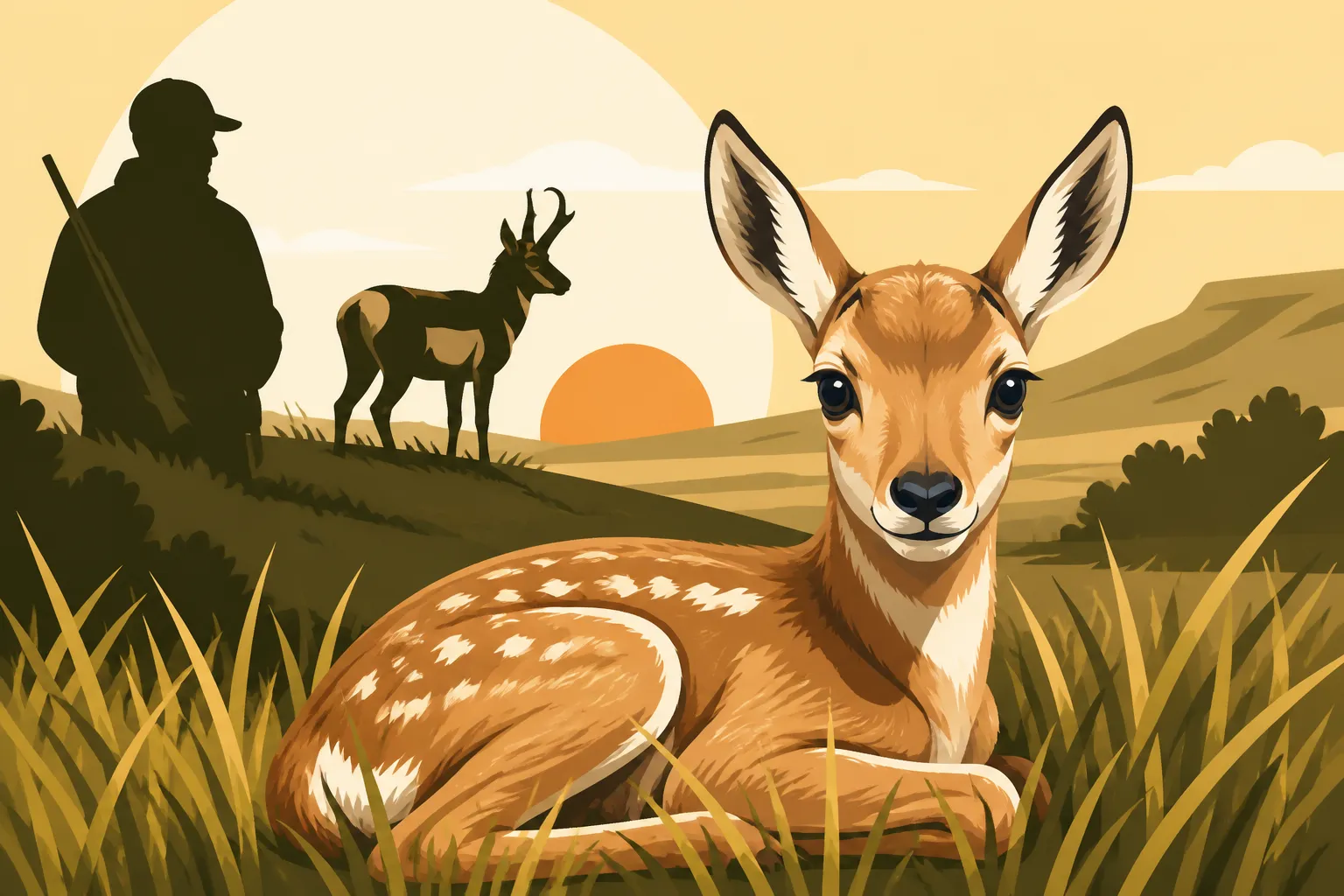
When a pronghorn doe gives birth, usually to twins, she immediately initiates a strategy of concealment. Unlike deer fawns who often follow their mother relatively quickly, pronghorn fawns are literally "parked." The doe will separate her two fawns, sometimes by several hundred yards, and leave them alone for hours, only returning periodically to nurse. This dispersal tactic is a defense mechanism; if a predator finds one fawn, the chances of it finding the other immediately are reduced. The fawns themselves are masters of camouflage, lying perfectly still with their speckled coats blending seamlessly into the prairie grasses and sagebrush. They have almost no scent during these first few weeks, a crucial adaptation to evade the keen noses of predators.
The doe, meanwhile, remains vigilant, often feeding nearby but keeping a watchful eye. She’ll approach cautiously to nurse, ensuring no threats are present, and then quickly move away again. This minimizes her scent and activity around the fawns, further reducing the likelihood of a predator stumbling upon them. It’s a constant, exhausting game of hide-and-seek, played out on the vast stage of the prairie, and the stakes couldn't be higher for the survival of the next generation.
Predation Pressure on Young Fawns
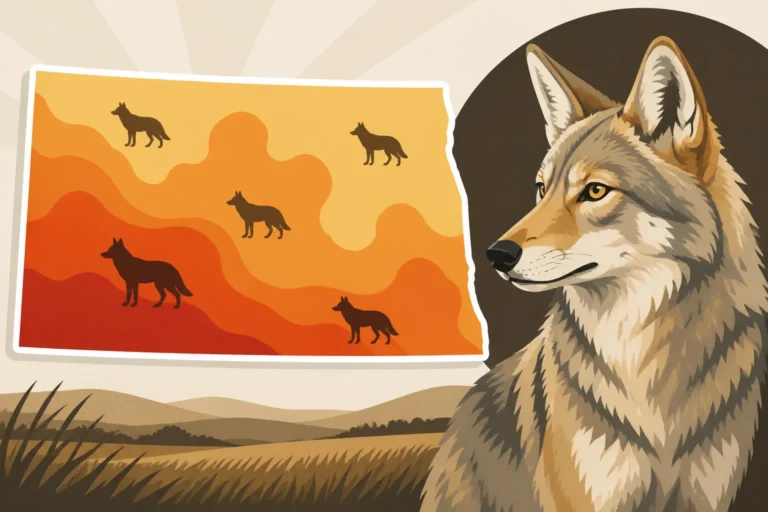
The North Dakota prairie is a wild place, and pronghorn fawns are a prime target for a variety of predators. Coyotes are perhaps the most significant threat, constantly patrolling the landscape, using their sharp senses to locate these vulnerable newborns. A coyote’s natural hunting instinct often leads them to check likely hiding spots, and a fawn’s instinct to lie still, while effective against some threats, can be a death sentence against a persistent canid.
Beyond coyotes, badgers, bobcats, and even golden eagles can take a toll on young fawns. Badgers are particularly adept at digging out fawns that might attempt to burrow into softer soil, while eagles can spot a camouflaged fawn from high above. This intense predation pressure means that even in a good year, a substantial portion of the fawn crop will not make it past the first few weeks. Understanding how these predators operate, particularly how they Coyote Calling North Dakota Farm Country can be effective, gives some insight into the daily dangers faced by pronghorn.
Habitat Quality and Its Influence on Survival
The physical environment—the quality of the habitat itself—plays a monumental role in whether pronghorn fawns survive. It's not just about avoiding predators; it's about having the resources to grow strong and healthy enough to eventually outrun them.
The Importance of Forage and Water
Forage quality directly impacts the health of the pregnant doe and, consequently, the vigor of her fawns. During gestation and lactation, a doe needs nutrient-rich plants to support her own body and produce ample milk for her offspring. If drought or poor range conditions mean sparse or low-quality forage, the doe’s condition can decline. This can lead to smaller, weaker fawns at birth, or reduced milk production, which then hampers the fawn’s growth rate and overall strength. A fawn that is not gaining weight quickly enough will remain vulnerable for a longer period, less able to escape predators or withstand environmental stressors.
Water availability is another critical component. While pronghorn are incredibly adapted to arid environments and can derive much of their moisture from succulent plants, consistent access to water sources is still vital, especially for lactating does and growing fawns during hot, dry summers. Areas with reliable springs, ephemeral ponds, or even cattle tanks can make a significant difference in the overall health and reproductive success of the herd. Without adequate hydration, both does and fawns become stressed, making them more susceptible to disease and less capable of flight when danger calls.
Cover from Predators and Elements
Good habitat doesn't just provide food; it provides crucial cover. Pronghorn fawns rely heavily on tall grasses, sagebrush, and other low-growing vegetation to conceal themselves from predators. A dense patch of mixed grass prairie, for instance, offers a fawn a safe place to bed down, virtually disappearing from sight. However, if overgrazing, agricultural conversion, or other land-use practices reduce the availability of this vital cover, fawns become exposed and much easier for predators to locate.
Beyond predator evasion, cover also offers protection from the harsh North Dakota elements. A scorching summer sun can quickly dehydrate a young fawn, and a sudden cold snap with driving rain can lead to hypothermia. Patches of taller vegetation or even the shade cast by a large rock formation can provide vital respite. Without these natural shelters, fawns are left vulnerable to both the heat and the cold, adding another layer of challenge to their already difficult start. Land management decisions, therefore, have a direct and profound impact on North Dakota Pronghorn Fawn Survival.
Environmental Factors and Their Unpredictable Impact
The weather in North Dakota is famously unpredictable, swinging from mild to brutal in a heartbeat. For pronghorn fawns, these environmental shifts aren't just uncomfortable; they can be deadly, often dictating the success or failure of an entire year's fawn crop.
Harsh North Dakota Winters and Spring Blizzards
The severity of winter plays a crucial role in pronghorn fawn survival, even before they are born. A harsh winter with deep, persistent snow and extreme cold can severely stress pregnant does. When does enter spring in poor physical condition, their ability to carry fawns to term, deliver healthy offspring, and produce sufficient milk is significantly compromised. This can result in fawns being born weaker, smaller, or even stillborn, drastically reducing the overall fawn recruitment for the year. The resilience of the pronghorn herd relies on their ability to Hunt After a Hard Prairie Winter and recover, but fawns are particularly vulnerable.
Even if the winter itself isn't exceptionally brutal, late-season blizzards in April or May can be devastating. These storms, common in North Dakota, can dump heavy snow and bring frigid temperatures just as fawning season is getting underway. Newborn fawns, lacking the fat reserves and fur density of adults, are extremely susceptible to hypothermia. A single late spring blizzard can wipe out a significant percentage of the year’s fawn crop, leaving wildlife managers to grapple with the implications for the herd’s future population trends.
Drought Conditions and Their Ripple Effect
Just as too much cold and snow can harm fawns, a lack of moisture can be equally, if not more, damaging. Drought conditions, a recurring concern across the prairie, lead to parched grasslands and reduced forage production. This directly impacts the nutritional intake of does, similar to the effects of a harsh winter. Pregnant and lactating does struggle to find enough quality food, leading to physiological stress. Their milk supply may dwindle, providing less sustenance to their rapidly growing fawns.
The ripple effect of drought extends beyond direct nutrition. Weakened fawns are more susceptible to disease, and their development might be stunted, making them less capable of escaping predators or handling other environmental pressures. Furthermore, drought can concentrate animals around fewer, shrinking water sources, potentially increasing disease transmission and making them easier targets for predators. These environmental extremes underscore the delicate balance of nature and the constant struggle for survival faced by North Dakota's pronghorn fawns.
Human Influence and Conservation Efforts
While nature provides plenty of challenges, human activities also factor into the survival rates of pronghorn fawns. Recognizing these impacts, and actively managing for them, is a critical part of ensuring the health and future of North Dakota's pronghorn herds.
Road Mortality and Fawn Encounters
As human development and infrastructure expand across the landscape, so too does the risk of human-wildlife conflicts. For pronghorn fawns, roads pose a significant danger. In their first few weeks, fawns are still learning to move and navigate their environment. They may dart unpredictably across roads, or, conversely, lie perfectly still in the path of oncoming vehicles due to their innate hiding instinct. Adult does and fawns will often cross roads to access different foraging areas or water sources, putting them directly in harm's way.
The problem is particularly acute in areas with higher traffic volumes or where roads cut through traditional pronghorn habitat. While not as dramatic as predator attacks or blizzards, road mortality is a consistent, incremental pressure that contributes to fawn loss each year. Drivers who are aware of pronghorn activity, especially during the spring and early summer fawning season, can help reduce these incidents by exercising caution on prairie roads.
Management Strategies for Pronghorn Populations
The North Dakota Game and Fish Department (NDGFD) plays a vital role in monitoring and managing the state’s pronghorn populations. They conduct aerial surveys to estimate herd numbers, track North Dakota Pronghorn Population Trends, and use this data, combined with harvest reports and environmental assessments, to set annual hunting quotas. Fawn survival rates are a critical metric in these calculations. If fawn survival is low for several consecutive years, it signals a potential decline in the overall herd, prompting conservative management decisions, such as reducing the number of available tags or even closing units to hunting.
Hunters themselves can contribute to conservation by participating in surveys, providing accurate harvest information, and respecting regulations designed to protect the herd's breeding stock. Resources like GoHunt can be invaluable for hunters looking to understand current herd health and license allocation, offering insights into population dynamics that directly reflect fawn survival. By staying informed and supporting science-based wildlife management, hunters become active partners in safeguarding the future of North Dakota's iconic pronghorn. When planning a hunt, checking resources like GoHunt gives you access to data and analysis that can help you understand the health and distribution of the North Dakota Pronghorn Herd Size.
To summarize the key challenges pronghorn fawns face, consider the following:
| Factor | Description | Impact on Fawn Survival |
|---|---|---|
| Maternal Health | Doe's nutritional status, age, and overall condition. | Directly influences fawn birth weight, vigor, and milk production. |
| Predation | Presence and density of coyotes, badgers, bobcats, eagles. | Significant cause of mortality in the first few weeks of life. |
| Habitat Quality | Availability of nutritious forage, water, and dense cover. | Affects doe's ability to support fawns and fawns' ability to hide. |
| Weather Extremes | Severe winters, late spring blizzards, prolonged droughts. | Causes direct mortality, weakens fawns, reduces forage availability. |
| Human Infrastructure | Road networks, agricultural development, habitat fragmentation. | Increases risk of road mortality and limits suitable fawn-rearing areas. |
Disclaimer
This article is for general informational purposes only and does not constitute professional advice. Laws, prices and regulations vary by location and change over time. Consult a qualified professional for guidance on your specific situation.