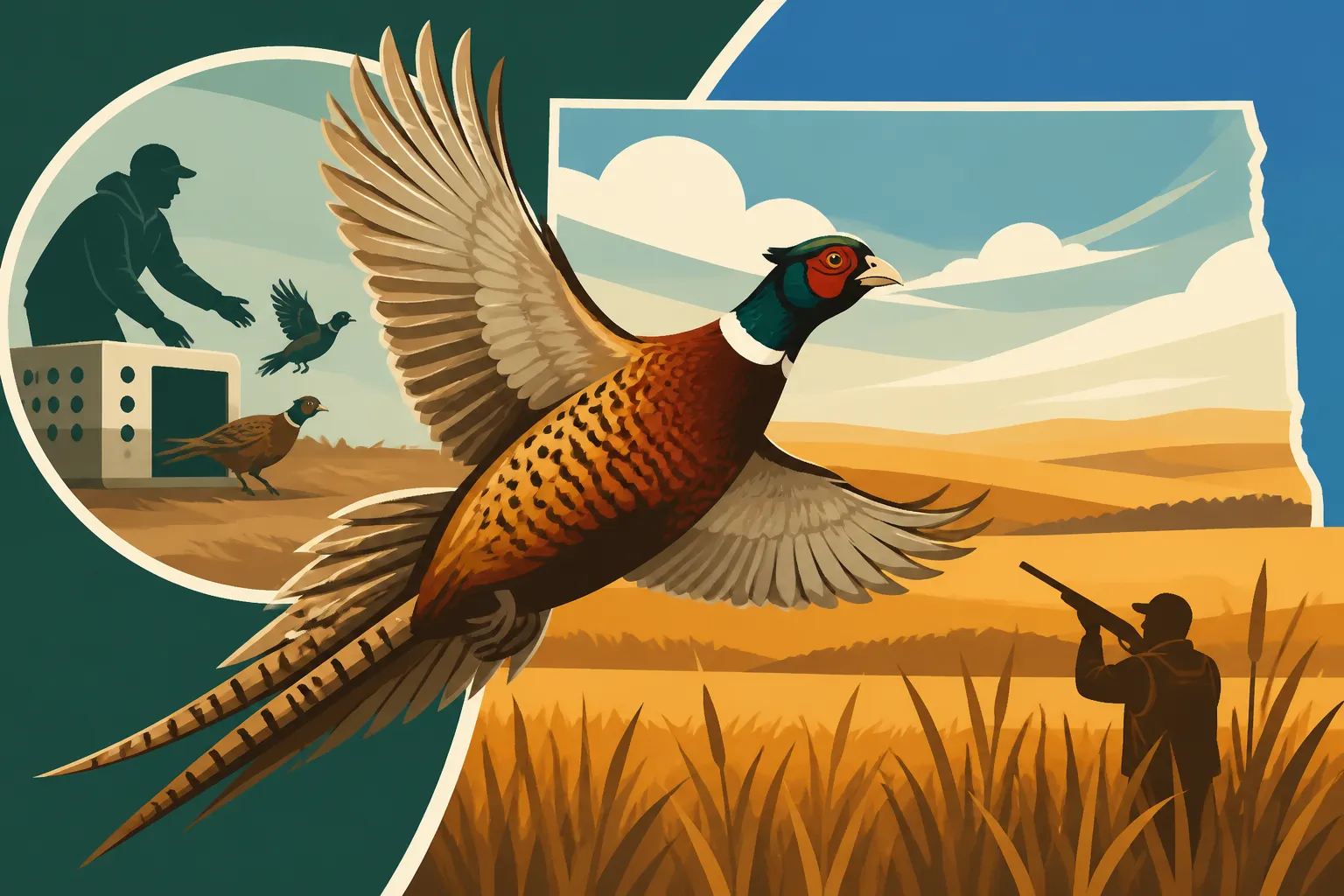
North Dakota Pheasant Stocking History
It’s a common sight across North Dakota: a flash of brilliant color erupting from a cattail slough or a long-abandoned field, followed by the distinctive cackle of a ring-necked pheasant. For many of us who've chased these magnificent birds across the prairie, it feels like they've always been here, a quintessential part of the landscape. But the truth is, the ring-necked pheasant is not a native North Dakotan. Their thriving presence is a testament to dedicated stocking efforts and intelligent wildlife management over the decades. This guide will take you through the fascinating journey of how pheasants became the iconic game bird they are today, from their earliest introductions to the careful balancing act of modern conservation.
The Arrival of a Prairie Icon: Bringing Pheasants to North Dakota
Imagine a prairie before the pheasant. While North Dakota certainly had its share of incredible native upland birds like sharptail grouse and Hungarian partridge, the ringneck was an entirely new chapter. Their introduction wasn't a singular event but a series of determined efforts, driven by both private citizens and early wildlife agencies who saw the potential for a resilient, highly prized game bird that could flourish in the changing agricultural landscape.
Importing a Resilient Species
The story of the ring-necked pheasant in North America generally begins on the West Coast, with successful introductions in Oregon in the late 1800s. North Dakota's turn came a bit later, as sportsmen and early conservationists took note of these birds' incredible ability to adapt to farmed landscapes. These were robust birds, capable of handling harsh winters and reproducing rapidly, which made them an ideal candidate for introduction. The concept was simple yet ambitious: bring these hardy birds from their native Asia, specifically China, and release them into suitable habitats.
These early efforts often involved individuals purchasing pheasants from private breeders and releasing them on their own land. It wasn't always a structured, state-run program in the beginning; rather, it was a grassroots movement fueled by a desire to enhance hunting opportunities. The birds were often shipped across vast distances, a testament to their resilience even in transit. Imagine the excitement and anticipation as crates of these exotic birds arrived in small prairie towns, ready to be set free to establish new populations.
Why North Dakota Was the Perfect Match
North Dakota's landscape, even in its early agricultural development, proved to be incredibly fertile ground for the ring-necked pheasant. The birds thrive in a mosaic of cropland, grasslands, and dense cover for winter protection. The extensive wheat, corn, and sunflower fields provided abundant food sources, particularly waste grain after harvest. Crucially, the prairie pothole region offered incredible nesting habitat and protection from predators in its wetlands, sloughs, and dense grass cover.
Furthermore, North Dakota's relatively mild climate (outside of extreme blizzards) and the sheer vastness of open country allowed pheasants to spread and establish territories without excessive competition from existing native species. The foresight of those early introducers was remarkable; they recognized that while native species had their niches, the ringneck possessed a unique adaptability that allowed it to coexist and even thrive alongside human agricultural endeavors. This ecological niche, largely unfilled by native birds that preferred unbroken prairie, became the pheasant's domain.
Early Stocking Efforts and Population Booms
Once the initial birds were introduced, what followed was a period of incredible growth and expansion. The success wasn't instantaneous everywhere, but where conditions were right, pheasant populations exploded, leading to what many now refer to as the "golden age" of pheasant hunting.
The Pioneer Pheasant Releases
The North Dakota Game and Fish Department (NDGFD) soon recognized the immense potential of pheasants and began to implement more organized stocking programs. These weren't just random releases; they were strategic efforts aimed at establishing breeding populations across suitable habitats. Often, birds were raised in game farms or trapped from areas with established populations and transported to new regions of the state. These carefully managed releases allowed the birds to gain a foothold, and their natural reproductive capabilities did the rest.
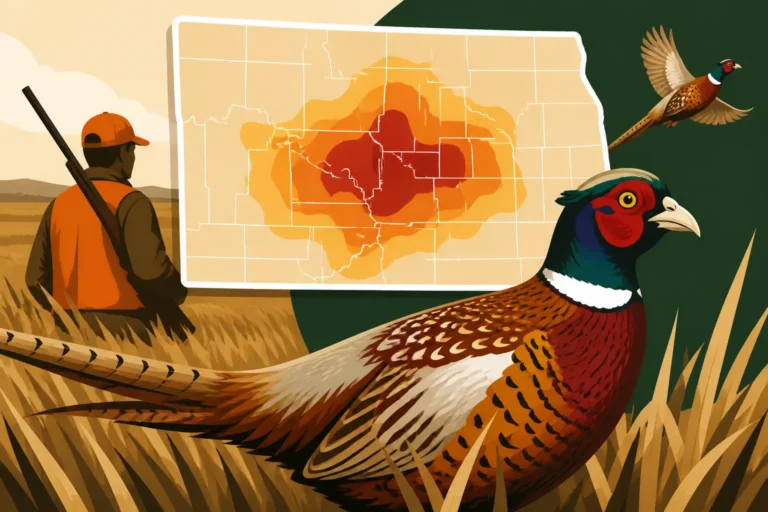
The early 20th century saw these efforts ramp up considerably. Farmers, landowners, and local conservation groups often partnered with the state, understanding that a thriving pheasant population brought both recreational and economic benefits. The releases weren't just about dumping birds; they often involved habitat improvement projects, even if rudimentary by today's standards, to ensure the pheasants had the best possible chance to survive and multiply. For hunters eager to find good spots, understanding these historical release sites can still provide clues to areas that have consistently held birds over generations. North Dakota Pheasant Population Estimate shows how these efforts paid off.
The Golden Age of Pheasant Hunting
By the mid-20th century, North Dakota was experiencing a pheasant boom unlike anything seen before. Reports from that era speak of abundant birds, often numbering in the dozens per acre in prime areas. This wasn't just good hunting; it was legendary. Hunters flocked to the state, drawn by the promise of full game straps and unforgettable experiences. The combination of successful stocking, widespread agricultural practices that inadvertently benefited pheasants (like smaller farms with diverse crops and more edge habitat), and relatively less hunting pressure contributed to these incredible numbers.
This period cemented the pheasant's place as North Dakota's premier upland game bird. It wasn't just a species; it became a cultural icon, synonymous with fall in the state. The memories of these incredible hunts are passed down through generations, fueling the desire to experience just a taste of that past abundance. Even now, when you're Walking a Pheasant Field at Midday and a covey bursts out, you're experiencing a direct lineage from those early, successful stockings.
Modern Management and Sustaining the Legacy
While the heyday of explosive, widespread pheasant stocking might be in the past, modern management practices are more sophisticated and nuanced. The goal today isn't just to introduce birds, but to create sustainable populations through habitat enhancement and targeted releases.
From Broad Stocking to Habitat-Focused Management
As the decades progressed, wildlife managers realized that simply releasing birds wasn't a long-term solution. Habitat was, and remains, the lynchpin of healthy pheasant populations. This led to a significant shift in strategy. Instead of large-scale, often unfocused stocking, the emphasis moved towards programs like the Conservation Reserve Program (CRP), which pays landowners to convert cropland into perennial vegetative cover. This cover provides crucial nesting, brooding, and wintering habitat for pheasants.
The NDGFD, recognizing this, has channeled resources into understanding and improving the existing habitat. This includes initiatives to promote native grass plantings, encourage shelterbelt development for winter cover, and work with landowners to ensure sustainable farming practices. The philosophy is clear: if you build the right home, the pheasants will come and stay. North Dakota CRP Acres and Pheasant Numbers directly illustrates the importance of this shift.
Supplemental Stocking: When and Why
While broad stocking is less common, supplemental stocking still plays a vital role in certain situations. These are typically targeted releases, not intended to establish new, self-sustaining populations, but rather to enhance hunting opportunities in specific areas, often public lands or areas recovering from severe weather events. For instance, some state wildlife management areas might see supplemental releases to provide immediate bird numbers for youth hunts or to boost populations where habitat is excellent but natural reproduction needs a little kickstart.
These releases are carefully planned, taking into account bird health, genetic diversity, and the capacity of the habitat to support the introduced birds. They serve as a tool in the broader management toolkit, used judiciously to support hunting seasons and provide access. If you're using tools like GoHunt to scout different units, paying attention to areas historically known for these types of supplemental releases, in conjunction with strong habitat, can give you an edge.
The Future of North Dakota Pheasants
The future of North Dakota's pheasant populations hinges on a continued commitment to habitat. This means ongoing enrollment in conservation programs, smart land use planning, and a deep understanding of the ecological needs of the birds. Hunter demand remains high, and the economic impact of pheasant hunting is significant for many rural communities.
Challenges like changing agricultural practices, extreme weather events, and habitat fragmentation are always present. However, the legacy of those early stocking efforts, coupled with modern, science-based management, suggests that the cackle of the ringneck will continue to echo across the prairie for generations to come. Understanding Ring-Necked Pheasants in North Dakota is key to appreciating this ongoing effort.
The Indispensable Role of Habitat in Pheasant Success
You can stock all the pheasants you want, but without quality habitat, those birds won't stick around. The long-term success of pheasants in North Dakota is intrinsically linked to the land itself, and how it’s managed. It's a truth that modern game managers live by, and it's something every hunter should understand.
The Impact of Conservation Reserve Program (CRP) Lands
Few programs have had as profound an impact on pheasant numbers as the Conservation Reserve Program. When tracts of marginal cropland are taken out of production and planted with dense grasses and legumes, they transform into prime pheasant factories. These fields provide vital nesting cover in the spring, protection for broods in the summer, and crucial winter cover when the snow flies. It's not just about the numbers; it's about the quality of life these lands offer. A good CRP field isn't just tall grass; it's a diverse mix that offers insects for chicks and escape routes from predators.
Hunters often rely heavily on the public access provided through programs like PLOTS (Private Land Open To Sportsmen) which frequently include significant CRP acreage. When you're Scouting PLOTS Land Before Season, you're often looking for those lush CRP fields, because that's where the pheasants will be. The ebb and flow of CRP enrollment directly impacts the state's pheasant population, as seen in North Dakota Pheasant Harvest Numbers. A strong CRP program often means stronger pheasant numbers overall.
How Farming Practices Influence Pheasant Survival
Modern farming practices, while incredibly efficient, can sometimes present challenges for pheasant survival. Large, monoculture fields with minimal fence rows or uncultivated margins reduce the diverse habitat pheasants need. Early haying or intense tillage during nesting season can also devastate clutches. However, many landowners are increasingly aware of these impacts and are adopting practices that benefit wildlife. Leaving standing grain, planting food plots, and maintaining shelterbelts for winter cover are all ways agricultural operations can positively contribute to pheasant populations.
It's a delicate balance. Farmers need to make a living, and pheasants need a place to live. The most successful pheasant populations are often found in areas with a mix of agriculture and uncultivated land, creating that ideal mosaic. When you’re Working a Shelterbelt for Roosters, you’re directly observing the benefit of thoughtful land management on the ground. Hunters and landowners working together to find common ground, perhaps by using resources found through tools like GoHunt to identify areas with good habitat, are vital for the future of North Dakota's iconic game bird.
Key Eras and Management Shifts in North Dakota Pheasant History
To really understand where we are today with pheasants, it helps to look at the timeline. It’s not a straight line of continuous growth, but rather a dynamic story with highs and lows, driven by environmental factors, human intervention, and policy changes.
| Era/Period | Key Characteristics | Management Focus | Impact on Pheasants |
|---|---|---|---|
| Early 1900s | First introductions, private releases, limited state involvement | Establishing initial populations | Slow but steady population growth in localized areas |
| 1930s-1950s | Widespread state-sponsored stocking, dust bowl recovery, diverse farming | Broad introductions, habitat creation (shelterbelts) | Explosive population growth, "Golden Age" of hunting |
| 1960s-1970s | Intensification of agriculture, larger fields, reduced habitat | Research into population dynamics, early habitat programs | Decline in some areas, but still strong overall populations |
| 1980s-1990s | Rise of CRP, increased focus on habitat quantity and quality | CRP promotion, land acquisition for wildlife areas | Significant rebound and stabilization of populations |
| 2000s-Present | Fluctuations due to weather, commodity prices, CRP enrollment | Habitat retention, targeted supplemental stocking, data analysis | Dynamic populations, strong in good habitat years, challenges in poor ones |
The Role of Hunter Contributions
It's important to remember that pheasant management isn't solely a state responsibility. Hunters contribute significantly through license fees and excise taxes on hunting equipment, which are then channeled back into wildlife conservation and habitat improvement. Without these consistent contributions, many of the programs that benefit pheasants, and indeed all wildlife, would simply not exist. This direct funding loop ensures that the passion for hunting translates into tangible conservation action on the ground. North Dakota Hunter Education Requirements are part of this ecosystem, ensuring responsible participation.
When you're out there, whether you're chasing ringnecks on public land or have secured permission to Hunting Small Private Tracts in North Dakota, you're part of a larger system that has, for generations, worked to ensure these birds continue to thrive. It’s a proud legacy, and one that requires ongoing dedication from everyone involved.
Disclaimer
This article is for general informational purposes only and does not constitute professional advice. Laws, prices and regulations vary by location and change over time. Consult a qualified professional for guidance on your specific situation.