Dog Training on North Dakota Public Land
For any dedicated bird dog owner in North Dakota, the question of "where can I actually train my dog?" is a constant source of mild anxiety. It's not just about finding open ground; it's about navigating the patchwork of public land rules, respecting wildlife, and making sure you’re not encroaching on another hunter’s space or, worse, violating a regulation. This guide will walk you through the ins and outs of legally and ethically training your canine companion on North Dakota's diverse public lands, helping you turn confusion into confidence.
Understanding North Dakota's Public Land for Dog Training
North Dakota is renowned for its abundant hunting opportunities, and a significant part of that is due to its public lands. However, these lands aren't a monolithic entity; they come with different designations and, often, different rules. Knowing the distinctions is key to successful and compliant dog training.
Types of Public Land Available
When we talk about public land in North Dakota, we're generally referring to a few main categories, each with its own quirks and benefits for dog training. First, there's the popular PLOTS (Private Land Open To Sportsmen) program. These are private lands that landowners have voluntarily opened to public hunting and fishing, often managed for wildlife habitat, and are typically well-marked. Then we have the North Dakota Game and Fish Department's own Wildlife Management Areas (WMAs), which are specifically managed for wildlife and public recreation. Federal lands like Waterfowl Production Areas (WPAs) and National Grasslands also offer extensive acreage. Finally, there are state school lands, which are publicly owned but often leased for agricultural purposes, requiring careful attention to signage and specific regulations. Each type of land offers unique cover and terrain, from cattail sloughs to mixed-grass prairie and timbered draws, making them ideal for simulating various hunting scenarios. Public Hunting Land in North Dakota provides a broader overview of these areas.
General Restrictions and Considerations
While public land generally means open access, there are always rules. Vehicle access, for instance, is often restricted to established roads and parking areas, especially on WMAs and WPAs, meaning you'll need to be prepared to walk in with your dog. Time of day can also be a factor, particularly if you're training near areas that see heavy hunting pressure during open seasons. You might find certain areas closed during specific periods to protect nesting birds or provide undisturbed sanctuary for deer. Always check the specific land regulations for the area you intend to visit. Ignorance of the rules isn't an excuse, and a simple check can save you a lot of headache.
Specific Rules for Dog Training on Public Land
North Dakota offers a good deal of flexibility for dog trainers, but it’s crucial to understand the nuances, especially concerning season dates and how you conduct your training exercises.
When and Where Training is Permitted
Generally speaking, dog training is allowed year-round on most public lands in North Dakota, provided you are not interfering with a current hunting season or disturbing resident game animals protected outside of a season. This means you can take your retriever to a WPA in the summer to work on commands, or run your pointer through a PLOTS tract in early fall before pheasant season opens. However, if you're using live birds, the rules become a bit more specific. You typically cannot release live game birds for training purposes outside of a specified training season or without a special permit. Dummy retrieves and scent work with bird wings are usually fine. During hunting seasons, you must adhere to all general hunting regulations for that species, including blaze orange requirements if applicable, and ensure your training doesn't impact other hunters. For instance, training your dog for pheasants in a unit open for North Dakota's November Gun Deer Season might be permissible, but you’d need to be incredibly mindful of deer hunters.
Leash Laws and Control
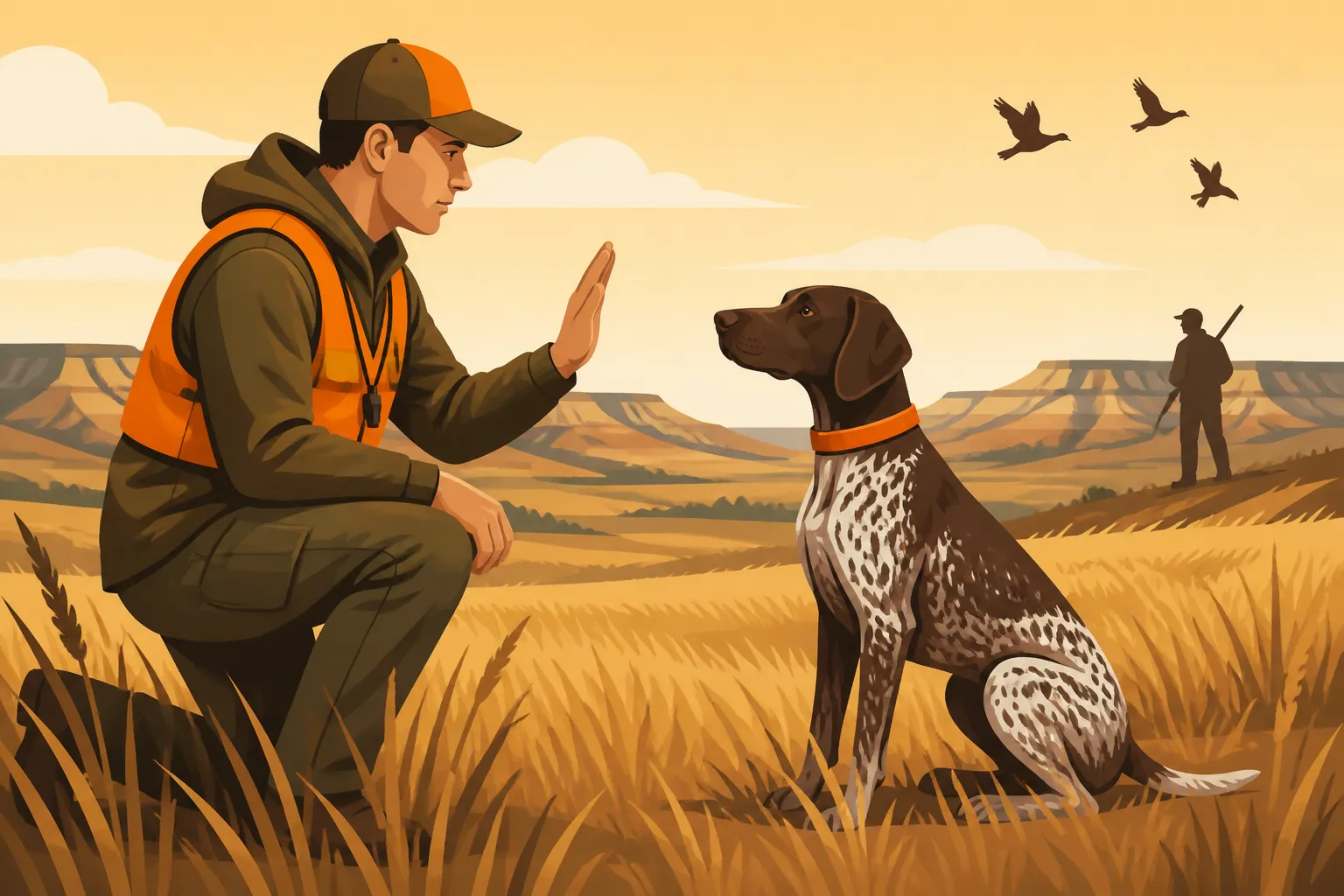
The concept of "control" is paramount when training your dog on public land. While there isn't a blanket leash law across all public lands, you are always expected to keep your dog under immediate voice or whistle control. This means your dog should respond instantly to commands, preventing them from harassing wildlife, disturbing other recreational users, or wandering onto private land. Retrieving dogs, in particular, need to be reliable in their recall and steady to shot. Pointing dogs must hold point without busting birds. If your dog is consistently out of control, not only does it disrupt the experience for others, but it could lead to legal trouble. Always carry a leash, even if you don't plan to use it, for those unexpected encounters or in areas where a leash might suddenly become necessary.
Use of Live Birds vs. Training Dummies
This is where many trainers get tripped up. For most of the year, especially outside of specific training seasons, using live game birds like pheasants, chuckar, or quail for training requires adherence to specific state regulations. Often, you'll need a special permit from the North Dakota Game and Fish Department, and the birds must typically be sourced from a licensed game farm. The alternative, and what most trainers opt for during the off-season, is using training dummies, bumpers, or even bird wings attached to dummies. These tools allow you to simulate retrieves and scent work without the legal complexities of live birds. It's much simpler, reduces potential conflicts, and still provides excellent training opportunities for your dog. Remember, the goal is to develop a well-disciplined hunting partner, and that can be achieved effectively without live birds for much of the foundational work.
Finding the Best Training Spots on North Dakota Public Land
Finding the right piece of ground is just as important as knowing the rules. Not all public land is created equal when it comes to dog training. You want areas that mimic actual hunting scenarios, offer adequate cover, and ideally, aren't heavily trafficked by other users.
Utilizing Mapping Tools
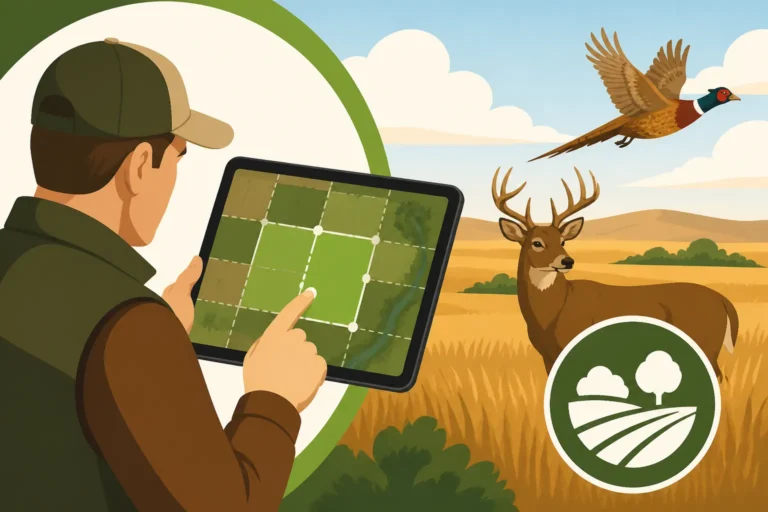
Modern technology has made scouting a breeze compared to the old days of paper maps and guessing games. Tools like onX Hunt and GoHunt are absolute game-changers for dog trainers. These apps allow you to view detailed aerial imagery, overlay public and private land boundaries, identify different habitat types, and even mark potential training spots. You can see precisely where PLOTS land begins and ends, pinpoint Waterfowl Production Areas, or discern the boundaries of a Wildlife Management Area. This allows you to plan your training sessions meticulously, focusing on areas with good cover, water sources, and minimal human disturbance. I always recommend downloading offline maps before heading out, as cell service can be spotty in many of North Dakota’s prime training areas. Scouting PLOTS Land With the ND Hunt App is a fantastic resource for learning how to maximize these tools.
Scouting for Cover and Water
When you're out there, whether virtually with an app or boots on the ground, look for areas with diverse cover. Good pheasant cover, for example, might include dense cattails, tall prairie grass, or a thick shelterbelt. Waterfowl dogs need access to ponds, sloughs, or river edges. Varying cover types teach your dog to work different terrains and adapt to different scenting conditions. Access to water is vital, not just for waterfowl dogs, but for any dog training in North Dakota's often hot or dry conditions; hydration is key. Don't forget to scout for potential hazards like old fences, barbwire, or even porcupine dens, especially in areas like the Badlands or along wooded creek bottoms. A quick pre-scout can prevent an injury to your valuable hunting partner.
Avoiding High-Pressure Areas
Public land can get busy, especially during peak hunting seasons. To ensure a productive and safe training session, try to find less-pressured areas. This might mean driving a little further, walking a bit deeper into a tract, or scheduling your sessions during off-peak hours (e.g., mid-week, early mornings, or late evenings outside of prime hunting hours). Avoiding areas where hunters are actively pursuing game is not only polite but also a safety measure. You don't want your dog interfering with someone else's hunt, and you certainly don't want your dog to be mistaken for game, especially if you're not wearing blaze orange during a deer season where it's mandatory. Consider training in areas less known for certain game, or using smaller, walk-in only PLOTS tracts that deter casual visitors.
Responsible Dog Training Practices and Etiquette
Training your dog on public land isn't just about what you can do, but also about how you should do it. Being a responsible dog owner and public land user ensures access remains open for everyone and that your presence is a positive one.
Respecting Other Users
North Dakota's public lands are shared resources. You might encounter other dog trainers, hikers, birdwatchers, photographers, or even mountain bikers. Always be courteous and respectful. If you see someone else, leash your dog until you understand the situation, especially if your dog is particularly excitable. A friendly wave and a brief explanation of what you're doing ("Just training the retriever today!") can go a long way. Never allow your dog to run up to other people or their dogs without permission. Think about how you would want someone to behave if they encountered you during a quiet moment in nature, or if you were actively hunting. That same courtesy should extend to your training sessions.
Leave No Trace Principles
This is fundamental for any outdoor activity, including dog training. Whatever you bring onto public land, you must take back out. This includes spent shotgun shells (if you're using blanks), training dummies, water bottles, and especially dog waste. Bag it and pack it out; leaving it behind is not only unsightly but can also spread disease. Avoid disturbing the natural environment more than necessary. Stick to existing trails, or walk softly through cover. Our goal is to maintain these valuable habitats for wildlife and future generations of hunters and trainers. Adhering to these principles ensures that the access we currently enjoy continues into the future.
Safety Considerations for Your Dog and Others
Safety should always be your top priority. Ensure your dog is up-to-date on all vaccinations, especially those for common wildlife diseases. Consider rattlesnake avoidance training if you're working in western North Dakota, particularly in areas like the Little Missouri National Grassland. Always carry plenty of water for yourself and your dog, and be aware of weather conditions; North Dakota weather can change rapidly. During warmer months, watch for signs of overheating, and in winter, protect paws from ice and snow. If you're using blanks or starting pistol, always be aware of your surroundings and ensure a safe backstop. Finally, having a basic first-aid kit for your dog, with items like wound disinfectant, bandages, and tweezers, is always a good idea. North Dakota Blaze Orange Requirements is also a good one to review, even when not hunting, as wearing some can increase your visibility to others.
Dog training on North Dakota's public lands is an incredibly rewarding experience, offering endless opportunities to bond with your canine partner and sharpen their skills in real-world scenarios. By understanding the different land types, adhering to regulations, utilizing modern scouting tools, and practicing good etiquette, you can make the most of what the state has to offer. Remember, a well-trained dog is a joy to hunt with, and the journey of getting them there is part of the adventure itself.
| Public Land Type | Typical Access | Primary Habitat | Dog Training Suitability | Common Restrictions/Notes |
|---|---|---|---|---|
| PLOTS (Private Land) | Walk-in preferred, often marked with signs | Varies greatly: CRP, cattails, wetlands, crop edges | High | Respect private property boundaries; check specific PLOTS rules, e.g., Reading a PLOTS Sign Correctly |
| WMAs (Wildlife Management Areas) | Established roads/parking, walk-in | Diverse: wetlands, grasslands, timber, food plots | High | Managed for wildlife; check for seasonal closures/specific rules |
| Waterfowl Production Areas (WPAs) | Walk-in only | Wetlands, grasslands, dense nesting cover | High (especially for waterfowl dogs) | Vehicle access highly restricted; avoid nesting waterfowl in spring/early summer |
| National Grasslands (e.g., Little Missouri) | Open; roads & backcountry | Mixed-grass prairie, badlands topography, riparian | High | Vast, remote areas; watch for livestock, rattlesnakes, and Wind and Thermals in Badlands Terrain |
| State School Lands | Varies; often adjacent to agricultural | Grasslands, agricultural edges | Moderate | Ensure proper identification of boundaries; often leased for grazing/crops |
Disclaimer
This article is for general informational purposes only and does not constitute professional advice. Laws, prices and regulations vary by location and change over time. Consult a qualified professional for guidance on your specific situation.