Sharptail Grouse and Hungarian Partridge in North Dakota
Sharptail grouse and Hungarian partridge habits in North Dakota help hunters locate upland prairie birds across vast landscapes.
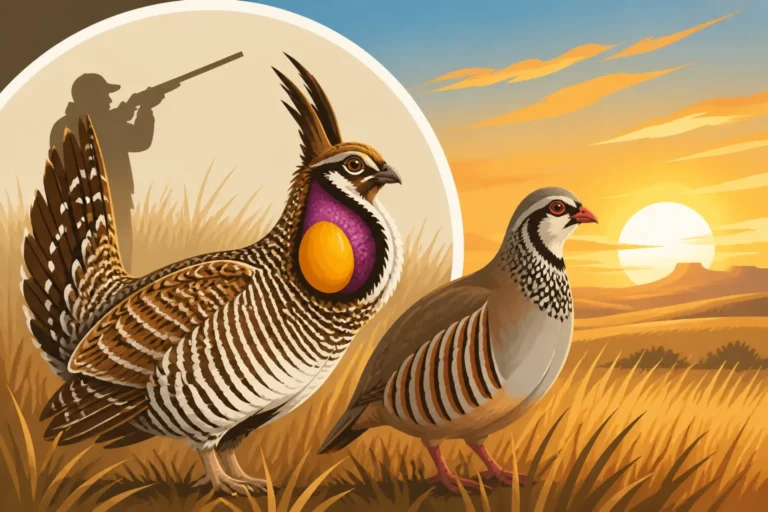
Sharptail grouse and Hungarian partridge habits in North Dakota help hunters locate upland prairie birds across vast landscapes.
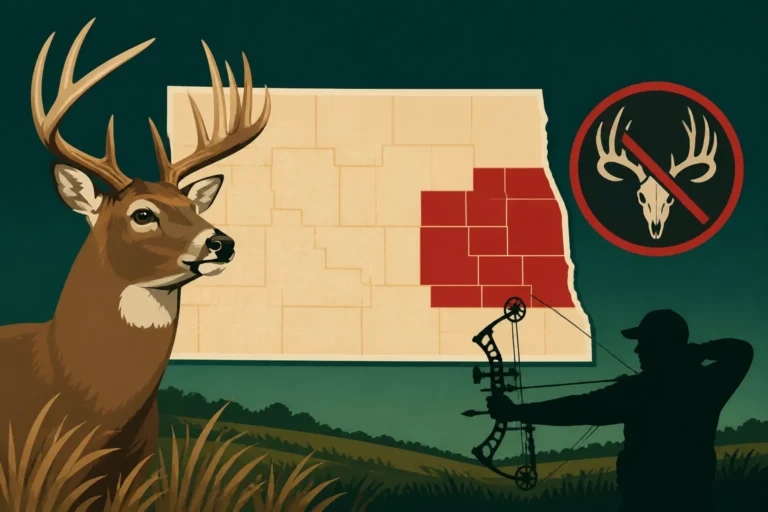
North Dakota’s fourteen designated hunting units feature mandatory testing protocols and regulations for Chronic Wasting Disease.
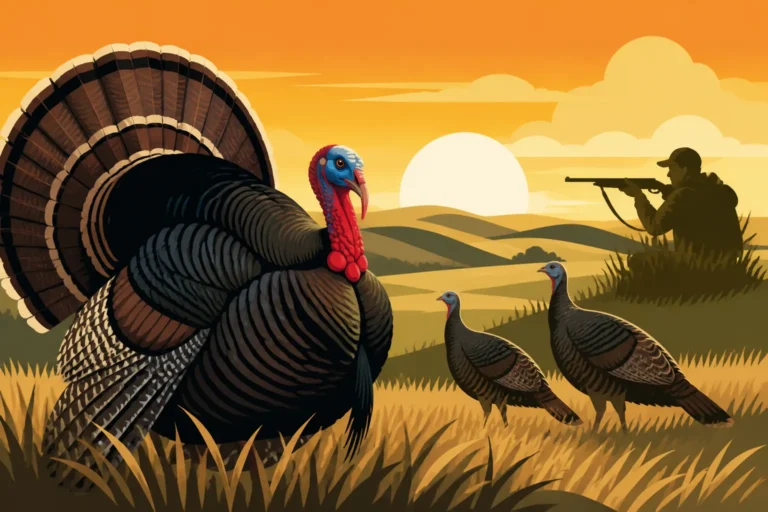
North Dakota wild turkey populations, hunting seasons, and regulations help hunters plan a successful prairie bird hunt.
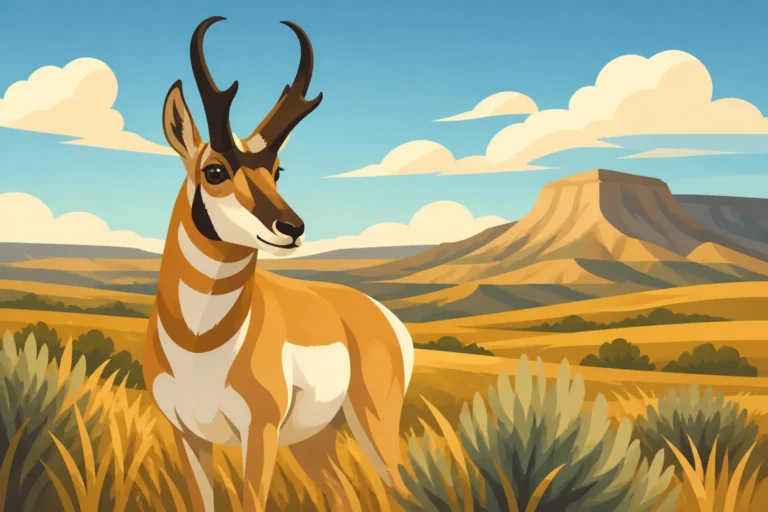
North Dakota pronghorn population trends, winter weather challenges, and the conservation history of western herds explain hunting tag allocations.
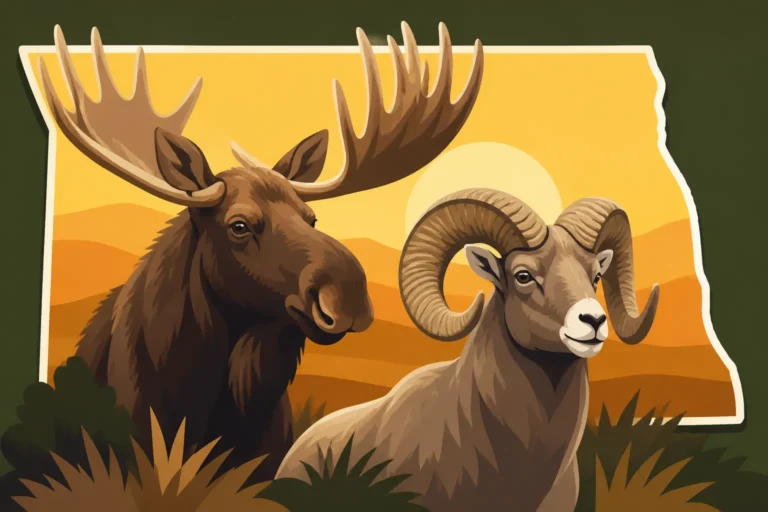
North Dakota moose and bighorn sheep hunting licenses explain tag scarcity, populations, and resident-only application rules.
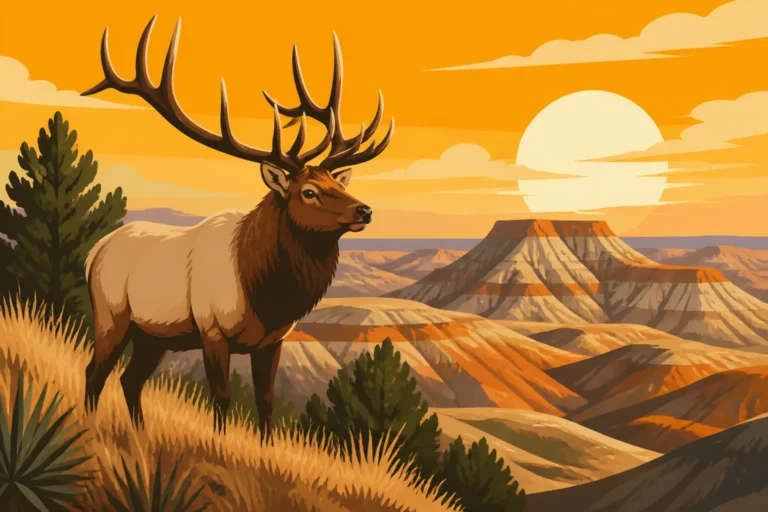
Elk hunting in North Dakota involves understanding herd history, population estimates, and animal distribution in the Badlands.
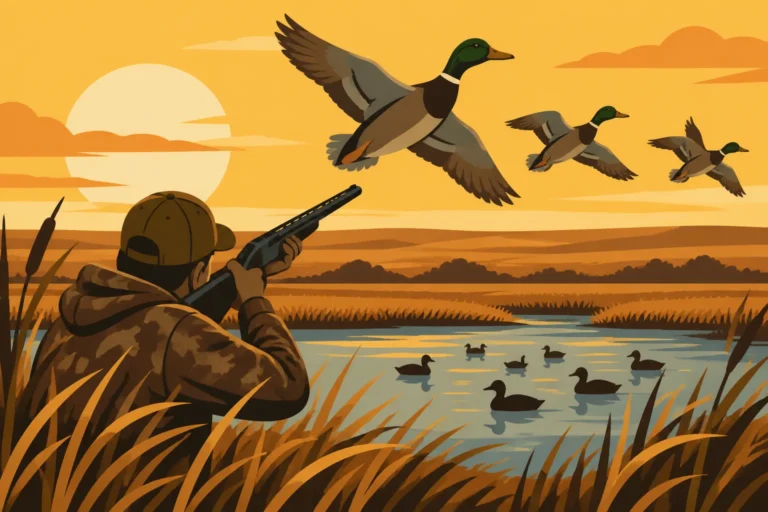
North Dakota waterfowl hunting relies on the Prairie Pothole Region, a wetland habitat formed by ancient retreating glaciers.
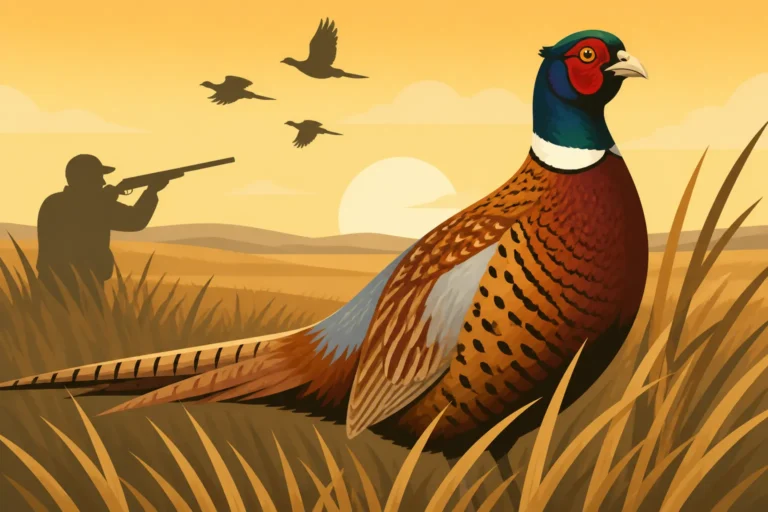
Ring-necked pheasant biology, prairie habitats, and hunting strategies in North Dakota explain regional bird populations.
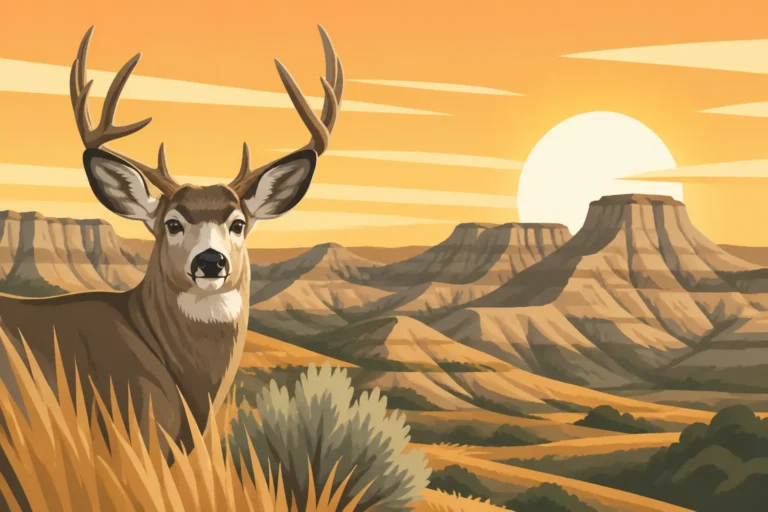
Mule deer hunting in North Dakota Badlands requires endurance to navigate steep canyons, coulees, and juniper thickets while glassing terrain.
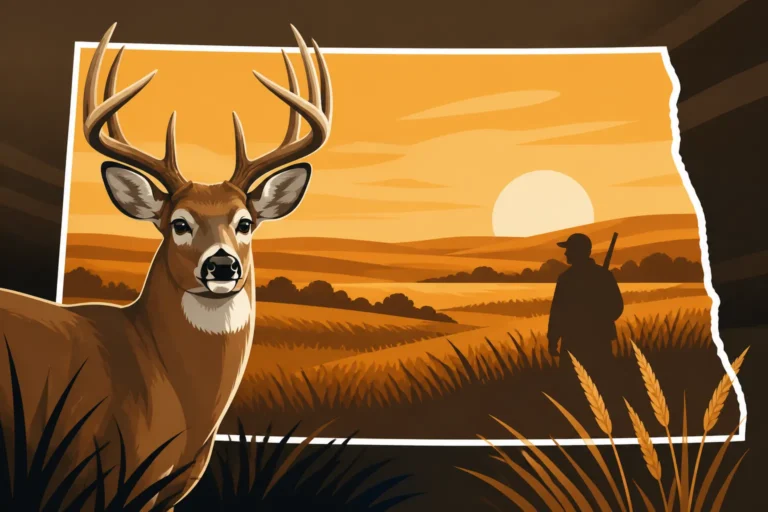
North Dakota white-tailed deer habitats, hunting regulations, and effective strategies for prairie whitetail hunters across regions.