Booking a Hunt That Starts on Day Ten
It’s a common frustration for nonresident hunters planning a trip to North Dakota: you’re eager to experience the legendary waterfowl hunting, you’ve got your dates picked out, and then you stumble upon this “nine-day restriction” or the idea of hunting “Day Ten.” It can be incredibly confusing, leaving you wondering if your trip is even possible, or if you’ve completely misunderstood the rules. This guide is here to clear up that confusion and help you confidently book a North Dakota hunt that starts exactly when you can legally get after those prairie potholes and big water ducks and geese.
Understanding North Dakota's Nonresident Waterfowl Restriction
Let's get straight to the heart of the matter: North Dakota has a specific rule in place that significantly impacts when nonresidents can hit the public lands for waterfowl. It’s not meant to be a barrier, but rather a way to manage hunting pressure and ensure residents have priority during the initial rush of the season. Ignoring this rule can lead to a lot of disappointment, or worse, legal issues, so it’s crucial to understand it inside and out.
The Nine Resident-Priority Days
North Dakota’s waterfowl season, while generally generous, includes an initial period where public lands are reserved for residents only. This isn't just a suggestion; it's a hard rule. For the first nine days of the waterfowl season, nonresidents are restricted from hunting ducks and geese on state-owned or state-managed public lands. This includes places like Wildlife Management Areas (WMAs), Waterfowl Production Areas (WPAs), and even much of the popular PLOTS (Private Land Open To Sportsmen) acreage, if the PLOTS agreement specifies waterfowl hunting.
Think about it from the state's perspective: North Dakota is a waterfowl mecca, a critical stop on the Central Flyway. Early in the season, ducks and geese are abundant, less wary, and often in predictable patterns. By dedicating these initial nine days to residents, it gives local hunters a chance to enjoy these prime conditions without the added pressure of a large influx of nonresident hunters. It's about balancing opportunity and managing the resource effectively. This rule is a major piece of New 2026 North Dakota Nonresident Waterfowl Restrictions that every hunter planning a trip needs to understand.
Why "Day Ten" Matters for Nonresidents
So, if you can’t hunt public land for the first nine days, that naturally makes the tenth day of the waterfowl season your golden ticket. For nonresidents, Day Ten marks the official opening of public land waterfowl hunting. This is when the playing field levels out, and you can legally access all the incredible public opportunities North Dakota offers for ducks and geese.
This distinction is absolutely vital for planning your trip. If you arrive on opening weekend, thinking you’ll jump right into the action, you’ll quickly find yourself limited to private land where you have explicit permission, or potentially facing a fine if you unknowingly step onto restricted public ground. "Day Ten" isn't just a random calendar date; it's a specific window that opens after the resident-only period has concluded. Many outfitters and lodges base their nonresident booking availability around this date, knowing that most nonresidents are here to experience the renowned public land hunting that North Dakota offers. It directly influences What Nonresidents Can Do During the First Nine Days and is a key factor in trip logistics.
Planning Your Hunt Around the Restriction
Understanding the Day Ten rule is just the first step. The next is actually planning your trip and communicating with any potential guides or landowners to ensure your hunt aligns with these regulations. It takes a bit more foresight, but it's absolutely doable, and it ensures a smooth, legal, and ultimately more enjoyable hunting experience.
What This Means for Your Travel Dates
Realistically, if your primary goal is to hunt waterfowl on public land in North Dakota, you need to schedule your arrival so that your first hunting day is on or after Day Ten of the waterfowl season. This might mean arriving on Day Nine and getting settled, or simply planning your entire trip to start a bit later in the season.
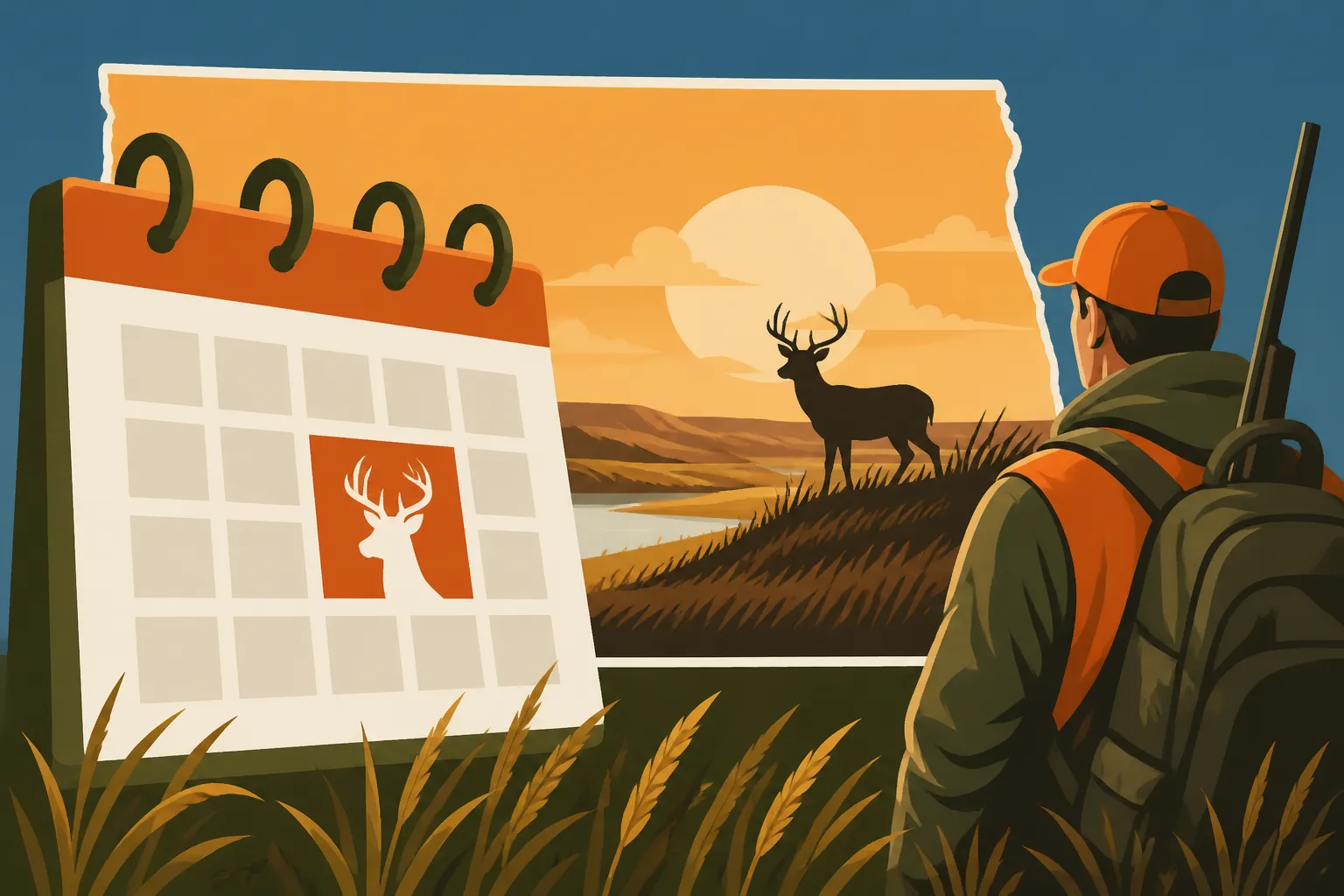
Let's say the waterfowl season opens on a Saturday. Your first day hunting public land for waterfowl as a nonresident would be the second Monday following that opening Saturday. This means you need to consult the official North Dakota Game and Fish Department (NDGFD) season dates carefully, count those nine days, and then mark your calendar for Day Ten. Missing this calculation can throw off your entire trip. Many hunters will plan a longer trip, perhaps arriving on day eight or nine to allow for scouting, setting up camp, or even hunting other species (like upland birds on certain lands, or deer if it's the right season and you have tags) on private land or specific public areas not covered by the waterfowl restriction, before jumping into the public land waterfowl action.
Communicating with Outfitters About Day Ten
If you're considering a guided waterfowl hunt in North Dakota, clear communication with your outfitter is absolutely paramount. Any reputable North Dakota outfitter will be intimately familiar with the Day Ten rule. In fact, many will explicitly state their nonresident waterfowl booking dates begin on Day Ten or later. When you're making inquiries, make sure to ask about this directly.
Don't assume they'll just know your residency status or your intentions. Be upfront: "I'm a nonresident, and I'm looking to book a waterfowl hunt. My ideal start date is [Date], which I believe is after the initial nine-day restriction for nonresidents on public land. Can you confirm your availability and how you handle the nonresident access?" This kind of direct question helps avoid any misunderstandings.
Many guides will book up quickly for these prime "Day Ten" slots, as it's the first opportunity for many nonresident clients. You might find outfitters offering packages that combine private land hunting for the first few days with public land hunting once Day Ten rolls around. Just ensure you understand exactly what you're paying for and what access you'll have on which days. For instance, if you're looking at platforms like BookYourHunt, be sure to filter your search by nonresident options and clarify the start dates with any listed outfitters. Booking a North Dakota Devils Lake Goose Hunt will almost certainly involve navigating these dates.
Licensing and Logistics for a Day Ten Start
Once your dates are squared away, you'll need to ensure all your licenses and permits are in order. North Dakota has specific requirements for nonresident hunters, especially when it comes to migratory birds. Don't leave this to the last minute; a missing or incorrect license can derail your entire hunt, regardless of when it starts.
Securing Your North Dakota Waterfowl License
As a nonresident, you'll need a North Dakota nonresident general game and habitat license, a nonresident small game license, and a nonresident waterfowl license. Beyond these, you'll also need a federal duck stamp and be HIP (Harvest Information Program) certified. It sounds like a lot, but it’s a standard process for migratory bird hunting across the country.
The key thing to remember is that the North Dakota nonresident waterfowl license itself has an important nuance: the "Zone-Restricted License." This license specifically allows you to hunt waterfowl on public land starting on Day Ten. There isn't a separate "pre-Day Ten" waterfowl license for nonresidents to hunt public land, because that activity is prohibited. So, when you purchase your North Dakota nonresident waterfowl license, you're buying the one that inherently kicks in for public land on Day Ten. Always check the current regulations on the NDGFD website for specific costs and purchase deadlines. You can find more detail on North Dakota Nonresident License Options.
| License Type | Required for Nonresident Waterfowl Hunting | Public Land Access (Waterfowl) | Notes |
|---|---|---|---|
| Nonresident General Game/Habitat | Yes | Yes | Base license required for all hunting activities. |
| Nonresident Small Game | Yes | Yes | Required for all small game, including waterfowl. |
| Nonresident Waterfowl (Zone-Restricted) | Yes | From Day 10 Onward | Specifically for public land waterfowl after the resident-priority period. |
| Federal Duck Stamp | Yes | Yes | Required nationwide for hunting migratory waterfowl. |
| HIP Certification | Yes | Yes | Required nationwide for hunting migratory birds. |
Navigating Public Versus Private Land Access
The Day Ten rule primarily affects public land. This distinction is crucial. If you have secured explicit permission to hunt private land from a landowner before Day Ten, you can hunt waterfowl on that specific private parcel. However, this is often easier said than done, as many landowners hold their prime hunting spots for friends, family, or leased access.
This is where working with an outfitter can be a significant advantage. Some outfitters have extensive private land leases, allowing them to offer nonresident waterfowl hunts even during the first nine days, strictly on their leased private properties. If you're going this route, make absolutely sure your outfitter confirms that the land they will be guiding you on during those first nine days is indeed private and that you have all the necessary permissions. Always ask for clarification on access. North Dakota Trespass and Permission Law is very clear about needing permission on private land, regardless of the Day Ten rule.
Conversely, if your plan is to exclusively hunt public lands – which are incredibly abundant and diverse in North Dakota – then Day Ten becomes your official start date for waterfowl. Many hunters choose to stick to public land, as it offers a vast array of opportunities once the restriction lifts. Utilizing resources like the North Dakota Game and Fish PLOTS guide or apps like GoHunt can help you identify accessible public lands, but always double-check the waterfowl-specific access rules.
Making the Most of Your Late Start
While waiting until Day Ten might feel like a delay, it actually comes with some distinct advantages that can lead to a more successful and enjoyable hunt. Don't view it as a disadvantage, but rather an opportunity to experience North Dakota waterfowl hunting with a different dynamic.
The Benefits of Hunting After the Initial Pressure
Imagine the opening weekend rush: hunters pouring into every accessible slough, field, and WPA, all eager for the first shot. While exciting, this intense initial pressure can quickly make birds wary. By the time Day Ten rolls around, some of that initial pressure has subsided. Birds might have shifted patterns, but they’ve also had a chance to settle into more natural routines after the opening frenzy.
You might find less competition for prime spots on public land, especially during weekdays following the opening weekend. The birds, while a bit wiser, haven't been relentlessly pursued for days on end by all hunters. This can lead to more natural decoying situations and better opportunities for calling. Furthermore, the migration patterns are continually shifting. By Day Ten, new waves of birds might be moving into the state, offering fresh opportunities that weren't even present on opening day. This later start can be especially productive for species that migrate a bit later in the fall. Focusing on Hunting Standing Corn for Late-Season Geese could be a strategy once Day Ten hits and cooler weather starts pushing birds south.
Beyond Waterfowl: Other Options for Early Season
If you're an ambitious nonresident who arrives before Day Ten, and you've got all your other licenses in order, you aren't completely shut out of hunting. North Dakota offers a fantastic array of other species during the early fall, many of which can be hunted on various public and private lands before the waterfowl restriction lifts.
Upland Birds: North Dakota is famous for its upland bird hunting. Pheasant, sharp-tailed grouse, and Hungarian partridge seasons typically open much earlier than the waterfowl public land access date for nonresidents. With a nonresident small game license and the general game and habitat license, you can often pursue these birds on PLOTS land or other accessible public areas without the nine-day restriction. Pheasant Hunting North Dakota's Prairie can be an incredible experience to fill those first few days.
Deer (Archery): If you've drawn a nonresident archery deer tag, the archery season usually opens quite early. This allows you to combine an early season deer hunt with your waterfowl plans, using the initial nine days for scouting, setting up stands, or actively bowhunting for deer. Just remember that nonresident bowhunters have their own specific restriction on public land access until September 1, so always check the current year's regulations carefully. You can learn more about Bowhunting North Dakota's Long Archery Season.
Predators: Coyote and fox hunting are open year-round in North Dakota, and these hunts can be incredibly exciting and challenging. If you arrive early, and have the appropriate licenses (typically just the general game and habitat license, but always verify), you could spend those initial days calling predators in open country or Coyote Calling North Dakota Farm Country, making good use of your time before the waterfowl season officially opens for you.
By diversifying your hunting plans, you can turn the "Day Ten" wait into a productive and memorable multi-species hunting adventure, showcasing the incredible breadth of opportunities North Dakota offers to the dedicated hunter.
Disclaimer
This article is for general informational purposes only and does not constitute professional advice. Laws, prices and regulations vary by location and change over time. Consult a qualified professional for guidance on your specific situation.