Whether Meat Processing Is Included in an Elk Package
It's incredibly frustrating when you book a hunting package, thinking everything is covered, only to discover a whole slate of hidden costs for things you absolutely need, like getting your hard-earned elk meat processed. This guide is here to clear up the confusion surrounding whether meat processing is included in those "all-inclusive" North Dakota elk hunting packages, helping you understand what to expect and what questions to ask before you even sign on the dotted line.
The Reality of "All-Inclusive" Elk Packages in North Dakota
When you're dreaming of a North Dakota elk hunt, especially in the rugged Badlands, the thought of securing that once-in-a-lifetime tag and then successfully harvesting an animal is often at the forefront of your mind. You picture the majestic landscape, the challenging stalk, and the incredible reward. But then the practicalities set in, and suddenly, questions about what happens after the shot become critical. Many hunters, especially those traveling from out of state, assume that an "all-inclusive" or "full-service" elk package will handle every aspect, right down to ready-to-freeze meat for the journey home. Unfortunately, this is rarely the case, and understanding this distinction is crucial for budgeting and planning.
The term "all-inclusive" in the hunting world can be a bit of a moving target, meaning different things to different outfitters and for different species. For an elk hunt, especially one in the demanding terrain of western North Dakota, it typically covers the guided experience itself, perhaps lodging, meals, and basic field care of your animal. However, the comprehensive transformation of a field-dressed elk into vacuum-sealed steaks, roasts, and burger is almost universally considered a separate, additional service that comes with its own set of costs and logistics. It’s a common point of confusion and a significant expense that many hunters overlook until it’s too late, leading to unexpected financial strain at the end of what should be a triumphant hunt.
What "All-Inclusive" Often Doesn't Mean for Meat
Let's get real about what "all-inclusive" usually doesn't cover when it comes to meat processing on an elk hunt. The grand vision of returning home with a freezer full of perfectly packaged elk often doesn't align with the standard offerings. Most outfitters are not butchers, nor do they operate full-service meat processing facilities at their camps. Their expertise lies in scouting, guiding, tracking, and the initial field care of your animal, which is an entirely different skill set from detailed butchering.
The frustration here is totally valid. You've just poured a significant amount of money and effort into drawing North Dakota elk hunting licenses and then booking a Average Cost of a Guided Badlands Elk Hunt, and now you’re facing another substantial bill. This can be a rude awakening, especially for those unfamiliar with big game hunting logistics in states like North Dakota. Many first-time elk hunters, or even seasoned deer hunters, might not realize the sheer scale of processing an animal the size of an elk compared to a whitetail. The labor, equipment, and refrigeration required are significant.
So, when an outfitter says "all-inclusive," understand that the phrase primarily refers to the hunting experience itself: the guide, the hunt, the camp amenities, and typically the immediate post-kill handling of the animal to preserve the meat and trophy. It’s about getting you successfully to your animal and ensuring its condition for transport, not preparing it for your dinner table. This distinction is vital for setting accurate expectations and avoiding that sinking feeling of unforeseen expenses.
Standard Inclusions You Can Expect
While full meat processing might be an extra, there are some critical services related to your elk that you absolutely should expect to be included in any reputable guided package. These are the foundational steps necessary to get your animal from the kill site to a state where it can be further processed. Think of these as the initial preservation efforts, not the final culinary preparation.
First and foremost, field dressing is almost universally included. This means the guide and their team will promptly and efficiently remove the internal organs of your harvested elk. This step is crucial for rapidly cooling the carcass and preventing spoilage, especially if you're hunting in warmer early-season conditions or deep in the Badlands where temperatures can fluctuate. A good guide knows that prompt field dressing is paramount to ensuring the quality of your meat. They'll also likely assist with quartering the animal, which is often necessary to get it off the mountain or out of rough terrain.
Secondly, you can expect transportation of the field-dressed or quartered animal from the kill site back to camp or a designated cooling facility. Anyone who has ever been on an elk hunt knows that these animals rarely expire conveniently close to a road or truck. Getting a massive elk out of a steep coulee or a remote draw in the Hunting North Dakota's Little Missouri National Grassland is a monumental task, often requiring specialized equipment like ATVs, pack horses, or even sheer manpower. Your guide's ability to safely and efficiently retrieve your animal is a non-negotiable part of their service. Upon arrival at camp, outfitters will typically have arrangements for initial cooling and temporary storage, whether that's a walk-in cooler, a refrigerated trailer, or simply a well-ventilated, shaded area with plenty of ice, until you can take it to a commercial processor or begin your own butchering. This is where the outfitter's responsibility for the meat generally ends, and yours, along with the processing costs, begins.
Deciphering Processing Options and Costs
Once you've got your elk back to camp and it's been field-dressed and properly cooled, the next big decision looms: how do you turn this magnificent animal into edible, manageable portions? This is where the pathways diverge, and understanding your options for meat processing in North Dakota becomes essential. It's not just about getting the work done; it's about the quality of the final product, the convenience, and, of course, the cost. Hunters have varying preferences, from the DIY approach to handing it off to professionals, and each path has its own set of considerations, especially when dealing with an animal as large as an elk.
For many nonresident hunters, the logistics of taking an entire elk carcass home can be overwhelming. This often leads them to seek out local processing solutions, either through their outfitter's recommendations or by finding a commercial butcher themselves. Even resident hunters might opt for a professional processor simply due to the time, space, and equipment required to handle an animal that can weigh several hundred pounds. It's a significant undertaking, and choosing the right route can make a huge difference in your post-hunt experience.
On-Site Processing vs. Commercial Processor
When it comes to getting your elk meat ready for the freezer, you essentially have two main avenues: attempting some form of on-site processing yourself or taking it to a professional commercial processor. Each has its pros and cons, and your choice will largely depend on your experience, available time, equipment, and the nature of your hunting trip.
On-Site Processing (DIY or Camp Butchering): Some outfitters might offer a basic area for hunters to do their own butchering, or you might choose to break down the animal yourself if you have the skills and tools. This usually involves quartering the animal, perhaps deboning it, and making some rough cuts for roasts and stew meat, then bagging or wrapping it for transport. The biggest advantage here is often cost savings, as you avoid commercial processing fees entirely. It also gives you complete control over how your meat is cut and packaged, and many hunters enjoy the hands-on experience of processing their own game. However, the downsides can be significant. It requires a considerable amount of knowledge, specialized knives, a clean work area, ample refrigeration or ice, and a lot of time and physical effort. If you're on an Packing for an Eight-Day North Dakota Elk Hunt, you might not have the energy or the facilities to properly process an entire elk, risking spoilage or lower-quality cuts. Plus, the sheer volume of meat from a North Dakota elk can be daunting for even experienced home butchers.
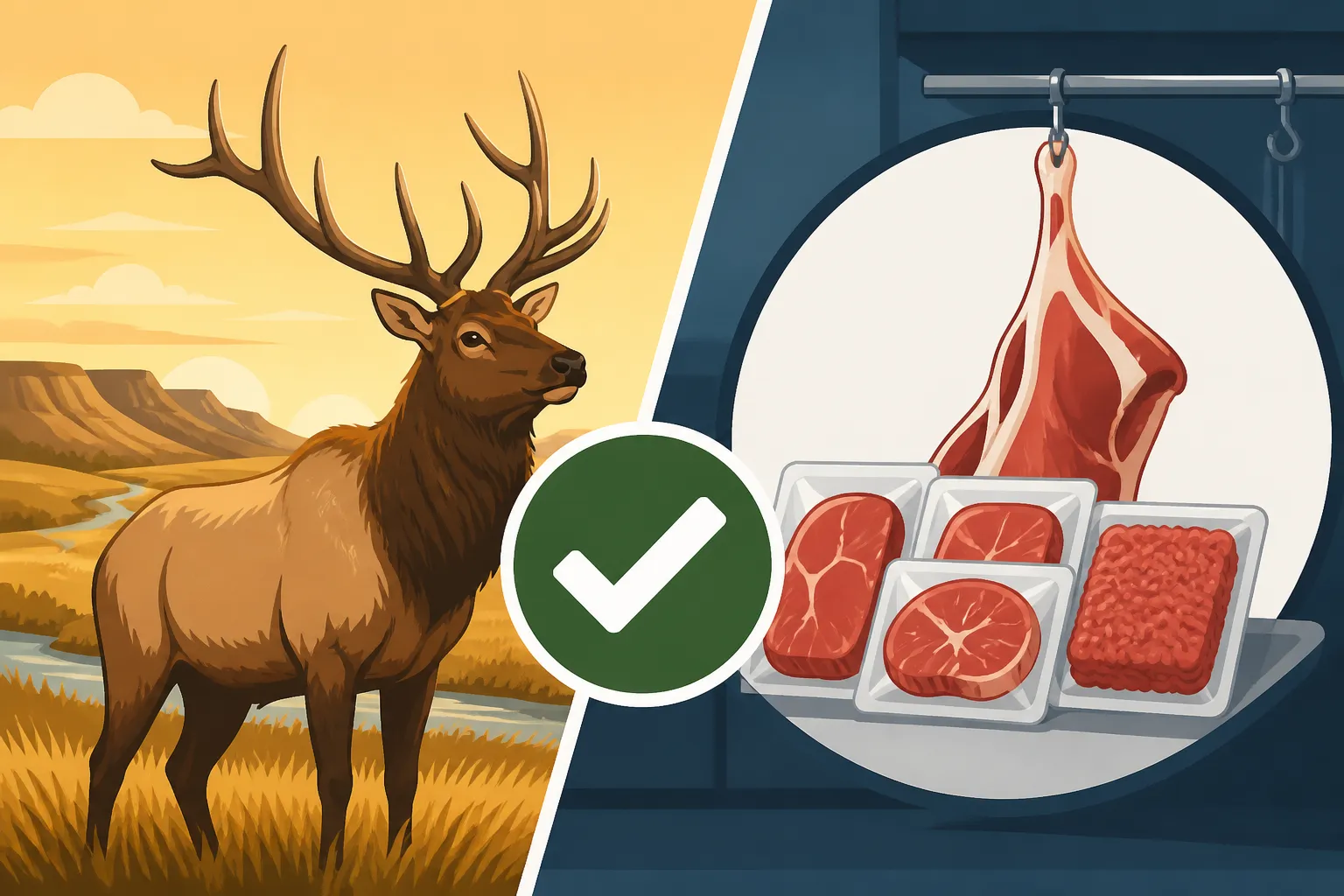
Commercial Processors: This is often the preferred route for most hunters, especially those traveling long distances or who want professionally cut and packaged meat. North Dakota has a network of local butcher shops and meat lockers that specialize in wild game. You'll typically drop off your field-dressed or quartered elk, discuss your cutting preferences (steaks, roasts, burger, jerky, sausage), and pick it up later, usually within a week or two. The major benefit here is convenience and quality. You get perfectly trimmed, vacuum-sealed, and labeled cuts, maximizing the yield and shelf life of your meat. The challenge, however, is the cost, which can be substantial, and the logistics of getting your elk to the processor shortly after the harvest. Your outfitter will often have recommendations for reputable local processors, and sometimes even a relationship that helps facilitate the drop-off. You'll want to coordinate with them ahead of time to understand this process fully.
Factors Influencing Meat Processing Fees
Understanding what drives the cost of professional meat processing is key to avoiding sticker shock. It's not a flat fee; rather, it's a tiered system influenced by several factors. When you drop off your elk at a processor in, say, Beach or Dickinson, you'll be presented with a menu of options that directly impact your final bill.
The primary driver of cost is typically the weight of the animal. Most processors charge based on the hanging weight of the carcass or the initial take-in weight. A large bull elk from the North Dakota Elk Herd Population Estimate can yield a significant amount of meat, easily pushing processing costs higher than for a deer. The more meat there is to handle, cut, and package, the more labor and materials are involved. Secondly, the type of cuts you request will play a major role. Standard cuts like steaks, roasts, and ground meat are generally included in the base price, but specific, labor-intensive requests can add up. Want your steaks cut extra thick or a certain way? Expect it to cost a bit more.
Third, packaging preferences are a factor. Basic freezer paper wrapping is often the default, but many hunters opt for vacuum sealing, which dramatically extends the freezer life and prevents freezer burn. This premium packaging comes at an additional charge per pound or per package. Finally, and often the most significant add-ons, are specialty products and requests. Transforming your elk trim into jerky, summer sausage, hot dogs, or other cured and smoked products is a highly sought-after option, but it requires specialized equipment, ingredients, and additional processing time. These can substantially increase your bill, sometimes doubling or tripling the base processing cost. For instance, getting 50 pounds of elk burger turned into snack sticks or salami can add a few hundred dollars to your tab. Always clarify these options and their associated costs upfront with the processor.
Questions to Ask Your North Dakota Elk Outfitter
The absolute best way to avoid unwelcome surprises regarding meat processing is to be proactive and ask very specific questions before you book your hunt. Don't assume anything. A good outfitter will appreciate your thoroughness and be transparent about their services and any associated costs. This conversation should happen well in advance, ideally when you're comparing different outfitters, perhaps even utilizing platforms like BookYourHunt to find and vet potential guides. Knowing these details upfront will allow you to budget correctly and make informed decisions about your Booking a Guide for an Elk Tag You Drew.
It's tempting to focus solely on the hunting itself – the trophy potential, the hunt style, the success rates. But a successful hunt doesn't end until that meat is safely in your freezer. So, shift some of that pre-booking energy to understanding the logistics of post-harvest care. You're making a significant investment in a What a Once-in-a-Lifetime Elk Tag Means and an adventure, so ensure you understand every facet of that investment.
Clarifying Meat Handling Post-Harvest
When you're talking to a North Dakota elk outfitter, you need to go beyond the general question of "Is processing included?" and dive into the specifics of how your harvested elk will be handled once it's on the ground. This detailed discussion will reveal exactly where their responsibility ends and yours begins, and what logistical support they can offer.
Start by asking about field dressing and caping. Will they fully field dress the animal promptly? Who performs this task? If you want to cape your elk for a shoulder mount, will they assist with this, or do they have a recommended taxidermist they can deliver it to? Clarify their expertise in caping for trophy preservation, as this is a critical step for taxidermy. Next, inquire about the transport from the kill site. This is a major undertaking for an elk. How do they retrieve the animal from rough terrain? Do they quarter it on site, or bring the whole carcass back? What is their method of transport – ATV, truck, pack animal, or something else? Knowing this helps you understand their capabilities and potential delays.
Finally, confirm initial cooling and storage at camp. Do they have a walk-in cooler, a refrigerated trailer, or large chests with ice? How long can they store the meat for you? This is vital, especially if you need to make arrangements with a commercial processor or prepare for a long drive home. A reliable outfitter will have a clear, effective plan for rapidly cooling and storing the meat to prevent spoilage, ensuring the quality of your hard-earned venison.
Understanding Processing Logistics and Recommendations
Beyond the initial field care, your conversation with the outfitter should delve into the logistics of professional meat processing. This is where you connect the dots between harvesting the animal and getting it ready for your kitchen. Outfitters who regularly guide elk hunts in North Dakota will have established relationships and procedures for this part of the process.
Ask them directly: "Do you have recommended local processors?" A good outfitter should be able to provide you with names, contact information, and perhaps even estimated wait times for reputable butcher shops in the area, such as those near Medora or Belfield. Some outfitters might even offer a service, sometimes for an additional fee, to deliver your elk to a specific processor for you. This can be a huge convenience, especially if you're flying out or have other travel plans that prevent you from taking it directly. When using a resource like GoHunt for research, pay attention to any outfitter reviews that mention their processing procedures.
Inquire about estimated turnaround times from these processors. Elk meat can take longer to process than deer due to its size and potential for aging. You'll want to know if you can pick up the meat before you leave North Dakota or if you'll need to arrange for shipping. Speaking of shipping, discuss coordination for pickup or shipping. If you can't pick up the meat yourself, what are your options? Will the processor ship it directly to you (often at a significant cost), or can the outfitter assist in any way with coordinating freight? Understanding these logistical options is critical for nonresident hunters who have to navigate travel with hundreds of pounds of frozen meat.
Here's a quick comparison of typical meat handling inclusions and exclusions in a North Dakota elk package:
| Feature | Typically Included in Package | Typically NOT Included in Package (Extra Cost) |
|---|---|---|
| Field Dressing | Yes, prompt and thorough removal of entrails. | N/A (fundamental part of guiding service) |
| Carcass Retrieval | Yes, from kill site to camp/transport vehicle. | N/A (fundamental part of guiding service) |
| Initial Cooling | Yes, temporary storage in cooler, refrigerator, or with ice. | N/A (crucial for meat preservation) |
| Caping for Trophy | Often included or assisted, confirm specifics. | Specialized taxidermy services or final prep for mounting. |
| Transport to Processor | Sometimes offered as an extra service for a fee; confirm. | Cost of professional butchering facility. |
| Meat Processing | No, full butchering, cutting, grinding, packaging. | All aspects of cutting, packaging, and specialty products. |
| Specialty Products | No, jerky, sausage, snack sticks, cured meats. | Additional charges per pound for these custom items. |
| Vacuum Sealing | No, often an upgrade from basic freezer paper. | Extra charge per pound for vacuum-sealed packaging. |
| Shipping Meat Home | No, arranging and covering shipping costs is the hunter's responsibility. | Freight, dry ice, and packaging for transporting frozen meat. |
Planning for Meat Processing on Your North Dakota Elk Hunt
After all the hard work, the planning, the scouting, and the successful shot on your North Dakota elk, you don't want the joy of the harvest to be overshadowed by logistical headaches or unexpected financial burdens related to meat processing. This final stage of your hunt, while less glamorous than the stalk, is arguably just as important. Properly planning for meat processing ensures that you get to enjoy the incredible table fare that elk meat offers, without added stress. It’s about having a clear strategy for the final steps, from budgeting to getting your prized venison all the way home.
Whether you're drawing one of North Dakota's coveted North Dakota's 1,062-License Elk Season tags or securing one through a landowner program, the amount of meat you'll gain is substantial. A mature bull elk can yield several hundred pounds of boneless meat, a truly impressive bounty that requires careful consideration. Don't let the excitement of the hunt blind you to these practical necessities; integrate them into your overall hunt plan from the very beginning.
Budgeting for Unexpected Processing Expenses
One of the biggest pitfalls for hunters is underestimating the cost associated with professionally processing an elk. While the hunt itself is an investment, the subsequent cost of transforming a field-dressed animal into freezer-ready portions can be a significant addition that many fail to properly budget for. Don't be that hunter scrambling for cash at the end of a successful trip; plan for these expenses as meticulously as you plan for your gear or your Physical Prep for Badlands Elk Terrain.
It's wise to set aside a dedicated fund specifically for meat processing. This money should be separate from your hunting license fees, guide fees, travel costs, and other incidentals. The exact cost will vary based on the processor, the size of your elk, and your desired cuts and specialty products. However, thinking in terms of "dollars per pound" for boneless meat or "per animal" for a base processing fee can help. Remember, a typical elk might yield anywhere from 150 to 300 pounds of boneless meat, so even a modest charge per pound can quickly add up. For example, if you estimate a base processing fee plus specialty items like sausage or jerky, you could easily be looking at several hundred dollars. This is not a small amount, and it’s important to acknowledge it upfront.
Consider a hypothetical breakdown: there might be a base fee for skinning, cutting, and packaging standard cuts, then additional charges for vacuum sealing, and even more for turning trim into pepperoni sticks or breakfast sausage. These add-ons are popular for a reason—they make great use of the entire animal and provide delicious variety—but they do come at a premium. Budgeting conservatively for these "unexpected" costs means you won't be surprised, and you can truly savor the success of your hunt.
Preparing for Transporting Your Elk Meat Home
Getting your processed elk meat from a North Dakota processor back to your home freezer, especially if you're an out-of-state hunter, requires careful planning and the right equipment. You can't just throw hundreds of pounds of meat into the back of a rental car and expect it to stay frozen for a multi-day drive or a cross-country flight. This is where your preparedness for Packing for an Eight-Day North Dakota Elk Hunt extends to your precious cargo.
First and foremost, you'll need quality coolers. Not just any coolers, but sturdy, well-insulated ones that can maintain freezing temperatures for extended periods. Consider large, durable coolers that can hold a significant amount of weight and are designed for extreme temperatures. The number of coolers will depend on the yield of your elk, but for a bull, you're likely looking at several sizable containers. Secondly, dry ice is often your best friend for long-distance transport. It’s much colder than regular ice and sublimates (turns directly into gas) rather than melting into water, keeping your meat dry and deeply frozen. Many sporting goods stores or grocery chains in larger North Dakota towns will sell dry ice. Learn how to handle it safely (wear gloves!) and how much you'll need for your travel time.
Finally, be aware of state regulations for transporting game meat across state lines. While generally straightforward for processed meat, some states have specific rules, and it's always best to check with your home state's game and fish department if you have any doubts. Ensure all packages are clearly labeled with the type of meat and the cuts, especially if you're not the one doing the packing. For air travel, specific TSA regulations apply to game meat and dry ice, often requiring proper ventilation and certain weight limits. Coordinate with your airline well in advance if you plan to fly with your frozen elk meat as checked baggage, as rules can vary and often require special arrangements.
Disclaimer
This article is for general informational purposes only and does not constitute professional advice. Laws, prices and regulations vary by location and change over time. Consult a qualified professional for guidance on your specific situation.