Booking a North Dakota Hunt as a Nonresident Group
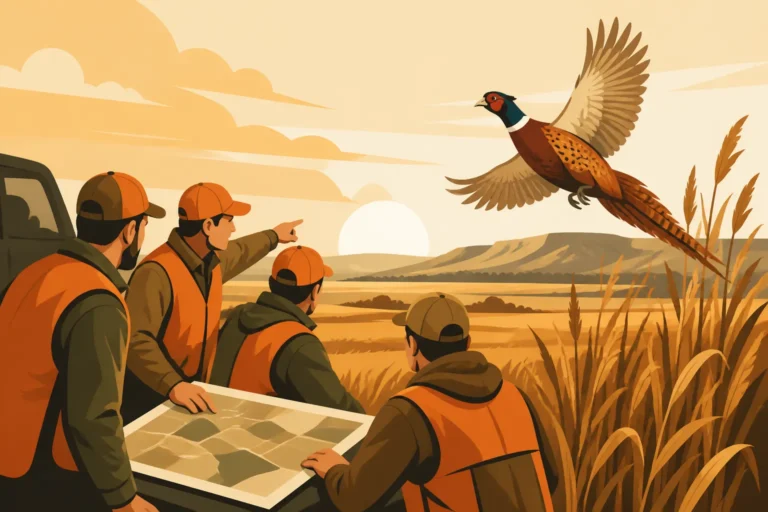
Planning a hunting trip to North Dakota with a group of friends or family sounds like an incredible adventure, but let's be real – organizing multiple people, especially as nonresidents, can feel like herding cats through a blizzard. From navigating complex licensing rules to finding suitable land access for everyone, the logistical hurdles can quickly dampen the excitement. This comprehensive guide is here to untangle those challenges, offering practical advice and insights to ensure your nonresident group hunt in North Dakota is as smooth and successful as possible, full of shared memories rather than frustrations.
Understanding the Unique Challenges for Nonresident Groups
Embarking on a hunting trip to North Dakota as a nonresident group presents a distinct set of obstacles that are often overlooked until you're deep into the planning process. It’s not just about booking flights and packing gear; it's about understanding the nuances of the state's hunting regulations, land access policies, and the sheer effort required to coordinate multiple individuals. Ignoring these challenges can lead to frustration and a less-than-ideal experience for everyone involved.
Navigating License and Tag Limitations
One of the biggest hurdles for any nonresident hunter in North Dakota is securing the necessary licenses and tags, and this challenge is compounded when you're trying to coordinate for an entire group. Unlike some states where over-the-counter tags are plentiful, North Dakota often operates on a lottery system for popular big game species like deer. This means there's no guarantee that every member of your group will draw a tag, which can throw a wrench into your carefully laid plans. Imagine half your group drawing a coveted buck tag while others are left with antlerless permits, or worse, no tag at all for the desired species. It creates an immediate disparity in the group's hunting opportunities. Understanding the odds, application deadlines, and various North Dakota Nonresident License Options is crucial well in advance of your desired hunt date.
Furthermore, North Dakota distinguishes between different types of licenses. For instance, a nonresident small game license is typically easier to acquire and doesn't involve a lottery, making it a more accessible option for groups focused on upland birds like pheasants or waterfowl. However, even with these, there can be specific restrictions or requirements to be aware of. The key is thorough research, understanding each individual's preferred species, and having a backup plan in case the lottery doesn't go your way for certain members.
Public Land Access and Restrictions
North Dakota is famous for its vast expanses and incredible public land opportunities, but for nonresidents, especially those hunting as a group, there are specific rules that require careful attention. The most significant of these is the restriction on nonresident access to public land, including PLOTS (Private Land Open To Sportsmen) areas, for the first few days of certain seasons. For instance, during the initial period of the archery deer season, nonresidents are often restricted to hunting only on private land for which they have written permission. This means that if your group plans to hunt entirely on public ground, you might have to delay your trip or secure private land access beforehand. Knowing How Many Days Nonresidents Wait for Public Land Bow Access can drastically impact your group's scheduling.
This restriction can be a real headache when you have a large group all hoping to hunt together on the same ground. It necessitates either securing enough private land access for everyone – which can be a monumental task in itself – or ensuring your trip dates align with when public land becomes accessible to nonresidents. Additionally, understanding the specific rules for different types of public lands, such as Waterfowl Production Areas or Wildlife Management Areas, is vital. Some areas might have vehicle restrictions, require walk-in access, or have different rules for specific game species.
Coordinating Group Logistics
Beyond licenses and land, simply coordinating the logistics for a group hunt can be incredibly challenging. Everyone has different schedules, budgets, expectations, and even preferred hunting styles. One person might be a hardcore archer aiming for a trophy buck, while another is more interested in a relaxed bird hunt and camp camaraderie. Reconciling these differences requires clear communication and compromise from the outset.
Think about the practicalities: booking accommodations large enough for everyone, coordinating travel plans (especially if people are coming from different states), sharing communal gear, and agreeing on meal plans. If you're planning a DIY hunt, who will scout? Who will be responsible for mapping out routes? Who has a vehicle capable of hauling harvested game? These aren't trivial questions. Disagreements over hunt strategy, who gets to hunt which stand, or even who is responsible for cooking dinner can quickly sour a trip if not addressed proactively. Establishing a clear leader or delegating responsibilities among group members early on can prevent a lot of potential friction and ensure a smoother, more enjoyable experience for everyone.
Deciding Between Self-Guided and Outfitter Services for Your Group
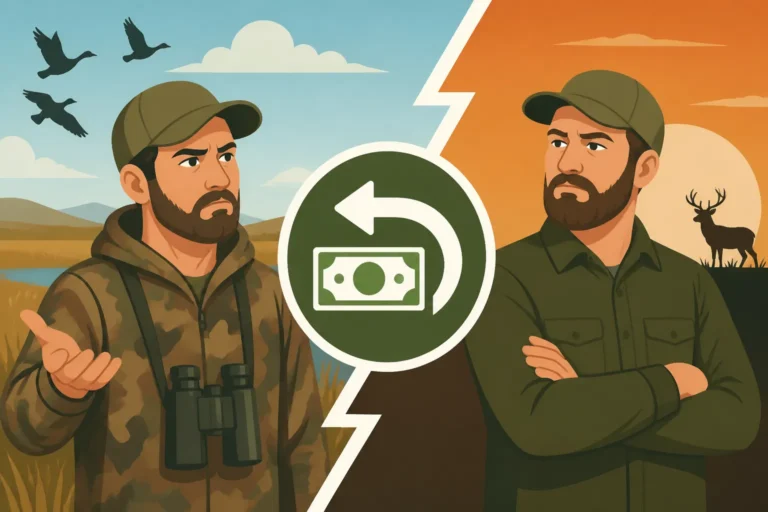
When planning a nonresident group hunt in North Dakota, one of the most fundamental decisions you'll face is whether to go the self-guided route or hire an outfitter. Both options have their distinct advantages and disadvantages, and the "best" choice really depends on your group's experience level, budget, time commitment, and what kind of hunting experience you're truly seeking. It's a trade-off between control and convenience, cost and expertise.
The Self-Guided Group Adventure
Opting for a self-guided hunt with your group can be an incredibly rewarding experience. The biggest draw is often the significant cost savings, as you're not paying for a guide's services, lodging, or prepared meals. This allows your group to allocate more of its budget to licenses, travel, and specialized gear. Furthermore, a self-guided trip offers unparalleled flexibility. Your group dictates the schedule, the areas you hunt, and the pace of the hunt. You can chase pheasants in the morning, pivot to deer scouting in the afternoon, and change plans entirely if weather or game movement dictates, all without having to consult with a guide.
The camaraderie on a self-guided trip is also a huge factor. The shared challenges of scouting, setting up camp, cooking meals, and overcoming obstacles together can forge incredibly strong bonds and create lasting memories. However, this path demands a considerable investment of time and effort in preparation. Your group will be responsible for all scouting, understanding local regulations, securing land access, providing all necessary equipment, and handling every logistical detail. If your group lacks collective experience in North Dakota or with the specific game species, or if members have limited time for pre-hunt preparation, a self-guided approach can quickly become overwhelming. The success of a DIY trip often hinges on extensive research and boots-on-the-ground scouting, sometimes months in advance. You need to be honest about your group's capabilities and commitment.
The Benefits of a Guided Group Hunt
For many nonresident groups, especially those new to North Dakota or seeking a more streamlined experience, a guided hunt offers a compelling solution. The primary advantage is the expertise and local knowledge that a reputable outfitter brings to the table. They know the terrain, understand game patterns, and often have established private land access that would be difficult or impossible for an individual group to secure. This can significantly increase your group's chances of success and drastically reduce the stress of pre-hunt planning.
Outfitters typically provide everything from lodging and meals to transportation in the field and expert guidance. Imagine waking up to a hot breakfast, heading out with a seasoned guide who knows exactly where to find birds or deer, and returning to a comfortable lodge for dinner and stories, all while someone else handles the logistics. This allows your group to focus entirely on the hunting experience and the camaraderie. Many North Dakota Hunting Lodges and Packages cater specifically to groups, offering comfortable accommodations and tailored experiences. While the cost is higher than a self-guided trip, the value in terms of convenience, local knowledge, and potentially higher success rates can be well worth the investment for a group looking to maximize their hunting time without the planning burden.
Hybrid Approaches and Semi-Guided Options
Sometimes, the perfect solution lies somewhere in the middle. Not every group wants a fully outfitted, all-inclusive package, but they might still appreciate some professional assistance. This is where semi-guided or hybrid hunt options come into play. A semi-guided hunt, as the name suggests, often means the outfitter provides some key services without being fully hands-on during the entire hunt. For example, they might provide pre-scouted areas, maps, or even transportation to a drop-off point, but leave the actual hunting strategy and execution to your group. This can be a great way to gain local insights and access while retaining a good degree of independence.
Another hybrid approach might involve booking an outfitter for a specific portion of your trip, such as a few days for pheasants, and then transitioning to a self-guided deer hunt. Or, an outfitter might provide lodging and meals, but you handle all the hunting in the field yourself, utilizing their private land access. Some groups might even hire a local scout for a day or two to point them in the right direction before embarking on their own. Understanding What a Semi-Guided North Dakota Hunt Means for a particular outfitter is key, as the offerings can vary widely. These flexible options allow your group to customize the experience to perfectly match your budget, desired level of independence, and hunting goals.
| Feature | Self-Guided Group Hunt | Outfitted Group Hunt | Semi-Guided Group Hunt |
|---|---|---|---|
| Planning Effort | Very High (all logistics, scouting) | Low (outfitter handles most) | Medium (some logistics, some outfitter support) |
| Cost | Lower (licenses, travel, gear, food) | Higher (all-inclusive packages) | Moderate (some services, some DIY) |
| Flexibility | Very High (complete control over itinerary) | Lower (adhere to outfitter's schedule) | Medium (some control, some structure) |
| Local Knowledge | Requires extensive pre-hunt research/scouting | Provided by experienced guides | Partial (maps, access, initial guidance) |
| Success Potential | Varies widely (depends on group skill/prep) | Generally higher (guided to prime areas) | Good (leverages some local insights) |
| Gear Required | All personal and group hunting/camping gear | Mostly personal hunting gear (outfitter provides camp gear) | Mix of personal and some provided gear |
| Physical Demands | Can be high (packing, tracking, field prep) | Varies (often less rigorous logistics) | Moderate |
Practical Steps for Booking a Nonresident Group Hunt
Once your group has decided on the type of hunt – self-guided, fully outfitted, or a hybrid – it's time to dive into the practical steps of booking your adventure. This phase is all about meticulous planning, clear communication, and ensuring all legal requirements are met. Rushing through this process, especially with multiple people involved, is a recipe for missed opportunities and potential frustration.
Initial Planning and Research
The absolute first step for any group planning a nonresident hunt in North Dakota is to establish collective goals. What species are you targeting? When do you want to hunt? What's the realistic budget per person? Are there any non-negotiables, like specific dates or types of lodging? Getting these answers from everyone upfront will significantly narrow down your options and prevent disagreements later.
For those considering an outfitted experience, the research phase is critical. Don't just pick the first outfitter you find online. Platforms like BookYourHunt can be valuable resources for finding reputable outfitters with reviews and package details, giving you a good starting point. Similarly, GoHunt offers resources that can help pinpoint potential areas or outfitters based on species. Look for outfitters that specialize in group hunts and clearly outline their offerings. Check their reputation, read testimonials, and inquire about their experience with nonresident groups specifically. Think about the season: North Dakota's Long Archery Season offers different challenges and opportunities than the North Dakota's November Gun Deer Season. If you're targeting pheasants, ensure the outfitter has a strong track record for Pheasant Hunting North Dakota's Prairie. Remember, Vetting a North Dakota Hunting Outfitter thoroughly is paramount.
Communicating with Outfitters
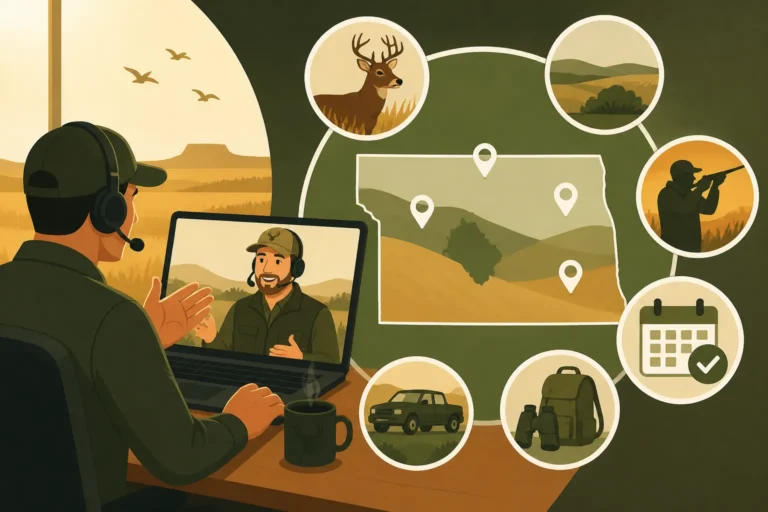
Once you've shortlisted a few potential outfitters, it's time to get in touch. This is where your pre-determined group goals come in handy. Be upfront about the size of your group, your target species, desired dates, and budget range. Don't be shy about asking detailed questions. You'll want to know exactly what's included in the package price (lodging, meals, guides, transportation, bird cleaning, etc.) and what's not (licenses, gratuities, meat processing, taxidermy).
Ask about their success rates for previous nonresident groups targeting your desired species. Inquire about their cancellation policies, especially regarding unforeseen circumstances like severe weather or if some members of your group fail to draw tags. Understanding Questions to Ask a North Dakota Outfitter will empower you to make an informed decision. Get everything in writing before putting down a deposit. A clear, comprehensive agreement protects both your group and the outfitter. Remember, a good outfitter will be happy to answer all your questions and provide references from past clients.
Legalities, Licenses, and Permits for the Group
This is perhaps the most critical step and one that absolutely cannot be overlooked. North Dakota has specific licensing requirements and deadlines, especially for nonresidents, and failing to adhere to them can ruin your trip before it even begins. Ensure every member of your group understands and applies for the correct North Dakota Hunting Licenses and What They Cost. If you're applying for lottery-based tags like deer, make sure everyone applies correctly and by the deadline. It might be wise to have a designated person in your group oversee this process, ensuring all applications are submitted accurately and on time.
Furthermore, consider any additional certifications required, such as North Dakota Hunter Education Requirements. If any member of your group is underage or new to hunting, they might fall under specific mentored youth hunting rules. For waterfowl, a federal duck stamp and HIP (Harvest Information Program) certification are mandatory. If your group is planning to hunt on private land, you must understand North Dakota's trespass laws and ensure you have proper written permission. Keep copies of all licenses and permits readily accessible, whether digital on your phone or printed out. One person's oversight can impact the legality of the entire group's hunt.
Maximizing Your Group's North Dakota Hunting Experience
You’ve done the hard work of planning and booking your nonresident group hunt in North Dakota. Now it’s time to shift focus to making the actual experience as memorable and successful as possible. This involves more than just hunting; it’s about preparing for the environment, fostering positive group dynamics, and embracing the entire journey.
Setting Realistic Expectations
It's natural for everyone in a hunting group to have high hopes, but it's crucial to temper those with a dose of realism, especially when hunting in a new state like North Dakota. Not every hunt will result in a trophy animal or a full limit of birds, and that’s perfectly okay. The true value of a group hunt often lies in the shared experience, the camaraderie around the campfire, the stories told, and the beauty of the North Dakota landscape.
Discuss expectations openly with your group before you even leave home. Are some members looking for a challenging spot-and-stalk opportunity, while others are content simply enjoying the outdoors and bagging a bird or two? If there are varying skill levels or physical abilities, plan activities that cater to everyone. For example, some might enjoy Walking a Pheasant Field at Midday while others prefer sitting a blind. Focus on the journey, the adventure, and the bonds you're strengthening. A realistic mindset will prevent disappointment and allow everyone to appreciate the unique experience of hunting North Dakota together.
Preparing for the Prairie Environment
North Dakota's hunting grounds, whether in the rolling Badlands or the vast prairie pothole region, present unique environmental challenges that your group needs to be prepared for. The weather can be famously unpredictable, swinging from mild autumn days to bitter cold and heavy snow in a matter of hours. Layered clothing is non-negotiable, and every member of your group should be equipped for a range of conditions. This includes quality waterproof and windproof outerwear, insulated boots, hats, and gloves. Check the forecast regularly, but be ready for anything.
Beyond weather, consider the terrain. If you're hunting mule deer in the Badlands, expect steep coulees and challenging climbs that demand physical fitness. For upland birds or waterfowl in the prairie, expect long walks through dense cover or muddy fields. Ensure everyone in your group has appropriate footwear and is physically conditioned for the demands of the hunt. Have an emergency kit, reliable navigation tools (GPS, maps, compass), and plenty of water. Referencing a guide on Packing for an Eight-Day North Dakota Elk Hunt can provide valuable insights, even if you're not targeting elk, as many principles of layering and gear apply across species in the rugged North Dakota environment.
Post-Hunt Logistics and Memories
The hunt doesn't end when an animal is harvested. For a group, post-hunt logistics require just as much planning and coordination as the hunt itself. Field dressing, hauling, and processing game can be a significant undertaking, especially if multiple animals are taken. Discuss beforehand how you will handle these tasks. Will you process the game yourselves at camp, or will you utilize local meat processors? If using a processor, map out locations in advance.
Consider how you will transport meat and trophies home. Coolers, dry ice, and proper packaging are essential. If anyone in the group is interested in taxidermy, research local taxidermists or prepare capes and antlers for transport back to a taxidermist in your home state. Finally, take time to celebrate your accomplishments, big or small. Share photos, recount stories from the field, and relish the shared memories. These moments are what truly make a group hunting trip special and lay the groundwork for future adventures in the vast, wild beauty of North Dakota.
Disclaimer
This article is for general informational purposes only and does not constitute professional advice. Laws, prices and regulations vary by location and change over time. Consult a qualified professional for guidance on your specific situation.