Calling a Fall Turkey Flock Apart
Hunting fall turkeys can often feel like trying to herd cats – a large, extremely wary, and tightly-knit group of cats. Unlike the spring season where a lone gobbler might readily commit to a call, fall flocks are notorious for their evasive behavior, making it incredibly frustrating to get a shot opportunity. This guide is here to unravel the mystery of these elusive birds, walking you through the highly effective strategy of scattering a fall turkey flock and then skillfully calling individual birds back into range in North Dakota's diverse landscapes.
Understanding Fall Turkey Behavior and Flock Dynamics
When you step into the fall woods of North Dakota, whether it's the timbered river bottoms or the scattered shelterbelts on the prairie, you're dealing with a completely different animal than the lovesick gobblers of spring. The dynamics shift entirely, and understanding this is the first step toward successful hunting.
Why Fall Turkeys Are Different
In the fall, turkeys aren't thinking about breeding; they're driven by survival, food, and the unwavering security of their flock. You'll typically encounter large family groups – hens, jakes, and their poults from the spring hatch – often numbering anywhere from a dozen to fifty birds. These flocks are incredibly cohesive, constantly communicating with soft clucks and purrs, and relying on many eyes and ears for predator detection. This makes them significantly more wary and less responsive to the aggressive, attention-grabbing calls that work so well in spring.
Their primary focus is foraging and staying together. They'll spend their days scratching for mast crops like acorns, gleaning leftover grains from harvested fields, or searching for insects in prairie grasslands. The collective intelligence of the flock means they're difficult to sneak up on, and approaching them in plain sight often results in them silently slipping away long before you're in range. You might find them in areas like the mixed grasslands bordering croplands in eastern North Dakota, or tucked away in dense pockets of timber along the Little Missouri River, constantly on the move but always as a unit.
The Importance of Scouting and Locating Flocks
Before you can even think about scattering a flock, you need to know where they are. Fall turkey hunting relies heavily on thorough scouting, often more so than spring. Start well before the season, or use the initial days to locate active areas. Look for tell-tale signs: fresh tracks in muddy trails, distinct "scratchings" where they've dug for food, piles of droppings under roost trees, and feathers left behind where they've dusted.
Listening is another critical tool. Turkeys will often "talk" when flying up to or down from their roosts. Head out at dawn or dusk to listen for those distinct sounds in likely roosting areas, which often include mature timber stands along rivers or in larger shelterbelts. Places like the breaks of the Missouri River or the more wooded areas of the Turtle Mountains are prime spots. The North Dakota Turkey Roost Tree Preferences can give you an idea of what kinds of trees they favor.
Food sources are paramount in fall. Turkeys will congregate where food is abundant. This could be cornfields, soybean fields, or even areas rich in wild berries. A mapping tool like GoHunt can be invaluable here, allowing you to scout from home by identifying potential food sources and dense cover where turkeys might be holding up. Comparing this with recent harvest reports or the North Dakota Fall Turkey Harvest Numbers can give you a general idea of high-density areas. Remember, successful Fall Turkey Hunting in North Dakota really starts with good intel.
The Art of Scattering a Flock
Once you've located a flock, the real strategy begins: scattering them. This isn't about calling them in; it's about breaking their unity and making them feel vulnerable enough to respond to your calls later.
The Element of Surprise and Aggressive Approach
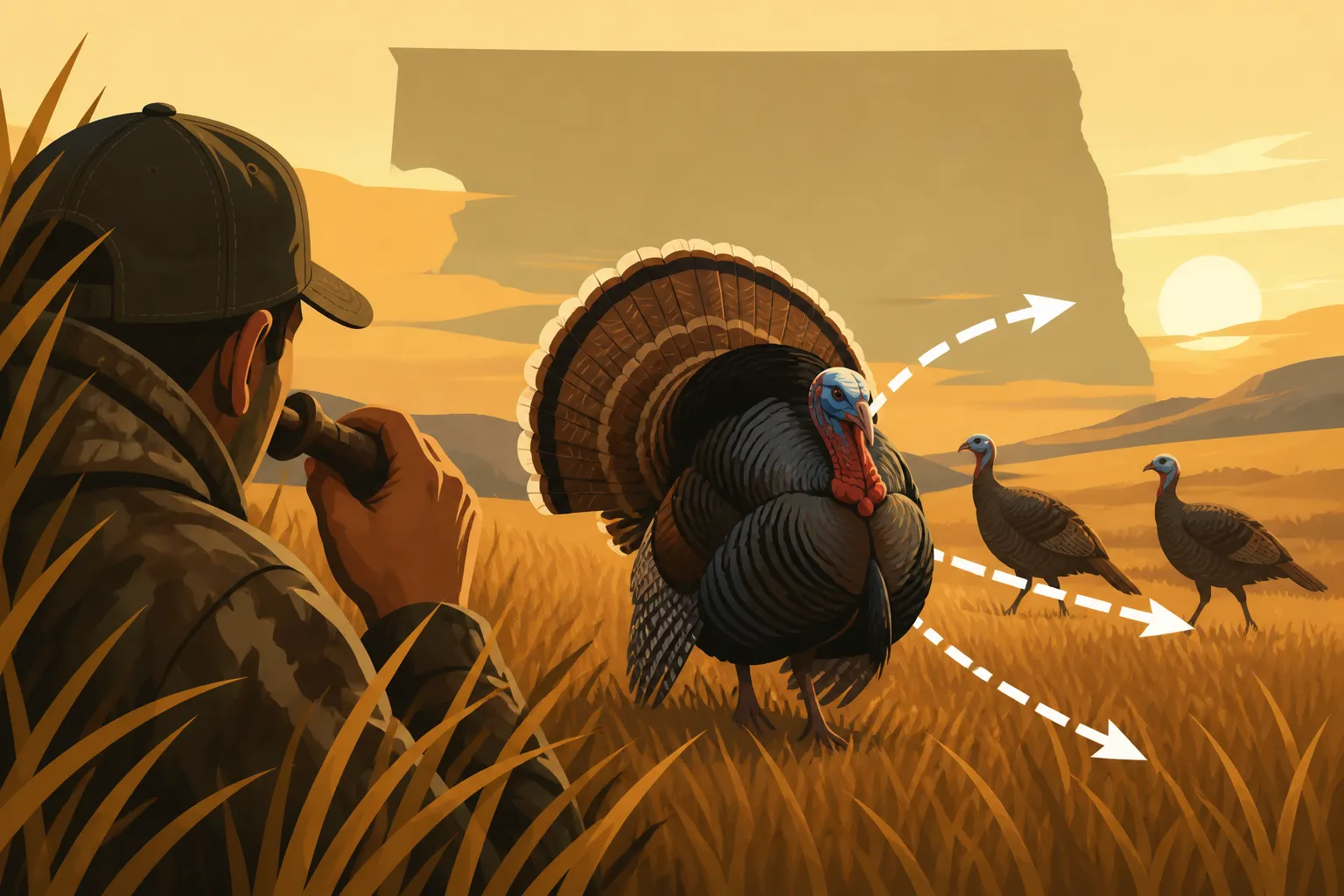
The core principle behind scattering a flock is disruption. You want to make them panic and separate, stripping away their collective security. This means a direct, aggressive approach, often requiring you to literally run into the middle of them. It sounds counterintuitive for hunting, but it's incredibly effective.
If you find a flock feeding in a field or walking along a timber edge, the goal is to close the distance as quickly and quietly as possible, then burst into their midst. Don't worry about being stealthy at this point; the objective is to create chaos. The sudden intrusion should send birds flying and running in every direction. This can be exhilarating and a bit startling, so be prepared!
Safety is paramount during this phase. Always be aware of your surroundings and any other hunters in the area. Make sure you have clear shooting lanes if you need them, but the immediate goal is scattering, not shooting. Once they scatter, try to visually note the direction several birds went. This information will be helpful for setting up later. This aggressive tactic is a cornerstone of calling a fall gobbler flock apart effectively.
Post-Scatter Silence and Set-Up
After the initial burst of commotion, silence is your most potent weapon. Resist the urge to start calling immediately. The turkeys are now disoriented and likely quite stressed. They need time for that feeling of separation and vulnerability to sink in. Think of it like this: if you lost your friends in a crowded place, would you immediately answer a casual shout? Probably not. You'd be disoriented, a little scared, and then, after a few minutes, you'd start trying to make contact. Turkeys are similar.
Give them at least 15 to 30 minutes, sometimes even longer, depending on how thoroughly they scattered and the terrain. During this quiet period, focus on choosing your set-up location. You want a spot with good visibility, clear shooting lanes, and adequate cover to conceal yourself. A gentle rise, a thick fenceline, or the edge of a timber patch can work perfectly. Consider how the birds scattered and try to position yourself in a central location or where you anticipate them returning from. GoHunt's satellite imagery can help you identify these natural travel corridors and congregation points.
| Call Type | Best Use | Sound Description |
|---|---|---|
| Kee-Kee Run | Young, lost bird trying to find flock | High-pitched, broken series of yelps |
| Assembly Yelp | Hens calling flock back together | Loud, insistent, often rapid yelps |
| Plain Cluck | General contentment, short-range communication | Sharp, single note, often followed by purrs |
| Purr | Contentment, close-range communication | Soft, rolling sound, often with clucks |
| Yelp (Adult Hen) | General location, calling to others | Common turkey sound, series of nasal notes |
Reassembling the Scattered Flock Through Calling
With the flock scattered and you in a prime position, it's time to become the flock leader they're desperately seeking. This phase requires patience, skill, and the right calls.
Distress Calls and Assembly Yelps
The psychological effect of being scattered makes turkeys highly responsive to specific calls that mimic a lost or lonely bird. The most effective call for this situation is the kee-kee run. This is the sound a lost young turkey makes as it tries to re-establish contact with the flock. It's a high-pitched, almost whistle-like sound, usually broken into a series of short notes. A good kee-kee run can cut through the tension and draw in other scattered birds, especially the younger ones and hens who are keen to regroup.
Start with soft, infrequent kee-kees about 15-30 minutes after the scatter. Don't overdo it. Listen intently for responses. If you hear a soft cluck or a distant kee-kee in return, you know you're on the right track. As time goes on, if you're not getting responses, you can gradually increase the volume and frequency, mixing in some assembly yelps. These are louder, more insistent yelps, like a hen calling her brood back together. A mix of both can be deadly effective.
You'll want a variety of calls at your disposal. A slate call gives you excellent control over the kee-kee run, while a box call can produce loud, clear assembly yelps that carry across the prairie. Diaphragm calls are also fantastic for hands-free operation and producing a full range of sounds, including soft clucks and purrs to reassure approaching birds. Remember the advice from Calling a Fall Gobbler Flock Apart – consistency and realism are more important than volume.
Decoy Strategies for Fall Turkeys
While not always necessary, decoys can significantly enhance your chances, especially with wary fall birds. The visual confirmation of another turkey can be the final piece of the puzzle that draws in a hesitant bird. Unlike spring, where a strutting tom might be the go-to, fall turkey decoys often work best as juvenile or hen decoys.
A few jake or hen decoys positioned in an open area within your shooting lane can provide that sense of safety and congregation. You want them to look natural and inviting, not aggressive. Avoid full-strut gobbler decoys in the fall, as they can sometimes intimidate or alert the flock. Place your decoys where approaching birds will see them from a distance, but also ensure they don't block your view or potential shot.
Consider setting your decoys in a manner that suggests a small, relaxed group. Two or three hens, perhaps one feeding and one alert, can be very convincing. If you're hunting in a region known for its dense turkey populations, like the Standing Rock Nation which has its own Hunting the Standing Rock Fall Turkey Option for unique tags, decoys can truly make a difference in drawing in those pressured birds.
Advanced Tactics and Common Mistakes
Successfully calling a fall turkey flock apart and back together requires more than just knowing which calls to make; it requires finesse, adaptability, and understanding the nuances of turkey behavior.
Reading the Responses and Adjusting
After you've scattered the flock and begun calling, pay close attention to any responses. Are they distant clucks, soft yelps, or even a visible bird moving through the timber? Each response gives you clues.
- Soft, distant clucks: This often means birds are still wary but aware of your calls. Stick with softer, more subtle kee-kees and occasional clucks.
- Insistent yelps or kee-kees: A bird might be genuinely lost and calling hard to find the flock. You can respond with similar intensity but don't overcall. Let them do some of the work.
- Silence: Don't panic. Turkeys are masters of silent approaches. Keep calling sparingly, stay alert, and scan your surroundings constantly. Sometimes, a bird will get "hung up" just out of sight, especially if they're older and warier. If this happens, try a slightly different call, a few soft purrs, or even a subtle shift in position if it can be done silently.
Patience is truly paramount. It might take 30 minutes, an hour, or even two hours for birds to start filtering back in. Don't get discouraged if nothing happens right away. Continue your calling sequence every 10-15 minutes. Remember that North Dakota's diverse terrain, from the rugged Badlands to the expansive prairie, can affect how sound carries and where birds might approach from. A good understanding of local topography, much like Reading a Missouri River Bottom for Deer, can inform where you expect turkeys to travel.
Gear, Safety, and Ethical Considerations
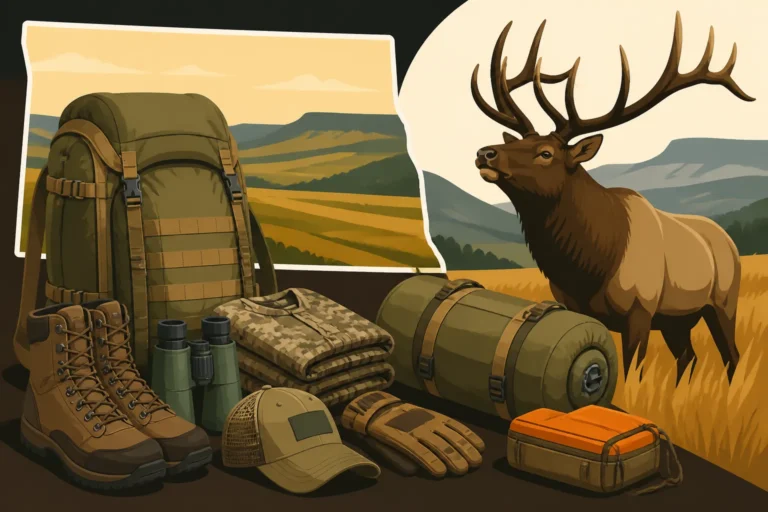
Beyond calls and decoys, having the right gear is crucial. Good camouflage that blends with the fall colors of North Dakota – browns, grays, and muted greens – is essential. Binoculars are invaluable for scanning the woods and identifying approaching birds without unnecessary movement. Always carry a cushion or seat pad for comfort, as these hunts often involve long periods of sitting still.
Safety is non-negotiable. During North Dakota's fall hunting seasons, various species' seasons can overlap, including deer gun season. This means that North Dakota Blaze Orange Requirements might be in effect for small game and upland bird hunters if big game is also open in that unit. Always check the current regulations before heading afield to understand specific requirements for your area and target species. Be absolutely certain of your target and what lies beyond it before taking any shot. Ethical shot placement ensures a quick, humane harvest.
Finally, remember that resources like the North Dakota Game and Fish Department's PLOTS program offer excellent public hunting opportunities. Using the Scouting PLOTS Land Before Season strategy with tools like the GoHunt app can reveal valuable public access points and help you avoid crowded areas. A GoHunt subscription, for example, can overlay parcel data and identify potential pinch points or cover for fall turkeys, providing an edge when scouting new territory. The North Dakota Turkey Population Estimate shows healthy numbers, but smart hunting and ethical practices help ensure they stay that way for years to come. For comprehensive details on regulations, consult the North Dakota Fall Turkey Season Rules each year.
Disclaimer
Please note: Hunting regulations and conditions can change rapidly. Always consult the latest North Dakota Game and Fish Department (NDGFD) regulations and local land management rules before planning any hunting trip. This guide is for informational purposes only and should not replace official regulations or professional safety instruction.