Hunting Standing Cover Left After Wheat Harvest
North Dakota wheat harvest stubble provides game animals food and shelter, creating productive hunting spots for pheasants.
Close the distance.
Archery, muzzleloader, and firearm techniques — calling, stand placement, still-hunting, spot-and-stalk, and the weapon rules that change at the state line.
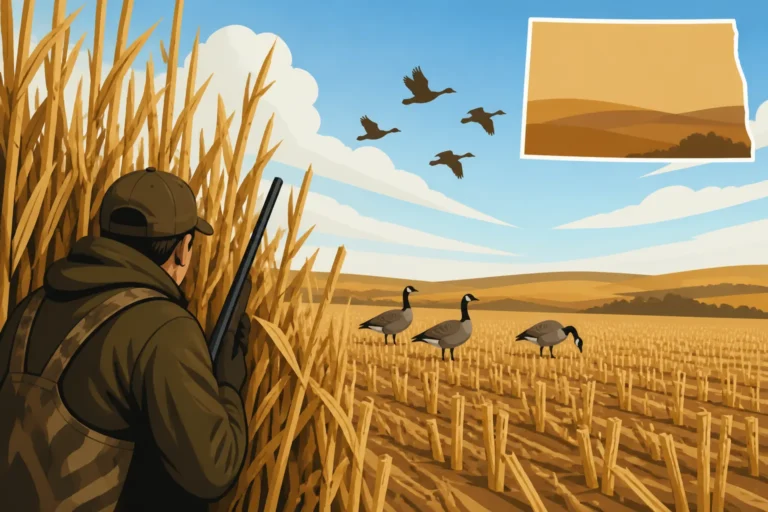
North Dakota wheat harvest stubble provides game animals food and shelter, creating productive hunting spots for pheasants.
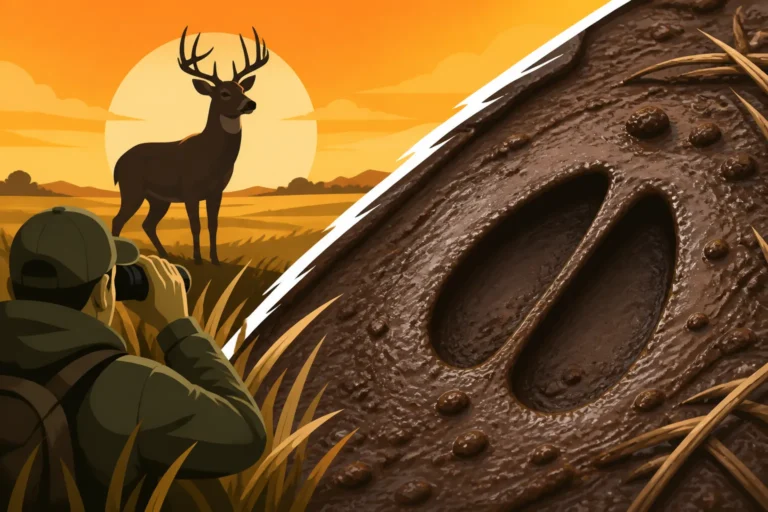
North Dakota mud reveals fresh whitetail and mule deer tracks, helping hunters determine track freshness and animal movement.
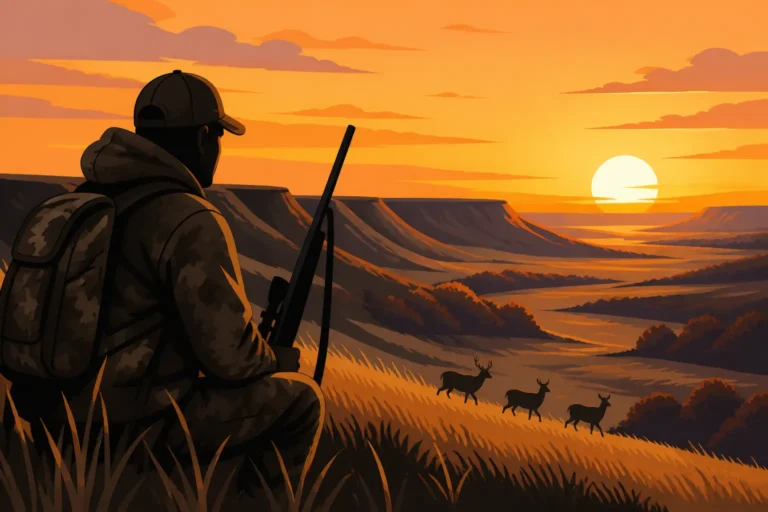
North Dakota deer hunting strategies explain how mule deer use coulee rims and terrain funnels as travel routes during dusk.

North Dakota bowfishing regulations, resident and non resident fishing license requirements, and legal equipment for targeting rough fish.
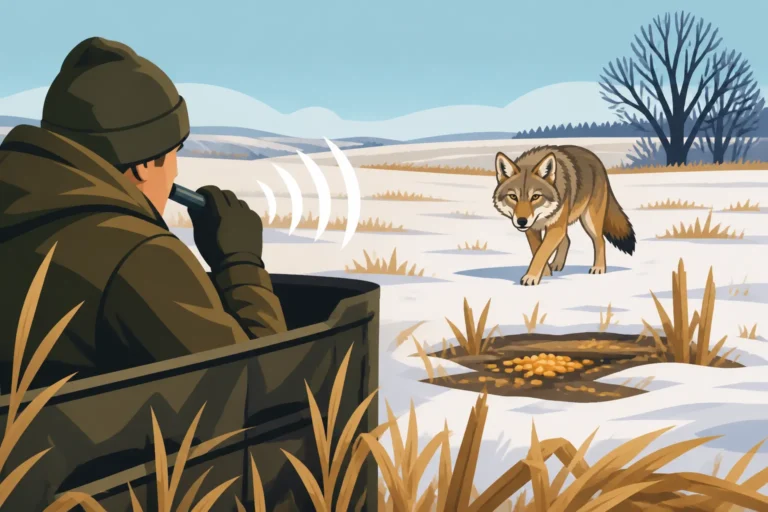
Coyote hunting strategies at North Dakota winter feed sites explain how to call predators targeting cattle feedlots and carrion.
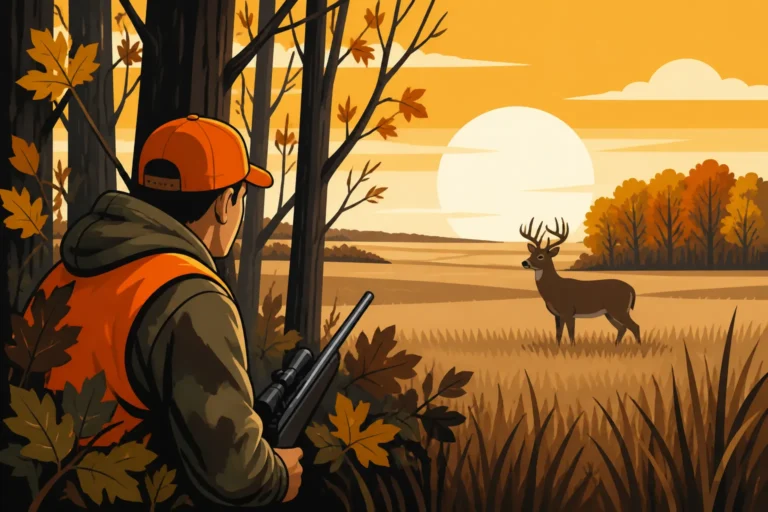
Fargo area small woodlots offer local deer and small game hunting opportunities through targeted scouting and private land access permissions.
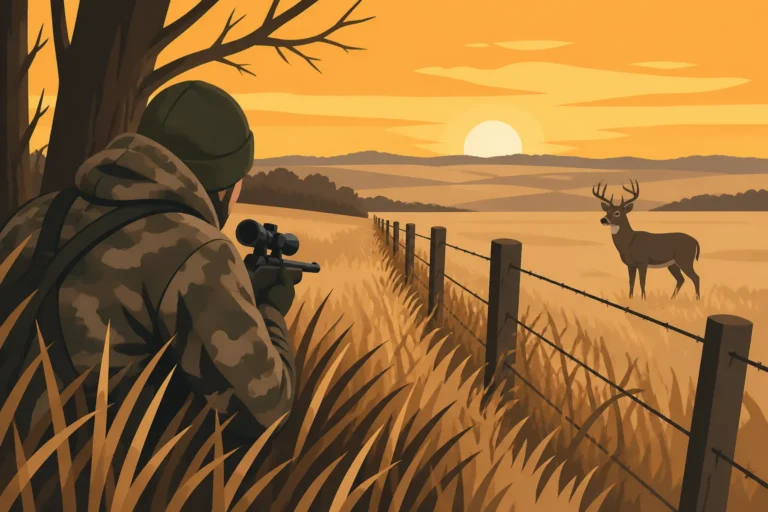
North Dakota fencerows provide late-season whitetail deer with thermal cover and food, creating overlooked hunting opportunities.
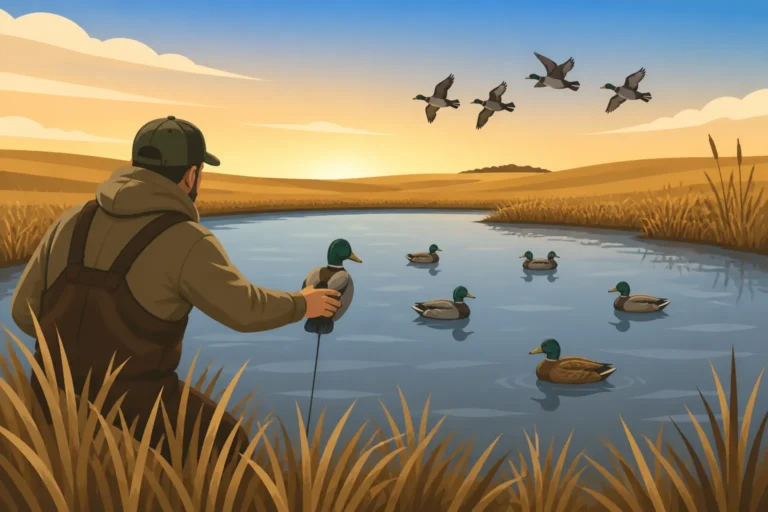
Decoy placement strategies on North Dakota prairie dugout ponds help hunters successfully attract migrating ducks and geese.
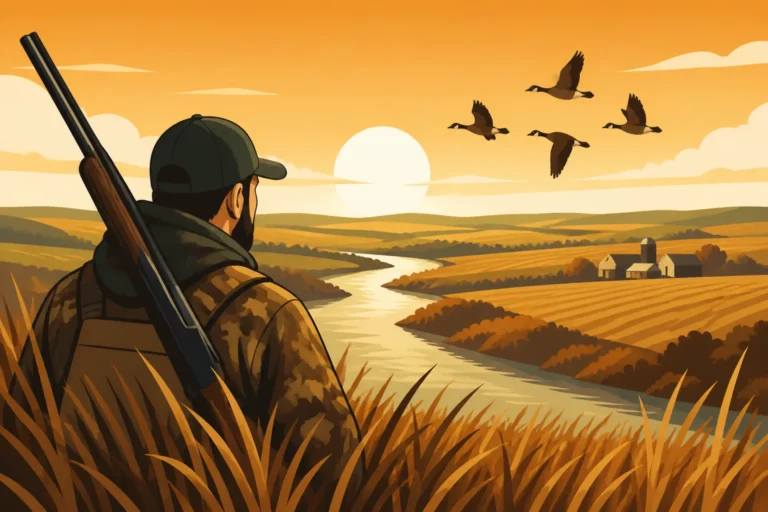
North Dakota James River Basin farmland hunting strategies help hunters locate deer, geese, and pheasants using shelterbelts and ditches.
Souris River Valley bottomland hunting strategies explain how to track deer, turkeys, and waterfowl near agricultural fields and oxbows.