Hunting a Devils Lake Flooded Field
The sheer unpredictability of Devils Lake—its constantly rising and falling water levels—can make hunting flooded fields feel like trying to hit a moving target. You scout a perfect spot one day, and the next, it’s either too deep or completely dry, leaving you scratching your head. This guide is here to cut through that confusion, offering practical strategies and detailed insights to help you successfully hunt the ever-changing, waterfowl-rich flooded fields around Devils Lake, North Dakota.
Understanding the Dynamics of Devils Lake Flooded Fields
Devils Lake isn't just a lake; it's an entire ecosystem that constantly shifts and expands, creating a unique hunting challenge and opportunity. Its fluctuating water levels mean that what was dry farmland one year could be prime waterfowl habitat the next.
Why Waterfowl Love Flooded Fields
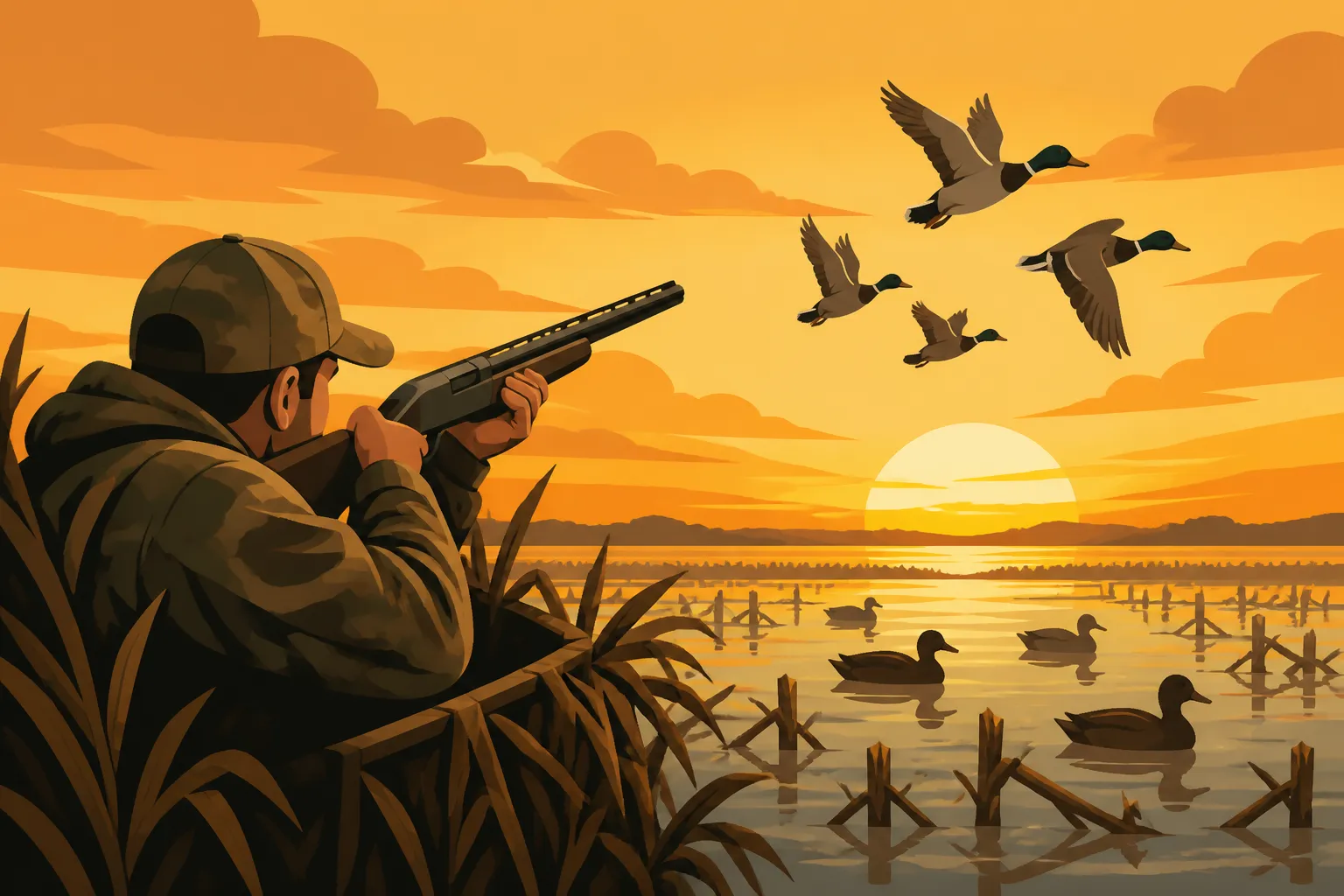
Waterfowl, particularly ducks and geese, are drawn to flooded agricultural fields like magnets, and for very good reason. These areas offer a buffet of high-energy food sources that are easy to access. As the water creeps over a cornfield, a wheat stubble field, or even a sunflower patch, it submerges the grain, making it digestible and readily available for ducks and geese. Imagine a mallard dabbling just inches below the surface, gorging on leftover corn kernels, or a flock of Canada geese methodically gleaning scattered grains.
Beyond the food, these flooded fields often provide crucial sanctuary. The water offers a layer of protection from ground predators, and the remaining crop stalks give them a sense of security and concealment, especially in areas with limited natural cover. The sheer expanse of some of these flooded fields also allows large flocks to congregate, feeling safer in numbers. The combination of abundant, easily accessible food and a relatively safe environment makes these fields irresistible to migrating and resident birds throughout the North Dakota waterfowl season.
The Ever-Changing Landscape of Devils Lake
Devils Lake is legendary for its dynamic nature. It’s a closed-basin lake, meaning it has no natural outlet, and its size can vary dramatically year to year, or even month to month, depending on precipitation and evaporation. This constant fluctuation directly impacts the surrounding agricultural landscape, regularly turning once-productive farmland into shallow, flooded marshes.
This unique hydrology is both a blessing and a curse for hunters. On one hand, it creates an incredible amount of new, temporary waterfowl habitat annually. On the other, it makes traditional scouting methods incredibly challenging. A field that held thousands of birds last season might be completely dry this year, or a field that was inaccessible last week might now be perfectly huntable. You need to be adaptable, constantly checking water levels, and prepared to shift your plans. Understanding this ebb and flow is paramount to consistent success when Hunting a Devils Lake Flooded Field.
Key Species to Target in Devils Lake Flooded Fields
While a variety of waterfowl can be found in Devils Lake's flooded fields, certain species are more commonly encountered and targeted.
- Ducks: Mallards are hands down the kings of the flooded field. Their diet often includes grains, and they readily feed in shallow, flooded agricultural areas. You'll also encounter pintails, wigeon, and gadwall, all of which appreciate the abundant food sources. Teal might zip through early in the season, too. These ducks are often looking for areas where water is only a few inches to a foot deep, allowing them to dabble comfortably.
- Geese: Canada geese are frequent visitors to flooded corn and wheat fields. They're big birds with big appetites, and they'll quickly descend on a field rich with submerged grain. Lesser snow geese and Ross's geese also utilize these areas, though often in even larger, more overwhelming numbers, especially during migration. Geese often prefer slightly shallower water, or even muddy edges, where they can walk and graze more easily. Understanding these preferences helps immensely in setting up your spreads and anticipating what birds you might see.
Essential Gear and Setup for Flooded Field Hunting
Hunting flooded fields presents specific challenges that require specialized gear to stay comfortable, safe, and effective. You're not just dealing with cold, wet conditions, but often deep mud and uneven terrain underfoot.
Waders, Decoys, and Blinds Your Toolkit for Success
Your primary defense against the cold, wet conditions will be your waders.
- Waders: Chest waders are a non-negotiable item. You’ll be standing in water for hours, and hip waders simply won’t cut it. For early season, breathable waders can work, but as the North Dakota chill sets in, neoprene waders (3.5mm or 5mm) offer superior insulation. Ensure they fit well, allowing for layers underneath, and that the boots have good traction for navigating muddy bottoms.
- Decoys: This is where you bring the field to life. A mix of floating and full-body decoys is ideal. Floating decoys work well in deeper water, mimicking ducks resting or feeding. Full-body decoys on stands can be placed on slightly higher ground or around the edges of the water to simulate geese or ducks grazing. You'll want a good spread—at least 3-4 dozen duck decoys and a dozen or more goose decoys if you're targeting Canadas. For snows, you'll need hundreds, often thousands, to be truly effective. Motion decoys, like spinning wing ducks (mojo decoys) or flapper geese, can add crucial realism.
- Blinds: Concealment is key. Layout blinds are excellent for low-profile hunting in fields, blending seamlessly with stubble or natural vegetation. A-frame blinds can be useful if there's enough emergent vegetation or taller stubble to hide them. Sometimes, simply utilizing the existing cover, like cattails or a slight rise, is all you need, but you'll still need to be incredibly still and wear camouflage that matches your surroundings. For more ideas on how to conceal your setup, check out Brushing In a Blind on a Field Edge.
Here's a quick comparison of popular decoy types for flooded fields:
| Decoy Type | Best Use Case | Pros | Cons |
|---|---|---|---|
| Floating | Open water, deeper flooded areas | Highly visible, mimic resting/feeding birds, easy to deploy | Can be bulky to transport, limited realism for walking birds |
| Full Body | Shallow water edges, dry ground, realistic spreads | Very realistic, great for geese and feeding ducks, adds dimension | Heavier, takes up more space, requires more setup time |
| Shells | Large spreads, high numbers (geese), lighter weight | Stackable, cost-effective for large numbers, good for snow geese | Less realistic than full bodies, can blow over in high winds |
| Motion | Any spread, adds movement and draws attention | Highly effective for attracting birds, particularly ducks | Batteries required, can be expensive, sometimes flare wary birds |
Shotguns and Ammunition Considerations
When hunting waterfowl in North Dakota, your choice of firearm and ammunition is critical, not just for effectiveness but for legal compliance.
- Shotguns: A 12-gauge shotgun is the gold standard for waterfowl hunting due to its versatility and payload capacity. Many hunters prefer a semi-automatic for quick follow-up shots, but a pump-action is also perfectly viable and often more reliable in harsh conditions. Make sure your shotgun is capable of handling 3-inch or even 3.5-inch shells for maximum knockdown power on larger birds or at longer ranges.
- Ammunition: Steel shot is legally required for all waterfowl hunting in North Dakota. Forget lead, it’s not allowed. The size of your steel shot will depend on the species you’re targeting:
- Ducks: #2 or #3 steel shot is generally excellent for mallards and other puddle ducks. If you anticipate longer shots or are hunting bigger ducks like canvasbacks, BB or BBB can be more effective.
- Geese: For Canada geese, BB, BBB, or even T shot is recommended to ensure clean kills at various ranges. For large flocks of snow geese, lighter loads of #2 or #1 can work, but often, larger shot is preferred for improved penetration on body shots. Always bring plenty of shells; you don't want to run out when the birds are working!
Navigating the Terrain and Weather
Devils Lake weather is famously unpredictable, often swinging wildly from mild to brutally cold, sometimes within the same day. Being prepared for anything is part of the adventure.
- Layering: Dress in layers, starting with moisture-wicking base layers, insulating mid-layers (fleece or down), and a waterproof/windproof outer shell. A good quality hat, gloves, and neck gaiter are essential to prevent heat loss.
- Waterproof Bags: Keep all your essential gear—extra clothing, electronics, snacks, and licenses—in dry bags or waterproof containers. Dunking your phone or truck keys in frigid water is a surefire way to ruin a hunt.
- Navigation Tools: A reliable GPS device or a smartphone app like GoHunt with offline maps is invaluable. The constantly changing water levels can disorient you, and familiar landmarks might be submerged. Mark your entry point, blind location, and any hazards. Knowing land ownership boundaries is also crucial, especially with the patchwork of public and private land around Devils Lake. OnX Layers for North Dakota Land Status provides excellent detail for this.
Tactics and Strategies for Devils Lake Flooded Fields
Successful waterfowl hunting in Devils Lake's flooded fields is less about luck and more about meticulous planning, observation, and adaptability. The birds are smart, and the environment is unforgiving, so you need a solid game plan.
Scouting is King Pre-Hunt Reconnaissance
You wouldn't walk into a final exam without studying, and you shouldn't step into a flooded field without serious scouting. This isn't just a suggestion; it's the absolute foundation of success.
- Observe Bird Behavior: Drive around the Devils Lake area in the evenings and mornings, carefully watching where birds are flying, landing, and feeding. Pay attention to specific fields, not just general areas. Are they flying low over a certain treeline? Are they dropping into a particular corner of a flooded cornfield? Note wind direction and time of day.
- Look for Sign: Once you've identified potential fields, get boots on the ground (or waders in the water) and look for fresh sign. Droppings, feathers, tracks in the mud, and even crop residue that has been picked over are all indicators that birds have been using the area recently. The fresher the sign, the better.
- Water Levels and Depth: Use your waders to gauge water depth in potential hunting spots. Birds prefer different depths depending on the species and feeding method. Too deep, and dabbling ducks won't feed. Too shallow, and geese might not feel secure.
- Access and Wind: Scout your entry and exit routes. Can you get your gear in and out quietly and efficiently? Consider prevailing winds. You always want to set up with the wind at your back, pushing the birds into your decoy spread and towards your blind. Using tools like GoHunt for aerial photos and land boundaries can help tremendously in this pre-scout phase, even identifying potential travel corridors. Remember to verify public access on your chosen fields, especially if you're targeting Hunting North Dakota's Nine Resident-Only Waterfowl Days or trying to access North Dakota Waterfowl Production Areas.
Decoy Spreads for Different Scenarios
Your decoy spread is your advertisement to passing birds. The goal is to make it look as natural and inviting as possible.
- Duck Spreads: For mallards and other dabblers, a relaxed J-hook or U-shape spread often works well, with the open end of the "J" or "U" facing the direction you expect birds to approach from (usually into the wind). Place some decoys tightly together to mimic feeding, and others more spread out. Incorporate a few spinning wing decoys to add visible motion. For more specific tactics, refer to Decoy Spreads for Prairie Pothole Mallards.
- Goose Spreads: Geese are often warier than ducks. For Canada geese, a family group or cluster spread, with several full-body decoys tightly grouped, can be very effective, mimicking natural feeding behavior. Scatter smaller groups around it. For snow geese, sheer numbers are usually the key. You'll need hundreds, if not thousands, of white decoys (shells, wind socks) to draw them in.
- Mix and Match: Don't be afraid to mix duck and goose decoys in the same spread, especially in fields where both species are feeding. It creates a more realistic scenario. Always place your decoys so that approaching birds have a clear, open landing zone within effective shooting range.
Calling Techniques and Situational Awareness
Calling is an art form that complements your decoy spread, adding an auditory element to your visual deception.
- Duck Calling: For mallards, a simple greeting call followed by a contented feed chuckle is often all you need. Don't overcall; let the decoys do most of the work. If birds are high, a loud comeback call can sometimes grab their attention. Once they commit and are working the spread, light clucking or a soft feed call is usually sufficient.
- Goose Calling: Canada goose calling requires more power and realism. Start with a deep "honk" or "cluck" to get their attention, then transition to a series of clucks and moans to simulate a flock on the ground. Be mindful of volume; less is often more when birds are close.
- Reading the Birds: The most crucial aspect of calling is knowing when to call and when to be silent. Watch the birds' reactions. Are they turning towards you? Keep calling. Are they flaring? Stop immediately. Are they locked up and coming in? Be quiet and get ready. Also, pay attention to their altitude and flight path. Wind direction will heavily influence their approach and how they set their wings to land.
Blind Placement and Concealment
Even with the best decoys and calling, poor concealment will doom your hunt. Birds have incredible eyesight.
- Blend In: Utilize existing features of the flooded field. If there’s standing corn or tall stubble, set your blind within it. If there are cattails or reeds, use them to your advantage. The goal is to become part of the natural landscape.
- Low Profile: Layout blinds are excellent because they keep you completely concealed and virtually invisible when properly brushed in. For A-frame blinds or natural cover, ensure that your head, shoulders, and any reflective gear are completely hidden. Many hunters find success by utilizing a well-brushed layout blind, a technique often employed in Layout Blind Hunting Devils Lake Fields.
- Wind and Sun: Always try to position your blind with the wind at your back or quartering. This forces birds to land into the wind, presenting easier shots as they cup their wings. Also, consider the sun's position. If the sun is in the birds' eyes as they approach, it can help hide your blind and movements. Conversely, if it's in your eyes, it can make spotting and shooting difficult.
Navigating Public Access and Regulations
Hunting in North Dakota, especially around a dynamic area like Devils Lake, means understanding where you can legally hunt and what rules you need to follow. Don't let a simple oversight ruin your hunt.
Understanding PLOTS and Public Access
North Dakota has a fantastic program for hunters called PLOTS, which stands for Private Land Open To Sportsmen. These are private lands that landowners open to public hunting in exchange for an incentive, and they're marked with distinctive yellow triangular signs.
- Finding PLOTS: The North Dakota Game and Fish Department publishes an annual PLOTS guide, and more conveniently, the NDG&F website and app provide real-time updates and interactive maps. Many of these PLOTS tracts are strategically located around the Devils Lake area and can include flooded fields. This program is invaluable for securing access to prime waterfowl habitat. For a deeper dive, read The PLOTS Program Explained.
- Respecting Boundaries: While PLOTS land is open to public hunting, it's crucial to understand and respect its boundaries. Always double-check your maps, especially with GoHunt's detailed property lines, to ensure you're not inadvertently trespassing onto adjacent private land that isn't enrolled in the program. Always assume land is private unless clearly marked as public or PLOTS.
- Other Public Lands: Beyond PLOTS, the Devils Lake region also contains various federal Waterfowl Production Areas (WPAs) and State Wildlife Management Areas (WMAs). These are also open to public hunting and can offer excellent opportunities. North Dakota Waterfowl Production Areas provides more information on these important resources. Always check specific regulations for WPAs and WMAs, as some may have restrictions on vehicle use, blind types, or hunting hours.
Legal Considerations for Waterfowl Hunters
North Dakota takes its hunting regulations seriously, and ignorance is no excuse. Make sure you're fully compliant before heading out.
- Licenses: You will need a valid North Dakota hunting license (non-residents typically need a Nonresident Small Game License), a federal duck stamp, and a North Dakota Migratory Bird Certification (HIP registration). These are mandatory for anyone 16 years or older hunting migratory birds. You can often purchase these online or at authorized vendors.
- Bag and Possession Limits: Be intimately familiar with the daily bag limits and possession limits for ducks and geese. These can vary by species (e.g., mallard hens vs. drakes, pintails, canvasbacks) and goose species (light geese vs. dark geese). The limits are designed to manage populations sustainably. Consult the current North Dakota Game and Fish Department regulations booklet for the most up-to-date numbers. You'll find detailed breakdowns in resources like North Dakota Duck and Goose Bag Limits.
- Non-toxic Shot: As mentioned, steel or other approved non-toxic shot is required for all waterfowl hunting.
- Blaze Orange: While not always required for waterfowl hunting in a blind, it's a good idea to wear blaze orange when traveling to and from your hunting spot, especially during deer season, for safety. Check specific regulations for requirements.
After the Shot Retrieval, Cleaning, and Ethical Hunting
The hunt doesn't end when the bird hits the water. Ethical hunting demands responsible retrieval, proper field care, and adherence to regulations even after the shot.
Effective Bird Retrieval and Follow-up Shots
Ensuring every bird you shoot is recovered promptly and humanely is a cornerstone of ethical waterfowl hunting.
- Mark the Fall: The moment a bird is shot, keep your eyes on it until it hits the ground or water. Note a landmark (a distant tree, a fence post) that aligns with its final location. This is especially crucial in vast, monotonous flooded fields where everything can look the same.
- Retrievers are Gold: A well-trained retriever dog is an invaluable asset in flooded fields. They can navigate water and dense cover much faster and more efficiently than a human, drastically reducing the number of lost birds. If you don't have a dog, carefully mark the bird and walk directly to its location. Don't rush; take your time to ensure a thorough search.
- Crippled Birds: If a bird is crippled but still moving, prioritize dispatching it quickly and humanely. A follow-up shot is often the fastest way to do this. Never leave a wounded bird to suffer. This reduces waste and ensures an ethical harvest.
Field Care and Transport of Your Harvest
Proper field care starts immediately after retrieval and ensures your hard-earned birds make it to the table in top condition.
- Bleeding and Cooling: As soon as possible, bleed your birds by severing the carotid artery in the neck. This improves meat quality. Then, get them cooled down. In cold North Dakota weather, simply laying them out in the shade or open air might suffice. In warmer conditions, you'll need a cooler with ice.
- Protecting from Spoilage: Keep your birds clean and out of direct sunlight. Do not pile them up in a warm, confined space, as this can lead to rapid spoilage.
- Tagging and Transport: Before transport, ensure all harvested birds are properly tagged according to North Dakota regulations if you're leaving them unattended or transporting them to another location. Generally, one fully feathered wing must remain attached to migratory birds during transport from the field to your permanent residence or taxidermist to allow for species identification. Also, remember your North Dakota HIP Certification for Bird Hunters covers these migratory bird regulations.
- Processing: Once you're back at camp or home, clean your birds promptly. Breast out ducks and geese, or pluck them if you prefer. Proper freezing or refrigeration is essential for long-term storage.
Hunting Devils Lake flooded fields offers a truly unique and often challenging waterfowl experience. It demands dedication, adaptability, and respect for both the birds and the dynamic environment. With the right gear, scouting effort, and adherence to ethical practices, you’ll be well on your way to a memorable hunt in North Dakota’s legendary wetland basin.
Disclaimer
This guide is intended for informational purposes only and does not supersede official North Dakota Game and Fish Department regulations. All hunters are responsible for reviewing and complying with current hunting laws, licensing requirements, and season dates. Always prioritize safety and ethical hunting practices.