North Dakota Fox and Bobcat Populations
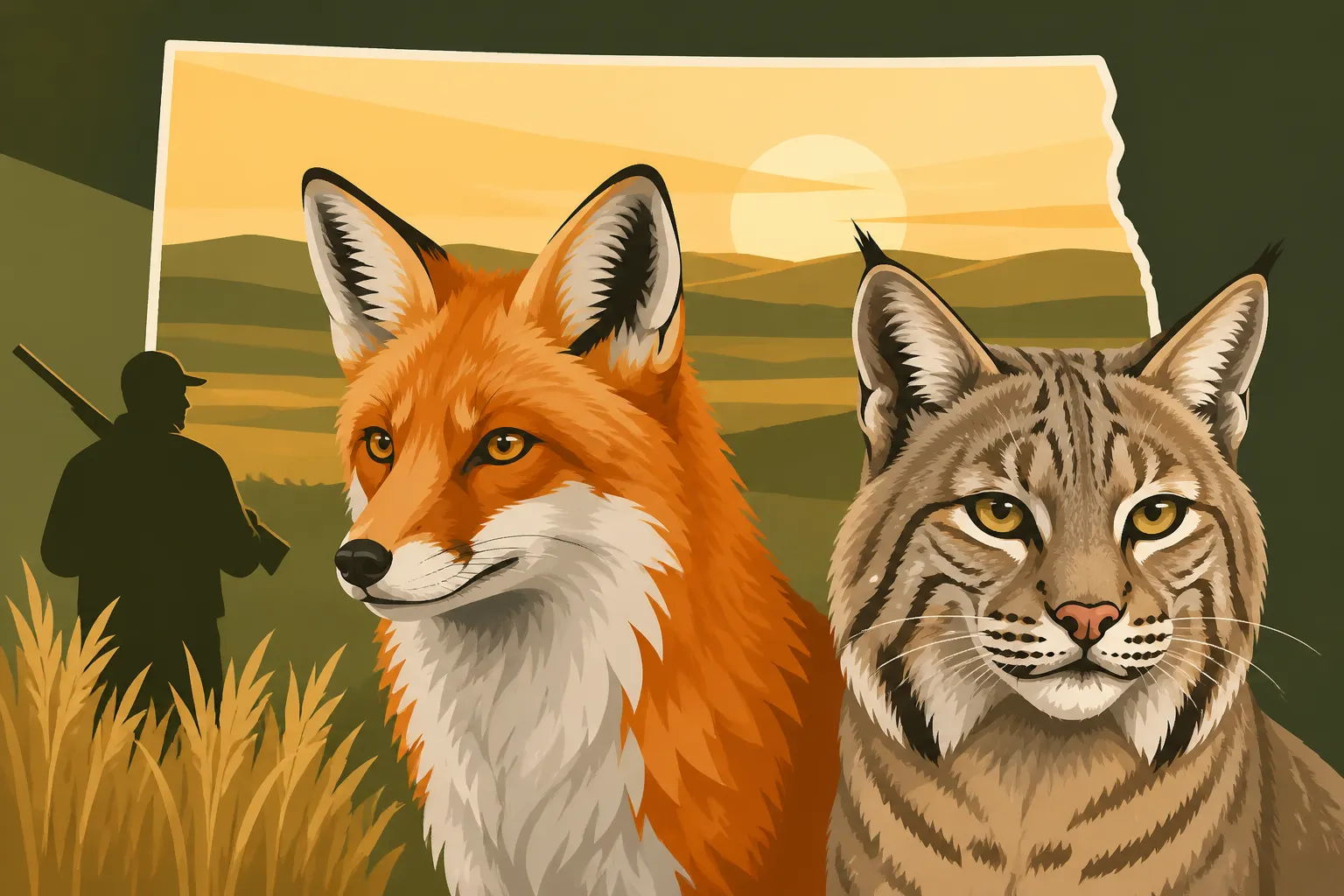
For many of us who love the wide-open spaces of North Dakota, there's a certain fascination with the predators that roam our lands. Whether you're a seasoned hunter, a trapper, or simply someone who appreciates the wild, understanding the populations of elusive animals like foxes and bobcats can be tricky. This guide aims to demystify these fascinating carnivores, offering a deep dive into the current status, habitats, and behaviors of North Dakota's fox and bobcat populations, and what influences their ebb and flow across the state.
Unraveling North Dakota's Predator Landscape
The presence and health of predator populations like foxes and bobcats are often indicators of the overall ecological balance of a region. These animals play crucial roles, from controlling rodent and rabbit populations to shaping the dynamics of other game species. For those of us who spend time outdoors, observing their tracks in fresh snow or hearing a distant fox bark under a cold prairie moon adds to the wild allure of North Dakota. It's a complex picture, one that requires a close look at both the animals themselves and the environment they inhabit.
The Ecological Role of Foxes and Bobcats
Think of foxes and bobcats as nature's clean-up crew and population controllers. Red foxes, with their distinctive rust-colored coats, are opportunistic hunters, equally at home catching mice in a hayfield or snatching a rabbit from a shelterbelt. They help keep rodent and rabbit numbers in check, which can be beneficial to agricultural lands by reducing crop damage. Gray foxes, while less common and often more secretive, contribute in similar ways, though they often prefer denser cover. Bobcats, the stealthy felines of the badlands and river bottoms, primarily target rabbits, hares, and ground-nesting birds, exerting a localized influence on prey populations.
Their presence also impacts the overall health of prey species. By preying on the weak, old, or sick, predators contribute to natural selection, ensuring that stronger, more resilient individuals survive and reproduce. This isn't just theory; it's a vital part of the food web we see playing out every day on the prairie. Understanding these dynamics is key to appreciating the full picture of North Dakota's wildlife, and it informs how we approach hunting and trapping these magnificent animals.
General Population Dynamics and Management Philosophy
Wildlife populations are never static; they're constantly shifting in response to myriad factors, from habitat availability to prey abundance, and even disease. For foxes and bobcats in North Dakota, these dynamics are influenced by both natural cycles and human activities. The North Dakota Game and Fish Department (NDGFD) manages these species with a philosophy aimed at maintaining healthy, sustainable populations while providing opportunities for hunting and trapping. This involves monitoring harvest data, conducting surveys, and assessing environmental conditions to make informed management decisions.
The general approach leans towards allowing harvest opportunities as long as populations remain robust. This is partly because both fox and bobcat can, at times, impact certain game bird populations or agricultural interests, leading to a management strategy that balances their ecological role with human activities. It's a balancing act, ensuring that we preserve these iconic predators for future generations while also addressing real-world concerns from landowners and other wildlife enthusiasts.
The Crafty Canids: North Dakota's Fox Populations
North Dakota is home to two primary species of fox: the widely distributed red fox and the more reclusive gray fox. Both are incredibly adaptable and play significant roles in the state's ecosystems, though their habits and preferred habitats differ quite a bit. Understanding these differences is crucial for anyone hoping to observe or pursue them.
Red Fox: Prairie Powerhouses
The red fox (Vulpes vulpes) is arguably the most recognizable and widespread furbearer in North Dakota. You'll find them almost everywhere, from the vast stretches of prairie and agricultural fields to the fringes of small towns. Their adaptability is legendary; they thrive in a mosaic of habitats, particularly where open country meets denser cover like shelterbelts, brushy draws, or even the edges of woodlands. These areas provide both abundant hunting grounds for small rodents and rabbits, and secure places for denning and raising their young.
Red foxes are incredibly intelligent hunters. They often employ a "mousing pounce," leaping high into the air to dive down on unseen prey beneath the snow, a sight that never ceases to amaze. Their diet is incredibly varied, consisting mainly of voles, mice, and rabbits, but also includes birds, insects, and even fruits or berries when available. For hunters interested in pursuing these animals, using a tool like GoHunt to scout aerial maps can highlight ideal habitat features like field edges, drainages, and shelterbelts that often hold these crafty canids. These locations are prime spots for setting up a call, especially during late fall and winter when their hunger drives them to respond to distress calls.
Gray Fox: A More Elusive Arboreal Hunter
While red foxes are generalists, the gray fox (Urocyon cinereoargenteus) is a bit more particular, making it a more elusive sight in North Dakota. Gray foxes are unique among North American canids for their semi-arboreal nature, meaning they can actually climb trees! This adaptation often leads them to prefer areas with denser timber and brushy cover, such as river bottoms, wooded coulees, and shelterbelts that offer a good amount of vertical escape. They tend to be more concentrated in the eastern and central parts of the state where more significant timbered habitat exists, though their range can extend into the rugged areas of the Badlands.
Distinguishing a gray fox from a red fox can be challenging at a quick glance, but their markings are distinct. Gray foxes have a grizzled gray coat, reddish highlights on their neck and flanks, and a black stripe running down the top of their tail, which also has a black tip. Their smaller size and more rounded ears also set them apart. Their diet is similar to red foxes, heavily reliant on small mammals and birds, but they are also known to consume a higher proportion of fruits and insects. Because of their preference for thicker cover, encountering a gray fox often feels like a special treat for hunters and trappers, and it's something many aspire to experience.
Factors Influencing Fox Numbers
Fox populations in North Dakota, both red and gray, are subject to several natural and human-induced factors that cause their numbers to fluctuate. One of the most significant influences is the availability of their primary prey base, mainly small rodents and rabbits. When these prey species experience boom cycles, fox populations often follow suit, and vice-versa. A good example of this is how healthy rabbit populations in a particular region can lead to an increase in fox litters and better survival rates for young kits.
Disease is another major player. Sarcoptic mange, a parasitic skin disease, can decimate local fox populations, particularly in high-density areas. Rabies outbreaks, though less common, can also have a localized impact. Additionally, harsh winters, especially those with prolonged periods of deep snow and extreme cold, can increase mortality rates, particularly for young or less healthy individuals, by making hunting for food more difficult and increasing energy expenditure. Human activities like habitat alteration and regulated hunting and trapping also contribute to the overall dynamics, but generally, these factors are managed to ensure sustainable populations.
The Furtive Felines: North Dakota's Bobcat Populations
Bobcats (Lynx rufus) are North Dakota's wild resident felines, a symbol of stealth and wilderness. These beautiful, short-tailed cats are masters of concealment, making them a prize for trappers and an exciting, if rare, sighting for hunters and wildlife enthusiasts. Their populations, while never as numerous as foxes, are closely monitored and managed to ensure their continued presence in the state.
Bobcat Distribution and Preferred Terrain
Bobcats in North Dakota are typically found in specific types of rugged, broken country that offers ample cover, denning sites, and a steady supply of prey. Their stronghold is undoubtedly the western part of the state, particularly the Badlands region along the Little Missouri River. This landscape of deep coulees, rocky outcrops, cedar thickets, and mixed hardwood draws provides the perfect blend of isolation and resources for these reclusive cats. You might also find them along the major river systems like the Missouri River corridor, where timbered bottoms and bluffs create suitable habitat.
These areas provide not just cover for hunting and resting, but also crucial den sites in rocky crevices, hollow logs, or dense brush piles where they can raise their kittens safely. Unlike the wide-ranging adaptability of the red fox, bobcats are much more tied to these specific habitats, which tend to be less disturbed by human activity. When planning a hunt or scouting, understanding these terrain preferences is critical. Using a powerful mapping platform like GoHunt can give you an edge by showing you topographical features like coulees, broken country, and thick draws where bobcats thrive, allowing you to focus your efforts more effectively.
Population Status and Tracking Challenges
Estimating bobcat populations is a challenging endeavor due to their secretive nature and low densities compared to other furbearers. Unlike deer or waterfowl, which can be surveyed from the air, bobcats require more indirect methods. Wildlife agencies often rely on track counts in snow, remote camera surveys, and the analysis of harvest data from trappers and hunters to gauge population trends. While bobcat populations are considered stable and healthy in North Dakota, particularly within their preferred Badlands and river bottom habitats, their numbers aren't as abundant as foxes.
For years, the NDGFD has carefully managed bobcat harvest, often setting quotas or specific season dates to ensure that harvest remains sustainable. The season length and quota can vary slightly year-to-year based on population assessments and winter conditions, reflecting a conservative approach to managing these valuable furbearers. This careful monitoring helps maintain a robust population structure, balancing recreational opportunities with the long-term health of the species.
Behavior, Diet, and Breeding
Bobcats are largely solitary animals, preferring to live and hunt alone, except during breeding season or when a female is raising her young. They are primarily nocturnal or crepuscular (active at dawn and dusk), though they can be seen during the day, especially in winter when prey is scarce. Their hunting strategy is one of stealth and ambush; they stalk their prey quietly before pouncing with incredible speed and agility. Their diet mainly consists of rabbits and hares, which make up a significant portion of their meals. However, they are also opportunistic, preying on small rodents, birds (including pheasants and grouse), and occasionally larger animals like deer fawns if the opportunity arises.
Breeding usually occurs in late winter or early spring, with kittens born a couple of months later in a secluded den. A typical litter consists of two to three kittens, which will stay with their mother for several months, learning vital hunting and survival skills before dispersing to establish their own territories. The survival of these young bobcats is critical to the overall population stability, and it's heavily influenced by prey availability and the harshness of their first winter.
The Interplay of Environment and Management
The health and distribution of fox and bobcat populations in North Dakota are not just about the animals themselves, but also about the complex web of environmental factors and human management strategies that influence them. It’s a delicate balance, and changes in one area can ripple through the entire ecosystem, impacting these predators in significant ways.
Habitat Changes and Their Impact
Like all wildlife, foxes and bobcats depend on suitable habitat to thrive. North Dakota's landscape is constantly evolving due to agricultural practices, urban expansion, and energy development. The conversion of native grasslands to cropland, for example, can reduce crucial denning and hunting cover for both species. While red foxes are adaptable to agricultural landscapes, extensive monocultures offer less diverse prey and cover than mixed-use areas or native prairies.
For gray foxes and bobcats, which often prefer more timbered and rugged terrain, the fragmentation of river bottom forests or the degradation of badlands coulees can directly impact their ability to find food, shelter, and mates. Conservation efforts focused on preserving and restoring these vital habitats, such as the planting of shelterbelts or the protection of riparian zones, are incredibly important for maintaining healthy furbearer populations. These efforts often benefit a host of other wildlife as well, highlighting the interconnectedness of our ecosystems.
Disease and Prey Dynamics
The health of predator populations is inextricably linked to the health of their prey base and the prevalence of diseases within their ranks. Cycles of prey abundance, particularly for rabbits and rodents, directly influence fox and bobcat breeding success and survival rates. A robust rabbit population means more food for a mother bobcat and her kittens, increasing their chances of survival. Conversely, a decline in prey can lead to increased competition, reduced reproductive success, and higher mortality.
Diseases like sarcoptic mange can be particularly devastating for fox populations. A severe mange outbreak can cause localized crashes, as infected animals become emaciated and lose their fur, eventually succumbing to exposure or starvation. While less common, diseases such as rabies can also impact fox and, to a lesser extent, bobcat numbers. Wildlife management agencies often monitor disease prevalence through hunter and trapper submissions, providing valuable data for assessing population health and potential impacts.
Weather Extremes and Winter Survival
North Dakota winters are legendary for their severity, and these extreme conditions are a significant factor in the survival of foxes and bobcats. Deep, persistent snow can make hunting incredibly difficult, forcing predators to expend more energy to find food. This is particularly true for smaller individuals or those in poorer health. Prolonged periods of extreme cold can also lead to increased mortality from exposure, especially if denning sites are inadequate or if an animal is weakened by disease or starvation.
On the other hand, certain winter conditions can concentrate prey, sometimes making hunting easier in localized areas. However, for the most part, a harsh winter is a survival challenge for these predators. It’s a natural culling mechanism that ensures only the strongest and most adaptable individuals make it through to the breeding season. Understanding these weather impacts is crucial for interpreting population trends and considering the appropriate level of harvest pressure from hunting and trapping.
Hunting and Trapping Opportunities for Fox and Bobcat
North Dakota offers robust opportunities for hunters and trappers interested in pursuing foxes and bobcats. These activities are not just recreational; they are also important components of wildlife management, helping to manage populations and providing valuable data for state agencies. Those who participate contribute to the monitoring and sustained health of these furbearer species.
Licenses, Seasons, and Regulations
Before heading afield, understanding the specific licenses, season dates, and regulations is paramount. Generally, to hunt or trap foxes and bobcats in North Dakota, you'll need a general game and habitat license, along with a furbearer license. Non-residents will typically need a North Dakota Nonresident Small Game License Cost which allows for furbearer hunting and trapping as well. The seasons for fox are often quite liberal, often running for many months, while bobcat seasons are typically shorter and may have specific quotas or reporting requirements.
It's absolutely critical to check the current North Dakota Game and Fish Department (NDGFD) regulations each year, as season dates, bag limits, and specific rules (like those regarding CWD units or private land access) can change. For example, some units might have special rules for bobcat harvest. You can find detailed information about North Dakota Trapping License Requirements and other furbearer regulations on the NDGFD website. Before heading out, checking the official regulations and potentially using GoHunt for land ownership details is always a smart move to ensure you're hunting legally and ethically.
Effective Methods for Pursuit
Hunting and trapping foxes and bobcats require skill, patience, and a good understanding of their behavior. For hunters, calling is an incredibly effective method. Electronic or mouth calls mimicking the distress cries of a rabbit or rodent can often bring a curious fox or a hungry bobcat right into range. Setting up downwind, being completely still, and having a good vantage point are key to success. You might find valuable tips in resources like Coyote Calling at First Light or Predator Calling a Badlands Draw at Dusk, as many coyote calling techniques are also effective for foxes.
Trapping, on the other hand, is a more involved pursuit that requires intimate knowledge of animal sign, track identification, and various trap sets. Common methods include foothold traps, often set along travel routes, near den sites (during appropriate seasons), or at bait stations. Successful trapping involves careful consideration of scent, camouflage, and ensuring the safety of non-target animals. It is important to adhere to all legal requirements for trap types and checking intervals, as detailed in the furbearer regulations.
Ethical Harvest and Resource Management
Responsible hunting and trapping are cornerstones of wildlife management. Ethical harvest practices ensure humane dispatch and minimize suffering. For trappers, this includes using appropriate trap types, checking traps frequently, and releasing non-target animals quickly and safely. For hunters, it means taking clean, ethical shots and being prepared to track and recover any animal shot.
Every fox or bobcat harvested by a licensed hunter or trapper contributes valuable data to the NDGFD. Harvest reports, sometimes mandatory for bobcats, provide critical information on population demographics, distribution, and overall health. This data helps wildlife managers make informed decisions about future seasons and ensure that these furbearer populations remain healthy and sustainable for generations to come. It's a direct way that hunters and trappers become active participants in conservation.
| Species | Typical Habitat | Primary Diet | Typical Size (Weight) | General Distribution in ND | Hunting/Trapping Method Examples |
|---|---|---|---|---|---|
| Red Fox | Prairies, farmlands, shelterbelts, urban fringes | Rodents, rabbits, birds, insects | 8-15 lbs | Widespread across the state | Calling (distress calls), still-hunting, snaring, foothold traps |
| Gray Fox | Dense timber, river bottoms, wooded coulees | Rodents, rabbits, birds, fruits | 7-12 lbs | More localized; eastern/central ND timber, some Badlands | Calling (distress calls), still-hunting, foothold traps |
| Bobcat | Badlands, river bottoms, rocky outcrops, dense draws | Rabbits, hares, rodents, birds | 15-30 lbs | Primarily western ND Badlands and major river corridors | Calling (distress calls), still-hunting, trail cameras, foothold traps |
Coexisting with North Dakota's Wild Carnivores
Living alongside wild carnivores like foxes and bobcats is a unique aspect of North Dakota life. While these animals are a vital part of our natural heritage, their presence can sometimes lead to challenges, particularly for livestock producers and pet owners. Understanding how to coexist respectfully and responsibly is key to maintaining healthy relationships between humans and wildlife.
Minimizing Conflicts with Livestock and Pets
One of the most common concerns regarding foxes and bobcats, especially for those living in rural areas, is their potential impact on small livestock like chickens or lambs, or even outdoor pets. While both species primarily target wild prey, they are opportunistic. A fox might view an unsecured chicken coop as an easy meal, and a bobcat could potentially prey on outdoor cats or small dogs left unsupervised.
The best way to minimize these conflicts is through preventative measures. Secure enclosures for poultry and other small livestock, with sturdy fencing that extends into the ground to prevent digging, are highly effective. Bringing pets indoors at night or supervising them closely during crepuscular hours can drastically reduce risks. Motion-activated lights or noisemakers can also act as deterrents. By taking these proactive steps, we can significantly reduce potential issues and foster a more harmonious coexistence with our wild neighbors.
Predators as Part of a Healthy Ecosystem
Beyond any potential conflicts, it's crucial to remember the immense ecological benefits that foxes and bobcats provide. They are essential components of a healthy ecosystem, acting as apex predators within their respective niches. By preying on rodents and rabbits, they help control populations that could otherwise explode, leading to agricultural damage or the spread of disease. They also play a role in natural selection, removing weaker or sicker individuals from prey populations, which ultimately strengthens the genetic fitness of those species.
Consider the ripple effect: without predators, certain prey populations might overgraze vegetation, leading to habitat degradation for other species. Their presence helps maintain balance and diversity. This is why agencies like the NDGFD work to ensure sustainable populations, recognizing their irreplaceable value to the intricate tapestry of North Dakota's wildlife.
Conservation Considerations
The conservation of foxes and bobcats in North Dakota revolves around maintaining healthy populations through science-based management. This includes careful monitoring of harvest rates, habitat preservation, and public education. The state's management philosophy for these furbearers generally aims for sustainable utilization, allowing for recreational hunting and trapping while ensuring long-term population stability.
Challenges such as habitat fragmentation, disease outbreaks, and the potential impacts of severe weather underscore the importance of ongoing research and adaptive management. Hunters and trappers play a direct role in this conservation by adhering to regulations, providing harvest data, and advocating for habitat protection. Resources like the annual Small Game and Predator Hunting in North Dakota guide and information on Trapping North Dakota Furbearers are vital for anyone engaging with these species, emphasizing the importance of informed and ethical practices to ensure these fascinating carnivores continue to thrive across North Dakota's diverse landscapes.
Disclaimer
This article is for general informational purposes only and does not constitute professional advice. Laws, prices and regulations vary by location and change over time. Consult a qualified professional for guidance on your specific situation.