Pheasant Hunt Deposit and Cancellation Policies
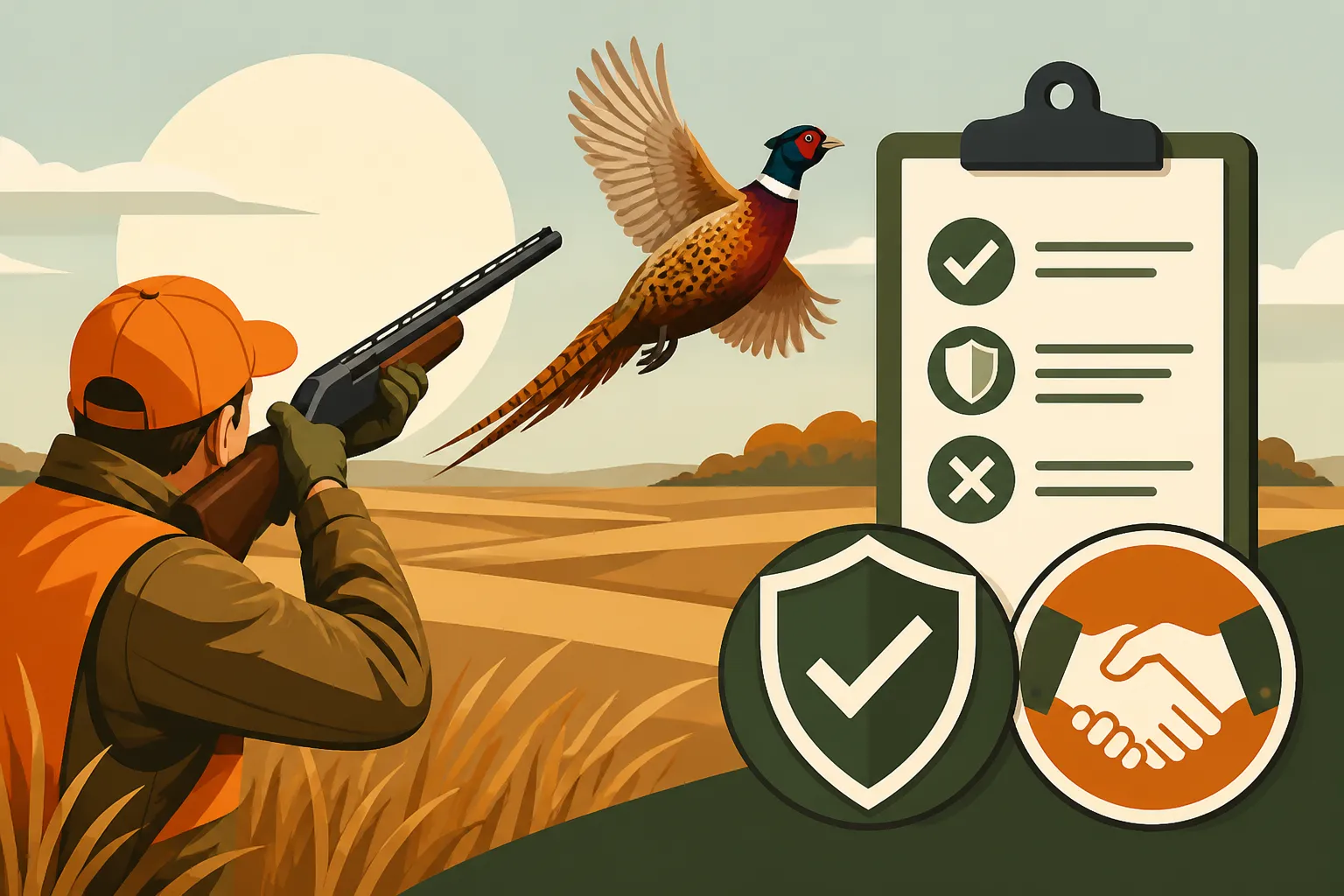
Planning a pheasant hunting trip to North Dakota, especially when you're traveling a distance or bringing a group, is a significant investment of time, energy, and money. Nothing feels worse than having to change your plans unexpectedly and then getting hit with unforeseen financial penalties. That's why truly understanding the deposit requirements and, more importantly, the cancellation policies of North Dakota pheasant outfitters before you commit is absolutely crucial. This guide will walk you through the ins and outs of these financial agreements so you can book your next prairie adventure with confidence and clarity.
Understanding Why Deposits Are Standard Practice for North Dakota Outfitters
It's easy to look at a substantial deposit and feel a pang of worry, but from an outfitter's perspective, these upfront payments are a fundamental part of running a sustainable business. They’re not just holding your money; they're investing it in the successful execution of your hunt long before you ever set foot on the prairie.
The Outfitter's Investment Before You Even Arrive
Think about everything that goes into providing a top-notch guided pheasant hunt. The dogs aren't just born trained; they require years of consistent work, feeding, and veterinary care. Guides spend countless hours scouting habitat, checking pheasant numbers, and securing access to prime hunting grounds, whether through leases on private land or detailed knowledge of public tracts. Scouting PLOTS Land Before Season is a year-round endeavor for many, ensuring they know where the birds will be when the season opens. Then there's the maintenance of vehicles, kennels, and hunting equipment. All of these operational costs are ongoing, regardless of whether a booking materializes into a full payment.
Deposits help mitigate the financial risk for outfitters. If a client cancels last minute, the outfitter has likely already spent money and time preparing for that hunt. The deposit helps cover some of those sunk costs and ensures they can continue to offer high-quality services to other hunters. It’s a way for outfitters to manage their cash flow and protect their business from the unpredictability of cancellations.
Securing Your Spot in a Competitive Season
North Dakota pheasant hunting is incredibly popular, drawing hunters from all corners of the country. Prime dates, especially opening weekend or the peak of the season, can book up a year or more in advance. When you pay a deposit, you're essentially putting a hold on those specific dates and securing the outfitter's dedicated services for your group. Without a deposit system, outfitters would struggle to manage their schedules, leading to double-bookings or unreliable commitments.
Imagine calling an outfitter for a Multi-Day North Dakota Pheasant Lodge Packages and them saying, "Sure, just show up!" The chaos would be immense. The deposit is the outfitter's assurance that you are serious about the booking and won't simply change your mind, leaving them with an empty spot that they could have filled with another eager hunting party. It creates a mutual commitment, ensuring both parties are invested in the success of the planned trip.
Tailored Experiences and Preparations
Many guided pheasant hunts aren't just generic packages; they're often tailored to the specific needs and desires of the hunting party. This might include specific dog requests, particular dietary needs if staying at a lodge, or accommodating a specific group size. For example, some groups might prefer Running Pointing Dogs on North Dakota Pheasant, while others prefer flushers. These specific arrangements require advanced planning and resource allocation from the outfitter.
A deposit gives the outfitter the confidence to make these bespoke preparations. They might need to bring in additional guides or dog handlers for a larger group, purchase specific provisions, or arrange specialized transportation. Knowing that the group is committed, thanks to their deposit, allows the outfitter to confidently invest in these details, ensuring that when your hunt day arrives, everything is perfectly in place for an exceptional experience.
Common Deposit Structures for North Dakota Pheasant Hunts
While the exact numbers will vary from one outfitter to the next, there are some pretty standard ways that deposits are structured in the world of North Dakota pheasant hunting. Understanding these common approaches can help you prepare for what to expect when you're Booking a Guided North Dakota Pheasant Hunt.
Percentage-Based Deposits
This is perhaps the most common deposit structure. Many outfitters will require a percentage of the total hunt cost upfront to secure your dates. This percentage can vary widely, but typically falls somewhere between 25% and 50% of the entire package price. For example, if a three-day hunt for your group totals $3,000, you might be asked for a $750 to $1,500 deposit at the time of booking. This deposit usually goes towards the overall cost of the hunt, with the remainder due closer to the actual hunting date.
Sometimes, this percentage might be staggered, especially for bookings made far in advance. You might pay an initial smaller percentage to hold the date, and then a second percentage payment a few months later, with the final balance due even closer to the hunt. This method helps spread out the financial commitment for hunters, while still providing the outfitter with progressive assurance of the booking. Always clarify these payment milestones and make sure they are clearly outlined in your booking agreement.
Flat-Fee Deposits and Per-Hunter Structures
Less common than percentage-based, but still seen, is a flat-fee deposit. This might be a set amount, say $500, regardless of the total hunt cost, often applied to smaller, simpler packages or day hunts. It provides a straightforward upfront commitment. Another variation is a per-hunter deposit, where each member of the hunting party is required to put down a specific amount. This can be particularly useful for outfitters managing group bookings, as it places a clear individual commitment on each hunter.
For instance, an outfitter might require a $300 deposit per hunter in a party of four. This ensures that if one person drops out, the financial impact is clear, and the remaining hunters understand their increased share or the outfitter has been compensated for the slot. These flat-fee or per-hunter structures are often easier for hunters to budget for initially, as they know the exact upfront cost without needing to calculate percentages.
The Role of Final Payments
Regardless of the deposit structure, all North Dakota pheasant hunts will have a final payment due date. This is typically set anywhere from 30 to 90 days prior to your arrival. The reason for this timing is simple: it gives the outfitter sufficient time to finalize all arrangements, confirm staffing, purchase necessary supplies, and make any last-minute adjustments without worrying about outstanding balances.
It’s absolutely critical that you understand and adhere to this final payment deadline. Failing to submit the remaining balance by the specified date can, and often will, result in the forfeiture of your deposit and the cancellation of your hunt. This is a common term found in most outfitter contracts because at that point, it’s often too late for the outfitter to rebook the dates, and they’ve incurred significant costs in preparation. Always mark this date prominently on your calendar and communicate proactively with your outfitter if you anticipate any issues.
| Deposit Type | Description | Typical Timing | Common Percentage/Amount (General) | Notes |
|---|---|---|---|---|
| Percentage-Based | A set percentage of the total hunt cost is required upfront. | At booking, or staggered | 25-50% of total hunt cost | Most common; balance due 30-90 days prior to hunt. |
| Flat-Fee | A fixed dollar amount, regardless of the total hunt cost. | At booking | $300-$1000 per booking/group | Often for simpler packages or smaller groups. |
| Per-Hunter | A specific dollar amount required for each hunter in the party. | At booking | $200-$500 per hunter | Clear individual commitment; good for managing group changes. |
| Final Balance Due | The remaining amount after deposits are paid. | 30-90 days prior | Remaining 50-75% of total cost | Crucial deadline; failure to pay often results in deposit forfeiture. |
Navigating Cancellation Policies for Pheasant Hunts
This is where things can get a little tricky, and it's also where you need to be most diligent. Life happens, and sometimes even the best-laid hunting plans fall apart. Knowing your outfitter's cancellation policy is just as important as knowing What a Guided North Dakota Pheasant Hunt Costs.
Understanding Different Cancellation Tiers and Deadlines
Most North Dakota outfitters operate on a tiered cancellation policy, which means the amount of your deposit or payment that is refundable (if any) depends directly on how far in advance you cancel. Generally, the closer you get to your hunt date, the less likely you are to receive a significant refund.
For instance, you might find a policy that states:
- 120+ Days Out: Full refund, minus a small administrative fee. This is rare but possible, especially with flexible outfitters.
- 60-119 Days Out: Partial refund of your deposit, or a credit towards a future hunt. The outfitter may keep a larger portion to cover the difficulty of rebooking the spot.
- Under 60 Days Out: Often, no refund is issued. At this point, the outfitter has likely turned away other clients, completed significant preparations, and has very little chance of filling the vacancy.
Some outfitters might differentiate between specific reasons for cancellation, but this is less common. Expect that most policies are pretty strict to protect their business operations. Always request the cancellation policy in writing and review it carefully before submitting any funds. Platforms like BookYourHunt often have these policies clearly displayed, which can be a real time-saver.
Rescheduling Versus Canceling Your Hunt
When an unforeseen event pops up, your first thought might be to cancel entirely, but it’s worth exploring rescheduling options with your outfitter. Many outfitters are far more amenable to rescheduling a hunt than outright canceling it, especially if you give them ample notice. If you contact them several months out, they might allow you to apply your deposit to a new date in the current or following season, often with a small rescheduling fee.
The ability to reschedule often hinges on their availability and how close you are to the original hunt date. Some policies might state that deposits are non-refundable but are transferable to another hunter for the same dates, which can be a lifesaver if a friend can take your spot. Always ask, "What happens if I need to reschedule? Is my deposit transferable?" Proactive communication is key here; don't wait until the last minute.
The Impact of Weather and Unforeseen Events
One of the biggest anxieties for any hunter traveling to North Dakota is the weather. Prairie conditions can change dramatically, and while a little snow or cold often makes for great pheasant hunting, extreme blizzards or dangerous conditions could impact your ability to hunt safely. Most outfitters have specific clauses about weather. Rarely will an outfitter offer a full refund for bad weather, as it's an act of nature beyond their control. However, many will offer to reschedule your hunt or provide a credit for a future trip if conditions are truly unhuntable or if travel becomes impossible. Understanding What Happens If Weather Cancels Your Hunt is a critical part of vetting any outfitter.
Beyond weather, truly unforeseen events like widespread travel restrictions, natural disasters, or significant health crises (not just a common cold, but something serious) can sometimes fall into special consideration categories, but this is rare and usually handled on a case-by-case basis. Do not assume your outfitter will make exceptions; their policy is their policy.
Considering Hunt Insurance
Given the financial commitment involved in a North Dakota pheasant hunt, especially for non-residents who might also have North Dakota Nonresident Pheasant License Cost and travel expenses to consider, hunt insurance (or travel insurance that covers hunting trips) is an increasingly popular and wise investment. This type of insurance can protect your financial investment in case you have to cancel due to covered reasons like illness, injury, job loss, severe weather preventing travel, or even certain emergencies with family members.
It’s crucial to shop around for reputable providers and understand exactly what their policies cover and, just as importantly, what they don't cover. While it adds an extra cost upfront, the peace of mind it provides, knowing your significant investment is protected, can be invaluable. Don't rely on your outfitter's cancellation policy alone to protect you from life's curveballs; third-party insurance is specifically designed for that purpose.
Essential Questions to Ask Before Booking Your North Dakota Pheasant Hunt
Arming yourself with the right questions before you put down a deposit can save you a lot of headache and heartache down the road. Don't be afraid to ask for clarity on any aspect of the booking process. A reputable outfitter will appreciate your thoroughness. This is part of Vetting a North Dakota Hunting Outfitter.
Clarifying Deposit Requirements and Payment Schedules
Before you agree to anything, make sure every financial detail is crystal clear. This isn't just about the dollar amount; it's about the entire timeline and method of payment.
Here are some specific questions to ask:
- "What is the exact deposit amount required, and when is it due?"
- "What are the payment schedule and due dates for any remaining balance?"
- "What payment methods do you accept (e.g., credit card, check, bank transfer)? Are there any fees associated with specific payment types?"
- "Is the deposit applied directly to the total cost of the hunt, or is it a separate booking fee?"
- "Are there any hidden fees or charges, such as cleaning fees for birds, guide gratuities (though tipping is standard, some outfitters include it in a premium package), or unforeseen lodge charges?" What's Included in a Pheasant Lodge Stay might outline this, but confirm with the outfitter directly.
Getting these details in writing, ideally in a clear contract or booking confirmation, is non-negotiable.
Detailed Cancellation and Refund Procedures
This is the section where you need to be particularly thorough. Don't just skim over the cancellation policy; ask for every detail and scenario you can think of.
Key questions include:
- "What is your exact cancellation policy, outlined in writing, including all applicable deadlines and potential refund amounts?"
- "If I need to cancel, how will the refund be processed, and what is the typical timeframe for receiving it?"
- "What happens if I need to reschedule? Is my deposit transferable to a new date, and are there any fees associated with rescheduling?"
- "If someone in my group can no longer make it, but the rest of the group still plans to hunt, how is that handled financially?"
- "What is your policy for severe weather (e.g., blizzards, extreme cold) or other unforeseen circumstances that prevent the hunt from happening as planned or prevent travel?"
- "Is my deposit transferable to another hunter if I find someone to take my spot?"
A good outfitter will have clear, concise answers to all these questions and be willing to provide them in writing. If you find yourself having to pull teeth to get this information, that's a significant red flag. You can also look at resources that aggregate outfitter information, such as GoHunt, to see if they list standard policies or reviews that shed light on an outfitter's practices, which can assist in Comparing North Dakota Outfitter Reviews.
Understanding Outfitter Flexibility and Communication
While policies are policies, understanding an outfitter's general approach to client communication and potential flexibility (within their stated terms) can give you a better feel for their customer service.
Consider asking:
- "What is the best way to communicate with you or your team leading up to the hunt?"
- "What is your typical response time for emails or phone calls?"
- "If there's an emergency or unexpected change on our end, who should we contact?"
- "In the event of a reduced group size, are there any options besides simply losing the deposit for the missing hunter, especially if we give ample notice?"
- "Could you provide references from previous clients who have either hunted with you or had to cancel/reschedule?"
An outfitter who is transparent, responsive, and willing to discuss these practical scenarios demonstrates a commitment to client satisfaction, even when things don't go perfectly. Remember, open communication and clear written agreements are the bedrock of a successful and stress-free hunting trip, whether it's for pheasants, or even something more ambitious like Moose and Bighorn Sheep Hunting in North Dakota.
Disclaimer
This article is for general informational purposes only and does not constitute professional advice. Laws, prices and regulations vary by location and change over time. Consult a qualified professional for guidance on your specific situation.