What’s Included in a Waterfowl Guide Day
Planning a guided waterfowl hunt in North Dakota is an exciting prospect, but it can be a little like navigating a mosaic of expectations. You pay your hard-earned money, you book the date, and then you start to wonder, "What exactly am I paying for? What’s going to be covered, and what am I still on the hook for?" This guide is here to strip away the guesswork and lay out precisely what’s typically included in a guided waterfowl day, helping you prepare for a successful and stress-free hunt on the prairie.
The Core Experience: What to Expect in the Field
When you book a guided waterfowl hunt, you’re primarily investing in the guide’s expertise, access, and the often-extensive gear required to put you on birds. This isn't just someone pointing you to a field; it’s a full-service operation aimed at maximizing your chances.
Decoys, Blinds, and Setup
One of the biggest advantages of a guided waterfowl hunt is not having to worry about the formidable task of setting up a spread. Imagine rolling up to a field in the pre-dawn dark, and instead of wrestling with dozens, if not hundreds, of decoys, the guide has already scouted the perfect spot and is either in the process of setting up or has most of it done. This is often the case.
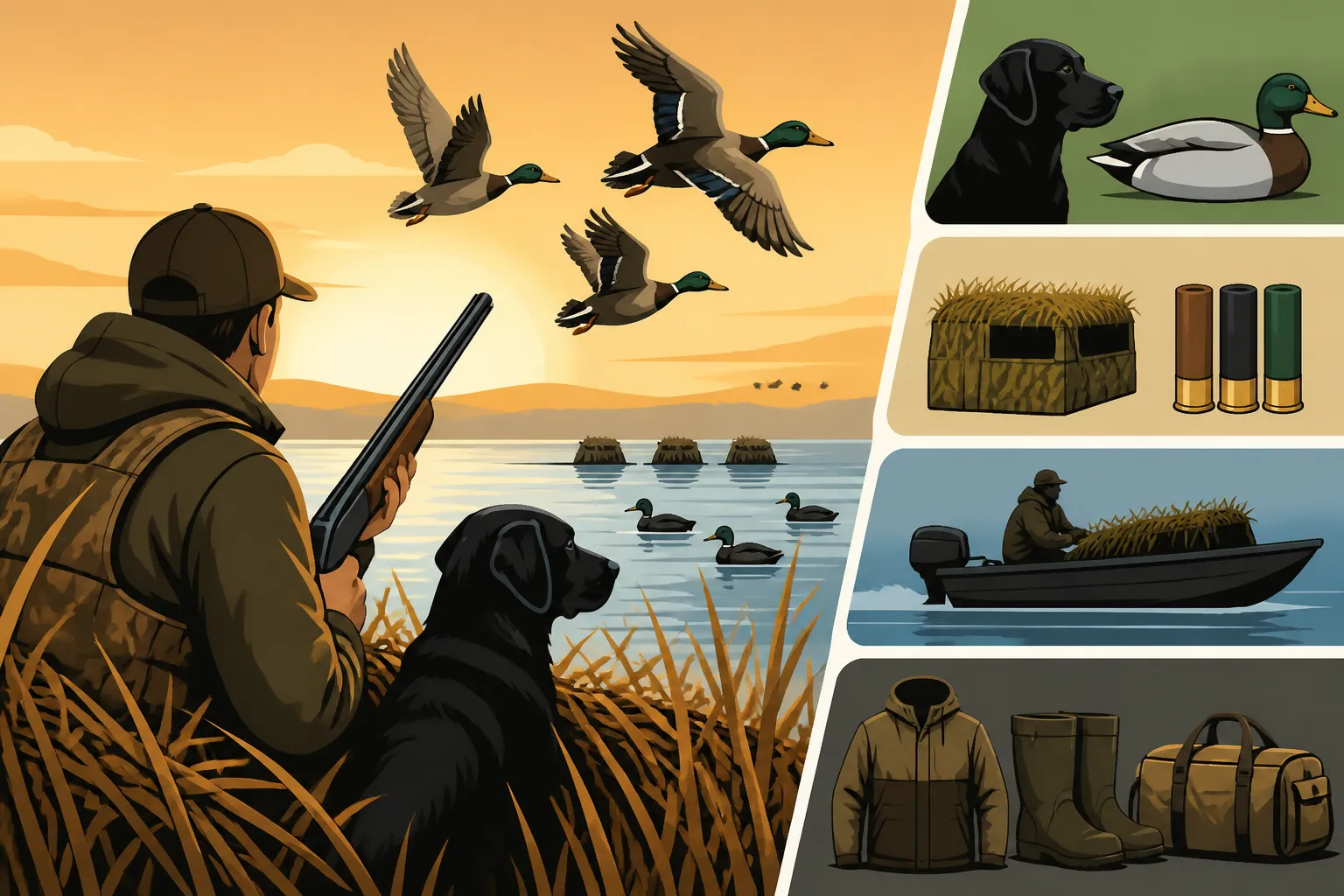
Duck Decoy Spreads: For duck hunts, especially for mallards and pintails in the famed North Dakota Waterfowl on the Prairie Pothole Flyway, guides typically provide a robust spread of high-quality duck decoys. This could range from a couple of dozen standard decoys to elaborate spreads featuring motion decoys, spinning-wing decoys, and even large floating spreads for water hunts on sloughs or larger lakes. The guide knows the local birds, their flight paths, and how to configure a spread to lure them in effectively. They'll also handle all the deployment and the equally important, often icy, tear-down at the end of the hunt. This saves you significant investment in gear and a lot of cold, wet work. For detailed strategies, you might want to read about Decoy Spreads for Prairie Pothole Mallards.
Goose Decoy Spreads: If you're chasing Canada geese or even the massive migrating snow geese, the decoy spread becomes an even more monumental undertaking. Goose spreads can involve hundreds of full-body decoys, silos, and even windsocks, often covering a vast area of a cut grain field. Hauling, deploying, and arranging these decoys in a realistic pattern is a serious commitment, and it's almost always a core part of your guide’s service. They'll have the trailers, the ATVs, and the manpower to get it done efficiently, saving you hours of labor. Many guided hunts, especially for geese, utilize specialized blinds.
Blinds and Concealment: Your guide will also provide the necessary concealment. This might mean laying out Layout Blind Hunting a Cut Wheat Field in a stubble field, setting up A-frame blinds brushed in to disappear into a cattail edge, or even taking you to a pre-built pit blind on a field edge. They handle the brushing in, the camouflage, and ensuring everyone has a comfortable (as comfortable as it gets when hunting waterfowl!) and concealed position to shoot from. You don't need to haul your own blind or wonder if it will blend in.
Calling and Scouting Expertise
A great waterfowl guide isn't just a gear hauler; they are an invaluable resource for finding and attracting birds. Their local knowledge is arguably the most important element of a successful guided hunt.
Pre-Hunt Scouting: Long before you arrive, your guide has been scouting. This involves countless hours driving rural roads, watching flight patterns, identifying feeding fields, and observing roosting sites. They're constantly monitoring weather patterns, crop harvests, and bird movements. This meticulous pre-hunt scouting is what ensures you're in the right place at the right time. They'll likely have multiple options scouted out, allowing for flexibility if conditions change overnight or if a field suddenly becomes too pressured. You can almost think of them as a personal bird detective, constantly tracking the movements for your hunt day.
Expert Calling: A skilled caller can make or break a waterfowl hunt, especially on days when birds are wary or conditions are tough. Your guide will likely be an accomplished caller, able to use a variety of calls (duck calls, goose calls, speck calls, snow goose calls) to mimic real birds and pull them into the spread. They understand the nuances of calling – when to be aggressive, when to be subtle, and when to go silent. This isn't something you can easily learn overnight, and having an expert doing it for you significantly increases your chances of decoying birds within shooting range.
Dog Handling and Retrieval
Not every waterfowl hunter owns a trained retriever, and even those who do might prefer to leave the heavy lifting to the guide’s seasoned pro.
Trained Retrievers: Most North Dakota waterfowl guides operate with well-trained retrieving dogs, typically Labrador Retrievers, Chesapeake Bay Retrievers, or Golden Retrievers. These dogs are invaluable for efficiently finding and bringing back downed birds, especially in thick cover like cattails, standing corn, or deep water. A good retriever minimizes lost birds, which is not only ethical but also ensures you make the most of your North Dakota Duck and Goose Bag Limits.
Dog Handling by the Guide: The guide will manage their dog, ensuring it stays steady in the blind, makes clean retrieves, and doesn't interfere with the hunt. You don't have to worry about managing your own dog, especially if it's less experienced or prone to breaking. This allows you to focus purely on the shooting and the experience, leaving the often-demanding task of dog handling to the professional.
Logistics Beyond the Blind: What Else is Covered
While the action in the field is what most people focus on, a guided hunt often includes several logistical elements that make the entire experience smoother and more enjoyable.
Transportation to and From the Hunt Area
North Dakota waterfowl hunting often involves venturing into remote locations, far from paved roads. Getting there and back can be a challenge.
From a Central Meeting Point: Most guides will designate a central meeting point – perhaps a local gas station, a hotel lobby, or their own lodge. From there, they will transport you and your gear (minus your gun, which you'll typically carry) to the hunting location. This usually involves a four-wheel-drive truck, often with a trailer for decoys and blinds, capable of navigating muddy field roads, snow-covered trails, or rough terrain. This saves you wear and tear on your personal vehicle and ensures you can access prime spots that might otherwise be unreachable.
Field-Specific Transport: If the hunt involves walking a significant distance across a field or getting into a tricky slough, the guide might utilize an ATV or UTV to transport hunters and gear closer to the blind. This is especially helpful for those with mobility issues or when dealing with heavy gear in challenging conditions. The guide takes on the responsibility of getting you safely and efficiently to the hunting spot.
Meals and Beverages
Hunting, especially in cold North Dakota weather, can work up a serious appetite. Many guided waterfowl hunts include some form of food and drink service.
Field Meals: It's common for guides to provide a hearty breakfast (often on the go, or a quick hot meal after the morning flight) and a warm lunch in the field. This might include sandwiches, soups, chili, or even grilled items, often accompanied by snacks like jerky, granola bars, and fruit. Having these provisions eliminates the need for you to pack your own food and ensures you stay energized throughout the day.
Hot Beverages: On chilly mornings, a thermos of hot coffee, tea, or cocoa is a welcome comfort. Guides will almost always have these available, along with plenty of bottled water or other non-alcoholic drinks. This thoughtful touch makes a big difference in maintaining comfort and morale during long hours in the blind. It's especially nice when you're Hunting into a December Cold Snap.
Bird Cleaning and Care
After a successful hunt, the last thing many hunters want to do is spend hours cleaning birds. This is another area where guides often provide a valuable service.
Field Dressing or Breast Filleting: Many guides will offer to field dress your birds or, more commonly for waterfowl, breast out the meat for you. This means they'll remove the breasts, often skinning them, and prepare them for transport. Some may even provide bags for your meat. This saves you a significant amount of time and effort, ensuring your hard-earned harvest is processed efficiently and hygienically. They know the best practices for handling venison and fowl, particularly important in areas where regulations for handling game might be stringent.
Proper Storage and Packaging: The guide will usually have coolers and ice to keep your birds fresh until you can transport them. They understand the importance of cooling game quickly, especially if you're traveling a long distance after the hunt. Some guides might even have facilities for vacuum sealing or freezing, though this is less common for a standard day hunt and more likely with multi-day lodge packages. This service ensures your game meat is properly cared for from the moment it's harvested.
What's Not Typically Included (and Why)
While a guided waterfowl day covers a lot, it's crucial to understand what remains your responsibility. Misunderstandings here can lead to frustrating surprises.
Licenses, Stamps, and Certifications
This is perhaps the most important area where hunters need to be diligent. Your guide cannot provide these for you.
State Hunting License: Every hunter, resident or nonresident, needs a valid North Dakota hunting license. For waterfowl, this typically includes a small game license and often a specific waterfowl endorsement or combination license. You are responsible for purchasing this before your hunt begins. Check the North Dakota Game and Fish Department website for current requirements and purchasing options. Nonresidents, especially, should be aware of rules like North Dakota's New Nonresident Waterfowl Rule or North Dakota's Zone-Restricted Waterfowl License.
Federal Duck Stamp: Anyone 16 years or older hunting migratory waterfowl in the United States must possess a valid Federal Migratory Bird Hunting and Conservation Stamp, commonly known as a Federal Duck Stamp. This is a separate purchase from your state license and supports wetland conservation. For more information, see North Dakota Federal Duck Stamp Requirement.
HIP Certification: The Harvest Information Program (HIP) is a federal program that collects harvest data on migratory birds. If you plan to hunt ducks, geese, coots, doves, snipe, or woodcock, you must complete a HIP certification in North Dakota annually. This is usually free and can be done when purchasing your state license. Make sure you understand North Dakota HIP Certification for Bird Hunters.
Other Migratory Bird Stamps: North Dakota may also require a state migratory bird stamp or certification. Always double-check the latest regulations to ensure you have all necessary paperwork. It’s always best to have your licenses printed or readily accessible on your phone, as wardens can and do check in the field.
Ammunition, Shotguns, and Personal Gear
Your personal shooting equipment and clothing are always your responsibility.
Shotgun: You will need to bring your own shotgun. The most common gauges for waterfowl are 12-gauge and 20-gauge. Ensure it's in good working order and that you're familiar with its operation. Many hunters bring a backup shotgun, especially on multi-day trips, in case of a malfunction.
Ammunition: Waterfowl hunting requires non-toxic shot (steel, bismuth, tungsten, etc.). Lead shot is illegal for migratory birds. You'll need to bring enough shells for the day – experienced hunters often pack a box or two per day, or more if they anticipate high-volume shooting or pass-shooting opportunities like Pass-Shooting Geese Off a Roost Pond. Your guide can advise on preferred shot sizes (e.g., #2 or #4 for ducks, BB or BBB for geese), but you are responsible for purchasing and bringing them.
Personal Clothing and Gear: This includes warm, layered clothing appropriate for North Dakota's often-extreme weather, waterproof outerwear, waterproof boots (often chest waders for slough hunts), gloves, a hat, and eye/ear protection. Headlamps are also crucial for pre-dawn setups and post-hunt breakdowns. Guides expect you to come prepared for the elements.
Gratuities for Your Guide
While the guiding fee covers the service, it's customary to tip your guide for their hard work and dedication.
Standard Practice: Tipping is an industry standard and a significant part of a guide’s income. A typical gratuity ranges from 15-20% of the hunt’s cost, assuming you had a good experience and the guide worked hard. If the guide went above and beyond, or if conditions were particularly tough, a more generous tip is always appreciated.
When and How to Tip: It’s best to give the tip directly to the guide at the end of the hunt, preferably in cash. This ensures they receive it directly and can use it as they see fit. Consider the effort involved, the success of the hunt, their hospitality, and overall professionalism when deciding on your tip.
Accommodation and Travel to North Dakota
The broader travel logistics to get to North Dakota and lodging during your stay are typically not included in a day-rate guided hunt.
Travel to the State: You are responsible for your own transportation to North Dakota, whether that’s flying into Bismarck or Fargo and renting a car, or driving your own vehicle.
Lodging: Unless you book a multi-day package that specifically states lodge accommodation is included, you'll need to arrange your own hotel, motel, or Airbnb. Some guides might have recommendations for local lodging options or partnerships with nearby establishments.
Making the Most of Your Guided Waterfowl Day
You've invested time and money into this experience, so here's how to ensure you get the most out of your guided waterfowl day in North Dakota.
Pre-Trip Communication
The time leading up to your hunt is crucial for setting expectations and ensuring a smooth experience. Don't be afraid to communicate.
Asking the Right Questions: Before you even book, and certainly in the weeks leading up to your hunt, ask your guide specific questions. This includes:
- What time and where is the meeting point?
- What kind of weather should I prepare for?
- What specific gear should I bring (e.g., chest waders vs. knee boots)?
- What type of shells do you recommend (shot size, brand)?
- What is the typical flow of the day?
- Are meals and drinks provided, and if so, what kind?
- Do you provide bird cleaning?
- What are the local CWD regulations if I plan to hunt deer later? (Always good to know if you're multi-species hunting!)
- What’s the best way to handle gratuities?
A good guide will appreciate your proactive approach and will be happy to answer these questions. Websites like GoHunt or BookYourHunt often have detailed profiles for outfitters that can answer some of these questions, but a direct conversation is always best.
Communicating Special Needs: If you have any dietary restrictions, mobility concerns, or other special needs, communicate these to your guide well in advance. They can often make accommodations or advise you if the hunt isn't suitable for your particular situation.
Being Prepared on Hunt Day
Your guide will do their part, but your cooperation and preparation are key to a successful hunt.
Dress for Success: North Dakota weather can be notoriously unpredictable. Dress in layers, wear waterproof and windproof outerwear, and prioritize warmth. It’s always better to have too many layers and shed them than to be cold and miserable. When hunting a standing corn field for late-season geese, temperatures can drop significantly.
Follow Instructions: Once in the field, listen carefully to your guide’s instructions. This includes when to shoot, when to call, how to sit in the blind, and safety protocols. They have a plan, and your adherence to it is vital for both success and safety. Resist the urge to fidget, talk loudly, or pop your head up at the wrong moment.
Prioritize Safety: Always follow fundamental firearm safety rules. Keep your muzzle pointed in a safe direction, keep your finger off the trigger until ready to shoot, and be absolutely sure of your target and what's beyond it. Never hesitate to ask for clarification if you are unsure about a shot.
Leveraging Guide Knowledge for Future Hunts
A guided hunt is a fantastic learning opportunity. Think of it as a masterclass in waterfowl hunting.
Observe and Learn: Pay attention to how your guide sets the spread, reads the birds, uses calls, and adapts to changing conditions. Ask questions during downtime. This hands-on learning can drastically improve your own skills for future self-guided hunts. You might learn about Duck Migration Timing Through North Dakota or new techniques for Hunting a North Dakota Prairie Pothole Slough Edge.
Build a Relationship: If you have a great experience, consider rebooking with the same guide or outfitter in the future. Building a relationship can lead to even better hunts, as they'll get to know your preferences and shooting style. Many outfitters offer discounts or priority booking for returning clients. You can often find guides through services like BookYourHunt or GoHunt, which can help you compare options and read reviews before committing.
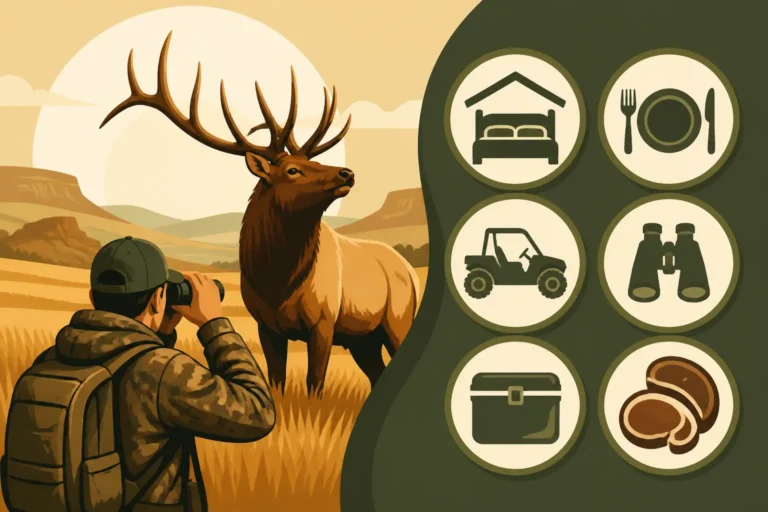
Table: Typical Inclusions and Exclusions in a Guided Waterfowl Day
| Category | Typically Included | Typically Excluded | Notes |
|---|---|---|---|
| Field Operations | Decoys & Spreads, Blinds & Concealment, Pre-Scouting | Your Personal Shotgun, Ammunition (Non-toxic) | Guide provides the heavy gear and expertise for finding birds. |
| Logistics | Transportation to/from hunt area (from meeting point) | Travel to North Dakota, Accommodation | Guide handles field transport, not your entire trip. |
| Support | Guide's expertise, Dog & Handler, Bird Cleaning | Licenses, Stamps (Federal & State), HIP Certification | Hunter responsible for legal documentation. |
| Provisions | Field Meals (breakfast/lunch), Hot/Cold Beverages | Alcohol (usually not provided), Personal Snacks | Confirm specifics with your guide; some offer more elaborate meals. |
| Post-Hunt | Initial game care (breasting, cooling) | Taxidermy, Commercial Meat Processing | Guide gets birds ready for transport, not final processing. |
| Financial | Guiding Fee | Gratuities for Guide (15-20% standard) | Tips are a separate, expected expense. |
This breakdown should give you a clear picture of what to expect when you book a guided waterfowl hunt in North Dakota. With proper preparation and clear communication, you're set for an incredible experience chasing ducks and geese across the prairie.
Disclaimer
This article is for general informational purposes only and does not constitute professional advice. Laws, prices and regulations vary by location and change over time. Consult a qualified professional for guidance on your specific situation.