Finding Access Near Devils Lake City
Alright, fellow hunters and outdoor enthusiasts, let's talk about something that often keeps us up at night: finding a place to hunt. Especially when you're looking for prime spots around a popular area like Devils Lake, North Dakota. It can feel like every piece of ground is either tightly held private land or public access that's already overrun. But don't despair! This guide is all about cutting through that frustration and laying out a clear path to uncover excellent hunting access near Devils Lake City, making your next outing successful and enjoyable.
Understanding the Unique Devils Lake Hunting Landscape
Devils Lake isn't just a body of water; it's a dynamic ecosystem and a major hub for hunting in North Dakota. This area presents a unique blend of opportunities and challenges that you really need to understand before you even think about lacing up your boots. It’s not like hunting the Badlands or the river breaks; this is prime prairie pothole country, heavily influenced by agriculture and the lake itself.
The Prairie Pothole Region's Influence
Think about the landscape immediately surrounding Devils Lake. You're smack dab in the middle of North America's "Prairie Pothole Region," often called the duck factory. This isn't just a catchy nickname; it's an incredibly accurate description of a landscape dotted with thousands of shallow wetlands, or "potholes," interspersed with agricultural fields and grasslands. These potholes are magnets for migrating waterfowl and offer fantastic habitat for upland birds. But the sheer abundance of water can also be a challenge for access, as many areas can be muddy, marshy, or require specialized gear to navigate. It means that while birds might be plentiful, getting to them requires careful planning. This unique geography is why the hunting here is so different and often so rewarding, particularly for North Dakota Waterfowl on the Prairie Pothole Flyway.
The intermingling of wetlands and farmlands creates a mosaic of habitat that supports a diverse array of game. You'll find deer utilizing the small woodlots and shelterbelts that farmers planted, often traveling between feeding in fields and bedding in thicker cover near water. Pheasants and Hungarian partridge thrive in the grassy margins and standing crops adjacent to these wetlands. This constant interplay between water, agriculture, and scattered cover defines hunting around Devils Lake. Understanding this relationship is key to predicting where game will be and, consequently, where you'll need to focus your access efforts. It's a landscape that rewards hunters who pay close attention to details and are willing to adapt their strategies based on the current conditions.
Agriculture and Waterfowl Nexus
North Dakota is an agricultural state through and through, and the area around Devils Lake is no exception. Vast fields of wheat, corn, beans, and sunflowers dominate the landscape, providing an irresistible food source for geese, ducks, and deer. This agricultural abundance draws in incredible numbers of migratory birds, making Devils Lake a world-renowned waterfowl destination. However, the presence of so much private farmland also means that a significant portion of prime hunting ground is off-limits without explicit permission. This is the central tension for many hunters: incredible potential, but often behind closed gates.
The crops, especially standing corn and sunflowers later in the season, offer both food and cover. Geese will often roost on the open water of Devils Lake itself, then fly out to feed in nearby grain fields. Ducks will utilize smaller potholes and sloughs, but also hit stubble fields for waste grain. This makes agricultural lands incredibly valuable for hunters targeting these species. For deer hunters, the edges of these fields, especially where they meet thicker cover like shelterbelts or small creek bottoms, are often travel corridors and feeding areas. Understanding crop rotation and harvest timing can give you a significant advantage in identifying where game will congregate, which then informs your strategy for seeking access. It’s a constant chess match with the seasons and the land.
Navigating Public Hunting Opportunities
While it might feel like private land dominates, there are actually significant public hunting opportunities available near Devils Lake. The trick is knowing where to look, understanding the specific rules for each type of land, and often, being willing to put in a little extra legwork. Public land hunting here can be incredibly rewarding, especially if you arrive prepared and flexible.
PLOTS Land Around Devils Lake
The Private Land Open To Sportsmen (PLOTS) program is an absolute game-changer for public access in North Dakota, and there are some fantastic PLOTS tracts scattered around the Devils Lake region. These are private lands where landowners have voluntarily opened their property to public hunting in exchange for financial incentives. The beauty of PLOTS is that it’s clearly marked with yellow signs, and it’s accessible to anyone with a valid hunting license. The challenge, however, can be that these areas see a lot of pressure, especially during opening weekends or peak migration.
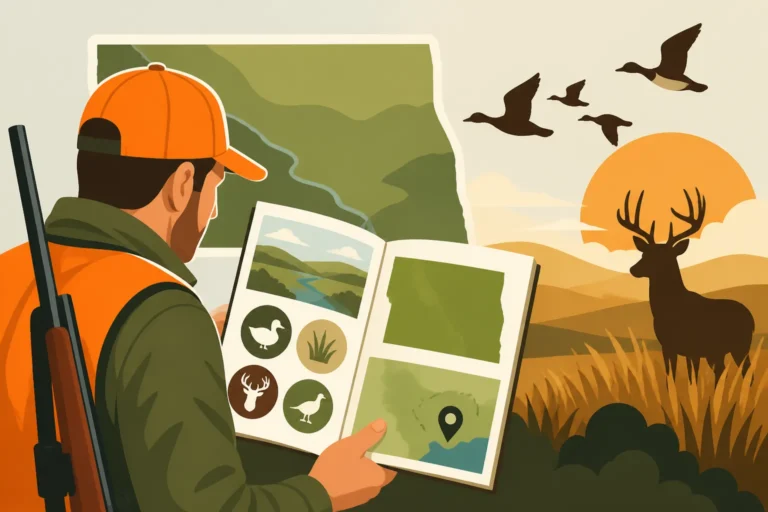
To really make the most of PLOTS land near Devils Lake, you need to do your homework. Start by checking the North Dakota Game and Fish Department's website for their interactive PLOTS map, or pick up a physical Using the PLOTS Guide Booklet. This will show you exactly where the tracts are, their boundaries, and often a description of the habitat. When you’re scouting, look for PLOTS tracts that might be less obvious, perhaps requiring a longer walk from a section road or bordering a less-traveled area. These often hold game longer into the day or season. Remember that rules for PLOTS can vary slightly depending on the agreement, so always read the signs at the access points. While some tracts are primarily grasslands, others might include cropped fields, wetlands, or small timber stands, providing a variety of hunting scenarios.
Waterfowl Production Areas (WPAs) and Their Potential
Waterfowl Production Areas (WPAs) are another fantastic public land resource managed by the U.S. Fish and Wildlife Service. These areas are specifically acquired and managed for waterfowl breeding and habitat, making them prime spots for ducks and geese, but also excellent for upland birds and even deer that utilize the cover. There are numerous WPAs dotted throughout the prairie pothole region, including many within a reasonable drive of Devils Lake City. These lands offer consistent, reliable public access.
Hunting WPAs often means embracing varying water levels and thick cover. You might find yourself jump-shooting small potholes or setting up decoys on larger basins. For upland birds, the grassy edges and dense cattails can hold pheasants and sharptails. The key with WPAs, like any public land, is scouting. Water levels change, and what was an open sheet of water last year might be a dry basin this year, or vice-versa. Always check the current conditions. Be prepared for company, especially on popular WPAs, but also be willing to explore the less accessible corners; many hunters won’t put in the effort. Remember, a federal duck stamp is required to hunt waterfowl on WPAs, in addition to your state licenses and HIP certification. Hunting a Waterfowl Production Area for Upland Birds can be a fantastic experience, even if you’re primarily targeting waterfowl.
State School Lands and Their Rules
North Dakota has a significant amount of "State School Lands," which were originally designated to support public education. These lands are generally open to public hunting unless they are legally posted by a lessee. This means they can be another valuable source of access around Devils Lake. However, hunting these lands comes with a specific set of rules and considerations that hunters must understand to avoid trespassing or violating regulations.
The first step is identifying these lands. Digital mapping tools like onX Hunt are indispensable here, as they often clearly delineate state school lands. Once you've identified a parcel, it's crucial to confirm it's not posted. If the land is leased for grazing or agriculture, the lessee can post it against hunting. If it's not posted, you generally have legal access for hunting. However, you must always respect any agricultural operations, fences, and gates. It's also good practice to check for existing trails or access points, as driving off-road on state school lands can be restricted or cause damage. These lands often feature grasslands, wetlands, and sometimes even small timber stands, providing diverse habitat for deer, pheasants, and waterfowl, much like the private land surrounding them.
| Public Land Type | Primary Game Species | Common Features | Access Considerations |
|---|---|---|---|
| PLOTS Land | Deer, Pheasant, Waterfowl | Diverse (fields, grass, wetlands) | Clearly marked, check maps, higher pressure possible |
| Waterfowl Production Areas (WPAs) | Waterfowl, Pheasant, Deer | Wetlands, dense grasses, some fields | Federal duck stamp required for waterfowl, great cover, scout water levels |
| State School Lands | Deer, Pheasant, Waterfowl | Grasslands, wetlands, some crop/grazing | Open unless posted by lessee, use digital maps, respect agriculture |
The Art of Securing Private Land Permission
In a state like North Dakota, especially near a productive agricultural zone like Devils Lake, a significant amount of the best hunting still lies on private land. This is where truly dedicated hunters learn to excel. While it might seem daunting, securing private land permission is often about respect, communication, and a little bit of old-fashioned persistence.
Knocking on Doors: A Traditional Approach
Yes, it still works! In North Dakota, especially in more rural areas surrounding Devils Lake, the time-honored tradition of knocking on doors to ask for hunting permission remains one of the most effective strategies. Farmers and ranchers often appreciate the direct approach, and it gives them a chance to size you up. You're not just a name on a list; you're a person. The key here is timing, presentation, and respect. Don't show up in your camo rig on opening morning. Instead, try to approach landowners during the off-season or well before hunting season truly begins. Early spring or late summer, when they might be less busy with harvest, can be ideal.
When you do knock, be polite, be brief, and clearly state your intentions. Dress presentably, leave your firearm in the truck, and be ready to introduce yourself. Explain what you're hoping to hunt and ask if they have any land they'd be willing to let you access. Be prepared to hear "no" sometimes – not every landowner is keen on having hunters, and that's their right. But often, if you make a good impression and offer to help with chores or share some of your harvest, you might just open a door to some incredible hunting. Remember, a simple thank you note or a small gesture of appreciation after the hunt can go a long way in securing future access.
Building Relationships with Local Landowners
The real magic happens when you move beyond a single "ask" and start building genuine relationships. This is how many hunters gain consistent, quality access to private land year after year. It's not just about one hunt; it's about becoming a trusted individual in the community. If a landowner grants you permission, make sure you leave their property better than you found it. Pick up any trash, close all gates, drive only on designated trails, and adhere strictly to any rules they set.
Consider offering help during the off-season. Can you lend a hand with fencing? Help with checking cattle? Even just dropping off a gift basket around the holidays can reinforce that you appreciate their generosity. Share game camera photos if you capture something interesting. These small gestures show you're not just a hunter looking for a trophy, but someone who respects their land and livelihood. Over time, these relationships can evolve into friendships, granting you access that few others will ever find. This long-term approach to "hunting" for permission is often the most rewarding and sustainable strategy for private land in North Dakota.
Leveraging Technology for Access
In today's hunting world, technology is an indispensable tool, especially when you're trying to locate and gain access to hunting land around Devils Lake. Digital maps, online platforms, and community resources can drastically cut down on scouting time and open up opportunities you might never have found otherwise.
Digital Mapping Tools for Scouting
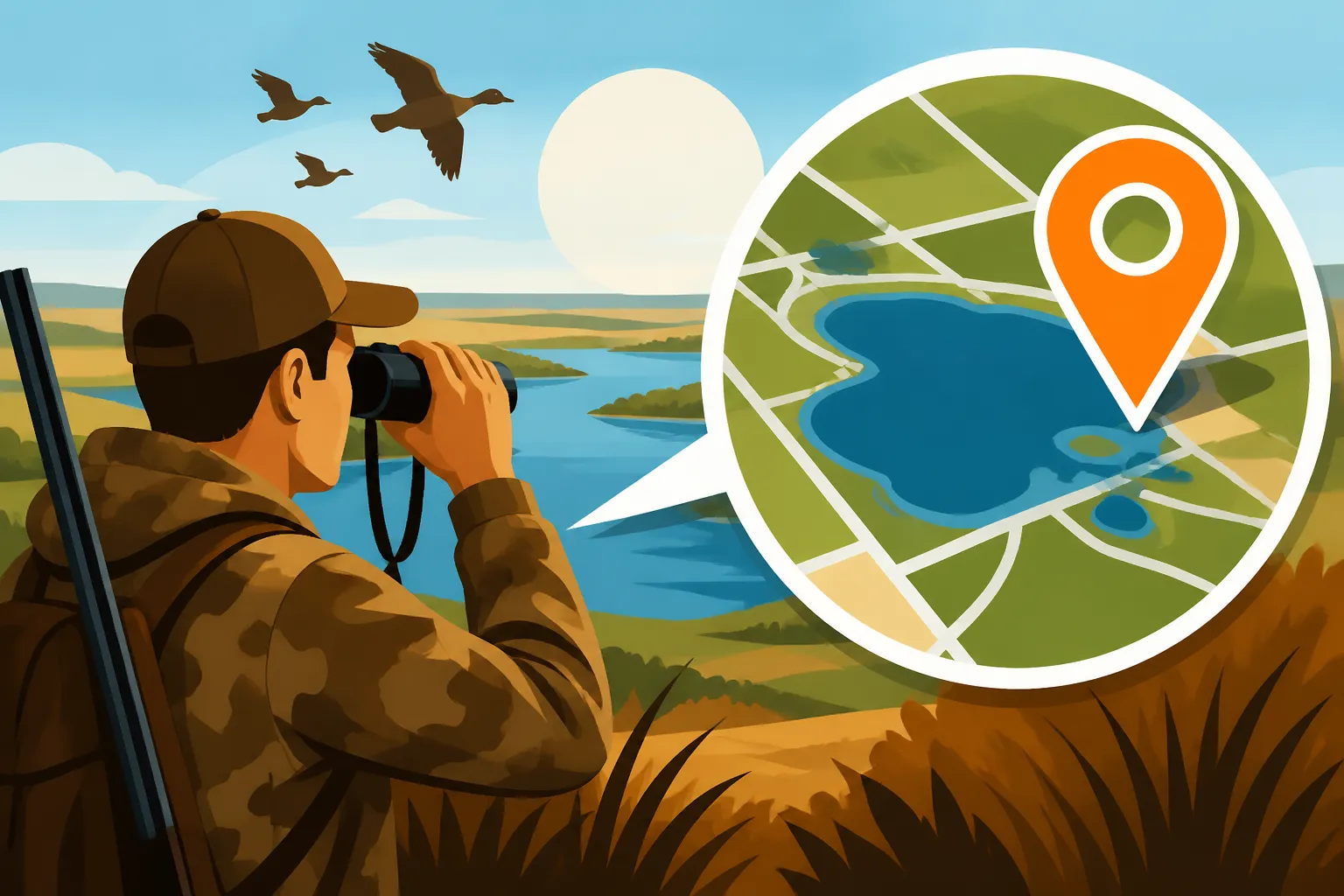
Modern hunters simply can't afford to overlook digital mapping applications. Tools like onX Hunt have revolutionized how we find and navigate hunting ground. For the Devils Lake area, these apps are critical for identifying land ownership, public land boundaries, and even habitat features from your phone or computer. Imagine being able to see exactly where PLOTS land ends and private land begins, or pinpointing those often-overlooked State School Trust Lands.
With onX Hunt, you can layer satellite imagery with public land designations (PLOTS, WPA, State School Land), private property lines, and landowner names. This is invaluable for both scouting public areas and identifying who to contact for private land permission. You can mark potential access points, create waypoints for specific habitat features like standing corn or cattail sloughs, and even track your movements. For hunters near Devils Lake, being able to quickly distinguish between different types of public access and identify nearby private landowners is a huge time-saver and significantly increases your chances of finding unpressured ground. Another fantastic option that provides similar mapping capabilities and detailed landowner information is GoHunt, offering another robust platform to help you dissect the landscape from the comfort of your home.
Online Resources and Community Forums
Beyond mapping apps, the internet offers a wealth of information if you know where to look. Official state websites, like the North Dakota Game and Fish Department, are your first stop for regulations, season dates, and general public land information. Their PLOTS map is constantly updated and crucial for planning. But don't stop there. Online hunting forums and social media groups dedicated to North Dakota hunting can be goldmines of local knowledge.
While you might not get someone to hand you their secret spot, you can often glean insights into general areas, common hunting pressure, or even tips on how to approach local landowners. Reading trip reports from past seasons can help you understand game movements or public land conditions. Websites like GoHunt also offer forums and community features where hunters share information and experiences, providing a broader perspective on hunting conditions and access in different regions of the state, including around Devils Lake. Always take online information with a grain of salt, but it can certainly help fill in gaps and build a more complete picture of the hunting landscape.
Species-Specific Access Considerations Near Devils Lake
While the general principles of finding access remain consistent, how you apply them will often depend on what species you're chasing. Devils Lake offers a diverse menu of hunting opportunities, and tailoring your access strategy to your target game will yield the best results.
Waterfowl Hunting Hotspots and Access
Devils Lake is legendary for its waterfowl hunting, attracting ducks and geese from across the continent. When it comes to finding access, your focus will often be on wetlands, large water bodies, and adjacent agricultural fields. Public Waterfowl Production Areas (WPAs) and State Wildlife Management Areas (WMAs) are obvious starting points. Many smaller, isolated potholes on PLOTS land or unposted State School Lands can also provide excellent jump-shooting opportunities or a spot to set up a small decoy spread.
For field hunting geese or ducks, securing private land permission is often crucial. Identifying which fields are being harvested and which crops remain standing will dictate bird movement. Often, the best goose hunting involves access to cut grain fields for feeding, while ducks might prefer flooded stubble or smaller water bodies. Remember to coordinate with landowners about field conditions, as driving heavy equipment or ATVs in wet fields can cause damage. Be aware of North Dakota Duck and Goose Bag Limits and other specific regulations for waterfowl. If you're looking to hunt specific areas of Devils Lake itself, public boat ramps provide access, but open water hunting can be challenging without specialized boats and layouts. Consider Hunting a Devils Lake Flooded Field if water levels are right.
Upland Bird Hunting on Field Edges and Cover
Pheasants, sharptail grouse, and Hungarian partridge are abundant around Devils Lake, often found in the same areas you'd expect to see waterfowl. For upland birds, focus your access efforts on areas with thick, grassy cover, shelterbelts, cattail sloughs, and the edges of agricultural fields. PLOTS land is a fantastic resource for upland hunters, especially those willing to walk. Seek out tracts that offer a mix of habitat: tall grass, brush, and proximity to grain fields.
WPAs can also be excellent for upland birds, particularly pheasants that hold tight in dense cattails or brushy edges. Don't overlook the potential of unposted State School Lands that might be comprised of native prairie or CRP (Conservation Reserve Program) grass. When seeking private land permission for upland birds, landowners are sometimes more amenable, especially if you emphasize safety and respect for their property. Many farmers welcome hunters who can help reduce bird numbers that might be damaging crops. Keep an eye out for shelterbelts and unharvested cover strips along field edges; these are pheasant magnets.
Deer Hunting: Timber, Draws, and Cropland Edges
While Devils Lake is famous for birds, it also offers solid deer hunting, especially for whitetails that thrive in the mixed agricultural and woodland habitat. Mule deer are less common this far east but can be encountered in the rougher breaks or unique habitat features. For deer, your access strategy will focus on river bottoms, creek drainages, shelterbelts, and timbered draws that provide cover and travel corridors. The edges of corn, sunflower, or bean fields are key feeding areas, particularly in the late season.
Public lands like some larger PLOTS tracts, State Wildlife Management Areas (WMAs), and larger parcels of State School Land can hold good numbers of deer, especially if they offer sufficient cover and aren't too heavily pressured. Look for these areas near the coulees and wooded areas that flow into or around the lake region. North Dakota Deer Population Estimate numbers for the region can guide your expectations. When seeking private land permission for deer, consider areas where landowners might have deer damage to crops, as they may be more open to hunters. Focus on scouting for natural funnels, pinch points, and bedding areas near food sources. Understanding deer movement patterns between feeding and bedding areas will be paramount to success, regardless of the land type.
Challenges and Best Practices for Devils Lake Hunters
Even with all the resources and strategies, hunting around Devils Lake isn't without its challenges. Understanding these and adopting best practices will not only improve your success but also ensure you're a responsible and respectful hunter.
Managing Hunter Pressure
Devils Lake is a popular destination, and with popularity comes hunter pressure. This is perhaps the biggest challenge when seeking access, particularly on public lands like PLOTS and WPAs. During peak seasons, especially waterfowl openers or the first few days of pheasant season, these areas can see a significant influx of hunters. This pressure can push game onto private lands or make birds warier and harder to approach.
The key to managing pressure is a multi-pronged approach. First, be willing to walk further than others. Many hunters stick close to easy access points. By venturing deeper into larger tracts of public land, you're more likely to find unpressured game. Second, consider hunting during weekdays rather than weekends if your schedule allows. Third, be flexible with your timing. Midday hunts, when many others have left for lunch, can be surprisingly productive, especially for pheasants. Finally, diligent scouting helps. Using digital maps to identify less obvious access points or overlooked pockets of cover can lead you to quiet spots. Remember, the goal isn't to avoid all hunters, but to find areas where game feels secure enough to act naturally.
Respecting Boundaries and Regulations
North Dakota has clear laws regarding hunting access and private property, and respecting these is non-negotiable. The consequences of trespassing or violating regulations can be severe, including fines, license revocation, and damage to your reputation as a hunter. For a more detailed look, consult North Dakota Trespass and Permission Law. Always know exactly where you are, which type of land you're on, and what the specific rules are for that area.
This means carrying and regularly checking a reliable mapping app like onX Hunt or GoHunt to ensure you're always aware of property lines. If you're on private land, strictly adhere to the landowner's wishes regarding vehicle use, gates, and specific hunting zones. If you're on PLOTS or WMA land, be familiar with all specific regulations for that area, including any restrictions on blinds, baiting, or specific hunting times. When in doubt, err on the side of caution. If a boundary is unclear, don't cross it. A moment of uncertainty is not worth a potential violation. Being a respectful and lawful hunter is not just about avoiding trouble; it's about preserving access for everyone and upholding the integrity of the hunting community.
Disclaimer
This article is for general informational purposes only and does not constitute professional advice. Laws, prices and regulations vary by location and change over time. Consult a qualified professional for guidance on your specific situation.