Hunting North Dakota’s Badlands Wilderness Study Areas
Many hunters dream of escaping the crowds and experiencing true solitude in the wild, but figuring out where and how to legally pursue game in North Dakota's Wilderness Study Areas (WSAs) can feel like navigating a maze of regulations and restrictions. This guide will walk you through everything you need to know about hunting these unique and challenging public lands, from understanding their purpose to mastering the art of a primitive hunt.
Understanding North Dakota's Wilderness Study Areas
North Dakota's Badlands are a place of rugged beauty, and within them lie special designations known as Wilderness Study Areas (WSAs). These aren't just any piece of public land; they're managed with specific intentions that directly impact how you can hunt them. It's crucial to understand what makes a WSA unique before you even think about packing your gear.
The Purpose of Wilderness Study Areas
Wilderness Study Areas are lands that have been identified by Congress or by land management agencies, like the Bureau of Land Management (BLM), as possessing wilderness characteristics. These characteristics typically include being roadless, offering outstanding opportunities for solitude, being large enough to preserve in their natural state, and containing ecological, geological, or historical features of scientific or educational value. The "study" part means they are under consideration for potential designation as full-fledged Wilderness Areas. During this study period, these lands are managed to preserve their wilderness character, preventing any actions that might compromise their suitability for future wilderness designation. This means the rules are often much stricter than on general public lands. The goal is to keep them as wild as possible, maintaining their untrammeled nature and preserving them for future generations.
Key Characteristics of North Dakota's WSAs
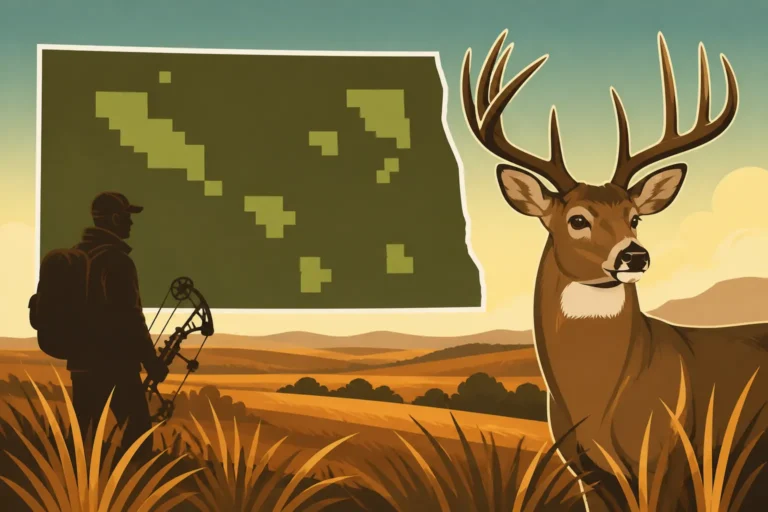
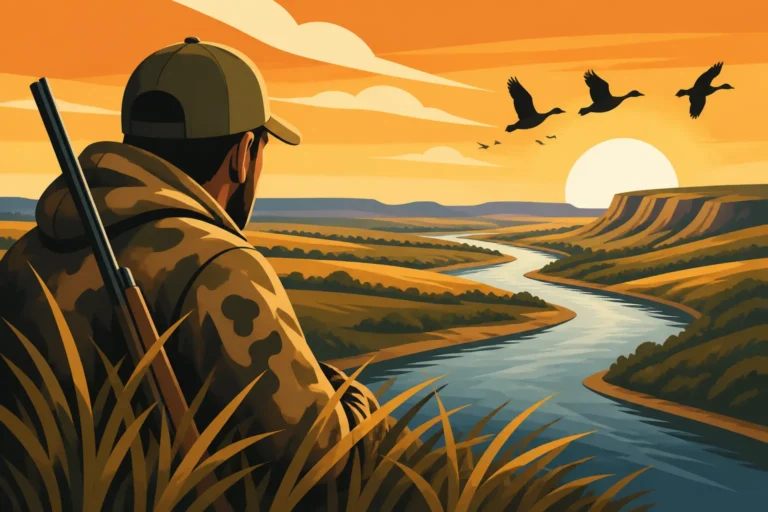
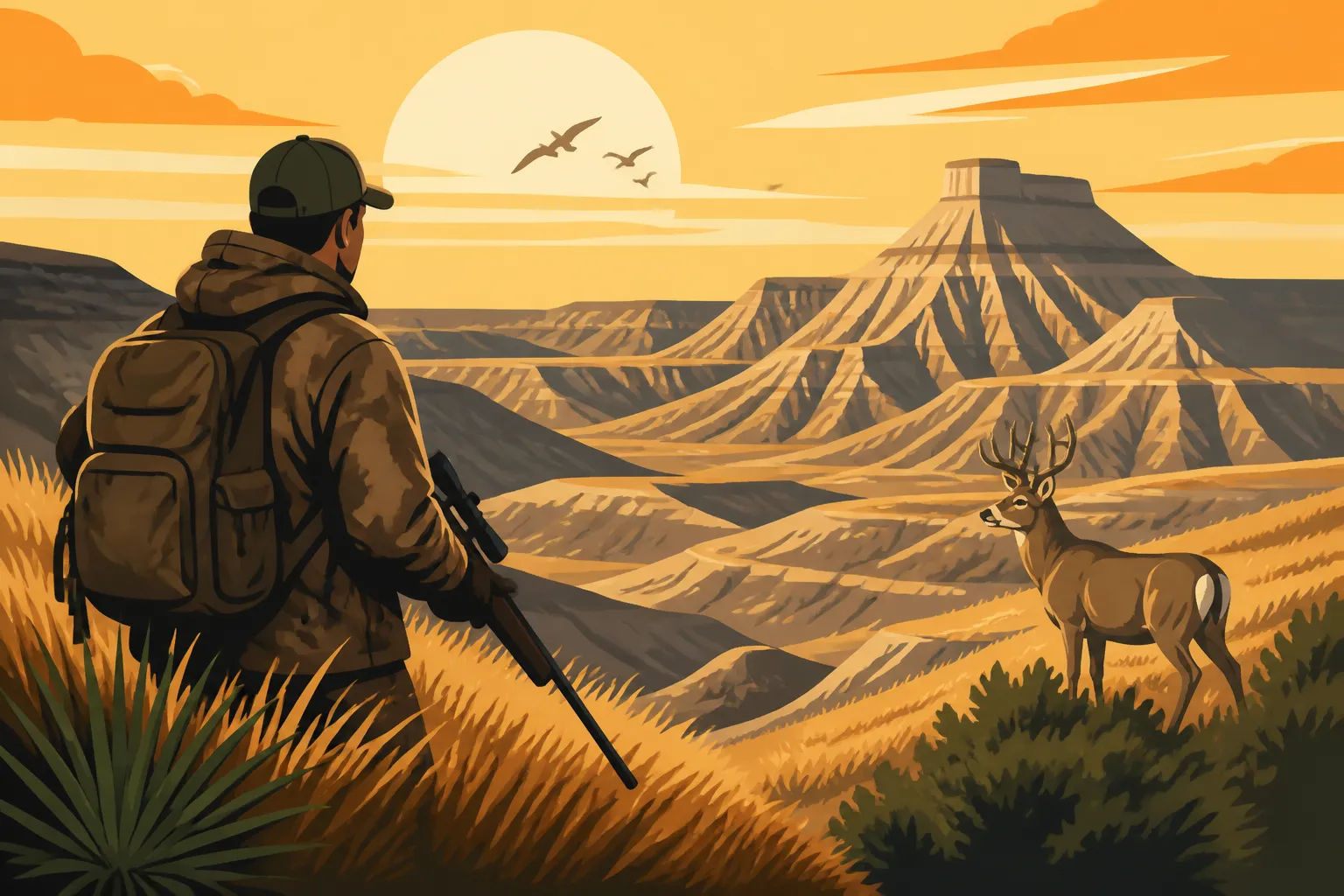
In North Dakota, the primary Wilderness Study Areas are found within the Little Missouri National Grassland, particularly the five units: Big Sky, Little Missouri, Magpie, Maah Daah Hey, and Tracy Mountain. These areas are characterized by deep, eroded badlands topography, mixed-grass prairie, juniper breaks, and scattered pockets of cottonwood and ash in the draws. They are truly remote, with very limited, if any, developed access points. You won't find gravel roads winding through them, nor will you see any permanent structures or active oil and gas development within their boundaries. The terrain can be incredibly challenging, featuring steep-sided buttes, winding coulees, and thick brush in the bottoms. Water sources are scarce, often limited to seasonal stock ponds or the Little Missouri River itself along some boundaries. The remoteness and ruggedness are precisely what appeals to hunters seeking a primitive experience, but they also demand a higher level of preparation and self-sufficiency.
Distinction from Designated Wilderness
It's vital for any hunter to grasp the difference between a Wilderness Study Area and a formally designated Wilderness Area. While both aim to preserve wild character, designated Wilderness Areas have received the highest level of protection under the Wilderness Act of 1964, meaning their wilderness character is permanently protected by law. WSAs, on the other hand, are in a temporary holding pattern. They are managed as if they were designated wilderness to protect their values, but they haven't yet received that final congressional approval. This means there's always a chance that their status could change in the future, although while they remain WSAs, the management directives are generally consistent with wilderness principles. For hunters, the practical difference is often minimal in terms of on-the-ground restrictions on vehicles and development, but it's important to understand the legal context of the land you're hunting. North Dakota currently has no designated Wilderness Areas, but the WSAs offer a taste of what such an experience would entail.
Hunting Opportunities within Badlands WSAs
Hunting in North Dakota's Wilderness Study Areas is not for the faint of heart, but it offers a genuinely rewarding experience for those willing to embrace the challenge. These areas, despite their ruggedness and restrictive access, hold populations of sought-after game species. The key is understanding what to target and how to approach these truly wild landscapes.
Primary Big Game Species
The star attraction for most hunters in the Badlands WSAs is the opportunity for big game. Mule Deer in North Dakota's Badlands are a prime target, known for their resilience in this harsh environment. Whitetails also inhabit the Badlands, especially in the denser cover found in deep coulees and along major drainages. These areas, due to limited human disturbance, can produce mature bucks for those willing to put in the effort. The remoteness often means less hunting pressure than on more accessible public lands, allowing deer to follow more natural patterns. While tags are hard to draw, Elk in North Dakota's Little Missouri Badlands also inhabit certain portions of the Badlands, including areas that overlap with WSAs. Drawing an elk tag is a once-in-a-lifetime opportunity in North Dakota, and hunting them in a WSA setting would push any hunter's skills to the limit. The sheer scale of the landscape makes glassing vast areas a primary tactic for locating these elusive animals.
Upland Bird Potential
Beyond big game, the WSAs can offer surprising opportunities for upland bird hunters. While pheasants are generally found in more agricultural settings, Sharptail Grouse and Hungarian Partridge in North Dakota thrive in the mixed-grass prairie and native rangelands that define much of the Badlands. Sharptails, in particular, prefer the expansive, unbroken grasslands with scattered brush that are characteristic of WSAs. Hungarian partridge might be found along the edges where prairie meets more broken country. Hunting these birds in a WSA means covering significant ground on foot, often following drainages or working across plateaus where birds might be feeding or loafing. It's a truly wild bird hunt, a stark contrast to walking row crops, and requires a keen eye and strong legs. Keep in mind that flushing birds here means they'll likely fly a long way into equally rugged terrain.
Considerations for Predator Hunting
For those interested in predator hunting, the WSAs provide an ideal backdrop for pursuing coyotes and foxes. The vast, open spaces and broken terrain offer excellent opportunities for calling. The undisturbed nature of these areas can mean less call-wise predators, but their elusiveness in the rugged environment will still test your skills. Patience is paramount, as is the ability to move silently and set up strategically to take advantage of the wind and topography. Unlike other forms of hunting where you might have specific seasons, predator hunting often has very liberal seasons in North Dakota, sometimes year-round. However, all the WSA access rules regarding mechanized vehicles still apply, so retrieving a harvested animal can be a significant undertaking. Hunters must plan for substantial hiking to reach prime calling locations and for packing out any takes.
Regulations and Restrictions in WSAs
Hunting in North Dakota's Badlands Wilderness Study Areas comes with a unique set of rules designed to preserve their pristine nature. These regulations are often more stringent than those on general public land, and understanding them fully is non-negotiable for a legal and responsible hunt. Ignorance of the rules is never an excuse, and violations can carry serious penalties.
Vehicle and Mechanized Transport Limitations
The most significant restriction in WSAs, and one that fundamentally shapes the hunting experience, is the prohibition on motorized vehicles and mechanized transport. This means no ATVs, UTVs, dirt bikes, or even bicycles are allowed within WSA boundaries. Your boots are your primary mode of transportation. This commitment to non-mechanized access is what ensures the solitude and wild character of these areas. It also means that scouting must be done on foot, and packing out any harvested game will require significant physical effort. Don't plan on driving right up to your preferred hunting spot; you'll be parking outside the WSA boundaries and hiking in. This limitation dramatically reduces hunting pressure in many areas, creating a more primitive and challenging hunt, but also requiring more physical preparation. Hunters should always consult the specific maps for WSA boundaries to ensure they are not inadvertently entering a restricted area with a vehicle.
Camping and Fire Restrictions
Camping within WSAs is generally permitted, but it must be done in a manner that leaves no trace. Developed campgrounds are nonexistent. This means primitive, dispersed camping is the norm. You'll need to pack in all your supplies and pack out all your trash, including human waste if suitable disposal isn't possible (e.g., catholes dug at least 200 feet from water). Open campfires are often restricted or prohibited, especially during dry conditions. Always check for current fire restrictions with the local BLM office before heading out. If fires are allowed, they must be small, contained, and completely extinguished. Carrying a portable stove for cooking is highly recommended. The goal is to minimize human impact on the landscape, so choose your campsite carefully, preferably on durable surfaces, and leave it looking as if you were never there.
Weapon and Equipment Specific Rules
While the general hunting regulations for North Dakota regarding legal firearms and archery equipment apply in WSAs, there are nuances to consider given the remote nature of these areas. For example, using trail cameras is typically allowed on public lands, but placing them deep within a WSA means a long hike to retrieve them, and their placement should adhere to Leave No Trace principles. Building permanent blinds or structures is strictly prohibited; any ground blinds or treestands must be temporary and removed after your hunt. Keep in mind that while you might use a rangefinder or GPS unit, these are not considered "mechanized" as they don't propel you. However, drone use for scouting or spotting game is generally prohibited in areas managed for wilderness characteristics. Always ensure your gear choices align with the low-impact, primitive philosophy of a WSA hunt. This also extends to retrieving game; while a game cart might seem "un-mechanized," anything with wheels that is not part of a wheelchair or similar mobility device for persons with disabilities is generally considered mechanized transport within these areas. Essentially, if it rolls on wheels to make your life easier, it's likely prohibited.
| Activity | Generally Allowed | Generally Prohibited (in WSAs) |
|---|---|---|
| Foot Travel | Yes | No |
| Horseback Riding | Yes | No |
| Camping (Dispersed) | Yes | No (Developed Campgrounds) |
| Small Campfires (if no restrictions) | Yes | Yes (Large/Unattended Fires) |
| Portable Stoves | Yes | No |
| GPS Devices | Yes | No |
| Trail Cameras (Temporary) | Yes | No (Permanent Stands/Blinds) |
| Firearms/Archery (Legal) | Yes | No |
| Motorized Vehicles | No | Yes |
| ATVs/UTVs | No | Yes |
| Bicycles | No | Yes |
| Game Carts (wheeled) | No | Yes |
| Drones | No | Yes |
Navigating and Accessing WSAs
Hunting North Dakota's Badlands Wilderness Study Areas presents a significant navigational challenge. With no designated roads or trails within their boundaries, understanding how to effectively navigate and access these remote landscapes is paramount. Modern technology, combined with traditional outdoor skills, will be your best friend.
Mapping Tools for WSA Boundaries
Precise knowledge of WSA boundaries is absolutely critical to avoid unintentional trespassing or violating specific restrictions. This is where digital mapping tools become indispensable. Platforms like onX Hunt and GoHunt offer detailed public land overlays, including specific designations like Wilderness Study Areas, right on your phone or GPS device. You can download maps for offline use, which is essential given the spotty to non-existent cell service in many Badlands areas. These apps allow you to mark potential parking areas, identify legal access points from adjacent public or private land (where permission would be needed), and track your movements in real-time to ensure you stay within permissible zones. Using a mapping tool to plan your routes, identify prominent terrain features, and even mark potential game sign before you ever set foot on the ground is a game-changer for a successful and legal WSA hunt. Always cross-reference with official BLM maps if you have any doubts, but digital maps offer unparalleled convenience and accuracy in the field.
Foot and Horseback Travel
Since mechanized travel is prohibited, your journey into a WSA will be on foot or horseback. Hiking is the most common method, requiring good physical conditioning and sturdy, broken-in boots. Physical Prep for Badlands Elk Terrain provides excellent insights into the kind of conditioning needed for such rugged landscapes. Planning your route to minimize elevation changes or utilize game trails can save energy, but be prepared for steep climbs and descents. For those with horses, packing in on horseback can greatly extend your range and lighten your load, making it easier to carry gear and pack out game. However, horses also require careful management, including proper feed and water planning, and ensuring they are acclimated to the Badlands terrain. Whether on foot or horseback, always consider the impact you're having on the fragile environment, sticking to existing trails or durable surfaces whenever possible. Remember, the deeper you go, the further you have to pack out anything you harvest.
Entry Points and Parking
Identifying legal entry points is often one of the trickiest aspects of hunting WSAs. Unlike state-managed public lands, which often have clear signage, WSA access might be less obvious. You'll typically be looking for roads or two-tracks that dead-end at the WSA boundary, or areas where the WSA abuts other public lands like general BLM land or North Dakota Wildlife Management Areas where vehicle access is permitted. Parking will be restricted to outside the WSA boundaries, usually on the shoulder of a county road, a pull-off, or a designated parking area if one exists on adjacent public land. Always pay close attention to signs indicating public versus private land boundaries, as well as any specific parking regulations. Using your mapping app to scout these access points beforehand can save you a lot of frustration. Sometimes, simply finding an un-posted section line that abuts the WSA can be your best bet, but always verify the legality of driving or parking there.
Ethical Hunting and Conservation in WSAs
Hunting in Wilderness Study Areas isn't just about bagging an animal; it's about embracing a philosophy of minimal impact and responsible stewardship. These unique landscapes demand a higher level of environmental consciousness from hunters. By adhering to ethical practices, we ensure these wild places remain wild for generations to come.
Leave No Trace Principles
The cornerstone of ethical conduct in WSAs, and indeed all wild places, is the "Leave No Trace" philosophy. This means planning ahead and preparing, traveling and camping on durable surfaces, disposing of waste properly, leaving what you find, minimizing campfire impacts, respecting wildlife, and being considerate of other visitors. For hunters, this translates to things like packing out all spent shell casings, gut piles placed well away from water sources and travel corridors, and not cutting live trees for firewood or blind material. Even something as simple as retrieving a game animal should be done in a way that avoids creating new, disruptive trails. The Badlands' fragile soils are easily eroded, so staying on existing game trails or hardened ground is crucial. The goal is to leave absolutely no evidence that you were ever there, allowing the next person (or animal) to experience the same pristine wilderness.
Minimizing Impact on Fragile Ecosystems
The Badlands ecosystem is incredibly unique and surprisingly fragile, especially in areas managed for wilderness characteristics. The bentonite clays common in much of the terrain can turn into slick, impassable mud with rain, and once disturbed, are slow to recover. Driving off-road or making new trails can cause lasting damage. Hunters must be particularly mindful of their footprint, especially when traversing steep slopes or sensitive riparian areas. When field dressing an animal, move away from water sources and potential campsites. Consider the local wildlife beyond your target species; avoid disturbing nesting birds, sensitive plant communities, or other non-game animals. Understanding Wind and Thermals in Badlands Terrain not only helps with hunting strategy but also informs how your scent and sound might impact wildlife, allowing you to move through the landscape more discreetly and with less disturbance. The essence of hunting in a WSA is to blend in, rather than impose yourself on the environment.
Reporting Violations and Stewarding the Land
As stewards of these wild places, hunters have a responsibility to report any observed violations of WSA regulations or general hunting laws. This could include witnessing illegal ATV use, spotting abandoned campfires, or discovering poaching activity. Contacting the North Dakota Game and Fish Department or the local BLM office immediately is crucial. Beyond reporting, active stewardship involves participating in conservation efforts, even if it's as simple as picking up stray trash you find. Remember that these areas are managed for their wilderness character, and that means protecting them from misuse. By being vigilant and responsible, hunters contribute directly to the long-term health and accessibility of these vital public lands.
Planning Your North Dakota WSA Hunt
A hunt in North Dakota's Badlands Wilderness Study Areas is an undertaking that requires meticulous planning and preparation. Unlike many other hunting excursions, the remote and primitive nature of WSAs means there's little room for error. A well-thought-out plan can be the difference between a successful, rewarding experience and a frustrating, even dangerous, one.
Scouting Strategies Without Mechanized Tools
Scouting is paramount for any hunt, but in a WSA where vehicles are prohibited, your approach has to change dramatically. You'll need to rely heavily on remote scouting tools before you ever set foot on the ground. High-resolution satellite imagery through onX Hunt or GoHunt can help you identify likely bedding areas, travel corridors, water sources, and potential vantage points for glassing. Look for subtle changes in topography, timber pockets within draws, and pinch points that funnel game. Reading Aerial Photos for Badlands Deer offers valuable insights for this type of virtual scouting. Once you've identified promising areas, on-foot scouting trips are essential. These pre-season hikes, mimicking your actual hunting routes, will help you understand the terrain, assess the physical demands, and identify fresh game sign like tracks, rubs, and scrapes. Pay attention to how game animals are using the landscape, considering factors like wind direction and thermal currents, which are significant in the Badlands.
Essential Gear for a Remote Hunt
Packing the right gear for a WSA hunt is critical, balancing self-sufficiency with minimizing weight, since everything must be carried on your back. Your pack should include robust navigation tools (GPS, compass, paper map – even if you have onX Hunt on your phone, batteries die!), ample water (or a reliable filter/purifier), high-energy food, a first-aid kit, emergency shelter, and appropriate layers for fluctuating Badlands weather. The terrain demands durable, comfortable footwear, and trekking poles can be invaluable on steep, uneven ground. For a truly primitive hunt, consider a reliable pack frame for hauling out meat and horns. Don't forget a quality pair of binoculars or a spotting scope for Glassing Badlands Coulees for Elk or deer, as spotting game from a distance will conserve precious energy. A headlamp with extra batteries, fire-starting supplies, and a knife are also non-negotiables.
Physical Preparation for Challenging Terrain
The rugged, broken country of the Badlands is incredibly demanding, and a WSA hunt will test your physical limits. This is not the place to be out of shape. Start your physical preparation months in advance by focusing on cardiovascular endurance, leg strength, and core stability. Incorporate hiking with a weighted pack into your routine, mimicking the weight you'll carry during your hunt. Practice navigating steep inclines and declines, and be prepared for potential bushwhacking through dense vegetation in draws. Carrying a heavy pack over several miles of uneven terrain, especially if you're packing out a deer or elk, is a monumental task. The more prepared you are physically, the safer and more enjoyable your hunt will be. Consider practicing with your rifle or bow in scenarios that simulate fatigue, as accuracy can suffer when your body is spent. Packing for an Eight-Day North Dakota Elk Hunt provides an excellent foundation for understanding the physical and logistical demands of a multi-day, strenuous hunt.
Maximizing Your Success in North Dakota's WSAs
While hunting in a Wilderness Study Area might seem daunting, the unique challenges also open up opportunities for a truly memorable experience. Success isn't just measured by a harvest, but by the quality of the hunt itself. However, with smart strategies, you can increase your chances of filling your tag.
Strategic Movement and Patience
Hunting in WSAs demands a patient and strategic approach to movement. Since you're likely covering vast distances on foot, efficiency is key. Avoid aimless wandering. Instead, focus on Hunting a Badlands Draw for Mule Deer by systematically glassing from high vantage points, then planning your stalk. Mule deer, in particular, are masters of using the broken topography to their advantage, often bedding in locations that offer both cover and a commanding view. Your movement should be slow, deliberate, and always mindful of the wind and thermals. In the Badlands, thermals often drop into coulees in the morning and rise out of them in the afternoon, which can significantly impact your scent control. Instead of pushing hard all day, consider a strategy of early morning and late evening hunts, with periods of rest and intense glassing during the midday, allowing animals to move more naturally.
Harnessing the Badlands Topography
The Badlands topography is both a challenge and an ally. Its broken nature provides endless opportunities for concealment during a stalk. Use the cuts, draws, and buttes to break up your silhouette and approach game undetected. Understanding Where Badlands Bucks Bed is crucial; they often choose south-facing slopes in winter for warmth, or north-facing slopes with denser cover in hotter weather. When trying to get close, try to stay on the lee side of ridges, using the terrain features to block your movement from a deer's line of sight. This constant reading of the landscape to gain an advantage is a hallmark of Badlands hunting. Remember that sound travels differently in these open, canyon-like environments, so move quietly and cautiously. The expansive views from a high point are invaluable for spotting game at great distances.
Respecting the Solitude and Wildness
Ultimately, hunting in a Wilderness Study Area is about immersing yourself in the wild. Embrace the solitude. Disconnect from the hustle and bustle. The very restrictions that make these areas challenging are what preserve their wild character and offer an unparalleled hunting experience. Enjoy the quiet, the vastness, and the raw beauty of North Dakota's Badlands. Your success will not only be in the game you harvest but in the profound connection you make with a landscape few people ever truly experience. These are places for introspection, for honing your outdoor skills, and for appreciating the untamed heart of the prairie.
Disclaimer
This article is for general informational purposes only and does not constitute professional advice. Laws, prices and regulations vary by location and change over time. Consult a qualified professional for guidance on your specific situation.