Why PLOTS Acreage Changes Year to Year
One of the biggest frustrations for hunters in North Dakota, especially those of us who rely on public access, is the ever-changing landscape of our beloved PLOTS (Private Land Open To Sportsmen) program. You scout a perfect piece of ground one year, only to find it's no longer enrolled the next. This guide is here to unravel the mystery of why PLOTS acreage fluctuates annually and what you can do to stay ahead of the game.
Understanding the Dynamic Nature of North Dakota's PLOTS Program
Navigating public land access in North Dakota can feel like a moving target, and a big part of that is due to the nature of the PLOTS program. It's a fantastic initiative, truly, but its very design means change is inherent.
What is PLOTS and Why Does it Matter to Hunters?
At its heart, the PLOTS program is a way for the North Dakota Game and Fish Department (NDGFD) to secure hunter access to private land. Landowners receive financial incentives to open portions of their property for public hunting. This is huge for us hunters, especially in a state where a significant portion of the landscape is privately owned. PLOTS offers thousands upon thousands of acres of accessible habitat for deer, pheasants, waterfowl, and more, effectively expanding our hunting grounds far beyond traditional public lands like Wildlife Management Areas or National Grasslands. Without it, many of us, particularly non-residents or those without private land connections, would have a much tougher time finding a place to hunt. You can learn more about its general function in The PLOTS Program Explained.
The Annual Contract Cycle and Landowner Participation
The primary reason PLOTS acreage changes year after year boils down to its voluntary and annual nature. Landowners aren't signing up for permanent easements; they're entering into agreements with the NDGFD for a specific period, usually one year, sometimes a bit longer.
Think about it from a farmer's or rancher's perspective. Their decisions are based on a multitude of factors, from commodity prices to personal financial needs, to crop rotation cycles, and even family considerations. What makes sense one year might not make sense the next. They might want to plant a different crop that isn't compatible with hunting access, or they might face a personal situation that makes opening their land to the public unfeasible for a season. These contracts are generally renewed or not renewed on an annual basis, and this direct decision by individual landowners is the fundamental driver behind the shifts in available acres. It's a testament to the department's effort that so many acres are enrolled, but it also means we, as hunters, need to accept this inherent variability.
How Habitat Quality and Land Use Decisions Impact Enrollment
The NDGFD isn't just looking for any open land. They prioritize areas that offer quality wildlife habitat and strategic access. This means that if a parcel of land enrolled in PLOTS undergoes significant habitat changes – perhaps a change in farming practices, a severe drought impacting cover, or even a shift in the landowner's management goals – it might no longer meet the program's criteria for enrollment.
For example, a landowner might have a patch of dense cattail slough that holds pheasants and ducks, making it ideal for PLOTS. But if they drain the slough to expand cropland, or if a multi-year drought dries it up completely, that parcel might lose its habitat value for the program. Conversely, new parcels might become available that previously didn't have the desired cover or access but, through diligent habitat work or a change in farming, now fit the bill. These land-use decisions, driven by both natural forces and human intervention, directly influence what land the NDGFD seeks to enroll and what landowners are willing or able to offer.
Key Factors Influencing PLOTS Acreage Fluctuation
Beyond the annual contract cycle, several specific elements contribute to the waxing and waning of PLOTS land across North Dakota. Understanding these can help you anticipate changes and adjust your hunting plans accordingly.
Agricultural Practices and Crop Rotation
North Dakota is a vast agricultural state, and farming is the backbone of many rural communities. This reality has a direct impact on PLOTS. Farmers engage in crop rotation, letting fields lie fallow, planting different crops year to year, or altering grazing patterns for livestock. These agricultural decisions, made independently by landowners, can directly affect the suitability and availability of land for the PLOTS program.
For instance, a field that was left in standing sunflowers or corn stubble one year, providing excellent cover for deer or pheasants, might be tilled under and planted with small grains the next. Or, a parcel of pastureland that offered great upland bird hunting might be intensely grazed, reducing the cover. Landowners must have the flexibility to manage their operations profitably, and sometimes that means a PLOTS agreement, which usually requires maintaining certain habitat features or leaving specific crops unharvested, just doesn't align with their immediate agricultural plans. This is a purely economic decision for many farmers, and it’s completely understandable.
Economic Incentives and Landowner Decisions
The PLOTS program offers financial compensation to landowners, which is a critical incentive for participation. However, this payment isn't the only economic consideration for a landowner. They might be comparing the PLOTS payment to other conservation programs, private hunting leases, or even the potential income from intensified agricultural use of their land.
If commodity prices for crops are high, the incentive to put more acres into production might outweigh the payment from the PLOTS program. Similarly, some landowners might find that leasing their land to a private hunting club offers a more substantial or predictable income. The NDGFD continually evaluates its payment structure to remain competitive, but these broader economic forces are powerful drivers in a landowner's decision-making process. It's a delicate balance, and the state relies on willing participants who see the value in both the financial incentive and supporting public hunting access.
Habitat Management and Program Priorities
The North Dakota Game and Fish Department doesn't just enroll land; they work to ensure the enrolled land offers good habitat. Program priorities can shift based on current wildlife populations, disease concerns like CWD, or specific habitat restoration goals. If a unit is facing declining pheasant numbers, the NDGFD might prioritize enrolling PLOTS acreage that offers prime nesting and winter cover in that specific area.
This means that acreage in one part of the state might be highly sought after and maintained, while another area, perhaps offering less critical habitat at the moment, might see a decrease in enrolled acres. The department is constantly assessing needs and adjusting its focus. For instance, they might be looking for specific wetland types for North Dakota Waterfowl on the Prairie Pothole Flyway or dense thermal cover for deer in river bottoms. These targeted management efforts mean that the overall acreage might fluctuate, but the quality and strategic placement of those acres could be improving to meet specific conservation goals.
Weather Events and Environmental Changes
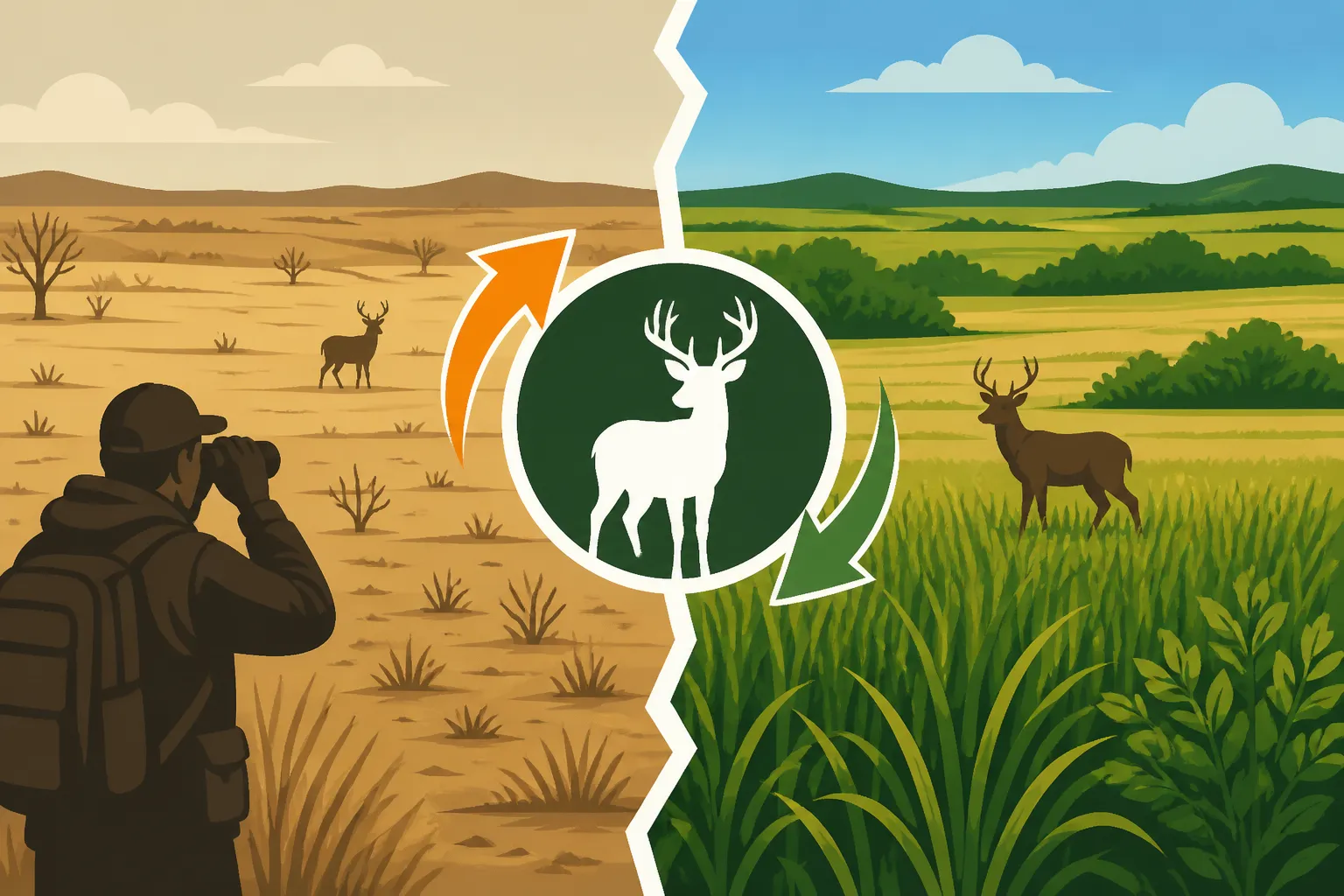
You can't talk about North Dakota's landscape without talking about the weather. From severe droughts that turn lush cover into sparse stubble to heavy snowfalls that flatten standing crops, environmental factors play a huge role in habitat quality and, by extension, PLOTS enrollment. A prolonged drought, for instance, can devastate pheasant nesting cover or dry up vital wetlands, rendering a previously prime PLOTS parcel less attractive to both wildlife and the program managers.
Conversely, a wet cycle might restore sloughs and enhance grassland quality, making new areas suitable for enrollment. These natural cycles are beyond human control but have profound impacts on the land. When severe weather events degrade habitat, it can lead to landowners withdrawing from the program or the NDGFD choosing not to renew contracts if the land no longer provides sufficient benefit for wildlife. This is just another layer of complexity in the constantly shifting PLOTS map.
| Factor | Primary Impact on PLOTS Acreage | Hunter Takeaway |
|---|---|---|
| Annual Contract Cycle | Direct year-to-year changes; voluntary renewals. | Don't assume last year's spot is good this year. |
| Agricultural Practices | Crop rotation, tillage, grazing alter habitat. | Look for areas with diverse habitat, especially standing crops. |
| Economic Incentives | Landowner comparison to other income streams. | Understand program funding impacts available acres. |
| Habitat Quality | NDGFD seeks prime wildlife habitat. | Focus on areas known for strong habitat types. |
| Weather & Environment | Droughts, floods, snow alter habitat viability. | Conditions vary year to year; scout current conditions. |
How Hunters Can Adapt to Changing PLOTS Landscapes
The dynamic nature of PLOTS acreage might seem daunting, but savvy North Dakota hunters know how to adapt. It requires a proactive approach and a willingness to utilize the tools available.
Proactive Scouting and Utilizing Digital Tools
Gone are the days when you could just rely on a physical map from last year. Today, being a successful hunter on PLOTS land means being proactive and leveraging technology. The single most important thing you can do is to check the current year's PLOTS guide. This is available both digitally and in print. Do not, under any circumstances, rely on old information. Scouting PLOTS Land Before Season is crucial.
Digital mapping apps have become indispensable. Tools like onX Hunt and GoHunt offer overlays that show current public and private land boundaries, including PLOTS areas, often updated in real-time or very close to it. These apps allow you to zoom in, see property lines, and even identify specific habitat features from aerial imagery. You can mark potential access points, anticipate deer movement based on terrain, and confirm that the land you're eyeing is indeed open for hunting this season. Always cross-reference with the official NDGFD PLOTS map, but these apps offer invaluable on-the-ground navigation and planning capabilities. They are a game-changer for staying current with access changes.
The Importance of the Annual PLOTS Guide
Every year, the North Dakota Game and Fish Department publishes a new PLOTS guide. This is your bible for public access. It's often available in August, just before archery season kicks off, and it's absolutely vital to obtain the most recent version. Whether you pick up a physical copy at a local vendor or download the PDF to your phone, this guide contains the definitive map of all enrolled PLOTS tracts for the current hunting season.
The guide shows additions, removals, and changes to existing tracts. It also includes critical rules and regulations specific to PLOTS areas, such as parking restrictions or walk-in only access. Using the PLOTS Guide Booklet isn't just a suggestion; it's a necessity for ethical and legal hunting. Take the time to study it, mark potential areas, and plan your hunt around the most current information. This small effort can save you a lot of frustration and ensure you're hunting legally on land that is actually open.
Developing Backup Plans and Exploring Diverse Access Options
Because PLOTS acreage can change, it's never a good idea to put all your eggs in one basket. Relying solely on one or two PLOTS tracts you found last year is a recipe for disappointment. Instead, cultivate a diverse portfolio of potential hunting spots.
This means not just focusing on PLOTS, but also researching other public lands. North Dakota has a variety of options, including federal Waterfowl Production Areas, State Wildlife Management Areas, and even portions of National Grasslands. Each of these has its own rules and nuances, but they offer more stable, long-term public access. For example, Hunting North Dakota Waterfowl Production Areas can offer fantastic opportunities for birds and even deer. Furthermore, consider knocking on doors to seek private land permission. Many landowners, especially those not enrolled in PLOTS, are receptive to polite requests, particularly if you offer to help with specific deer management goals. The more options you have in your back pocket, the less impact any changes to PLOTS will have on your overall hunting success.
The Future of PLOTS: What to Expect Annually
The PLOTS program is a cornerstone of North Dakota hunting, and its continued success is vital for both residents and non-residents alike. While its acreage will always be dynamic, understanding the underlying factors can help us appreciate its value and adapt as hunters.
Sustaining the Program Through Hunter Support
The future of the PLOTS program, and indeed, much of North Dakota's public hunting access, relies heavily on hunter support. This isn't just about financial contributions through license sales – which are crucial, as license fees often fund these programs – but also about responsible behavior in the field. Every hunter who respects landowner property, packs out their trash, follows all regulations, and is generally a good ambassador for the sport helps build trust and encourages landowners to continue participating in programs like PLOTS.
When landowners have positive experiences with hunters, they are more likely to renew their contracts. Conversely, negative experiences can lead to them pulling out of the program. So, every time you step foot on PLOTS land, remember you're representing all hunters. Contributing to conservation organizations, participating in hunter education, and simply being a courteous sportsman are all ways to help sustain these critical access programs for generations to come.
Adapting to Long-Term Land Use Trends
Looking ahead, we can anticipate that land use trends in North Dakota will continue to evolve, and the PLOTS program will need to adapt right along with them. Changes in agricultural markets, shifts in climate patterns, and even increasing rural development will all play a role in shaping the landscape of available hunting land.
As hunters, our ability to adapt will be key. This might mean being more flexible with our preferred hunting locations, learning new strategies for different types of habitat, or investing more time in preseason scouting. Technology will continue to advance, and tools like onX Hunt will become even more sophisticated in helping us interpret land status changes. The NDGFD will also continue to seek innovative solutions to maintain and expand public access, but the fundamental partnership with private landowners will remain central. It's a journey, not a static destination, and embracing that reality makes us more resilient and ultimately, more successful hunters in the great state of North Dakota.
Disclaimer
This article is for general informational purposes only and does not constitute professional advice. Laws, prices and regulations vary by location and change over time. Consult a qualified professional for guidance on your specific situation.