Sheyenne Grassland Tallgrass Access
Oh, the Sheyenne National Grassland. It's one of those places in North Dakota that calls to you, whispering of wide-open spaces and the rustle of tallgrass in the wind. But let's be honest, for many hunters, especially those not intimately familiar with its sprawling landscape, the idea of "accessing" it can feel a bit daunting. Where do you even start? This comprehensive guide is here to cut through that confusion, helping you confidently navigate and hunt the unique tallgrass prairies of the Sheyenne.
Understanding the Sheyenne National Grassland's Unique Habitat
The Sheyenne National Grassland is truly a gem, a testament to what vast stretches of North Dakota once looked like. It's a place that demands respect and a bit of understanding before you simply stride out with your shotgun or rifle. It’s not your typical WMA or private farm field, and that's precisely what makes it special.
The Tallgrass Prairie Difference
When we talk about the Sheyenne, we're primarily talking about tallgrass prairie. This isn't the short-cropped grass you might see in other parts of the state; this is big, robust prairie, with grasses that can reach shoulder-high or more in the right conditions. Think big bluestem, switchgrass, and Indiangrass, all creating a dense, often formidable cover. This ecological wonder is crucial for a variety of wildlife, especially upland birds and deer.
For hunters, this means a few things. First, visibility can be incredibly limited. You won't be glassing for miles like in the Badlands. Instead, you'll be relying on your ears, your dog's nose, and a keen eye for subtle changes in terrain or cover. This thick environment is a haven for ring-necked pheasants, though they're not as numerous as in the state's prime pheasant country, and it's excellent for Sharptail Grouse Hunting Mixed Grass Prairie. You might also find Hungarian Partridge Hunting North Dakota Farmland along the edges where the prairie meets agricultural fields. For deer, especially whitetails, these tall grasses offer incredible bedding cover, making them elusive during hunting season. It’s a completely different kind of challenge, one that rewards patience and a willingness to work hard.
Navigating the Mosaic of Public and Private Land
One of the biggest frustrations for hunters everywhere, and especially on national grasslands, is the checkerboard pattern of public and private land ownership. It’s not a solid block of public ground; rather, it’s often a patchwork where a public section is surrounded by private, or vice-versa. You might be walking along, enjoying your hunt, only to realize you’ve stepped onto private land without permission. This isn't just a minor inconvenience; it's a legal issue and a potential way to sour relationships with local landowners.
This complexity underscores the absolute necessity of identifying land ownership before and during your hunt. Relying on old paper maps alone is simply asking for trouble, as boundaries can be less clear on the ground than they appear on a static page. Modern tools are your best friend here, helping you stay on the right side of the fence, literally. It’s about being prepared and respectful of everyone's property rights, ensuring you can enjoy your hunt without unnecessary stress.
Essential Tools for Accessing Sheyenne's Hunting Opportunities
Given the mixed land ownership and dense cover, you absolutely need the right tools to confidently hunt the Sheyenne National Grassland. Gone are the days of just a compass and a crumpled paper map. While those still have a place, technology has made navigating these areas infinitely easier.
Digital Mapping Applications and GPS
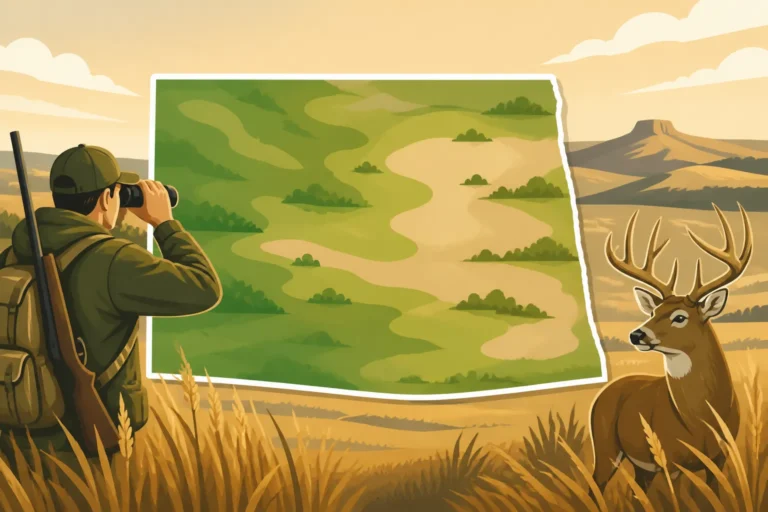
Hands down, the most crucial tool for hunting the Sheyenne is a reliable digital mapping application on your smartphone or a dedicated GPS unit. Apps like onX Hunt have revolutionized how hunters approach public land. These platforms allow you to see exactly where you are in relation to public (often highlighted in green) and private land boundaries (various other colors). This means you can confidently plan your approach, know where you can legally park, and keep track of your position as you walk through thick cover.
Before you head out, make sure to download offline maps for the area you plan to hunt. Cell service in many remote parts of the Sheyenne can be spotty or nonexistent, and you don't want your navigation system to suddenly go dark. Once downloaded, your GPS will continue to work even without a signal, showing your location on the detailed map. You can mark waypoints for your vehicle, a promising patch of cover you want to revisit, or even game sign you find. These apps often show topography lines, which are incredibly useful for identifying subtle draws or ridges that might hold deer or upland birds. While Scouting PLOTS Land With the ND Hunt App is valuable for specific PLOTS tracts, for the vastness of a National Grassland, a robust, broader mapping app is indispensable.
Physical Maps and Local Knowledge
Even with the best digital tools, always carry a physical map as a backup. Batteries die, phones get dropped, and sometimes, a large-scale paper map just gives you a better overall perspective of the landscape than a small screen. You can usually find detailed National Forest or Grassland maps at local ranger district offices or even some sporting goods stores in nearby towns. These maps often highlight designated roads, primitive trails, and other features not always clear on digital versions.
Beyond maps, local knowledge is invaluable. Take the time to drive the section roads before the season, scouting for access points, parking areas, and habitat features. Stop in small towns like Lisbon or Fort Ransom and chat with locals if you can. Ranchers, farmers, or even folks at the local diner often have a wealth of knowledge about game movements, access conditions, or even just general advice on navigating the area. This isn't about getting secret spots, but about understanding the rhythm of the land and its community. The North Dakota Game and Fish Department offices are also excellent resources for general regulations and current conditions.
Strategies for Hunting Success on the Sheyenne Tallgrass
Hunting the Sheyenne National Grassland isn't like hunting the river bottomland or timber pockets. It requires specific strategies tailored to the vast, dense tallgrass habitat. Adaptability is key, and understanding how game animals use this unique environment will greatly increase your chances of success.
Targeting Upland Birds in Thick Cover
For upland bird hunters, the Sheyenne is a dream if you love to walk and have good dogs. Sharp-tailed grouse are the main draw here, along with a scattering of Hungarian partridge and pheasants. The key to finding birds in such thick cover is to work methodically. Don't just wander aimlessly. Focus on working edges – where the tallgrass meets shorter grass, agricultural fields, or wooded draws. These transition zones are where birds often feed and move.
Walking in a line with partners, covering the ground thoroughly, is an effective tactic. Dogs are almost essential here; without a good bird dog, finding flushed birds in the chest-high grass can be nearly impossible. A strong nose will help locate coveys you might otherwise walk past, and a reliable retriever saves countless birds from being lost. Think about how you might approach Walking a Pheasant Field at Midday – apply that same diligent, systematic approach to the tallgrass. Work into the wind when possible, allowing your dogs to scent birds more effectively. Pay special attention to the small pockets of trees or brush found within the grassland, as these provide crucial shelter.
Deer Hunting in the Grasslands
Deer, particularly whitetails, absolutely thrive in the Sheyenne's tallgrass. The dense cover offers unparalleled security, making them incredibly difficult to locate. They'll bed down deep in the grass, often right under your nose, and won't move until you're practically on top of them. This can make for exhilarating, if challenging, hunting.
Spot and stalk opportunities are rare in the tallgrass itself, as visibility is so limited. Instead, focus your efforts on the wooded draws, shelterbelts, and river bottom areas that snake through the grassland. These are natural travel corridors and preferred bedding sites, especially during the rut. Setting up a treestand or ground blind along these features, particularly where they funnel deer movement between bedding and feeding areas, can be highly effective. Understanding wind direction and thermals is paramount, as deer rely heavily on their noses in this environment. A subtle change in elevation, even a slight rise, can drastically alter wind currents, so pay close attention. Hunting a Shelterbelt Edge for Deer is a perfect tactic for this landscape, as these man-made features often concentrate deer movement. Using a mapping app like onX Hunt to identify these features and potential funnels before your hunt can give you a significant advantage.
Respecting the Resource and Other Users
Hunting on any public land, especially a national grassland, comes with a responsibility to be a good steward of the land and a considerate user. The Sheyenne is enjoyed by more than just hunters; hikers, birdwatchers, and especially local ranchers all share this space.
Always practice Leave No Trace principles: pack out everything you pack in, and leave the area cleaner than you found it. Be mindful of livestock, closing gates behind you, and avoiding disturbing grazing animals. Ethical hunting practices are non-negotiable. Ensure you have proper identification of your target, take clean shots, and make every effort to recover your game. Understanding North Dakota Trespass and Permission Law is critical. Even if you're on public land, respect neighboring private property by not shooting across boundaries or retrieving game without permission. A little common courtesy goes a long way in fostering positive relationships between hunters and other users of the grassland.
Planning Your Sheyenne Grassland Adventure
A successful hunt on the Sheyenne National Grassland is often the result of thorough planning. From understanding the best times to visit to packing the right gear, these details can make or break your trip.
When to Go: Seasonality and Weather
The Sheyenne offers hunting opportunities throughout various seasons, each with its own character. Upland bird seasons generally open in early fall, with excellent hunting often found in September and October before heavy snows. Deer season will depend on whether you’re bowhunting (typically late summer through early winter) or participating in the firearm season (usually in November).
Weather in North Dakota, particularly on the open prairie, can be extreme and change rapidly. Early fall can still bring warm days, requiring light clothing and plenty of water. By late October and November, however, you should be prepared for cold, wind, and potentially snow. Wind is almost a constant factor on the prairie, and it can chill you to the bone, even on a mild day. Always check the forecast leading up to your trip, but pack for all possibilities. Road conditions can also become challenging, especially after heavy rains or snow, turning unpaved section roads into muddy impassable tracks. Be sure your vehicle is up to the task, or be prepared to walk further than planned.
Gear Up: What to Pack for the Prairie
Packing correctly for a Sheyenne hunt is about balancing preparedness with practicality. You’ll be doing a lot of walking, so comfortable, supportive, and waterproof boots are paramount. Layered clothing is essential to adapt to changing temperatures and activity levels. Don’t forget your blaze orange; How Much Blaze Orange North Dakota Requires will depend on the season and species you're pursuing, but it's always smart to have it readily available for visibility.
Beyond clothing, a good quality backpack is necessary to carry water, snacks, a first-aid kit, a knife, and any game you harvest. Binoculars are incredibly useful for spotting deer bedded in sparse cover or for identifying birds on the distant horizon, especially on frosty mornings. For bird hunters, a sturdy dog vest can protect your companion from thorns and burrs. A powerful flashlight or headlamp is also a must, as you might find yourself tracking game or navigating back to your vehicle after dark. Consider resources like GoHunt, which often provide excellent gear lists and insights for various hunting scenarios, helping you fine-tune your packing list.
Licensing and Regulations
Before you even think about stepping foot on the Sheyenne with a firearm or bow, you need to be properly licensed. North Dakota has specific requirements for residents and nonresidents alike. Generally, you'll need a basic hunting license, and then species-specific tags for deer, turkey, or other game. Understanding North Dakota Hunting Licenses and What They Cost is the first step.
The Sheyenne National Grassland is managed by the U.S. Forest Service, but state hunting regulations still apply. This means you need to be aware of season dates, bag limits, shooting hours, and any specific unit restrictions. Always consult the most current North Dakota Game and Fish Department proclamations for the year you plan to hunt. They provide detailed maps and rules. It's also wise to be familiar with general hunting ethics and safety rules, perhaps by reviewing sections of North Dakota Hunter Education Requirements if you're new or need a refresher. Ignorance of the law is never an excuse, so do your homework beforehand to ensure a legal and enjoyable hunt.
| Public Land Type | Typical Habitat | Primary Hunting Focus | Key Access Considerations |
|---|---|---|---|
| Sheyenne National Grassland | Tallgrass prairie, wooded draws | Sharptail grouse, deer, Hungarian partridge | Mixed public/private land, requires mapping tools like onX Hunt, primitive roads, dense cover. |
| PLOTS (Private Land Open To Sportsmen) | Varies greatly, often agricultural fringe, CRP | Pheasant, deer, waterfowl, sharptail grouse | Posted signs indicate access, check updated maps annually (e.g., Using the PLOTS Guide Booklet). |
| WMAs (Wildlife Management Areas) | Diverse, wetlands, forests, grasslands | Waterfowl, deer, upland birds, furbearers | State-managed, clearly marked, often popular, specific rules for Public Hunting Land in North Dakota. |
| Waterfowl Production Areas | Wetlands, upland buffers | Ducks, geese, upland birds (outside primary waterfowl) | Federally owned, specific regulations, no vehicles off designated routes, foot traffic only. |
Disclaimer
This article is for general informational purposes only and does not constitute professional advice. Laws, prices and regulations vary by location and change over time. Consult a qualified professional for guidance on your specific situation.