Hunting a Reservoir Shoreline for Deer
Finding consistent deer sign can be a real challenge in North Dakota, especially when many hunters gravitate towards traditional fields and shelterbelts. But what if I told you there's an often-overlooked goldmine for deer, particularly later in the season? This guide will dive deep into how to effectively hunt reservoir shorelines for deer in North Dakota, revealing the patterns and strategies that lead to success and help you fill your tag in areas others often ignore.
The Unique Appeal of Reservoir Shorelines for Deer
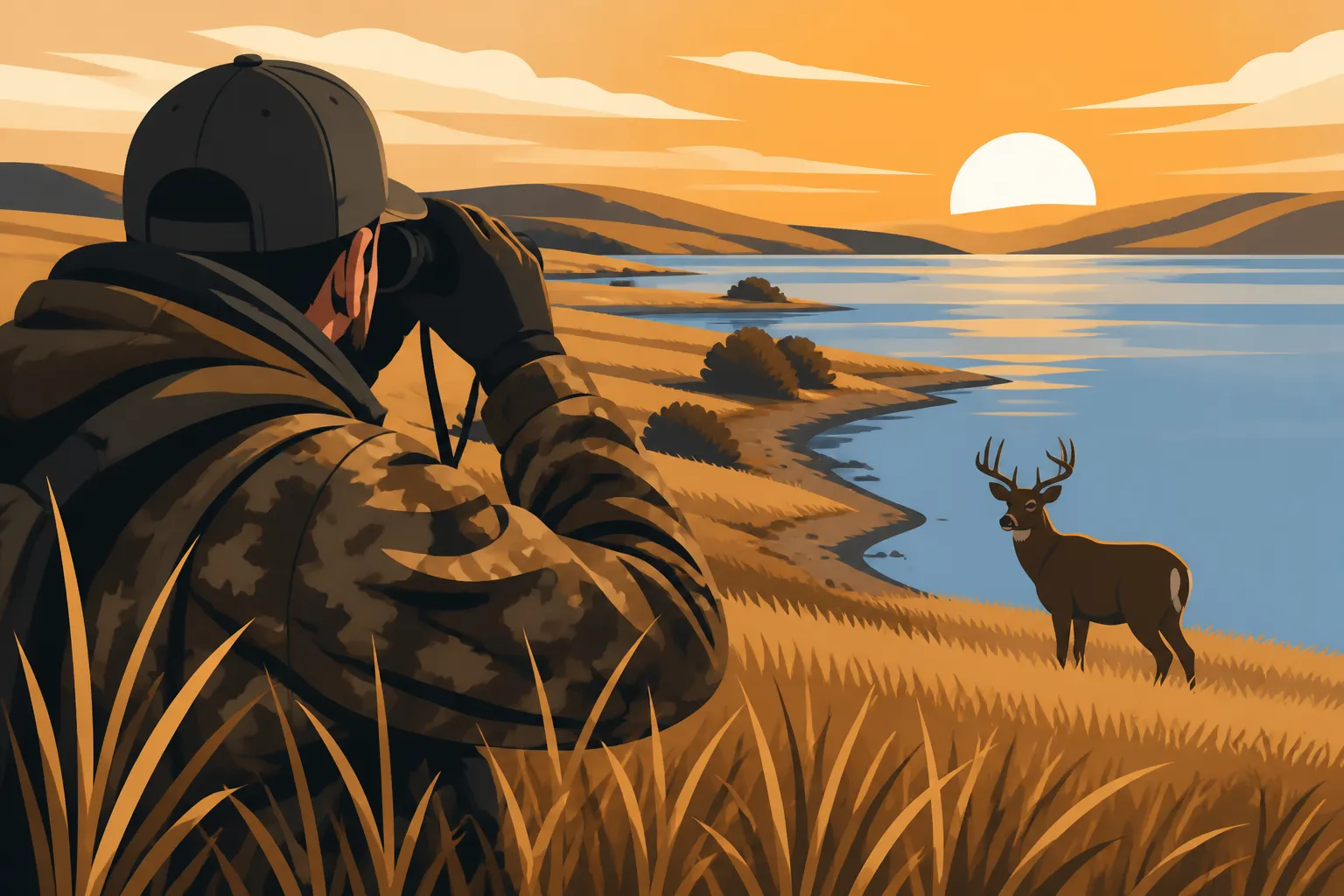
North Dakota's vast reservoirs, particularly those along the Missouri River like Lake Sakakawea and Lake Oahe, aren't just for fishing and boating. They create unique ecosystems that deer, both whitetails and mule deer in some areas, find incredibly attractive. Many hunters overlook these fringe areas, focusing instead on crop fields or heavy timber. But deer are smart; they gravitate to places with reliable resources and reduced human pressure.
Why Deer Favor These Areas
Reservoir shorelines offer a distinct combination of resources that deer simply can't resist. First, there's the obvious access to water, which is a fundamental need, especially during dry spells or in areas where other water sources might freeze up in late season. Beyond hydration, these zones often boast a diverse array of browse. You'll find pockets of young willows, brush, and various forbs that thrive in the fluctuating moisture levels and varied soil conditions. This can create a natural pantry that remains appealing even after upland crops have been harvested or heavily browsed.
Another huge draw is the cover. Picture a shoreline with deep draws, fingers of timber reaching down to the water, and rocky outcrops. This provides excellent bedding cover, especially on south-facing slopes that catch the sun and offer a break from the prairie wind. Deer feel secure here, able to watch for threats and quickly slip into dense vegetation or over a ridge. In many cases, these areas experience less hunting pressure simply because they can be harder to access or require a different approach than traditional field hunting. Deer learn these patterns and often seek refuge where they feel safer.
Seasonal Shifts in Shoreline Behavior
Just like with any deer habitat, their use of reservoir shorelines changes throughout the year. Early in the archery season, deer might be drawn to the lush, green browse along the water's edge, using the cooler air near the water for relief from the heat. As the season progresses into the general gun season, especially once crops are down, these shorelines become even more critical. Deer that were scattered across agricultural fields will start to consolidate in areas with remaining food and cover, and the intricate habitat of a reservoir edge becomes a prime candidate. North Dakota's November Gun Deer Season is a prime time to be exploring these areas.
In the late season, when cold snaps hit and snow blankets the prairie, reservoir shorelines often hold the last remaining green browse and vital thermal cover in pockets of timber or dense brush. Deer will concentrate in these zones, making them excellent places to focus your efforts. Late-Season Food Sources for North Dakota Whitetails are often found right along these water bodies. Understanding these seasonal shifts is paramount; a spot that's dead in September might be teeming with activity in November or December.
Decoding Deer Movement Along the Water's Edge
Successfully hunting reservoir shorelines requires a keen eye for detail and an understanding of how deer use the unique topography. It's not enough to just know deer are there; you need to know how they move, when they move, and why.
Reading the Topography and Vegetation
Deer are creatures of efficiency and security. Along reservoir shorelines, this means they'll often stick to paths of least resistance that also offer cover. Look for natural funnels created by the land itself: draws that extend from upland fields down to the water, providing concealed travel corridors. Bluffs and steep cuts can force deer into predictable pinch points. Fingers of timber or brush that jut out into the water are classic travel routes and bedding areas. Even subtle changes in elevation, like a bench halfway up a bluff, can be a preferred bedding location.
The type of vegetation matters too. Dense stands of cattails or phragmites along the water's edge can provide incredible thermal cover and security, especially in winter. Willows, dogwood, and other brushy species offer critical browse. Pay attention to rub lines and scrape lines – they’ll often be found just off these primary travel corridors, especially where a draw meets a timbered point. Learning to identify these patterns will tell you where deer are moving between bedding, feeding, and water. A useful resource for general deer movement, even if not specific to shorelines, is Reading a Missouri River Bottom for Deer.
Understanding Water Level Fluctuations
One of the most dynamic aspects of reservoir shorelines is the ever-changing water level. These fluctuations, whether due to dam operations, seasonal rainfall, or snowmelt, dramatically impact deer movement and access to resources. When water levels drop, new areas of shoreline, previously submerged, become exposed. This can reveal fresh browse, create new travel routes along the exposed mudflats, or even open up access to isolated timber islands. Conversely, rising water can flood out bedding areas, force deer into higher ground, or cut off traditional paths, forcing them to find new routes.
Before you even step foot in the area, check water level reports if available for your specific reservoir. Then, when scouting, observe the high-water marks and current water line. Is there fresh mud indicating recent drops? Are there "ghost trees" with water stains indicating previous high levels? This information tells you how deer might have adapted their movement patterns. An area that was impassable last year might be prime travel this year due to lower water.
Using Technology for Effective Scouting
In today's hunting world, technology is your best friend when it comes to breaking down complex terrain like reservoir shorelines. Before you even burn a drop of gas, spend hours pouring over satellite imagery and topographic maps. Platforms like onX Hunt are invaluable here. You can pull up your onX Layers for North Dakota Land Status and study the topo lines, identifying those draws, bluffs, and fingers of timber that create natural funnels. Look for subtle changes in vegetation density that might indicate bedding cover. You can also mark potential bedding areas, likely travel corridors, and even specific trees for stand placement directly on the map.
Complementing your map scouting with data from resources like GoHunt can give you a better overall picture of game distribution and habitat types in a given region, helping you prioritize which sections of shoreline to focus on. Cross-referencing current water levels with historical satellite images can even give you a sense of how the shoreline changes annually. This kind of virtual scouting allows you to arrive on the ground with a solid game plan, focusing your physical effort where it counts most. Scouting PLOTS Land With the ND Hunt App covers similar digital scouting techniques.
Strategic Approaches for Hunting Reservoir Deer
Once you've done your homework and identified promising areas, it's time to translate that knowledge into effective hunting strategies. Reservoir shorelines offer diverse opportunities, from sitting in a stand to covering ground on foot.
Stand and Blind Placement Considerations
Just like any deer hunting, wind is king when placing a stand or ground blind. Along a reservoir, thermals can be particularly tricky. In the mornings, cooler air tends to drain down into draws and toward the water, while in the evenings, warm air rises. You'll want to place your stand where your scent won't blow into likely travel routes or bedding areas. This might mean setting up on a point overlooking a travel corridor, or inside a draw that funnels deer, but always with a careful eye on the prevailing wind and thermal currents. Consider the specific challenges of Wind and Thermals in Badlands Terrain – though a different environment, the principles of air movement are similar.
Access to your stand is another critical factor. Can you get in and out silently without spooking deer? Consider using the water itself for access if safe and permissible, perhaps dropping off by boat at an isolated point. If walking in, plan your route to minimize disturbance. When selecting a tree, look for one that offers good shooting lanes into the funnels and trails you've identified, but also provides enough cover to break up your silhouette. Ground blinds can be excellent along shorelines, especially in areas with sparse trees but good brush cover. Just be sure to brush them in naturally to avoid looking like a foreign object. Brushing In a Blind on a Field Edge offers good tips applicable here.
Still-Hunting and Drives Along the Shore
For those who prefer a more active approach, still-hunting or organizing small drives can be highly effective along reservoir shorelines. Still-hunting involves moving slowly and deliberately, taking a few steps, then pausing to glass and listen, blending into the environment. This works particularly well on windier days when the rustling leaves or choppy water can mask your movements and sound. Focus on moving into the wind or with a crosswind, always paying attention to deer sign and potential bedding areas. The undulating terrain and varied cover of a shoreline lend themselves perfectly to this tactic.
Small deer drives can also be productive, especially with two or three hunters. One or two "pushers" can slowly walk along a finger of timber or a draw leading to the water, while "posters" position themselves at the end, covering likely escape routes. Communication is key, and safety paramount. Always know where your hunting partners are. Drives are particularly effective at pushing deer out of dense cover that they might otherwise sit tight in. Deer Drives With Three or Four Hunters has excellent guidance for this method.
Late-Season Reservoir Opportunities
As mentioned, the late season often brings some of the best reservoir shoreline hunting. Once frigid temperatures settle in and most natural food sources are gone, deer will heavily rely on whatever browse and cover these protected areas offer. Look for pockets of standing timber, especially on north or east-facing slopes that offer shelter from the brutal northwest winds. South-facing slopes, conversely, will be prime bedding areas because they soak up the sun's warmth.
Focus your scouting on identifying these late-season food sources and how deer are moving between them and thermal cover. Water access remains critical. A cold front might push deer even harder into these sheltered areas. Consider sitting a bit longer during these cold snaps, as deer need to feed and move to maintain body temperature. Hunting Into a December Cold Snap applies directly to these late-season conditions.
Here’s a quick overview of some tactics:
| Tactic | Best Conditions | Advantages | Considerations |
|---|---|---|---|
| Stand Hunting | Consistent wind, known travel routes | Allows for long sits, quiet approach, broad observation | Requires precise wind judgment, limited mobility, suitable trees/cover |
| Ground Blind | Sparse trees, dense brush, cold weather protection | Excellent concealment, mobile if pop-up, protection from elements | Requires careful brushing in, limited visibility compared to elevated stand |
| Still-Hunting | Windier days, varied terrain, covering large areas | Active, allows exploration, adapts to changing deer locations | Requires stealth and patience, can bump deer if not careful |
| Small Drive | Dense cover, multiple hunters, specific pockets | Effective for pushing deer from thickets, high success rate if executed well | Requires coordination and safety awareness, may push deer off property |
Essential Gear and Safety Considerations for Reservoir Hunts
Hunting along North Dakota's reservoirs means being prepared for anything. The weather can change in an instant, and the terrain can be challenging. Having the right gear and understanding safety protocols are non-negotiable.
Apparel and Footwear for Varied Terrain
You're going to encounter a mix of environments along a reservoir shoreline: muddy banks, rocky slopes, thick brush, and potentially snow or ice. Investing in waterproof, insulated boots with excellent ankle support and aggressive tread is crucial. Nothing ruins a hunt faster than cold, wet feet. Your outer layers should be waterproof and windproof, but also breathable, allowing you to regulate your temperature as you hike or sit. Layering is key – start with a good wicking base layer, add insulating mid-layers, and finish with a durable outer shell.
Remember that North Dakota has strict North Dakota Blaze Orange Requirements during the gun season, so ensure you have enough visible orange on your person and your backpack, even if you’re using a ground blind. Early season, lighter layers are fine, but as the chill sets in, you'll want gear that can withstand biting winds and freezing temperatures.
Navigation and Emergency Preparedness
Getting lost along an unfamiliar shoreline, especially after dark or in changing weather, is a real risk. Always carry a reliable GPS device, and consider a backup paper map and compass. Your phone with a mapping app like onX Hunt is great, but batteries die and cell service can be spotty in remote areas. Mark your vehicle, your stand, and any significant landmarks. Tell someone where you are going and when you expect to return.
Beyond navigation, pack an emergency kit. This should include a first-aid kit, a headlamp with extra batteries, fire-starting materials, a knife, extra water, and some high-energy snacks. If you're hunting in particularly remote areas, or anticipate adverse weather, a satellite messenger or personal locator beacon could be a lifesaver. Given the proximity to water, always be aware of the potential for ice in late season; avoid walking on it unless you are absolutely certain it is safe.
Blaze Orange and Water Safety
We've already touched on blaze orange, but it bears repeating: visibility is paramount, particularly during gun seasons. Wear enough to be seen from all directions. This isn't just about legal compliance; it's about protecting yourself from other hunters. If you plan to use a boat for access, ensure you have all required safety gear aboard, including life jackets for everyone, a throw cushion, oars, and a sound-producing device. Even in seemingly calm waters, winds can pick up quickly on large reservoirs, creating dangerous conditions.
Finally, think about game recovery. If you shoot a deer near the water, will you be able to retrieve it safely? Falling into cold water, even shallow water, can quickly lead to hypothermia. Always plan your shot carefully and consider the recovery challenge beforehand. Having a rope, or even a small sled for dragging, can make a huge difference, especially if the ground is soft or snowy. Recovering a Deer From a Coulee can be similar to recovering one from a steep bank. These areas can be unforgiving, and preparing for the worst is part of responsible hunting.
Disclaimer
This article is for general informational purposes only and does not constitute professional advice. Laws, prices and regulations vary by location and change over time. Consult a qualified professional for guidance on your specific situation.