Slope County Public Land Access
Finding good public hunting land in North Dakota, especially in the rugged, expansive western reaches, can feel like trying to solve a puzzle with half the pieces missing. It’s easy to get overwhelmed by maps that look like a patchwork quilt of public and private ownership, leaving you scratching your head about where you can legally and ethically pursue game. This guide is here to walk you through the ins and outs of public land access in Slope County, offering practical advice and insights to help you navigate its unique hunting opportunities.
Understanding Slope County's Public Land Landscape
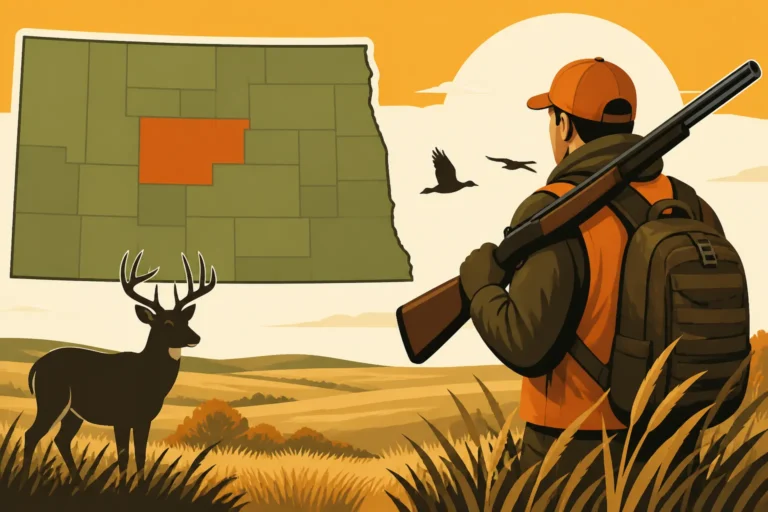
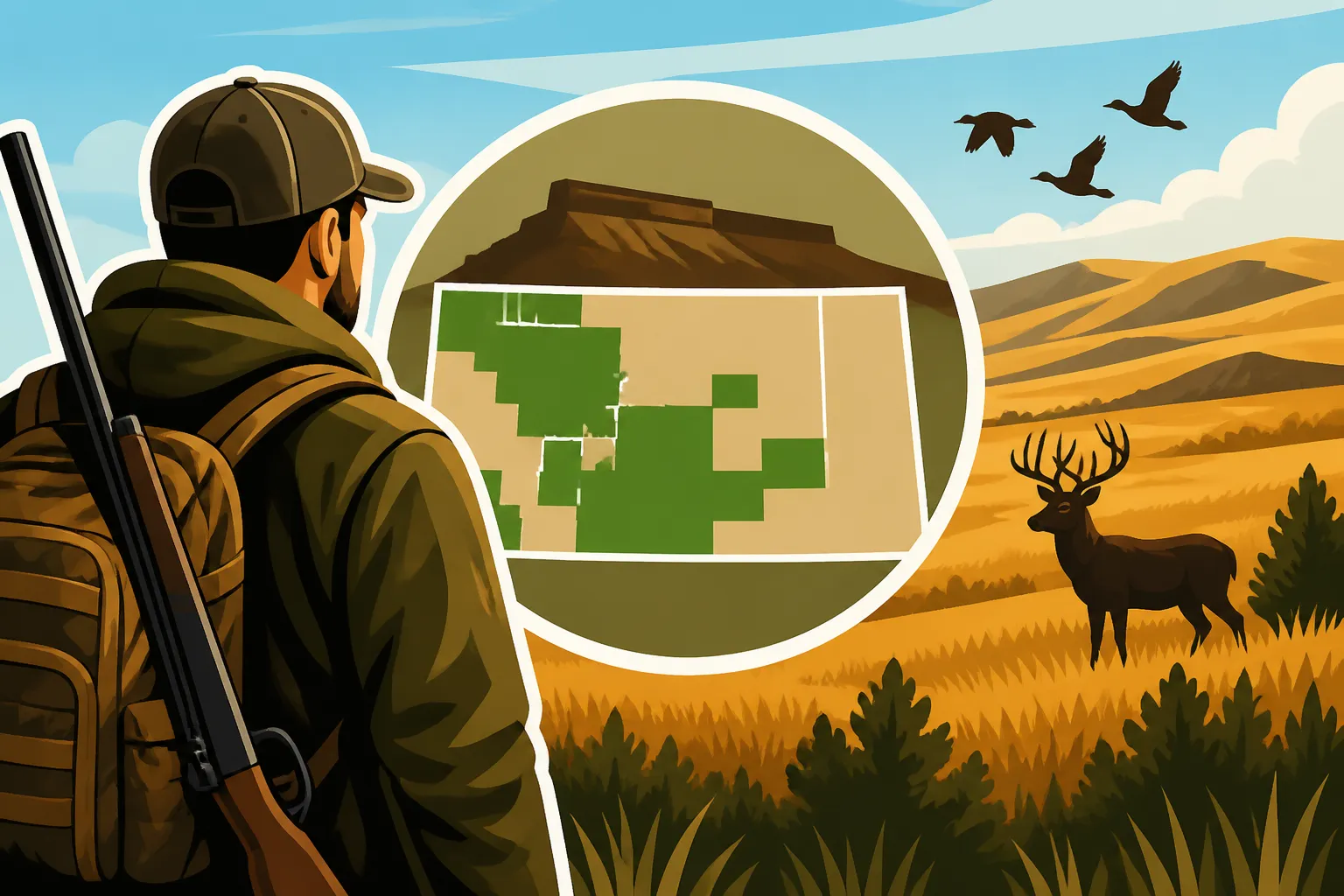
Slope County, nestled in the heart of North Dakota's Badlands, is a gem for hunters, but it's crucial to understand its diverse public land offerings. This isn't your typical block management where everything's neatly marked; instead, it's a dynamic mix of federal, state, and private-access lands that each require a slightly different approach. The sheer beauty of the Badlands, with its dramatic buttes, deep coulees, and juniper breaks, makes hunting here an unforgettable experience, but also one that demands careful planning.
The Backbone: Little Missouri National Grassland
When you think of public land in Slope County, the first thing that should come to mind is the Hunting North Dakota's Little Missouri National Grassland. This sprawling federal land base is truly the backbone of public hunting opportunities in the region. Managed by the U.S. Forest Service, these lands offer vast stretches of unencumbered access, a stark contrast to some of the more fragmented public areas elsewhere. It’s here that many hunters dream of chasing mule deer across broken terrain or spotting a trophy whitetail along a willow-choked creek bottom.
What makes the Little Missouri National Grassland so special is its size and the relative lack of roads in many areas, allowing for genuine backcountry experiences. You can literally walk for miles and rarely encounter another hunter if you're willing to put in the effort. The habitat is phenomenal, supporting healthy populations of mule deer, whitetail deer, and even a limited number of elk and bighorn sheep. This vastness, however, also presents its own challenges. Finding water sources, identifying key travel corridors, and understanding the subtle shifts in elevation that can dictate animal movement are all part of the learning curve. Remember that while this land is federal, local rules and North Dakota hunting regulations still apply, so always double-check specific unit restrictions for your target species.
Beyond the Grassland: State Lands and WMAs
While the Little Missouri National Grassland takes center stage, Slope County also features other valuable public access lands. These often include scattered parcels of State School Lands and Wildlife Management Areas (WMAs). State School Lands are typically found in smaller, square-mile sections, sometimes isolated within private property. They are open to public hunting unless otherwise posted, but knowing precisely where these boundaries lie is absolutely critical to avoid trespassing. These lands can be excellent for those willing to do their homework and access them legally, often holding deer, upland birds like sharp-tailed grouse, and even pheasants in appropriate habitat.
Wildlife Management Areas, managed by the North Dakota Game and Fish Department, are specifically acquired and developed for wildlife production and public hunting. While perhaps not as numerous or extensive as the National Grassland in Slope County, any WMA you find is likely to be a high-quality hunting destination. These areas often have specific management goals, such as enhancing waterfowl habitat or creating prime deer bedding areas, which can concentrate game. Access to WMAs is usually well-marked, and they often provide parking areas, making them slightly easier to navigate for hunters unfamiliar with the region. Always check the specific rules for each WMA, as some may have restrictions on vehicle use, baiting, or overnight camping.
Navigating Public Access Tools and Resources
Successfully hunting public land in Slope County requires more than just knowing where the public land is; it requires understanding how to access it and what tools will make your life easier. The sheer scale and ruggedness of the Badlands terrain mean that guesswork simply won't cut it. You need reliable resources to ensure you're hunting legally, efficiently, and safely.
The Indispensable Role of Mapping Apps
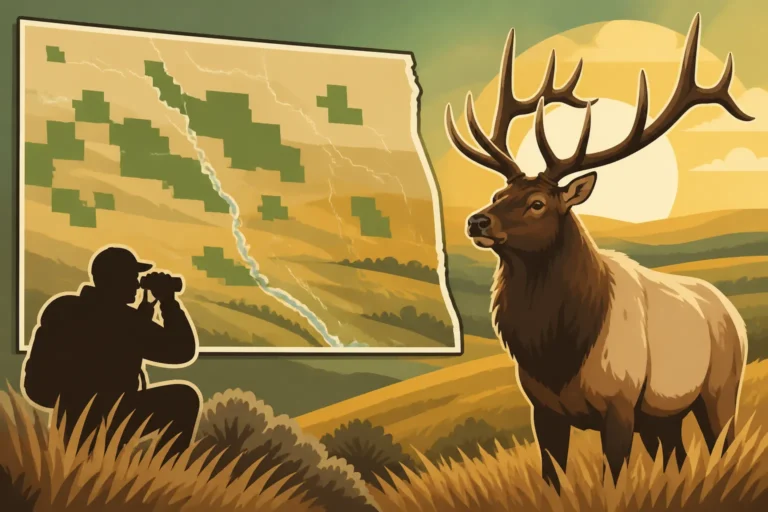
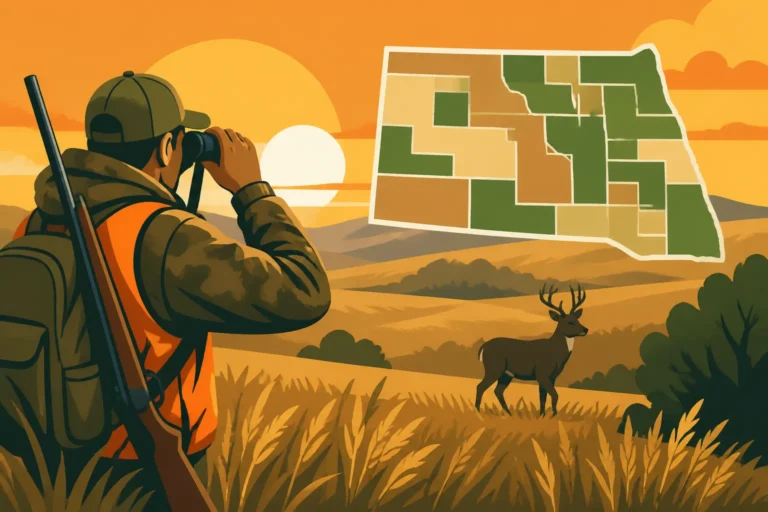
In today's hunting world, digital mapping applications like onX Hunt and GoHunt are not just helpful – they're indispensable, especially when tackling complex landscapes like Slope County. These apps overlay public and private land boundaries directly onto detailed satellite imagery and topographic maps on your phone or GPS device. Imagine staring at a vast expanse of rolling hills and coulees, and instantly knowing exactly which patch is National Grassland, which is State School Land, and which belongs to a private rancher. This information is invaluable for avoiding accidental trespass, which is a major concern when hunting fragmented parcels.
With apps like onX Hunt, you can see property owner names, identify access roads, and even mark potential stand locations or game trails before you ever step foot on the ground. The ability to cache maps offline is also a lifesaver, as cell service can be spotty or non-existent in many parts of the Badlands. onX Layers for North Dakota Land Status can reveal a wealth of information at your fingertips, showing not just ownership but also potential access points, topography, and other features critical to planning a successful hunt. Don't underestimate the power of these tools to help you identify huntable public land, navigate dense cover, and ensure you're always on the right side of the law.
The PLOTS Program in Slope County
Another fantastic resource for public hunting access in North Dakota, including parts of Slope County, is the Private Land Open To Sportsmen (PLOTS) program. This is a voluntary program where private landowners open their land to public hunting in exchange for financial incentives. While you won't find huge blocks of PLOTS land in the same way you find the National Grassland, these smaller, strategically located parcels can offer incredible opportunities, especially for upland birds or whitetails. The beauty of PLOTS is that it expands the amount of accessible ground beyond traditional public lands.
Finding PLOTS tracts requires a little effort, as the acreage can change year to year based on landowner participation. The North Dakota Game and Fish Department publishes an annual PLOTS Guide, which is available both online and in physical booklet form, detailing all the enrolled lands. Using the PLOTS Guide Booklet is an essential step for any hunter looking to utilize these lands. Additionally, most modern mapping apps like onX Hunt will clearly delineate PLOTS lands, making them easy to identify in the field. Remember, PLOTS lands are private lands with temporary public access, so always respect the landowner's generosity by adhering to all program rules, such as parking in designated areas and cleaning up after yourself. These areas can often provide great hunting pressure relief if you find a less obvious tract.
Practical Tips for Hunting Slope County Public Land
Hunting the rugged public lands of Slope County requires a blend of preparation, persistence, and a deep respect for the land and its inhabitants. It's not a place for casual strolls; it's a place where dedicated effort often yields the most rewarding experiences. Whether you're chasing mule deer through the coulees or calling in coyotes, a thoughtful approach will serve you well.
Planning Your Approach: Scouting and Entry Strategies
Effective scouting is paramount when hunting in the Badlands. The terrain itself can be your biggest ally or your fiercest opponent. Before you even think about setting up a stand or planning a stalk, spend time, either physically or virtually, understanding the lay of the land. Use tools like GoHunt or onX Hunt to analyze topography, identify potential bedding areas on south-facing slopes, locate water sources, and pinpoint natural funnels that deer might use. Reading Aerial Photos for Badlands Deer can help you spot subtle features like benches, brush lines, and hidden draws that can concentrate game. Look for areas with diverse vegetation, such as pockets of juniper, sagebrush flats, and patches of taller grass, which provide both food and cover.
When it comes to entry and exit routes, stealth is key. The dry, brittle ground of the Badlands can be noisy, especially in colder weather. Plan your approach to minimize scent dispersal and avoid disturbing game. Consider using natural cover, like creek beds or the bottoms of coulees, to move undetected. Parking a mile or two from where you intend to hunt can significantly reduce human pressure near your desired area and often puts you in contact with game that other hunters overlook. If you're hunting during the rifle season, remember the North Dakota's November Gun Deer Season has a strict 17-day window, so making the most of your time is crucial.
Respecting Boundaries and Regulations
North Dakota takes its hunting regulations and property rights seriously, and for good reason. Violating these rules can lead to stiff penalties and damage the reputation of all hunters. When hunting public land in Slope County, it's your responsibility to know exactly where you are at all times. This is where your mapping apps become non-negotiable. Even a few feet onto private property without permission constitutes trespassing. Always be mindful of fences, posted signs, and natural boundaries.
Beyond property lines, be intimately familiar with the specific hunting regulations for your chosen unit and species. This includes things like legal shooting hours, bag limits, weapon restrictions, and blaze orange requirements. The North Dakota Hunting Licenses and What They Cost is just the starting point; you need to understand the nuances of the season you're hunting. For instance, if you've drawn one of the coveted North Dakota's Once-in-a-Lifetime Big Game Licenses for elk or bighorn sheep in the Badlands, the regulations will be extremely specific to those rare opportunities. Being a responsible hunter means not just abiding by the law, but also practicing ethical hunting and leaving no trace. Pack out everything you pack in, and if you encounter litter, consider packing that out too.
Common Challenges and How to Overcome Them
Hunting in Slope County, while incredibly rewarding, isn't without its challenges. The very things that make it wild and beautiful – the expansive landscape, the rugged terrain, and the distance from amenities – also contribute to its difficulties. Anticipating these hurdles and having strategies to overcome them will greatly improve your chances of a successful and enjoyable hunt.
Dealing with Hunting Pressure
Public land in North Dakota, particularly accessible areas, can experience significant Hunting Pressure on North Dakota Public Land, especially during peak seasons like the gun deer season. While Slope County's vastness helps to disperse hunters, popular access points or areas known for good game concentrations will still see their fair share of boot prints. To counter this, you need a strategy to find pockets of less-pressured game.
The most effective way to beat hunting pressure is to go where others aren't willing to go. This often means walking farther from roads, descending into deeper coulees, or targeting remote sections of the Little Missouri National Grassland. Use your mapping apps to identify areas that are a mile or more from any established trail or two-track. Often, deer, especially mature bucks, will gravitate to these sanctuaries when pressure increases. Hunting during weekdays rather than weekends, or focusing on less popular times of day, can also help. Sometimes, even a short, steep hike can put you into an area that others avoid, giving you an advantage. Remember that during specific seasons, North Dakota's Lottery-Based Deer Gun Season will bring more hunters than the archery season.
Accessing Isolated Public Parcels
One of the trickier aspects of hunting in Slope County, or any area with mixed land ownership, is accessing isolated public parcels, particularly State School Lands or small blocks of National Grassland that are completely surrounded by private property. While these lands are legally open to hunting, getting to them without trespassing can be a real headache. You cannot cross private land without permission, even if it's just to reach public land beyond it.
Your primary strategy here is careful map study. Use onX Hunt or GoHunt to identify section roads, public easements, or other public rights-of-way that might provide a legal corridor to these isolated parcels. Sometimes, a narrow strip of public land, such as a road allowance or a section of river bottom, can act as a legal funnel. If no public access exists, your only recourse is to seek explicit permission from the surrounding private landowner. Many North Dakota landowners are receptive to respectful hunters, but you must ask. Be prepared for a "no," but a polite request and a willingness to offer to help out on their land might just open a door. These smaller, harder-to-reach pockets are often overlooked and can hold surprising numbers of undisturbed game.
| Public Land Type | Primary Location in Slope County | Key Hunting Opportunities | Access Considerations |
|---|---|---|---|
| Little Missouri National Grassland | Western Slope County, Badlands | Mule Deer, Whitetail, Elk, Bighorn Sheep (limited) | Vast, backcountry, rugged terrain; generally good access from public roads. |
| State School Lands | Scattered throughout county, often isolated | Whitetail Deer, Sharptail Grouse, Pheasant | Often landlocked; requires careful boundary checks and legal access. |
| Wildlife Management Areas (WMAs) | Fewer, specific locations | Deer, Waterfowl, Upland Birds | Designated parking, habitat-specific; check individual WMA rules. |
| PLOTS (Private Land Open To Sportsmen) | Scattered parcels, variable locations | Whitetail Deer, Pheasant, Sharptail Grouse | Seasonal; requires current PLOTS guide/map; respect landowner rules. |
Hunting in Slope County is an adventure into some of North Dakota's wildest and most beautiful country. With diligent preparation, the right tools like onX Hunt and GoHunt, and a healthy respect for the land and its rules, you can unlock incredible hunting experiences. Whether you're chasing the elusive mule deer of the Badlands or seeking out sharp-tailed grouse on the open prairie, understanding the nuances of public land access will be your greatest asset.
Disclaimer
This article is for general informational purposes only and does not constitute professional advice. Laws, prices and regulations vary by location and change over time. Consult a qualified professional for guidance on your specific situation.