Dunn County Public Land for Deer
It can feel like a real puzzle, trying to pinpoint those elusive deer on public land, especially in a county as diverse as Dunn County. You've heard whispers of good hunting, maybe seen photos, but translating that into boots-on-the-ground success can be daunting. This guide is here to untangle the complexities of finding and hunting deer on public land within Dunn County, North Dakota, giving you actionable insights to make your next hunt a success.
Understanding Dunn County's Deer Landscape
Dunn County, nestled in the heart of western North Dakota, offers a fascinating blend of habitats that appeal to both whitetail and mule deer. Unlike the flatter, more agricultural eastern regions, Dunn County presents a rugged, varied landscape. You’ll find rolling prairie, deep coulees, river bottomlands, and significant stretches of the Little Missouri National Grassland. This topographical diversity means deer hunting here isn't a one-size-fits-all endeavor; understanding the specific habitat types is key.
White-tailed deer tend to favor the thicker cover found along creek bottoms, river corridors, and the brushy draws that dissect the prairie. They thrive in areas with access to water and dense escape cover, often close to agricultural fields that provide reliable food sources. On the other hand, the mule deer population in Dunn County, while not as dense as in the core Badlands units further west, can be found in the more open, broken terrain, particularly within the National Grassland and the steeper, more eroded landscapes. They’re creatures of the open spaces, using topography to their advantage for both cover and movement. Knowing this general distribution helps narrow down your focus when scouting. If you’re chasing a big muley, you'll be glassing those wide-open vistas and broken coulees, while a whitetail hunter will be sneaking through the timbered edges and dense plum thickets. It's a fundamental difference in approach, and Dunn County offers opportunities for both. For a broader perspective on deer in the state, you might want to read White-Tailed Deer Across North Dakota and Mule Deer in North Dakota's Badlands.
Leveraging Public Access: PLOTS, WMAs, and National Grassland
Dunn County is fortunate to have a significant amount of public land accessible to hunters, making it a prime destination for those without private land contacts. These public access points come in a few key forms, each with its own characteristics and hunting strategies.
PLOTS: Private Land Open To Sportsmen
The PLOTS program is a true gem for North Dakota hunters, and Dunn County benefits greatly from it. These are private lands where landowners have voluntarily opened their property to public hunting, clearly marked with distinctive yellow triangular signs. Think of PLOTS as pockets of opportunity scattered across the county, often adjacent to agricultural fields or natural creek beds that deer frequent. To effectively use PLOTS, you absolutely need to consult the most current PLOTS guide, either the printed booklet or, even better, the digital version available through the ND Game and Fish website or the excellent onX Hunt app. The acreage and specific boundaries can change annually, so relying on old information is a recipe for frustration.
When you're looking at a PLOTS map, pay close attention to the habitat types within each tract. Are there standing cornfields nearby? Thick cattail sloughs? A shelterbelt with a dense understory? These are the elements that attract and hold deer. Deer will often bed down in dense PLOTS cover during the day, particularly if there’s hunting pressure elsewhere, and then move out to feed in adjacent fields during low light. Early season hunts might see deer tucked into tall grass or standing cover, while later in the fall, they'll be keying into available food sources. Remember, while PLOTS is public, it's still private land being graciously opened, so always respect the property and follow all regulations. Understanding The PLOTS Program Explained can give you a deeper appreciation for this invaluable resource.
Wildlife Management Areas (WMAs)
Dunn County also hosts several Wildlife Management Areas, which are state-owned lands specifically managed for wildlife habitat and public recreation, including hunting. These WMAs are typically larger, more consistently managed tracts than PLOTS, offering more predictable habitat and longer-term hunting opportunities. Examples in Dunn County might include areas along the Knife River or those managing native prairie and wetland complexes.
WMAs often feature diverse habitats, from mature timber in river bottoms to dense grasslands and even food plots. Because they are managed for wildlife, they can be excellent spots for deer, often providing year-round cover and forage. However, WMAs tend to see more hunting pressure, especially on opening weekend or during the peak of the rut. This means you might need to walk further, hunt during off-peak hours, or get creative with your approach. Scouting WMAs beforehand is crucial. Look for natural funnels, pinch points, bedding areas, and historical deer travel corridors. The deeper you venture into a WMA, the more likely you are to find deer that haven't been pushed around as much. Tools like the onX Hunt app are invaluable here, allowing you to identify topographic features, potential bedding areas, and water sources without setting foot on the property initially. Check out North Dakota Wildlife Management Areas for more on these critical habitats.
Little Missouri National Grassland
A significant portion of western Dunn County falls within the boundaries of the Little Missouri National Grassland, a vast federal property managed by the U.S. Forest Service. This is where you’ll find that iconic Badlands-esque terrain – rugged coulees, buttes, and vast expanses of native prairie. The Grassland offers a different hunting experience entirely, often less pressured due to its sheer size and sometimes challenging terrain.
The Little Missouri National Grassland is prime mule deer country, though whitetails certainly inhabit the deeper, brushier drainages. Hunting here requires a different mindset: patience, good optics, and a willingness to walk. Spot-and-stalk is a common tactic, involving extensive glassing from high vantage points to locate deer. The deer here are wilder, often accustomed to covering vast distances. Access can be tricky, as many areas require walking in, but this also means less competition. Always be mindful of National Grassland regulations, including rules regarding vehicle use, camping, and fire. Remember that some sections of National Grassland may be closed to motorized vehicles, requiring you to hike in and carry out your deer. Familiarity with Hunting North Dakota's Little Missouri National Grassland will be a huge asset before you head out.
Strategic Deer Hunting in Dunn County's Public Lands
Hunting deer on public land in Dunn County requires more than just showing up. It demands strategic planning, persistent scouting, and a flexible approach. The deer here are wild and responsive to pressure, so understanding their movements and habits is crucial.
Scouting for Success
Scouting is your most powerful tool. Before the season opens, or even during the off-season, spend time exploring your chosen public areas. This can be done physically, hiking the terrain, looking for sign like rubs, scrapes, and bedding areas. But it can also be done virtually. Programs like onX Hunt and GoHunt allow you to dissect maps from your living room. Look for:
- Funnels and Pinch Points: Where does the terrain naturally force deer into a narrower path? These could be treelines, creek crossings, or saddles between hills.
- Bedding Areas: These are often dense cover, thickets, or leeward sides of hills where deer seek shelter from wind and predators. On the Grasslands, look for deep coulees with good south-facing slopes.
- Food Sources: Adjacent agricultural fields (corn, beans, alfalfa) are magnets for deer. Look for travel corridors leading from bedding cover to these feeding areas.
- Water Sources: Even in dry conditions, deer need water. Potholes, dugouts, and creek beds are worth checking.
The ND Hunt App, often integrated into services like onX Hunt, can also provide information on PLOTS land boundaries and specific access points. Understanding Reading Aerial Photos for Badlands Deer can help refine your virtual scouting skills significantly.
Dealing with Hunting Pressure
Public land, by its nature, attracts other hunters. This is especially true on opening weekends or during the peak of the rut. While you can't control other hunters, you can anticipate their impact on deer behavior. Deer will quickly adapt to pressure, often becoming more nocturnal or seeking refuge in the thickest, nastiest cover available.
To counter pressure:
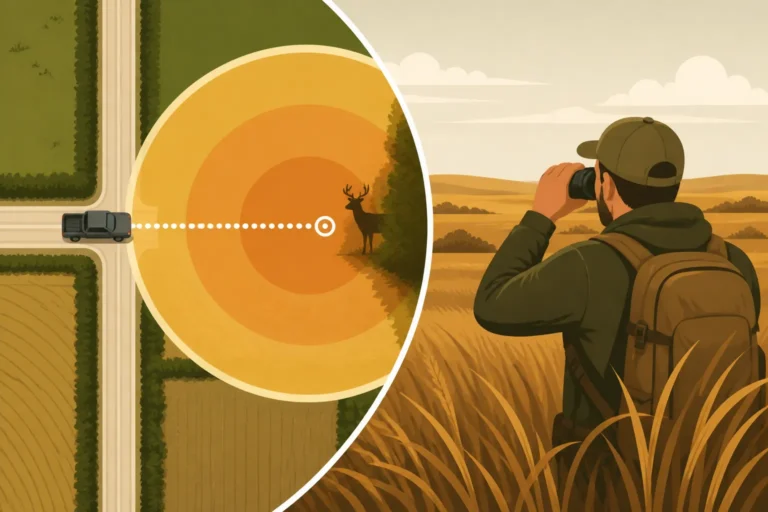
- Go Deeper: Many hunters won't walk more than a half-mile or a mile from a road or parking area. If you're willing to put in the miles, you'll often find less-pressured deer.
- Hunt Mid-Week/Off-Peak: If your schedule allows, hunting on weekdays can significantly reduce competition.
- Focus on Neglected Cover: Look for small, overlooked pockets of cover, like isolated plum thickets, small sloughs, or deep, steep coulees that other hunters might deem too difficult to access.
- Understand Deer Movement: When pressured, deer will often seek the path of least resistance to escape, often moving into areas with dense cover. Anticipate these escape routes. For more specific insights on this, consider reading Hunting Pressure on North Dakota Public Land.
Tactics for Dunn County Deer
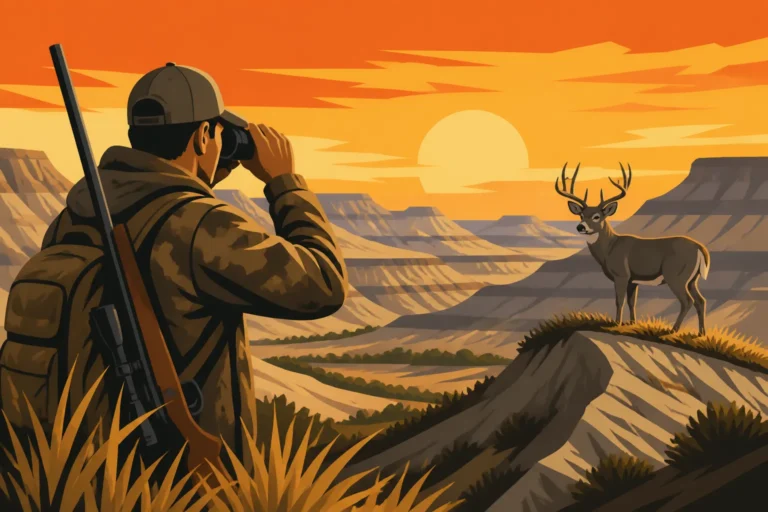
Still-Hunting and Spot-and-Stalk: For much of Dunn County, especially in the National Grassland or larger WMA tracts, these are highly effective. Still-hunting involves moving slowly and deliberately through cover, pausing frequently to observe. In the open Badlands-like terrain, spot-and-stalk is king. Find a high point, use quality binoculars and a spotting scope to glass distant hillsides and coulees, locate a deer, and then plan your approach. Wind direction is absolutely critical for stalking.
Stand Hunting (Ground Blinds & Treestands): In areas with more defined cover, like river bottoms or shelterbelts, setting up a ground blind or treestand near known travel corridors, food sources, or bedding areas can be very productive. Be mindful of public land regulations regarding treestand placement and removal. Always brush in your ground blind effectively to break up its outline.
Rattling and Grunting: The rut in North Dakota is a magical time, and calling tactics can be highly effective, especially for whitetails. Rattling antlers can simulate a buck fight, drawing in curious bucks. Grunt calls can also bring in both aggressive and curious deer. Timing is key, with late October through mid-November often being the sweet spot. For strategies during this crucial period, check out Hunting the Rut in Early-to-Mid November.
Important Considerations for a Dunn County Hunt
There are a few logistical and ethical points that are important to remember when planning your Dunn County deer hunt.
Regulations and Licensing
Always, always consult the current North Dakota Game and Fish Department hunting guide for the most up-to-date regulations. Season dates, license requirements, bag limits, and specific unit rules can change. Dunn County falls into particular deer units, and understanding your tag's restrictions (e.g., "any deer" vs. "antlerless") is paramount. Non-residents have specific rules for deer licenses, often requiring participation in a lottery system. Ensure you have all necessary licenses, including a general game and habitat license, and any specific deer tags. Remember that carrying proof of your license, whether physical or digital, is required.
Respecting the Land and Landowners
Even on public land, being a responsible hunter is essential. Pack out everything you pack in, leave no trace, and respect any closures or specific rules posted. If you're hunting near private land boundaries, be absolutely certain of your location to avoid trespassing. While this guide focuses on public land, it’s always a good practice to understand North Dakota Landowner Preference Rules as they can influence local deer populations and movements near public access.
Weather and Terrain Preparedness
North Dakota weather can be unpredictable, especially during hunting season. Be prepared for anything from warm, sunny days to bitter cold, snow, and strong winds. Dress in layers, carry emergency supplies, and let someone know your hunting plans. The Badlands terrain, while beautiful, can be challenging. Steep coulees, slick clay, and long distances can make for tough going, especially if you harvest a deer. Planning for deer recovery, including a game cart or sufficient manpower, is essential.
The Role of Technology
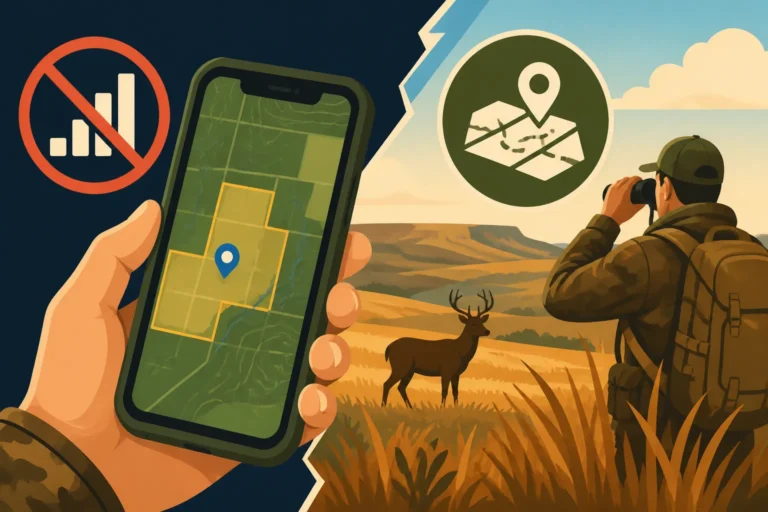
Modern hunting apps like onX Hunt and GoHunt have revolutionized public land hunting. They offer detailed satellite imagery, topographical maps, property boundaries (distinguishing public from private), and even marked trails or historical burn areas. These tools are indispensable for scouting, navigation, and ensuring you stay on legal hunting ground. Download offline maps before you go, as cell service can be spotty in remote areas of Dunn County. You might find Scouting PLOTS Land With the ND Hunt App particularly useful for integrating technology into your hunt.
| Public Land Type | Key Features | Primary Deer Species | Hunting Considerations |
|---|---|---|---|
| PLOTS | Private land, publicly accessible | Whitetail | Small, scattered; check current map; adjacent to ag fields |
| WMAs | State-managed, diverse habitats | Whitetail | Larger tracts; moderate pressure; managed for wildlife |
| Nat. Grassland | Federal, rugged Badlands terrain | Mule Deer / Whitetail | Vast, remote; challenging access; low pressure; glassing |
Dunn County offers fantastic deer hunting opportunities on its public lands, but success often hinges on preparation and smart tactics. By understanding the diverse habitats, leveraging available public access programs, and employing strategic hunting methods, you'll be well on your way to a memorable hunt in this rugged corner of North Dakota.
Disclaimer
This article is for general informational purposes only and does not constitute professional advice. Laws, prices and regulations vary by location and change over time. Consult a qualified professional for guidance on your specific situation.