What a Guided North Dakota Pheasant Hunt Costs
For many hunters, the dream of chasing ringnecks across the sprawling North Dakota prairie is a powerful one. But let's be honest, trying to figure out what a guided pheasant hunt actually costs can feel like navigating a maze blindfolded. You see flashy ads, hear whispers of incredible experiences, but pinning down the actual financial commitment, especially with all the variables, often leaves you more confused than when you started. This guide aims to pull back the curtain on the expenses involved, helping you understand the factors that shape the price tag for a guided pheasant hunting adventure in the Peace Garden State, so you can plan your trip with confidence and no unwelcome surprises.
Understanding the Core Costs of a Guided North Dakota Pheasant Hunt
When you're looking into a guided pheasant hunt in North Dakota, it's never just a single, flat fee. There are several foundational elements that contribute to the overall price, and understanding these can help you break down the quotes you might receive. Think of it like building a house – there's the cost of the land, the foundation, the framing, and then all the finishings. Each part adds to the total.
The Daily Rate Versus Package Deals
Most outfitters operate on either a daily rate or offer multi-day package deals. A daily rate typically covers one full day of hunting, usually including a guide, trained dogs, and often lunch in the field. This can be appealing if you're local or have specific dates in mind, perhaps only able to sneak away for a quick weekend hunt. However, if you're traveling from afar, a single-day hunt might not feel like it maximizes your investment, especially when you factor in travel time and lodging.
Package deals, on the other hand, are often designed to give you a more immersive experience over several days. These usually include multiple days of hunting, all meals, lodging at a comfortable lodge or cabin, bird cleaning and packaging, and sometimes even airport pick-up. While the upfront cost of a package is naturally higher than a single day, the per-day expense within a package often works out to be more economical, and it provides a much more seamless and convenient experience, letting you focus entirely on the hunt and the camaraderie. Many hunters find platforms like BookYourHunt incredibly useful for comparing these package deals from various North Dakota outfitters, laying out exactly what’s included for different durations.
What's Typically Included in the Base Price
The base price for a guided pheasant hunt will almost always include the professional guide and their well-trained hunting dogs. These dogs are often the stars of the show, making the experience truly special by tirelessly quartering fields and flushing birds. You're paying for their expertise, their knowledge of local pheasant habits and hotspots, and the hard work they put in scouting and running dogs. Most outfitters will also provide transportation to and from the hunting fields each day.
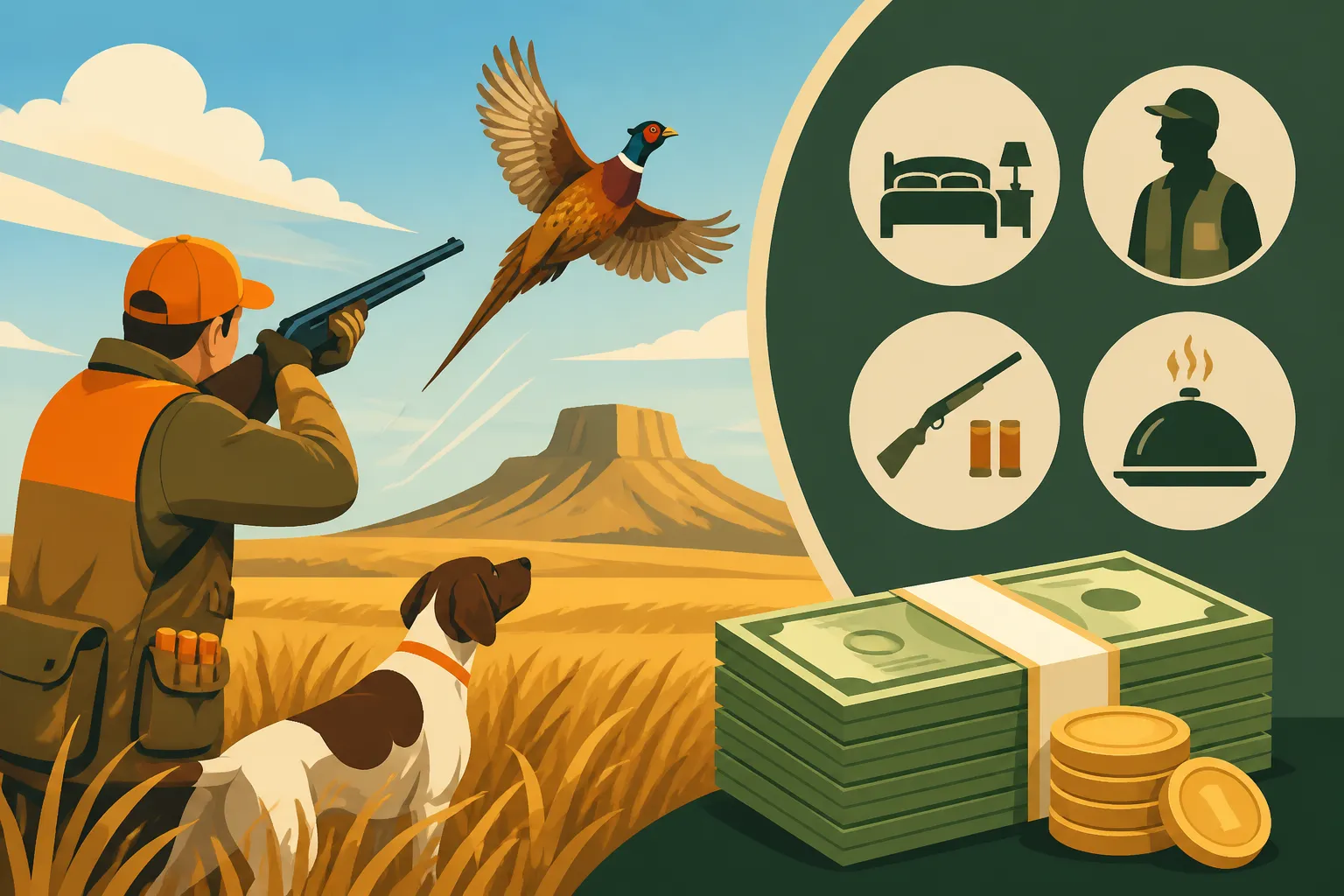
Beyond that, inclusions can vary widely. Some outfitters will include field lunches, snacks, and non-alcoholic beverages. Others might include bird processing – cleaning, vacuum-sealing, and freezing your birds to ensure they're travel-ready. Quality lodging and hearty meals are often part of multi-day packages. It's crucial to get a detailed breakdown of what's explicitly covered to avoid any misunderstandings. For instance, you might assume shotgun shells are included, but often they are not. Similarly, alcoholic beverages are typically an extra charge, even within "all-inclusive" packages. Thinking through these details beforehand saves you from surprises.
What Influences the Price Tag of Your North Dakota Pheasant Adventure
So, why do some guided hunts seem significantly more expensive than others? It boils down to a combination of factors, much like buying a car—you can get a basic model or a luxury one, and the features drive the price. Understanding these variables can help you align your budget with your expectations for the trip.
Location and Quality of Hunting Ground
North Dakota is a vast state, and pheasant densities aren't uniform. Outfitters operating in prime pheasant country, areas with consistently high bird populations and excellent habitat, often command higher prices. These locations might be near productive agricultural land, extensive CRP (Conservation Reserve Program) fields, or areas known for good winter cover. The reputation of the hunting ground itself, perhaps a ranch that has meticulously managed its habitat for years, can also influence cost. A guide who consistently puts hunters on birds in a specific region, like the southeastern part of the state where bird numbers often boom, is offering a premium service based on proven success and prime access.
The type of land hunted also plays a role. Exclusive access to vast private lands, where hunting pressure is carefully controlled, usually costs more than hunts conducted on a mix of private and easily accessible public lands, such as PLOTS Program Explained tracts. An outfitter with exclusive leases on thousands of acres of prime pheasant habitat, featuring diverse cover like standing corn, tall grasses, and shelterbelts, provides a different level of opportunity than one primarily working public ground. This exclusive access often translates to less competition and higher bird numbers, which hunters are willing to pay for.
Duration and Group Size
The length of your trip directly impacts the total cost. A single-day hunt will obviously be less than a three-day or five-day package. As mentioned, however, the per-day cost often decreases with longer packages, as outfitters can better amortize their fixed costs (like dog care, vehicle maintenance, and property leases) over more hunting days.
Group size is another major factor. Many outfitters price their hunts per hunter, with a minimum group size, or offer slightly reduced rates for larger groups. A group of four to six hunters is quite common for pheasant hunts, allowing for good field coverage and a manageable dynamic for the guide and dogs. If you're a solo hunter, you might pay a premium for individual attention or be paired with another small group. Conversely, a very large group might require additional guides and dogs, increasing the overall cost but potentially bringing down the per-person rate if structured correctly. When Booking a North Dakota Pheasant Hunt for a Group, always inquire about their specific pricing tiers.
Inclusions, Amenities, and Experience Level
This is where the "luxury" features come into play. A basic guided hunt might provide just the guide and dogs. A mid-range package might add field lunches and bird cleaning. A premium experience, however, often includes gourmet meals, upscale lodging, open bar, airport transfers, professional photography services, and even custom hunting vests or other gear. The more amenities and white-glove service included, the higher the price.
The experience level of the outfitter and guides also factors in. A seasoned outfitter with decades of experience, a long list of satisfied clients, and a reputation for consistently delivering exceptional hunts will naturally charge more than a newer operation establishing itself. Their guides might have a deeper understanding of pheasant behavior, better dog handling skills, and more extensive knowledge of the local terrain. Some outfits also specialize in specific types of hunting, like Running Pointing Dogs on North Dakota Pheasant, which can also influence their pricing due to specialized training and equipment. You're paying not just for a hunt, but for the assurance of a well-orchestrated, safe, and memorable experience.
Different Tiers of Guided Pheasant Hunts and Their Value
Just like going out to eat, you can choose a quick diner meal, a nice sit-down restaurant, or a five-star culinary experience. Guided pheasant hunts offer similar tiers, each providing a different level of service and comfort, and each carrying a different price point. It’s about finding the balance that fits your expectations and budget.
Economy Hunts: Focused on the Birds
At the more accessible end of the spectrum, you'll find economy or "basic" guided hunts. These typically focus squarely on the hunting experience itself, providing a professional guide and well-trained dogs for a day or two in the field. Lodging, if offered, might be simpler, perhaps a basic motel or a no-frills bunkhouse. Meals might be on your own or basic field lunches. Bird cleaning might be an additional service or left for you to handle.
The value here lies in getting access to good hunting grounds and experienced guidance without the added frills. It's perfect for hunters who are budget-conscious, prefer a more rustic experience, or are simply looking for a productive hunt without all the bells and whistles. You'll still get to experience the thrill of pheasants bursting from cover and the satisfaction of working with a skilled guide and dogs. For many, the focus is purely on filling the vest and enjoying the chase. These hunts are often booked directly with smaller, local operators.
Mid-Range Packages: Comfort and Convenience
Moving up, mid-range packages strike a balance between hunting quality and comfort. These are often the most popular option for traveling hunters. They typically include multiple days of hunting, comfortable lodge or hotel-style lodging, and most meals (often home-cooked and hearty, reflecting true North Dakota hospitality). Bird cleaning and packaging are frequently included, as are amenities like a comfortable lounge area for evenings, and perhaps even a fire pit.
The value proposition here is convenience and a more relaxed experience. You don't have to worry about where you're sleeping, what you're eating, or processing your birds. The outfitter handles most of the logistics, allowing you to immerse yourself fully in the hunt and the camaraderie with your fellow hunters. This tier is great for groups of friends or families who want a memorable trip that goes beyond just the hunting itself, providing a comfortable base camp for their adventure. When researching these, it’s always good to ask What's Included in a Pheasant Package in detail.
Luxury Experiences: All-Inclusive and Upscale
At the top end, luxury pheasant hunts offer an unparalleled, all-inclusive experience. These are designed for hunters seeking a truly pampered and bespoke trip. Expect exquisite lodging, gourmet dining (sometimes with private chefs), top-shelf beverages, and a full suite of services. This might include dedicated bird boys to assist in the field, massages after a long day, laundry service, and even non-hunting activities for companions. Transportation is often handled from arrival at major airports like Bismarck or Fargo.
The value of a luxury hunt is in the complete package – every detail is meticulously handled, providing a seamless, stress-free, and memorable vacation centered around exceptional hunting. These experiences are often found at high-end lodges with extensive private land holdings and a reputation for catering to discerning clients. While the investment is substantial, it promises an unforgettable experience where every comfort is anticipated. For those interested in the full gamut of offerings, resources like GoHunt can provide insights into top-tier operations across North Dakota.
| Cost Tier | Typical Inclusions | Lodging Style | Meals | Bird Processing | Value Proposition |
|---|---|---|---|---|---|
| Economy | Guide, dogs, field transport, sometimes field lunch | Basic motel, bunkhouse, bring-your-own cabin | Field lunch | Often extra | Budget-friendly, pure hunting focus, access to birds |
| Mid-Range | Guide, dogs, field transport, all meals, lodging | Comfortable lodge, local hotel | Home-cooked | Included | Balanced comfort/convenience, good all-around experience |
| Luxury | Guide, dogs, all transport, gourmet meals, premium lodging, extra services | High-end lodge, private ranch home | Gourmet | Included, white-glove | Unparalleled service, seamless, pampered, unforgettable |
Beyond the Day Rate: Hidden Costs and Considerations
It's easy to focus solely on the quoted daily or package rate, but a truly realistic budget for your North Dakota pheasant hunt needs to account for several other expenses that can quickly add up. Overlooking these can lead to an unpleasant surprise when you tally up your trip.
Licensing and Permits
Before you even step foot in a field, you'll need the proper licenses. For nonresidents, this typically includes a general game and habitat license, and a nonresident small game license. These costs are separate from the outfitter's fees and are mandatory. It's vital to check the North Dakota Game and Fish Department website for current requirements and costs. You can find detailed information on North Dakota Nonresident Pheasant License Cost. Remember, licensing typically opens well in advance of the season, and you don't want to be scrambling at the last minute. Some outfitters may assist in navigating the application process, but the cost itself is always borne by the hunter.
In addition to state licenses, you'll likely need a federal migratory bird stamp and a Harvest Information Program (HIP) certification if you plan to hunt any waterfowl or doves while in North Dakota, even if pheasant is your primary target. While these are usually minor costs, they are still necessary to factor in.
Travel Expenses: Getting There and Around
Unless you live in North Dakota, getting to your hunting destination will be a significant expense. This includes airfare, rental car costs (if not provided by the outfitter), and fuel. If you're driving, factor in gas, potential overnight stops, and vehicle maintenance. North Dakota is a big state, and driving from a major airport like Fargo or Bismarck to a prime pheasant hunting area can take several hours, adding to your rental car and fuel budget.
Consider also the cost of transporting your firearms. If flying, you'll need approved cases and to follow TSA guidelines, which can include additional airline fees for checked firearms. For those driving, ensure your firearms are stored safely and legally according to North Dakota transport laws. Don't forget any baggage fees for your hunting gear and clothing. These logistics and associated costs are often overlooked but can add a substantial amount to the total trip budget.
Ammunition, Gear, and Gratuities
Ammunition is often not included in guided hunt packages, and you'll want to bring plenty. Pheasants can be tough birds, and it's not uncommon for shots to miss or for multiple shots to be needed. Factor in the cost of several boxes of your preferred shotgun shells. Beyond ammo, ensure you have appropriate hunting attire, including good boots, warm layers, and blaze orange, which is required in North Dakota. For specifics on safety requirements, refer to North Dakota Blaze Orange Requirements. While guides might offer some gear, having your own well-fitting clothing and equipment makes for a much more comfortable hunt.
Finally, and perhaps the most important "hidden" cost, is gratuity for your guide and any lodge staff. Tipping is customary and expected in the hunting outfitting industry. A general guideline is to tip 15-20% of the hunt cost to your guide, and often a smaller amount to any dedicated lodge staff (cooks, bird cleaners, housekeepers) who contributed to your experience. This should be budgeted as a separate line item, as guides work incredibly hard to ensure your success and enjoyment. Failing to factor in tips means your guide won't be compensated fairly for their efforts. For more on this, check out Tipping a North Dakota Hunting Guide.
Making the Most of Your Investment: Tips for a Cost-Effective Hunt
Investing in a guided pheasant hunt is a big decision, and you want to ensure you get the best possible value for your money. There are definitely strategies you can employ to make your hunt more cost-effective without sacrificing the quality of the experience.
Planning Ahead and Booking Early
The golden rule of hunting trips: plan early! Outfitters often offer early bird discounts or have more flexibility with pricing and availability if you book well in advance. Popular dates, especially during the peak of the North Dakota Pheasant and Upland Season Rules, can fill up a year or more out. Booking early also gives you ample time to save money, secure your licenses, and make travel arrangements, potentially locking in better rates for flights or lodging.
Furthermore, booking early provides the opportunity to communicate extensively with your chosen outfitter. You can clarify all inclusions, discuss any special requests, and truly understand the experience you're purchasing. This proactive approach minimizes surprises and allows you to tailor the hunt, within reason, to your group's preferences and budget. Don't wait until summer to plan for a fall hunt; start researching and making calls the moment you decide to go.
Group Discounts and Off-Peak Season Opportunities
Hunting with a group is one of the best ways to reduce the per-person cost of a guided hunt. Many outfitters have group minimums and offer sliding scales, where the individual price decreases as the group size increases. Splitting the cost of lodging, guides, and other shared amenities among several people makes the trip much more affordable. Gather your hunting buddies, family, or even inquire if an outfitter can pair you with another small group if you don't have enough people.
Consider hunting during the shoulder seasons or mid-week instead of prime opening weekends or holidays. Early season hunts (October) can be warmer, with more birds but denser cover. Late-season hunts (November/December) can be colder and sometimes involve snow, which can make birds hold tighter and be easier for dogs to locate, but with potentially fewer birds overall. The weather can also be a major factor in these later hunts, as detailed in Hunting After a Hard Prairie Winter. These periods often have lower demand, which can translate into more competitive pricing. While you might sacrifice a bit of the "perfect weather" window, the cost savings can be substantial, and the hunting can still be excellent.
Self-Guided Options as a Cost Comparison
While this article focuses on guided hunts, it's worth considering self-guided options as a comparison point, especially if budget is a primary concern. North Dakota offers extensive public land opportunities, notably through the PLOTS (Private Land Open To Sportsmen) program. While this requires more research, scouting, and self-reliance, it can significantly reduce costs related to guide fees.
However, a self-guided hunt isn't "free." You'll still have license costs, travel expenses, and gear, plus the significant investment of your time in scouting and planning. You'll need to provide your own dogs (if using them), know how to navigate public lands, and understand pheasant behavior. For many, the value of a guided hunt comes from the outfitter's knowledge, access to prime land, and the guaranteed presence of experienced dogs – all things that are hard to replicate on a self-guided trip without considerable prior experience in the area. Platforms like GoHunt also offer detailed mapping and public land information that can be invaluable for self-guided hunters. Ultimately, the decision depends on your budget, experience, and how much planning you're willing to undertake. For more on this, you might explore Scouting PLOTS Land Before Season.
Connecting with the Right Outfitter: Research and Trust
Finding a good outfitter is paramount, not just for a successful hunt but for ensuring your money is well spent. A bad experience can leave a sour taste, regardless of how much you paid.
Vetting and References
Once you've narrowed down your choices, start vetting thoroughly. Ask for references from past clients and actually call them. Inquire about their experience, the guide's professionalism, the quality of the dogs, the food, the lodging, and whether the hunt lived up to expectations. A reputable outfitter will be transparent and happy to provide contacts.
Also, check online reviews and forums, but take them with a grain of salt. Look for consistent themes, both positive and negative. Vetting a North Dakota Hunting Outfitter covers this process in more detail. Pay attention to how the outfitter responds to inquiries – a prompt, clear, and friendly communication style is often a good indicator of their overall professionalism and customer service. They should be eager to answer all your questions about costs, inclusions, and logistics.
Understanding the Contract and Payment Terms
Before you commit, read the outfitter's contract or booking agreement carefully. This document should clearly outline everything included in the price, cancellation policies, refund stipulations, and payment schedules. Pay attention to deposit requirements and final payment due dates. What happens if you have to cancel? What if they have to cancel due to unforeseen circumstances like severe weather or a sudden decline in bird numbers?
Some outfits might offer hunt insurance options, especially for nonresident hunters traveling long distances, to protect your investment against unforeseen events. Never assume anything; if it's not in writing, it's not guaranteed. A clear contract protects both you and the outfitter, ensuring everyone is on the same page regarding the financial commitments and expectations for your North Dakota pheasant hunt.
Disclaimer
This article is for general informational purposes only and does not constitute professional advice. Laws, prices and regulations vary by location and change over time. Consult a qualified professional for guidance on your specific situation.